Krishnasar Conservation Area 2027: Nepal’s Blackbuck Sanctuary
Trip snapshot
Everything you need to know at a glance
Trip overview
Discover the natural beauty of western Nepal with our 4-day Krishnasar Conservation Area wildlife tour, home to the endangered blackbuck. Explore the grasslands, enjoy wildlife photography and birdwatching, experience local culture, and learn about the importance of protecting Nepal’s unique biodiversity. With opportunities to observe blackbuck in their natural habitat and enjoy the peaceful landscapes of Bardiya, this tour offers a memorable experience for nature lovers, photographers, families, and wildlife enthusiasts. The best time to visit is generally from October to March, when the weather is more comfortable for outdoor exploration. Join this exciting journey to discover Nepal’s lesser-known wildlife destination and experience the natural charm of the Terai region.
Key Highlights
- Discover Nepal’s endangered blackbuck sanctuary.
- Observe blackbuck in their natural habitat.
- Enjoy wildlife and nature photography.
- Explore the Terai grassland ecosystem.
- Experience birdwatching opportunities.
- Discover local culture and traditions.
- Enjoy a memorable 4-day wildlife adventure
Important Note: This 4-day Krishnasar Conservation Area tour can be customized according to your travel plans, interests, budget, and schedule. Contact us to create a personalized wildlife experience in Nepal.
Day-by-day itinerary
-
Begin your day with a transfer to Tribhuvan International Airport in Kathmandu for your domestic flight to Nepalgunj, enjoying beautiful aerial views of Nepal’s diverse landscapes along the way. Upon arrival at Nepalgunj Airport, meet your driver and continue the scenic road journey to Bardiya, passing through peaceful countryside, traditional villages, and lush green landscapes while observing the local lifestyle of western Nepal. After reaching Bardiya, check in at your hotel or lodge and take some time to relax and enjoy the natural surroundings. Depending on your arrival time, explore the nearby area before enjoying dinner and an overnight stay in Bardiya.
- Activity: Domestic Flight, Scenic Drive & Local Exploration
- Flight Time: Approx. 45–60 minutes
- Driving Time: Approx. 2–3 hours
- Meals: Lunch and Dinner
- Accommodation: Hotel or lodge
-
After breakfast, head to Krishnasar Conservation Area in Bardiya for a full day of wildlife exploration and nature photography. Discover the natural grassland habitat of the endangered blackbuck and observe these graceful antelopes in their natural surroundings. Enjoy opportunities for wildlife photography, birdwatching, and learning about the conservation efforts that protect Nepal’s unique biodiversity. Explore the surrounding landscapes, observe local flora and fauna, and enjoy the peaceful atmosphere of this remarkable wildlife destination. After a rewarding day of exploration, return to your hotel or lodge in Bardiya for dinner and an overnight stay.
- Activity: Wildlife Exploration, Blackbuck Observation & Nature Photography
- Duration: Full day
- Meals: Breakfast, Lunch and Dinner
- Accommodation: Hotel or lodge
-
Begin your day with an early-morning birdwatching experience around the Bardiya region, where you can observe local and migratory birds in their natural habitats while enjoying the peaceful surroundings and fresh morning air. Capture beautiful photographs of the diverse birdlife and surrounding landscapes before returning to your hotel for breakfast. After breakfast, check out and begin the scenic drive to Nepalgunj, passing through traditional villages, green countryside, and local settlements while experiencing the everyday lifestyle of western Nepal. Upon arrival in Nepalgunj, check in at your hotel, relax, and enjoy the rest of the evening before an overnight stay.
- Activity: Morning Birdwatching & Scenic Drive
- Birdwatching: Approx. 1–2 hours
- Driving Time: Approx. 2–3 hours
- Meals: Breakfast, Lunch and Dinner
- Accommodation: Hotel
-
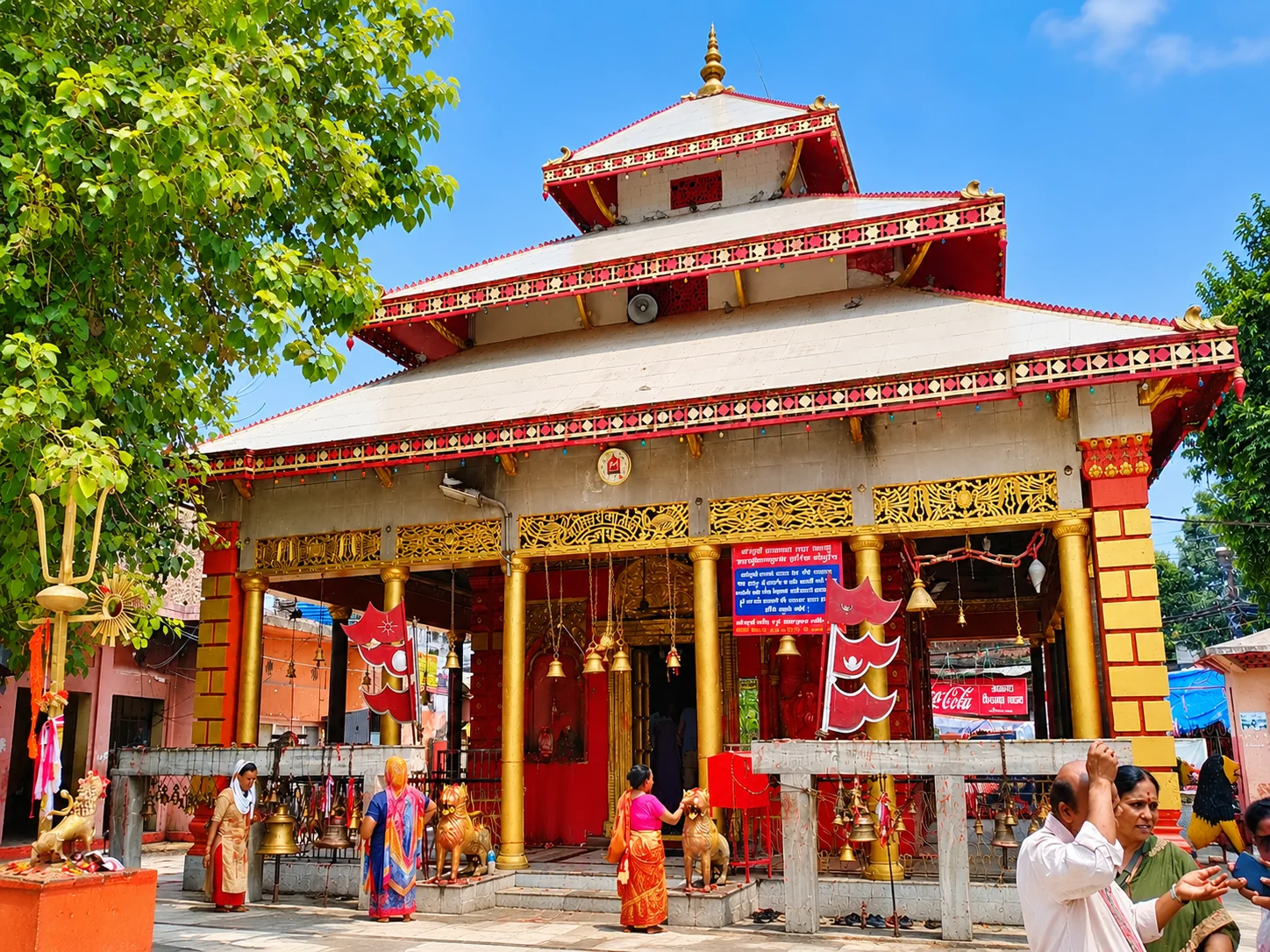
Begin your day with a morning visit to the sacred Bageshwori Temple in Nepalgunj, one of the region’s important Hindu pilgrimage sites dedicated to Goddess Bageshwori. Explore the temple, offer prayers, and experience the peaceful spiritual atmosphere while learning about its religious significance and local traditions. After completing the temple visit, return to your hotel, check out, and transfer to Nepalgunj Airport for your domestic flight back to Kathmandu. Enjoy scenic aerial views during the journey and arrive in Kathmandu with wonderful memories of your 4-day wildlife and cultural tour.
- Activity: Temple Visit, Spiritual Exploration & Domestic Flight
- Temple Visit: Approx. 1–2 hours
- Flight Time: Approx. 45–60 minutes
- Meals: Breakfast and Lunch
What's included
Included
- Hotel Pick-up and Drop-off
- Domestic flight Ticket
- Tours and transfer by AC Vehicle in Private basis as per the above Itinerary
- Professional Tour guide throughout the Tour
- Meals on full board basis (Breakfast, Lunch & Dinner)
- Accommodation at Homestay/ Lodge .
- A Bottle of Water during the Tour
- Cultural Interaction with local Communities
- Conservation Area entry permit Fees
- All Entrance fee at Sightseeing spot
- All local and Government Taxes
- Basic first-aid support
- 24/7 Emergency Support and Coordination by Organization
Not included
- All the Personal Expenses as Tip, Laundry, Beverages and Bar Bill etc.
- Accommodation, Meals, or Activities outside the Itinerary.
- Personal Travel Insurance (Recommended to cover Emergencies)
- 10% Service Charge for Company.
- Fees charged by Banks for International Transcation
- Accommodation at Kathmandu Stay
- Any Services or Costs not clearly listed under “Package Inclusions”
Dates & availability
There are no fixed group departures for this trip. We run it as a private trip on your preferred dates.
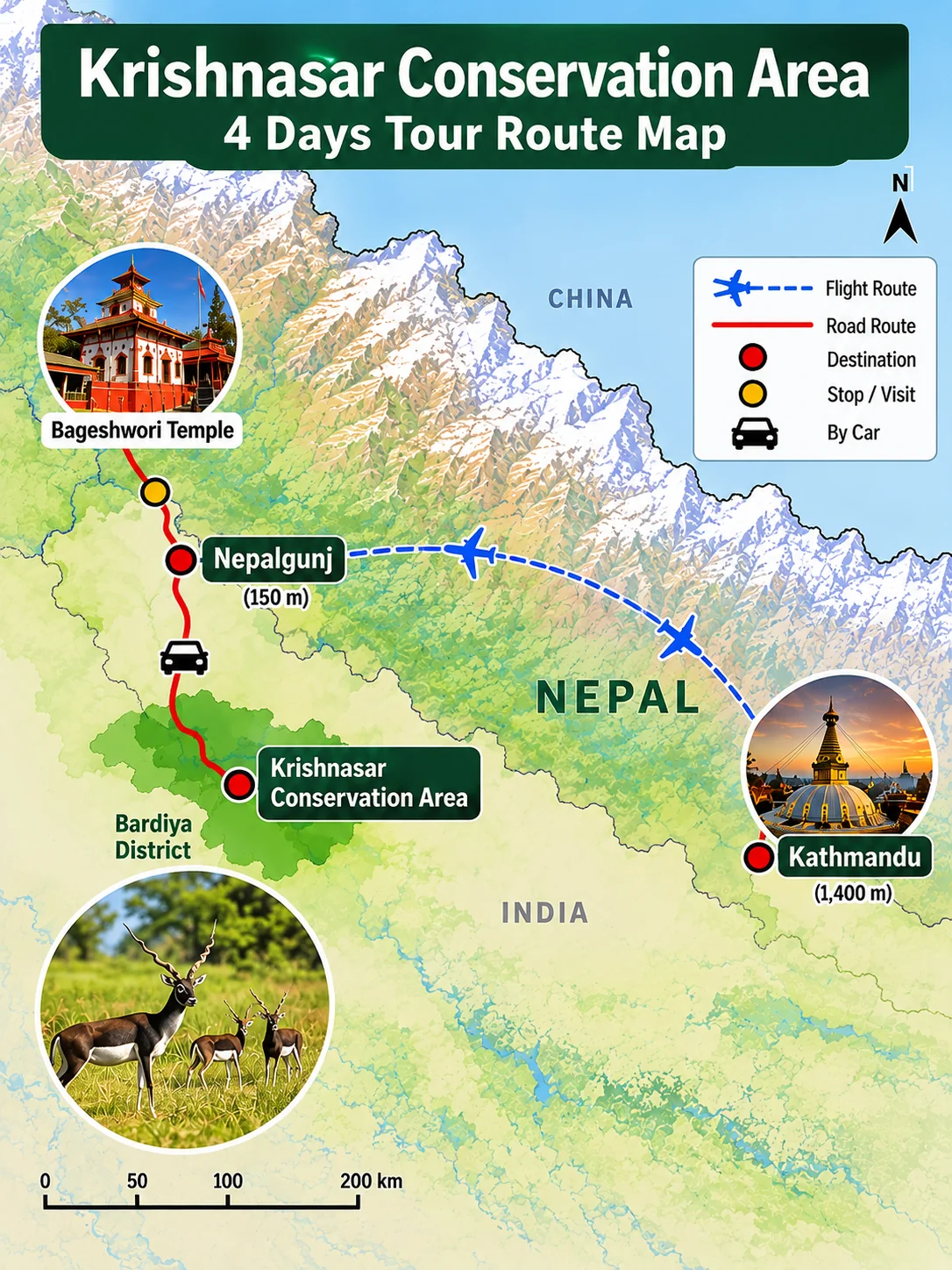
Route map
 View full size
Packing list
| Category | Gear Checklist |
|---|---|
| Clothing | Lightweight clothes, hat |
| Footwear | Comfortable walking shoes |
| Sun Protection | Sunscreen, sunglasses |
| Wildlife Viewing | Binoculars, camera |
| Personal Items | Toiletries, medication |
| Travel Documents | ID, booking confirmation |
| Health & Safety | First-aid kit, insect repellent |
| Hydration | Reusable water bottle |
| Electronics | Phone, charger, power bank |
| Essentials | Cash, small backpack |
Frequently asked questions
What is Krishnasar Conservation Area famous for?
Krishnasar Conservation Area in Bardiya, Nepal, is known for protecting the endangered blackbuck (Antilope cervicapra). The area offers opportunities to observe blackbuck, explore grassland habitats, enjoy birdwatching, and learn about wildlife conservation.
Where is Krishnasar Conservation Area located in Nepal?
Krishnasar Conservation Area is located in Khairapur, Bardiya District, in western Nepal’s Terai region. The destination is accessible by road from Nepalgunj.
How many days are required to visit Krishnasar Conservation Area?
A 4-day Krishnasar Conservation Area tour provides time for flights between Kathmandu and Nepalgunj, road transfers to Bardiya, wildlife exploration, morning birdwatching, and a visit to Bageshwori Temple.
What is the best time to visit Krishnasar Conservation Area?
The cooler, drier months from October to March are generally suitable for wildlife observation and outdoor activities in the Terai. Weather conditions, grassland visibility, and local access arrangements can influence the experience.
How do I travel from Kathmandu to Krishnasar Conservation Area?
The most convenient option for the 4-day itinerary is a domestic flight from Kathmandu to Nepalgunj, followed by a private road transfer to Bardiya. The return journey includes a drive to Nepalgunj and a flight back to Kathmandu.
Can visitors see blackbuck in Krishnasar Conservation Area?
Visitors may have opportunities to observe blackbuck in their natural habitat. Wildlife sightings depend on animal movements, weather, vegetation, and observation conditions, so sightings cannot be guaranteed.
What wildlife activities are available in Krishnasar Conservation Area?
Popular activities include blackbuck observation, wildlife photography, nature walks where permitted, birdwatching, and learning about grassland ecosystems and conservation initiatives.
Is Krishnasar Conservation Area suitable for birdwatching?
Yes. The surrounding grasslands, agricultural areas, and nearby natural habitats provide opportunities to observe local and seasonal bird species. Early morning is generally a good time for birdwatching.
What is included in a 4-day Krishnasar Conservation Area tour?
Depending on the selected package, inclusions may cover round-trip domestic flights, airport transfers, private road transportation, accommodation, specified meals, wildlife exploration, birdwatching, and a Bageshwori Temple visit. Confirm the final inclusions before booking.
What accommodation is available during the Krishnasar Conservation Area tour?
Accommodation options may include hotels, lodges, or guesthouses in Bardiya and Nepalgunj. The specific property and comfort category depend on availability, budget, and the selected tour package.
What meals are provided during the 4-day wildlife tour?
Meals depend on the confirmed itinerary and package inclusions. The tour can be arranged with specified breakfasts, lunches, and dinners throughout the trip, including breakfast and lunch on the departure day.
Is a conservation area entry permit required for Krishnasar Conservation Area?
Visitors should confirm the applicable entry requirements and fees with the conservation area office before travelling. Carry a valid identification document, and check whether entry fees are included in the selected package.
Is Krishnasar Conservation Area suitable for families and children?
The tour can be suitable for families interested in wildlife, birdwatching, and nature. Families should consider road-transfer times, daytime temperatures, walking requirements, and children's ability to follow wildlife-viewing safety guidelines.
What should visitors pack for a Krishnasar wildlife tour?
Essential items include comfortable walking shoes, lightweight clothing, a hat, sunscreen, insect repellent, a reusable water bottle, binoculars, a camera, personal medication, and valid travel documents.
Can visitors take photographs inside Krishnasar Conservation Area?
Wildlife and landscape photography may be possible, subject to local rules and access conditions. Maintain a safe distance from animals, avoid disturbing wildlife, and obtain permission for commercial filming or drone use where required.
Is a guide recommended for exploring Krishnasar Conservation Area?
A knowledgeable local guide can help visitors understand blackbuck behaviour, identify birds, learn about the local ecosystem, and follow conservation guidelines. Guide availability and fees should be confirmed when arranging the tour.
What is the significance of Bageshwori Temple in Nepalgunj?
Bageshwori Temple is an important Hindu religious site in Nepalgunj, dedicated to Goddess Bageshwori. A morning visit offers an opportunity to offer prayers, experience local religious traditions, and explore an important cultural landmark before returning to Kathmandu.
Can the Krishnasar Conservation Area tour be customized?
Yes. The tour can be customized according to travel dates, budget, accommodation preferences, meal requirements, group size, and interests. Additional sightseeing or changes to transportation can be discussed with Khushi Travels before confirmation.
How much does a 4-day Krishnasar Conservation Area tour cost?
The total cost depends on airfare, accommodation category, private transportation, meals, guide services, entry fees, and group size. Request a customized quotation from Khushi Travels for an accurate package price.
Why choose a local travel agency for a Krishnasar Conservation Area tour?
A local travel agency such as Khushi Travels & Consulting Group Pvt. Ltd. can coordinate domestic flights, airport transfers, accommodation, local transportation, wildlife activities, and itinerary customization. Confirmed services, current fees, and availability should be reviewed before booking.
More details
 Krishnasar Conservation Area Accommodation Types
The Krishnasar Conservation Area tour offers a nature-focused travel experience in the Bardiya district of western Nepal. Since the conservation area is located near the Khairapur region, travelers generally arrange accommodation in nearby towns and surrounding areas rather than expecting extensive lodging facilities inside the conservation area itself. For this 4-day tour, accommodation is typically arranged in Bardiya and Nepalgunj, depending on the itinerary, hotel availability, and the traveler's preferred comfort level.
Accommodation Options Near Krishnasar Conservation Area
Hotels and Lodges in Bardiya


Bardiya provides accommodation options suitable for travelers visiting Krishnasar Conservation Area. Hotels and lodges may offer private rooms, attached bathrooms, hot showers, Wi-Fi, and dining facilities, although services vary by property. Staying in Bardiya allows visitors to relax after wildlife observation, birdwatching, and photography activities. It is also a practical base for exploring nearby natural attractions.
Hotels in Nepalgunj

Nepalgunj offers a range of hotels, from budget-friendly properties to more comfortable tourist hotels. During this itinerary, an overnight stay in Nepalgunj on Day 3 is convenient because the tour includes a visit to Bageshwori Temple on Day 4 before the return flight to Kathmandu. Travelers can choose accommodation according to their budget, room preferences, and required facilities.
Accommodation by Tour Day
| Day | Overnight Location | Accommodation |
|---|---|---|
| Day 1 | Bardiya | Hotel or lodge |
| Day 2 | Bardiya | Hotel or lodge |
| Day 3 | Nepalgunj | Hotel |
| Day 4 | No overnight stay | Departure to Kathmandu |
What to Expect from Your Stay
Accommodation standards may differ between Bardiya and Nepalgunj. Bardiya is suitable for travelers seeking a quieter environment close to nature, while Nepalgunj provides convenient access to transportation, restaurants, and the airport. Room facilities, meal availability, hot water, internet connectivity, and other services depend on the selected property.
For the best experience, Khushi Travels & Consulting Group Pvt. Ltd. can arrange accommodation according to your budget, group size, and comfort requirements. Travelers should confirm the hotel category and included facilities before booking, particularly during busy travel periods.
Important Note
Accommodation inside Krishnasar Conservation Area should not be assumed to be available. The itinerary is designed around overnight stays in Bardiya and Nepalgunj, with visits to the conservation area arranged during the day.
 What to Expect from the Krishnasar Conservation Area Tour
The Krishnasar Conservation Area tour offers a peaceful wildlife experience in western Nepal, combining blackbuck observation, birdwatching, nature photography, and local cultural exploration. Located in the Khairapur area of Bardiya district, the conservation area is particularly known for protecting the endangered blackbuck (Antilope cervicapra). This 4-day journey provides an opportunity to experience a different side of Nepal, away from the busy trekking trails and crowded mountain destinations.
Blackbuck Observation and Wildlife Experiences

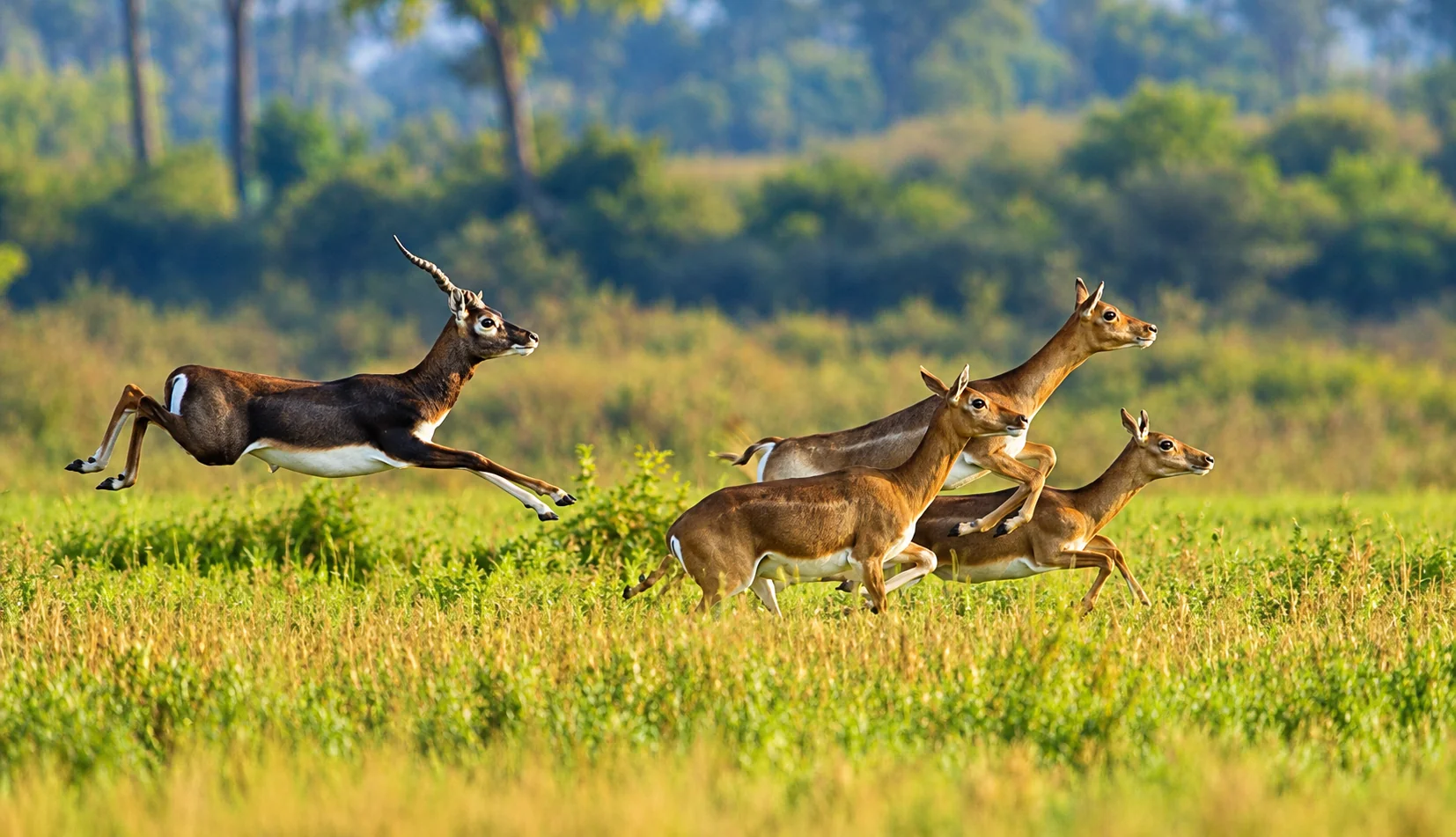
One of the main highlights of the tour is the opportunity to observe blackbucks in their natural grassland habitat. Visitors may see male blackbucks with distinctive spiral horns, females moving in groups, and animals grazing across open fields. Wildlife sightings depend on the season, weather, animal movements, and local conditions, so observing blackbucks cannot be guaranteed. Travelers should remain quiet, maintain a respectful distance, and follow local guidance to avoid disturbing the animals.
Birdwatching and Nature Photography


The conservation area and its surrounding landscapes provide opportunities for birdwatching and nature photography. Visitors can look for birds in open grasslands and nearby natural habitats while enjoying the area's peaceful environment. Photography enthusiasts may capture wildlife, birds, grassland scenery, and details of the local ecosystem. A camera with a telephoto lens or binoculars can be helpful for observing animals without approaching them too closely.
Scenic Travel and Local Exploration
The journey combines air travel between Kathmandu and Nepalgunj with road transfers to the Bardiya area. Travelers can experience the changing landscapes of western Nepal while enjoying a slower-paced wildlife holiday. Depending on the itinerary and available time, the tour may also include opportunities to experience local food, observe everyday life, and learn about the cultural surroundings of the region.
Visit to Bageshwori Temple

On the final day, the itinerary includes a visit to Bageshwori Temple in Nepalgunj before the return flight to Kathmandu. This important religious site offers a cultural experience that complements the wildlife-focused activities of the previous days. Visitors should dress respectfully, follow temple customs, and observe any photography restrictions indicated at the site.
Accommodation, Meals, and Travel Arrangements
During the tour, travelers generally stay in Bardiya for the first two nights and Nepalgunj for the third night. Meals and accommodation depend on the confirmed package arrangements. The journey is designed to balance wildlife exploration with comfortable overnight stays and convenient airport transfers.
Who Is This Tour Suitable For?
The Krishnasar Conservation Area tour may suit wildlife enthusiasts, birdwatchers, photographers, families, couples, and travelers interested in nature and cultural experiences. It can also be a good option for visitors who prefer a relatively relaxed itinerary rather than a physically demanding trekking holiday. Families with children should supervise them closely during wildlife observation and follow the instructions of local guides.
Important Things to Remember
Krishnasar Conservation Area is primarily a wildlife conservation destination, so the experience depends on natural conditions rather than scheduled animal encounters. Wear comfortable clothing and walking shoes, carry sun protection and drinking water, and bring binoculars or a camera if desired. Follow conservation rules, avoid littering, and do not feed, chase, or attempt to touch wildlife.
The 4-day itinerary combines wildlife observation in Krishnasar Conservation Area with overnight stays in Bardiya and Nepalgunj, followed by a visit to Bageshwori Temple before departure. Khushi Travels & Consulting Group Pvt. Ltd. can help coordinate the travel arrangements according to the confirmed package, available facilities, and individual preferences.
 Best Time / Season to Visit Krishnasar Conservation Area
The best time to visit Krishnasar Conservation Area in Khairapur, Bardiya district, is generally during the cooler and drier months when the weather is more comfortable for wildlife observation, birdwatching, and nature photography. Seasonal conditions influence the appearance of the grasslands, visibility across open habitats, and the overall comfort of outdoor activities. For travelers planning the 4-day Krishnasar Conservation Area tour, choosing a suitable season can help make the journey more enjoyable.
Autumn Season (September to November)


Autumn is a pleasant season for exploring western Nepal, with temperatures generally becoming more comfortable after the summer monsoon. As rainfall decreases, travel conditions may improve, making it easier to enjoy the journey between Nepalgunj and Bardiya. The landscape may remain green during the early part of the season, while clearer weather can create favorable conditions for outdoor photography and sightseeing. October and November are often practical months to consider for a wildlife-focused visit.
Winter Season (December to February)
Winter is often a good period for a visit because daytime conditions in the lowland Terai can be suitable for outdoor activities. The cooler weather may make walking and wildlife observation more comfortable, although mornings can be cold, foggy, or misty. Visitors should carry warm clothing for early starts and allow flexibility in their plans if fog affects road or flight schedules. Wildlife sightings still depend on animal movements and local conditions.
Spring Season (March to May)


Spring brings gradually rising temperatures across the Terai. March can offer comfortable conditions for outdoor exploration, while April and May may become increasingly hot, particularly around midday. Travelers visiting during this period should carry drinking water, wear breathable clothing, use sun protection, and plan outdoor activities for the cooler hours of the morning or late afternoon where permitted.
Monsoon Season (June to August)


The monsoon season brings heavy rainfall, higher humidity, and greener landscapes to western Nepal. Although the natural surroundings can look lush, wet conditions may make road travel and outdoor activities less convenient. Rain, muddy paths, and changing weather can also affect photography and wildlife observation. Travelers considering a monsoon visit should confirm local access conditions, transportation arrangements, and the operating status of the conservation area before departure.
Best Months for Wildlife Photography
October to March is a useful general period to consider for a Krishnasar Conservation Area tour because it includes the cooler, drier months. However, there is no guarantee that blackbucks or other wildlife will be visible at a particular time. Photography opportunities depend on light conditions, animal behavior, vegetation, and the visitor's ability to maintain a respectful distance.
Seasonal Travel Recommendations
| Season | General Conditions | Recommendation |
|---|---|---|
| Autumn | Generally pleasant, with improving weather after the monsoon | Good for wildlife visits and photography |
| Winter | Cooler weather; possible morning fog | A strong option for comfortable outdoor exploration |
| Spring | Warmer and increasingly hot toward May | Suitable with hydration and sun protection |
| Monsoon | Rainy, humid, and potentially muddy | Check local conditions before booking |
What to Pack According to the Season
For autumn and winter, bring comfortable walking shoes, light layers, and a warm jacket for early mornings. In spring, choose lightweight clothing, a hat, sunscreen, and sufficient drinking water. During the monsoon, pack a rain jacket, quick-drying clothing, waterproof bags, and shoes with good grip. Binoculars and a camera with a suitable zoom lens can be useful throughout the year.
Final Recommendation
For most travelers, October to March is a practical period to plan the Krishnasar Conservation Area tour, with winter offering cooler conditions and autumn providing a pleasant transition after the monsoon. Before confirming your trip, check the local weather, access arrangements, flight schedules, and conservation area conditions. Khushi Travels & Consulting Group Pvt. Ltd. can help coordinate the 4-day itinerary according to your preferred travel dates and available services.
 Nearby Places to Explore from Krishnasar Conservation Area
Krishnasar Conservation Area, located in the Khairapur area of Bardiya district in western Nepal, is a distinctive destination for travelers interested in wildlife conservation, nature photography, and peaceful outdoor experiences. Visitors can extend their journey by exploring nearby cultural, religious, and natural attractions around Bardiya and Nepalgunj. These places add variety to the 4-day itinerary, combining wildlife observation with local culture and regional sightseeing.
Bageshwori Temple, Nepalgunj
Bageshwori Temple is one of the important religious sites in Nepalgunj and is included in the final day of this tour itinerary. The temple attracts devotees who come to worship and experience its spiritual atmosphere. Visitors can observe local religious traditions, explore the temple surroundings, and learn about the cultural importance of this sacred place. Travelers should dress respectfully and follow local customs while visiting.
Bardiya National Park
Bardiya National Park is a major wildlife destination in western Nepal, known for its forests, grasslands, river habitats, and rich biodiversity. Visitors may explore the park through authorized wildlife activities, depending on the season, local regulations, and available services. The park offers a different wildlife experience from Krishnasar Conservation Area, which is particularly associated with blackbuck conservation. Travelers interested in extending their stay can inquire about guided nature walks, birdwatching, or other permitted activities.
Nepalgunj City

Nepalgunj is an important commercial and transportation hub in western Nepal. The city provides access to hotels, restaurants, markets, and domestic flights connecting the region with Kathmandu. Travelers can explore local markets, experience everyday city life, and sample regional food if their schedule allows. Its convenient transport connections also make Nepalgunj a practical overnight stop before the return flight to Kathmandu.
Karnali River Region

The Karnali River region offers impressive natural scenery, with broad river channels, surrounding vegetation, and landscapes characteristic of western Nepal. Depending on the exact location and available travel time, visitors may enjoy scenic viewpoints, photography, and opportunities to observe the natural environment. River-based activities should only be arranged through authorized local operators after checking seasonal water levels, weather, and safety conditions.
Local Villages and Tharu Cultural Experiences

The western Terai is home to Tharu communities with distinctive cultural traditions, local foods, crafts, and ways of life. Where suitable community-based experiences are available, travelers may learn about traditional architecture, local agricultural practices, and regional customs. Visits should be arranged respectfully, with permission where appropriate, and cultural performances or activities should not be assumed to be available without prior confirmation.
Local Markets and Regional Food

Local markets in Nepalgunj and surrounding settlements offer opportunities to see regional produce, spices, household goods, and everyday commercial activities. Travelers can also try Nepali and Terai-style dishes at local restaurants, depending on availability and personal dietary preferences. Market visits are best planned around the main wildlife activities and the timing of onward transportation.
Suggested Places to Include in Your Itinerary
| Place | Main Experience | Suggested Timing |
|---|---|---|
| Krishnasar Conservation Area | Blackbuck observation and nature photography | Day 2 |
| Bardiya National Park | Wildlife and natural landscapes | Optional extension |
| Nepalgunj city | Local markets, restaurants, and sightseeing | Day 3, if time allows |
| Bageshwori Temple | Religious and cultural visit | Day 4 |
| Local Tharu communities | Cultural learning and local traditions | Optional, subject to availability |
| Karnali River region | Scenic landscapes and photography | Optional extension |
Important Travel Note
Not every attraction listed above is included in the standard 4-day Krishnasar Conservation Area itinerary. The core tour focuses on travel between Kathmandu, Nepalgunj, and Bardiya, wildlife exploration at Krishnasar Conservation Area, and a visit to Bageshwori Temple before departure. Additional attractions may require extra time, transportation, fees, or advance arrangements.
Khushi Travels & Consulting Group Pvt. Ltd. can help customize the itinerary for travelers who want to combine blackbuck observation with additional wildlife, cultural, or sightseeing experiences in western Nepal.
 Foods Available During the Krishnasar Conservation Area Tour
The Krishnasar Conservation Area tour offers travelers an opportunity to experience the local food culture of western Nepal while exploring its unique wildlife and natural surroundings. During this 4-day journey, meals can generally be arranged at hotels, lodges, and restaurants in Bardiya and Nepalgunj. Visitors can enjoy traditional Nepali dishes, regional Terai cuisine, and familiar international meals, depending on the accommodation and restaurant selected. Food availability may vary by location, so travelers with specific dietary requirements should communicate their preferences before the trip.
Traditional Nepali Dal Bhat

Dal bhat is one of the most common and practical meal choices during a trip in Nepal. It typically includes steamed rice, lentil soup, seasonal vegetable curry, pickles, and sometimes additional side dishes. It provides a filling meal for travelers who spend time outdoors observing wildlife or exploring the surrounding countryside. Depending on the restaurant, dal bhat may be available in vegetarian and non-vegetarian versions.
Terai-Style Local Cuisine


The Terai region of Nepal has a diverse food culture influenced by local communities and neighboring regions. Depending on the restaurant or community experience, travelers may find rice-based dishes, seasonal vegetables, lentils, flatbreads, and locally prepared snacks. Some Tharu communities also have distinctive traditional food practices. However, specific traditional dishes are not guaranteed to be available at every hotel or restaurant, and special meals may require advance arrangements.
Breakfast Options

Breakfast at hotels in Bardiya and Nepalgunj may include tea or coffee, toast, eggs, seasonal fruit, porridge, or traditional Nepali options, depending on the property's menu. A balanced breakfast can help travelers prepare for morning wildlife observation and road transfers. Guests planning an early departure should confirm breakfast timings with their hotel, especially when transportation or sightseeing begins early.
Lunch During Wildlife Exploration

Lunch during the tour can generally be arranged at a hotel, lodge, or local restaurant, depending on the day's activities and the distance from available dining facilities. Travelers may choose rice and curry, dal bhat, noodles, vegetable dishes, or other available meals. If the wildlife schedule requires an extended visit, it is advisable to confirm lunch arrangements in advance and carry drinking water and light snacks.
Dinner in Bardiya and Nepalgunj

Dinner is usually arranged at the accommodation or a nearby restaurant. Visitors may enjoy traditional Nepali meals, vegetarian dishes, chicken preparations, soups, noodles, or other menu options depending on availability. Bardiya may offer a quieter dining atmosphere, while Nepalgunj generally provides access to a wider selection of restaurants. Travelers should confirm whether dinner is included in their package before ordering meals outside the agreed arrangement.
Vegetarian and Special Dietary Requirements
Vegetarian meals are commonly available in Nepal, particularly dishes prepared with rice, lentils, vegetables, and seasonal ingredients. Vegan, gluten-free, allergy-sensitive, and other specialized meals may require advance communication with the hotel or restaurant. Travelers with food allergies should explain their requirements clearly and confirm ingredients before eating, as preparation methods and cross-contact controls can vary.
Drinking Water and Food Safety
Travelers should drink sealed bottled water or water that has been treated appropriately. Avoid drinking untreated water from taps, streams, or other natural sources. Choose freshly prepared, thoroughly cooked meals from clean establishments, wash or sanitize your hands before eating, and be cautious with raw foods if their washing and preparation conditions are uncertain. Carrying a reusable bottle with a suitable water purification method can also be useful.
Meal Arrangements for the 4-Day Tour
| Tour Day | Location | Suggested Meal Arrangements |
|---|---|---|
| Day 1 | Kathmandu, Nepalgunj, and Bardiya | Meals according to the confirmed package and travel schedule |
| Day 2 | Krishnasar Conservation Area and Bardiya | Breakfast, lunch, and dinner according to the package |
| Day 3 | Bardiya and Nepalgunj | Meals according to the confirmed package |
| Day 4 | Nepalgunj | Breakfast and other meals as specified before the return flight |
Tips for Enjoying Local Food
Try traditional Nepali dishes and regional specialties where they are available, but choose meals that suit your dietary needs. Inform your travel operator about allergies, vegetarian preferences, or other restrictions before departure. During wildlife activities, follow the guide's instructions regarding food storage and waste disposal, and never leave food scraps in natural habitats.
Important Note
The exact menu, meal timings, and included meals depend on the selected hotels, restaurants, and final package arrangements. Khushi Travels & Consulting Group Pvt. Ltd. can help coordinate suitable meal options for the Krishnasar Conservation Area tour, subject to local availability and advance notice of dietary requirements.
 Culture and Etiquette of the Krishnasar Conservation Area Tour
The Krishnasar Conservation Area tour offers more than a wildlife experience. It also provides an opportunity to learn about the local communities, cultural traditions, and everyday life of western Nepal's Terai region. The Khairapur area of Bardiya is known for its blackbuck conservation efforts, while the surrounding region reflects the cultural diversity of communities living in the western Terai. Respecting local customs, religious traditions, wildlife, and the natural environment helps travelers enjoy a meaningful and responsible journey.
Local Culture and Community Life


The communities around Bardiya maintain a connection with agriculture, local markets, traditional foods, and rural lifestyles. Visitors traveling through nearby settlements may observe farming activities, village homes, and local businesses. These everyday experiences provide insight into life in the Terai region beyond its well-known wildlife attractions. Travelers should be considerate when visiting residential areas and seek permission before entering private property or photographing people.
Tharu Cultural Traditions


Tharu communities are among the culturally significant communities of Nepal's Terai region. Their traditions may include distinctive clothing, traditional architecture, local cuisine, folk music, dance, and community celebrations. Travelers may have opportunities to learn about Tharu culture through locally organized experiences, depending on availability and the itinerary. Cultural programs should be arranged respectfully, and visitors should remember that traditions differ among communities and are not necessarily available as scheduled tourist activities.
Religious Customs and Temple Etiquette
The visit to Bageshwori Temple in Nepalgunj introduces travelers to an important local religious site. Visitors should dress modestly, remove footwear wherever required, and follow instructions provided by temple authorities. Some areas may have restrictions on photography or entry, so it is best to ask before taking pictures. During religious ceremonies, maintain a respectful distance and avoid interrupting worshippers.
Respect for Wildlife and Conservation Rules

Respect for nature is essential when visiting Krishnasar Conservation Area. The area is important for blackbuck conservation, so visitors should observe animals quietly and follow the guidance of authorized personnel or local guides. Do not feed wildlife, chase animals, make excessive noise, or attempt to approach them for photographs. Avoid littering, remain within permitted areas, and never disturb grassland habitats or other wildlife.
Photography and Interaction with Local People
Photography can be a rewarding part of the journey, particularly when observing blackbucks, birds, and rural landscapes. However, travelers should ask permission before photographing local residents, children, private homes, or cultural activities. Use a zoom lens when photographing wildlife to maintain a safe and respectful distance. Follow any restrictions established by conservation authorities, community members, or religious sites.
Local Food and Hospitality
The Bardiya and Nepalgunj areas offer opportunities to experience traditional Nepali meals and regional Terai cuisine. Dal bhat, rice-based meals, vegetable curries, lentils, and locally prepared dishes may be available at hotels and restaurants. Where suitable community-based experiences are offered, visitors may learn about local food traditions and hospitality. Inform your tour operator about dietary requirements in advance, as specialized meals may not always be available in every location.
Cultural Etiquette for Responsible Travelers
| Situation | Recommended Etiquette |
|---|---|
| Greeting local people | Be polite and use a respectful greeting such as “Namaste” |
| Visiting temples | Dress modestly and follow local religious customs |
| Photographing people | Ask permission before taking photographs |
| Visiting villages | Respect private property and local privacy |
| Observing wildlife | Maintain distance and avoid loud noises |
| Handling waste | Carry rubbish out and use designated bins |
| Buying local products | Treat local sellers respectfully and agree on prices politely |
| Joining cultural activities | Follow the host's instructions and ask before participating |
Supporting Sustainable Tourism
Responsible tourism can help support local livelihoods and conservation awareness. Travelers can choose locally operated services where appropriate, purchase genuine local products, respect community traditions, and follow conservation guidelines. Keeping the surroundings clean and avoiding activities that disturb wildlife contribute to protecting the area's natural value for future visitors and local communities.
Final Recommendation
The Krishnasar Conservation Area tour is an opportunity to appreciate western Nepal's wildlife, local culture, and regional traditions together. By respecting local customs, following temple etiquette, asking permission before photographing people, and protecting wildlife habitats, travelers can make their visit more meaningful and responsible. Khushi Travels & Consulting Group Pvt. Ltd. encourages visitors to travel thoughtfully and respect both the communities and the natural environment throughout the 4-day journey.
 Safety and Security at Krishnasar Conservation Area
Krishnasar Conservation Area in Khairapur, Bardiya district, offers a rewarding experience for wildlife enthusiasts, birdwatchers, photographers, and nature lovers. To enjoy the visit safely, travelers should follow conservation guidelines, remain aware of local weather and travel conditions, and respect the natural habitat of blackbucks and other wildlife. With suitable preparation and responsible behavior, visitors can explore the area while helping protect its sensitive grassland ecosystem.
Wildlife Safety and Responsible Observation
Blackbucks are wild animals and should always be observed from a respectful distance. Do not approach, chase, feed, touch, or attempt to surround them for photographs. Sudden movements and loud noises may disturb the animals and interfere with their natural behavior. Follow the instructions of authorized conservation personnel or local guides, and remain within permitted viewing areas throughout your visit.
Follow Conservation Area Rules
Visitors should comply with the rules established by the relevant conservation authorities. Avoid entering restricted areas, damaging grassland vegetation, disturbing animal habitats, or leaving rubbish behind. Drone use and other photography activities may be subject to restrictions, so obtain the necessary permission before using specialized equipment. If you notice injured wildlife or a potential safety concern, report it to the appropriate local personnel rather than approaching the animal yourself.
Weather and Seasonal Safety
Weather conditions in the Terai region can change significantly throughout the year. Summer temperatures may become very high, while the monsoon can bring heavy rain, muddy roads, and travel delays. Winter mornings may be cold or foggy, potentially affecting visibility and flight schedules. Check the forecast before departure, carry season-appropriate clothing, and remain flexible if local conditions affect the planned activities.
Sun Protection and Hydration

Wildlife observation may involve spending time outdoors in open grassland with limited shade. Carry sufficient drinking water, wear lightweight clothing appropriate to the season, and use sunscreen, a hat, and sunglasses when necessary. During hotter months, avoid unnecessary exertion during the hottest part of the day and follow your guide's recommendations about suitable observation times.
Road Travel and Flight Safety
The itinerary includes a flight between Kathmandu and Nepalgunj, followed by road transfers to the Bardiya area. Travelers should allow sufficient time for airport procedures and possible delays caused by weather or operational conditions. Use reliable transportation, wear seat belts where available, and avoid rushing between scheduled activities. Confirm flight timings and pickup arrangements with your travel operator before departure.
Food, Drinking Water, and Personal Health
Choose freshly prepared food from clean hotels and restaurants, and drink sealed bottled water or appropriately treated water. Carry personal medication and basic travel essentials, especially if you have specific dietary or accessibility requirements. Travelers who need regular medication should keep it in their hand luggage and ensure they have enough for the trip. If you develop a health problem during the tour, inform your guide or travel coordinator promptly.
Personal Belongings and Photography Equipment
Keep passports, cash, phones, cameras, and other valuables secure during transportation and sightseeing. Use a suitable camera bag to protect photography equipment from dust, rain, and accidental damage. Avoid leaving belongings unattended in vehicles or public places. When photographing wildlife, use binoculars or a zoom lens rather than moving closer to an animal.
Safety Checklist for Visitors
| Safety Item | Recommendation |
|---|---|
| Drinking water | Carry sufficient safe drinking water |
| Clothing | Wear comfortable, weather-appropriate clothing |
| Footwear | Choose comfortable walking shoes with good grip |
| Sun protection | Bring sunscreen, a hat, and sunglasses |
| Wildlife viewing | Maintain a safe distance and follow local instructions |
| Insect protection | Carry suitable insect repellent when needed |
| Travel documents | Keep identification and flight details accessible |
| Medication | Bring personal medication and essential health supplies |
| Photography | Check local restrictions before using drones or specialized equipment |
| Travel insurance | Consider coverage for medical care and travel disruptions |
Family and Senior Traveler Safety
Families traveling with children should supervise them closely and prevent them from approaching wildlife or entering restricted areas. Senior travelers and visitors with mobility limitations should discuss walking distances, transportation arrangements, and accessibility needs before booking. The tour can be adapted where practical, depending on available facilities and local conditions.
Emergency Preparedness
Before starting the tour, confirm your guide's or travel coordinator's contact details and understand how to seek assistance if an emergency occurs. Keep your phone charged and carry essential identification. In the event of an accident, illness, severe weather, or a wildlife-related concern, move to a safe location and contact the appropriate local authorities or emergency services.
Final Safety Recommendation
Krishnasar Conservation Area is best explored with preparation, patience, and respect for wildlife. Check local access conditions before visiting, follow official instructions, maintain a safe distance from blackbucks, and protect yourself from heat and changing weather. Khushi Travels & Consulting Group Pvt. Ltd. can help coordinate transportation, accommodation, and tour arrangements while providing practical guidance for a safe and enjoyable 4-day wildlife experience.
 Transportation Facilities for the Krishnasar Conservation Area Tour
Transportation is an important part of the Krishnasar Conservation Area tour because the destination is located in the Khairapur area of Bardiya district in western Nepal. The 4-day itinerary combines domestic air travel, road transfers, and local transportation to make the journey convenient for travelers. The main travel route connects Kathmandu with Nepalgunj, followed by a road journey to the accommodation near Krishnasar Conservation Area. On the final day, travelers return to Nepalgunj for a visit to Bageshwori Temple and their flight back to Kathmandu.
Domestic Flight from Kathmandu to Nepalgunj


The journey generally begins with a domestic flight from Tribhuvan International Airport in Kathmandu to Nepalgunj Airport. Flying is a practical way to reach western Nepal within a limited travel schedule. After arriving in Nepalgunj, travelers meet their arranged transportation for the road journey toward Bardiya and the Krishnasar Conservation Area region. Flight schedules, fares, baggage allowances, and availability depend on the airline and travel date, so these details should be confirmed before departure.
Road Transportation from Nepalgunj to Bardiya


After arriving in Nepalgunj, travelers continue by road toward Bardiya. A private car, SUV, or other suitable vehicle can be arranged according to the group size, luggage requirements, road conditions, and package category. The drive provides views of the western Terai landscape and local settlements along the route. Actual travel time depends on the pickup location, traffic, road conditions, and the exact accommodation selected.
Local Transportation for Krishnasar Conservation Area

Local transportation is used to travel between the accommodation and the designated access or viewing areas of Krishnasar Conservation Area. Depending on local access arrangements, some wildlife observation may involve walking in permitted areas. Visitors should follow instructions from authorized local personnel and avoid entering restricted areas. The type of vehicle and the extent of access should be confirmed when arranging the tour.
Transportation in Nepalgunj
Nepalgunj has local transportation options for reaching hotels, restaurants, markets, and religious attractions. For this itinerary, private transportation is convenient for visiting Bageshwori Temple before transferring to Nepalgunj Airport for the return flight to Kathmandu. Travelers should allow enough time for sightseeing, airport check-in, and possible traffic delays.
Return Flight from Nepalgunj to Kathmandu

On Day 4, the itinerary includes a morning visit to Bageshwori Temple followed by a transfer to Nepalgunj Airport. Travelers then take their scheduled domestic flight to Kathmandu. Flight timings should be considered when planning the temple visit, and sufficient time should be allowed for airport procedures. If flight schedules change, the final day's arrangements may need to be adjusted.
Transportation Arrangements by Tour Day
| Tour Day | Route | Transportation |
|---|---|---|
| Day 1 | Kathmandu to Nepalgunj, then Bardiya | Domestic flight and road transfer |
| Day 2 | Bardiya to Krishnasar Conservation Area and back | Local road transportation and walking where permitted |
| Day 3 | Bardiya to Nepalgunj | Road transfer |
| Day 4 | Nepalgunj hotel to Bageshwori Temple, then airport to Kathmandu | Local road transfer and domestic flight |
Available Vehicle Options
Transportation can be organized according to the traveler's needs and budget. A private car may suit couples or small families, while an SUV may provide additional space for luggage and equipment. Larger groups may require a suitable van or other passenger vehicle, depending on availability. Vehicle selection should consider road conditions, passenger comfort, luggage capacity, and the number of travelers.
Transportation Booking Tips
- Confirm domestic flight times and baggage allowances before departure.
- Arrange airport pickup and drop-off in advance.
- Inform your travel operator about group size and luggage requirements.
- Keep some flexibility in the schedule for weather-related flight delays.
- Confirm whether local transfers and transportation for wildlife observation are included in the package.
- Allow sufficient time for the Bageshwori Temple visit before the return flight.
Important Transportation Note
The exact road distance, driving duration, vehicle type, and local access arrangements depend on the confirmed route and conditions on the day of travel. Flight schedules may also change because of weather or airline operations. Khushi Travels & Consulting Group Pvt. Ltd. can help coordinate domestic flights, airport transfers, private vehicles, and local transportation for the 4-day Krishnasar Conservation Area tour according to availability and the confirmed package inclusions.
 Krishnasar Conservation Area Tour: Maximum Altitude, Travel Distance, and Travel Time
The Krishnasar Conservation Area tour is a lowland wildlife journey in the Khairapur area of Bardiya district, western Nepal. Unlike high-altitude trekking adventures, this 4-day tour focuses on blackbuck observation, birdwatching, nature photography, and cultural sightseeing. Travelers reach the region by domestic flight from Kathmandu to Nepalgunj, followed by road transportation to Bardiya. Understanding the altitude, travel distances, and approximate journey times helps visitors prepare for a comfortable and well-organized trip.
Maximum Altitude of Krishnasar Conservation Area

Krishnasar Conservation Area lies in the lowland Terai region of Nepal, so the tour does not involve the high elevations or steep ascents associated with Himalayan trekking. The landscape consists primarily of relatively flat grassland and surrounding lowland terrain, making the experience suitable for travelers who prefer wildlife observation rather than strenuous hiking.
The exact maximum altitude for the itinerary should be confirmed using the specific route and mapped locations. Visitors should not assume that a trekking-style altitude profile applies to this tour.
Travel Distance from Kathmandu to Nepalgunj

The first major journey is a domestic flight from Kathmandu to Nepalgunj. The flight is generally the most time-efficient way to reach western Nepal for this short itinerary. Total travel time depends on the airline schedule, airport procedures, and any operational delays.
After landing at Nepalgunj Airport, travelers continue by road toward Bardiya and the Krishnasar Conservation Area region. The exact road distance depends on the selected accommodation, pickup point, and access route.
Road Distance and Driving Time
Road travel is an important part of the tour, particularly on Days 1 and 3. Travelers transfer between Nepalgunj and Bardiya, with local transportation arranged for visits to Krishnasar Conservation Area.
Driving distances and durations can vary because of traffic, road conditions, weather, and the precise route selected. For accurate trip planning, confirm the final hotel location and road transfer details with the travel operator before departure.
Approximate Travel Schedule
| Tour Day | Route or Activity | Transportation | Duration |
|---|---|---|---|
| Day 1 | Kathmandu to Nepalgunj, then Bardiya | Domestic flight and road transfer | Depends on flight schedule and road conditions |
| Day 2 | Krishnasar Conservation Area exploration | Local vehicle and walking where permitted | Planned wildlife exploration day |
| Day 3 | Bardiya to Nepalgunj | Road transfer | Depends on route and traffic |
| Day 4 | Bageshwori Temple visit, then Nepalgunj to Kathmandu | Road transfer and domestic flight | Depends on sightseeing time and flight schedule |
Physical Difficulty and Walking Requirements
The Krishnasar Conservation Area tour is generally a relaxed wildlife and sightseeing experience rather than a demanding trekking expedition. Walking may be required around designated observation areas, depending on local access arrangements and the activities permitted on the day. Comfortable walking shoes, sun protection, and drinking water are recommended.
Travelers with mobility concerns should confirm the walking distance, terrain, vehicle access, and availability of assistance before booking.
Factors That Affect Travel Time
Several factors can influence the overall duration of the journey:
- Flight schedules: Airline timetables and operational changes may affect departure and arrival times.
- Road conditions: Traffic, road maintenance, and weather can change driving durations.
- Wildlife observation: Time spent watching blackbucks and birds depends on local conditions and the planned activities.
- Accommodation location: The distance between the hotel and the conservation area affects daily transfers.
- Final-day schedule: The visit to Bageshwori Temple must be coordinated with the return flight to Kathmandu.
Recommended Preparation for Travelers
Wear comfortable clothing suitable for the season, carry a reusable water bottle, and bring a hat and sunscreen for outdoor activities. Keep your travel documents accessible during airport transfers and allow flexibility for possible flight or road delays. If you are carrying professional photography equipment or additional luggage, inform your travel operator so that suitable transportation can be arranged.
Important Note
Exact altitude figures, road distances, and driving times should not be published as confirmed measurements without verifying the precise route and locations used for the tour. Khushi Travels & Consulting Group Pvt. Ltd. can confirm the transportation plan, accommodation locations, and expected travel schedule when finalizing the 4-day Krishnasar Conservation Area package.
 Krishnasar Conservation Area Tour Cost Breakdown
The cost of the Krishnasar Conservation Area tour depends on the travel season, domestic flight fares, accommodation category, transportation arrangements, meals, and the number of travelers in the group. This 4-day wildlife tour combines a flight from Kathmandu to Nepalgunj, road transfers to Bardiya, blackbuck observation at Krishnasar Conservation Area, an overnight stay in Nepalgunj, and a visit to Bageshwori Temple before returning to Kathmandu.
Main Factors Affecting the Tour Cost


The total package price depends on the services selected for the journey. Domestic flights are an important part of the budget, while accommodation and private transportation also influence the overall cost. Travelers choosing higher-category hotels, private vehicles, flexible flight schedules, or additional sightseeing activities may pay more than those selecting basic services.
Domestic Flight Costs
Domestic flights between Kathmandu and Nepalgunj are a major component of the tour budget. The total flight expense depends on the airline, booking date, seat availability, applicable baggage allowance, and seasonal demand. Booking flights early may provide more choices, although fares and availability are not guaranteed.
Travelers should confirm whether the package includes both the Kathmandu–Nepalgunj and Nepalgunj–Kathmandu flights, along with any applicable airport taxes or additional charges.
Accommodation Costs
Accommodation is generally arranged for three nights: two nights in Bardiya and one night in Nepalgunj. Prices vary according to hotel category, room type, location, facilities, and travel season.
Budget hotels and simple lodges may suit travelers looking for essential facilities, while standard or premium hotels may offer additional comfort. The final quotation should clearly specify the accommodation category, room-sharing arrangement, and included services.
Transportation Costs
Road transportation is required for transfers between Nepalgunj and Bardiya, as well as local travel associated with the conservation area visit. Costs depend on the vehicle type, distance, fuel prices, group size, and whether transportation is private or shared.
Additional sightseeing, extended waiting times, or changes to the planned route may result in extra charges if they are not included in the original package.
Meals and Food Expenses
Food expenses depend on the number of included meals, restaurant selection, and individual preferences. Traditional Nepali meals, such as dal bhat, may be available alongside other local and international dishes.
Before booking, confirm which breakfasts, lunches, and dinners are included. Snacks, beverages, specialty meals, and food ordered outside the package may be charged separately.
Guide, Entry Fees, and Other Expenses
The cost may also include local guiding services, conservation area entry fees where applicable, and assistance with sightseeing arrangements. These items should be confirmed with the tour operator because access requirements, fees, and service availability may vary.
Personal expenses, tips, travel insurance, and optional activities may not be included in the standard package.
Estimated Tour Budget Categories
| Expense Category | What Affects the Cost |
|---|---|
| Domestic flights | Airline, travel date, and seat availability |
| Accommodation | Hotel category, room type, and number of nights |
| Road transportation | Vehicle type, distance, and group size |
| Meals | Included meals and restaurant choices |
| Guide services | Availability and agreed service duration |
| Entry fees | Applicable conservation area or sightseeing charges |
| Personal expenses | Snacks, drinks, shopping, and tips |
| Travel insurance | Coverage level and policy conditions |
Cost Differences by Group Size
The per-person price may decrease when several travelers share a vehicle and other fixed-cost services. Solo travelers and couples may have a higher per-person cost when private transportation or single-room accommodation is required. Group pricing depends on the confirmed number of participants and the services included.
How to Get an Accurate Tour Price
To receive an accurate quotation, travelers should provide their preferred travel dates, number of adults and children, accommodation category, room-sharing preferences, and transportation requirements. It is also useful to mention any dietary needs or additional sightseeing requests.
Khushi Travels & Consulting Group Pvt. Ltd. can prepare a customized quotation based on the selected travel dates, available flights, accommodation options, and confirmed package inclusions.
Important Note on Tour Pricing
A fixed price is not provided in this section because current flight fares, hotel rates, applicable fees, and transportation charges have not been verified. Travelers should request a current quotation before making payment. The final cost should clearly distinguish included services, excluded expenses, cancellation conditions, and any charges for itinerary changes.
 Tips for the Krishnasar Conservation Area Tour
The Krishnasar Conservation Area tour is an excellent choice for travelers interested in blackbuck observation, birdwatching, nature photography, and exploring the cultural attractions of western Nepal. A little preparation can make the 4-day journey more comfortable, enjoyable, and organized. From choosing the right travel season to packing suitable clothing and following wildlife conservation guidelines, these practical tips will help you prepare for your visit to Khairapur, Bardiya.
Choose the Right Time to Visit

October to March is generally a practical period to consider for this wildlife-focused trip because temperatures are often more comfortable than during the hottest months. Autumn and winter can provide pleasant conditions for outdoor observation, although morning fog and changing weather may affect visibility. Before confirming your dates, check the local weather forecast and verify access arrangements with your tour operator.
Book Flights and Accommodation in Advance
The itinerary includes domestic flights between Kathmandu and Nepalgunj, along with accommodation in Bardiya and Nepalgunj. Booking these services in advance can help you secure suitable travel times and preferred room categories, especially during busy travel periods. Confirm flight details, baggage allowances, airport transfers, hotel facilities, and cancellation conditions before making your payment.
Pack Comfortable Clothing and Footwear
Choose lightweight, breathable clothing for warm weather and bring a light jacket for cooler mornings. Comfortable walking shoes are useful when exploring permitted observation areas or moving around the surrounding countryside. During the monsoon, a rain jacket and footwear with good grip may be helpful. Neutral-colored clothing can also be practical for wildlife observation without drawing unnecessary attention.
Carry Essential Wildlife Observation Equipment


Binoculars can help you observe blackbucks and birds without approaching them. If you enjoy photography, consider bringing a camera with a zoom or telephoto lens, spare batteries, memory cards, and a protective camera bag. A lens-cleaning cloth can be useful in dusty conditions. Always follow local photography rules and maintain a respectful distance from wildlife.
Stay Hydrated and Protect Yourself from the Sun
Outdoor observation may involve spending time in open grassland with limited shade. Carry sufficient drinking water, apply sunscreen, wear a hat, and use sunglasses when needed. During warmer months, plan outdoor activities around suitable times of day where permitted and follow the advice of local guides or conservation personnel.
Follow Wildlife Conservation Guidelines
Krishnasar Conservation Area is particularly important for blackbuck conservation. Visitors should remain quiet, observe animals from a safe distance, and stay within authorized areas. Never feed, chase, touch, or attempt to surround wildlife for photographs. Avoid littering and follow instructions provided by authorized personnel to help protect the animals and their habitat.
Keep Travel Documents and Flight Details Ready
Keep your identification, flight tickets, hotel confirmations, and tour contact details accessible during the journey. Check your flight schedule before leaving for the airport and allow sufficient time for check-in. If you are an international traveler, confirm the identification and travel documents required for domestic flights and any other applicable travel formalities.
Inform Your Tour Operator About Special Requirements
Let your travel operator know in advance if you have dietary restrictions, mobility concerns, specific room preferences, or special transportation requirements. Families traveling with children should discuss suitable arrangements, while travelers carrying large photography equipment should confirm luggage capacity. Advance communication makes it easier to organize appropriate services.
Plan the Final Day Carefully
The fourth day includes a visit to Bageshwori Temple in Nepalgunj followed by the return flight to Kathmandu. Plan the temple visit around the confirmed flight departure time and leave sufficient time for the airport transfer and check-in. If the flight schedule changes, the sightseeing plan may need to be adjusted.
Respect Local Culture and Traditions
When visiting temples, dress modestly and follow local customs. Ask permission before photographing residents, children, private homes, or cultural activities. Be polite when interacting with local communities and avoid entering private property without permission. If you participate in a community-based cultural experience, follow the host's guidance and respect local traditions.
Carry Cash and Prepare for Limited Services
Although Nepalgunj offers urban facilities, services may be more limited near the conservation area. Carry some Nepalese rupees for small purchases, refreshments, tips, or unexpected expenses. Do not assume that card payments, ATMs, or reliable mobile connectivity will be available at every stop. Confirm which expenses are covered by your package before departure.
Essential Packing Checklist
| Item | Why It Is Useful |
|---|---|
| Comfortable walking shoes | Suitable for outdoor observation and local sightseeing |
| Lightweight clothing | Helps you stay comfortable in warm weather |
| Light jacket | Useful during cooler mornings and evenings |
| Drinking water bottle | Helps maintain hydration |
| Sunscreen, hat, and sunglasses | Protection from sun exposure |
| Binoculars | Helps observe wildlife from a distance |
| Camera and spare batteries | Useful for wildlife and landscape photography |
| Insect repellent | Helps reduce insect bites when needed |
| Personal medication | Supports individual health requirements |
| Identification and travel documents | Needed for travel and booking verification |
| Rain jacket | Useful during wet weather |
| Cash and phone charger | Helpful for small purchases and communication |
Consider Travel Insurance
Travel insurance can provide additional protection against certain unexpected events, depending on the policy. Consider coverage for medical emergencies, trip interruptions, flight delays, and lost baggage. Review the exclusions and claim requirements carefully before purchasing a policy, and keep the emergency contact details available during your trip.
Final Recommendation
For a comfortable Krishnasar Conservation Area experience, plan your travel dates carefully, confirm flights and accommodation in advance, pack for the season, and follow all wildlife conservation guidelines. Keep your schedule flexible enough to accommodate weather or transportation changes, and treat the natural environment and local communities with respect.
Khushi Travels & Consulting Group Pvt. Ltd. can help coordinate your flights, accommodation, road transfers, and sightseeing arrangements for the 4-day tour according to your travel dates, budget, and preferences.
 Documents Required for the Krishnasar Conservation Area Tour
Preparing the necessary travel documents before departure helps make the Krishnasar Conservation Area tour smoother and more convenient. This 4-day journey includes a domestic flight from Kathmandu to Nepalgunj, road transportation to Bardiya, wildlife observation, an overnight stay in Nepalgunj, and a visit to Bageshwori Temple before returning to Kathmandu. Travelers should ensure that their identification, flight bookings, hotel confirmations, and other relevant documents are ready before starting the trip.
Valid Identification Documents

Travelers should carry valid identification accepted by their airline for domestic flights within Nepal. Nepali citizens can generally use an accepted government-issued identity document, while foreign nationals should carry their passport and confirm the identification requirements with their airline before travel. The name on the booking should match the identification document used for check-in.
Domestic Flight Tickets and Booking Confirmation
Keep copies of your flight tickets or e-tickets for both the Kathmandu–Nepalgunj and Nepalgunj–Kathmandu journeys. These documents contain important details, including flight numbers, departure times, passenger names, and booking references. Save a digital copy on your phone and, if practical, keep an additional copy accessible offline.
Hotel and Accommodation Confirmations
Carry the booking details for your accommodation in Bardiya and Nepalgunj. The standard itinerary includes two nights in Bardiya and one night in Nepalgunj. Hotel confirmations help verify room arrangements, check-in dates, included meals, and contact information if any changes occur during the journey.
Tour Itinerary and Transportation Details

Keep a copy of your confirmed tour itinerary showing the daily activities, transfer arrangements, accommodation details, and the scheduled visit to Bageshwori Temple. Having your travel operator's contact information available is useful if you need assistance with pickups, flight changes, or adjustments to the sightseeing schedule.
Entry Permits and Conservation Area Requirements
Before visiting Krishnasar Conservation Area, confirm whether an entry permit, visitor registration, fee, or other authorization is required for your planned activities. Requirements may depend on current local regulations and the type of visit. Do not assume that all fees or permissions are automatically included in the tour package. Ask your tour operator to clarify the applicable requirements before departure.
Documents for International Travelers
Foreign nationals traveling within Nepal should carry their valid passport and confirm the identification requirements for domestic flights. They should also ensure that their immigration status and visa arrangements are valid for their stay in Nepal. Any additional documentation depends on the traveler's nationality and circumstances.
Travel Insurance Documents
Travel insurance is worth considering for protection against covered medical emergencies, travel interruptions, flight delays, or baggage problems. If you purchase a policy, keep its details, emergency assistance number, and relevant coverage information accessible. Check the policy conditions carefully because coverage varies between providers.
Documents Checklist
| Document | Who Should Carry It? | Purpose |
|---|---|---|
| Accepted government-issued identification | Nepali travelers | Domestic flight identification |
| Valid passport | Foreign nationals | Identification and travel documentation |
| Domestic flight tickets | All air travelers | Airport check-in and flight verification |
| Hotel booking confirmations | All travelers | Accommodation verification |
| Confirmed tour itinerary | All travelers | Daily activities and transfer details |
| Tour operator contact details | All travelers | Assistance during the trip |
| Applicable permits or visitor authorizations | As required | Compliance with local rules |
| Travel insurance information | Insured travelers | Assistance with eligible claims or emergencies |
| Personal medical information and prescriptions | When applicable | Managing individual health requirements |
Keep Digital and Printed Copies
Store copies of your important documents on your phone and keep them accessible without an internet connection. Printed copies can also be useful if your phone battery runs out or connectivity is limited. Protect passports, identification documents, and booking details from loss or damage during transportation.
Important Note
Document requirements can change according to airline policies, nationality, and current conservation area regulations. Confirm the latest requirements with your airline and tour operator before departure. Khushi Travels & Consulting Group Pvt. Ltd. can help coordinate flight bookings, accommodation confirmations, and itinerary documentation for your 4-day Krishnasar Conservation Area tour.
 Permits Needed for the Krishnasar Conservation Area Tour
Visiting Krishnasar Conservation Area in Khairapur, Bardiya district, requires travelers to understand the applicable entry rules and conservation regulations before starting their journey. The area is known for protecting the endangered blackbuck and its grassland habitat, making responsible tourism and compliance with local requirements important. For the 4-day Krishnasar Conservation Area tour, visitors should confirm whether an entry permit, visitor registration, or other authorization is required for their planned activities.
Krishnasar Conservation Area Entry Requirements
Before visiting the conservation area, travelers should check the current entry requirements with the relevant local authority or conservation management office. Applicable rules may depend on the designated visitor access arrangements and the activities planned. Do not assume that entry is unrestricted or that a permit is automatically included in the tour package.
Documents Required for Entry
Travelers should carry appropriate identification and their confirmed tour details when visiting the conservation area. Depending on current local procedures, visitors may be asked to provide identification, complete visitor registration, or present proof of any required authorization. Foreign nationals should carry their passport or other documents required for their travel circumstances.
Entry Fees and Permit Charges
Any applicable entry fees, visitor charges, or permit costs should be confirmed before departure. The amount may depend on the current regulations and visitor category. Because fees and access arrangements can change, travelers should request confirmation of the current charges rather than relying on outdated information.
Guide and Authorized Access Arrangements
Visitors should follow the access instructions provided by conservation personnel or authorized local representatives. If a guide or local escort is required for a particular activity, the arrangement should be confirmed in advance. Travelers must remain within permitted areas and avoid disturbing blackbucks, birds, vegetation, or other elements of the natural habitat.
Photography and Drone Permissions
Ordinary wildlife photography should follow the rules established by the relevant authorities. Special equipment, commercial photography, filming, or drone operations may require additional permission or may be restricted. Anyone planning professional photography or aerial filming should obtain clarification before bringing equipment for use at the site.
Are Permits Included in the Tour Package?
Permit fees and visitor charges should be checked against the confirmed package inclusions. Some tour arrangements may include applicable fees, while others may list them as additional expenses. Before booking, ask your tour operator to specify which permits, entry charges, guide services, and local transportation costs are covered.
Permit and Entry Requirements Checklist
| Requirement | Recommended Action |
|---|---|
| Entry authorization | Confirm whether a permit or other authorization is required |
| Identification | Carry an accepted identity document |
| Visitor registration | Follow local registration procedures if applicable |
| Entry fees | Confirm current charges before departure |
| Guide arrangements | Check whether an authorized guide is required |
| Photography permissions | Confirm restrictions for commercial photography or filming |
| Drone use | Obtain authorization where required and verify whether use is permitted |
| Package inclusions | Confirm whether applicable fees are included in the tour price |
How to Confirm Permit Requirements Before Travel
Contact your tour operator or the relevant conservation authority before departure. Provide your travel date, group size, nationality where relevant, and the activities you intend to undertake. This helps clarify any applicable documentation, fees, access restrictions, and photography rules. Confirming these details early can reduce delays and avoid misunderstandings during the visit.
Important Note
The specific permit requirement, current entry fee, and authorization procedure for Krishnasar Conservation Area have not been independently verified here. Travelers should obtain confirmation from the relevant local authority before visiting and should not treat the checklist above as proof that a particular permit is mandatory or sufficient.
Khushi Travels & Consulting Group Pvt. Ltd. can help travelers check applicable entry arrangements and clarify which charges are included in the confirmed 4-day tour package.
 Booking and Payment Procedures for the Krishnasar Conservation Area Tour
Booking the Krishnasar Conservation Area tour in advance helps travelers organize domestic flights, accommodation, road transportation, wildlife activities, and sightseeing arrangements in western Nepal. This 4-day tour combines travel from Kathmandu to Nepalgunj, a visit to Krishnasar Conservation Area in Bardiya, an overnight stay in Nepalgunj, and a visit to Bageshwori Temple before returning to Kathmandu. A clear booking process helps ensure that the required services are coordinated according to your travel dates, budget, and preferences.
Step 1: Contact the Tour Operator

Begin by contacting Khushi Travels & Consulting Group Pvt. Ltd. to inquire about the Krishnasar Conservation Area tour. Share your preferred departure date, number of travelers, accommodation preferences, and any special requirements. The tour operator can then check service availability and help you understand the arrangements required for the 4-day journey.
Step 2: Confirm Your Travel Dates and Group Size
Provide the intended travel dates and the total number of adults and children joining the tour. These details help determine flight availability, room requirements, vehicle size, and the overall package cost. If your dates are flexible, ask about alternative departures that may better suit your schedule.
Step 3: Review the Tour Itinerary

Carefully review the day-by-day itinerary before confirming your booking. Check the Kathmandu–Nepalgunj flights, road transfers to Bardiya, wildlife observation activities, three overnight stays, and the final-day visit to Bageshwori Temple. Confirm the expected schedule, accommodation locations, meal arrangements, and any activities that require advance authorization.
Step 4: Review the Package Cost and Inclusions
Request a written quotation that clearly lists the services included in the tour price and any additional expenses. Check whether the price covers domestic flights, accommodation, meals, private transportation, guide services, applicable entry fees, and airport transfers. Ask about costs for single-room accommodation, extra sightseeing, personal expenses, and any optional activities.
Step 5: Confirm the Booking and Payment Terms
Once you are satisfied with the itinerary and quotation, request the booking terms from the tour operator. These should explain the payment schedule, deposit requirements, balance payment deadline, accepted payment methods, cancellation conditions, and refund policy. Make payments only through verified payment channels provided by the company, and request a receipt or written payment confirmation.
Step 6: Receive Your Booking Confirmation
After the booking and required payment have been confirmed, obtain written confirmation of the agreed services. The confirmation should include the travel dates, passenger details, flight arrangements, accommodation information, transportation plan, package inclusions, and the tour operator's contact details. Review the information carefully and report any errors before departure.
Step 7: Prepare for Departure
Before traveling, confirm your flight times, baggage allowance, airport pickup arrangements, hotel bookings, and any applicable conservation area entry requirements. Carry the identification documents required for domestic flights and keep your itinerary and booking confirmations accessible. Inform the tour operator in advance about dietary requirements, mobility needs, or other special requests.
Booking Information to Provide
| Required Information | Details to Share |
|---|---|
| Preferred travel dates | Intended departure and return dates |
| Group size | Number of adults and children |
| Accommodation | Preferred hotel category and room arrangement |
| Transportation | Private or shared arrangements, if available |
| Meal preferences | Vegetarian, vegan, or other dietary requirements |
| Special requests | Photography, accessibility, or additional sightseeing |
| Contact information | Details needed for booking communication |
| Payment preferences | Discuss available and verified payment methods |
Payment Methods and Financial Security
Available payment methods should be confirmed directly with the tour operator before transferring money. Depending on the company's current arrangements, payment options may vary. Always verify the recipient's details, retain transaction records, and request an official receipt. Avoid sending funds to unverified personal accounts or relying solely on verbal booking promises.
Cancellation, Refunds, and Booking Changes
Before paying, review the cancellation and refund conditions for the complete package. Domestic flights, hotels, transportation providers, and other services may have different cancellation deadlines and refund rules. Ask how changes to travel dates, passenger numbers, or accommodation will affect the price. Make sure the agreed terms are provided in writing.
When Should You Book?
Booking early is advisable when domestic flights, preferred hotels, or specific travel dates are important. Advance arrangements also allow more time to confirm transportation and any applicable entry requirements. Last-minute bookings may be possible, but they depend on flight seats, accommodation availability, and local service arrangements.
Important Booking Note
The booking process, deposit amount, payment schedule, and available payment methods must be confirmed directly with Khushi Travels & Consulting Group Pvt. Ltd. before payment. Do not assume that a reservation is finalized until you receive written confirmation of the agreed services and payment status.
For a smooth experience, keep copies of your quotation, payment receipt, itinerary, and booking confirmation until the tour is completed.
 Factors to Consider Before Choosing the Krishnasar Conservation Area Tour
Choosing the right Krishnasar Conservation Area tour requires careful consideration of travel dates, transportation, accommodation, wildlife observation opportunities, budget, and personal preferences. Located in the Khairapur area of Bardiya district in western Nepal, the conservation area is particularly known for blackbuck conservation and its grassland habitat. This 4-day tour combines wildlife exploration with domestic flights, road transfers, hotel stays, and a cultural visit to Bageshwori Temple in Nepalgunj.
Before booking, travelers should review the following factors to ensure the itinerary matches their expectations and travel requirements.
Travel Season and Weather Conditions
The season can influence travel comfort, visibility, and the overall wildlife observation experience. October to March is generally a practical period to consider because daytime temperatures are often more comfortable than during the hottest months. Summer can bring high temperatures, while the monsoon may cause heavy rain and road travel disruptions. Check the local weather forecast and confirm access conditions before finalizing your travel dates.
Wildlife Sightings and Conservation Experience
One of the main reasons to visit Krishnasar Conservation Area is the opportunity to observe blackbucks in their natural habitat. However, wildlife sightings depend on animal movements, vegetation, weather, and local conditions. Visitors should understand that sightings cannot be guaranteed. If you enjoy wildlife photography, birdwatching, or nature observation, allow sufficient time for these activities and follow the instructions of authorized personnel.
Domestic Flights and Transportation
The itinerary involves a domestic flight from Kathmandu to Nepalgunj, followed by road transportation to Bardiya. The return journey includes a transfer to Nepalgunj Airport for the flight back to Kathmandu. Consider flight schedules, baggage allowances, road conditions, and possible weather-related delays when planning the trip. Confirm whether all airport transfers and local transportation are included in the package price.
Accommodation Standards and Comfort


The standard itinerary includes two nights in Bardiya and one night in Nepalgunj. Accommodation options may range from simple lodges to more comfortable hotels, depending on availability and budget. Before booking, confirm the hotel category, room-sharing arrangements, attached bathroom facilities, hot water, Wi-Fi, and meal services. Do not assume that accommodation is available inside the conservation area itself.
Tour Cost and Budget Planning
The overall cost depends on domestic flight fares, hotel selection, road transportation, meals, guiding services, applicable entry fees, and group size. Additional expenses may include snacks, drinks, tips, travel insurance, and optional sightseeing. Request a written quotation that separates included services from excluded costs so you can compare packages accurately.
Physical Fitness and Accessibility
The Krishnasar Conservation Area tour is generally a wildlife and sightseeing holiday rather than a strenuous trekking expedition. Some walking may be required during observation activities, depending on permitted access and local arrangements. Travelers with mobility limitations, senior travelers, and families with young children should confirm the walking requirements, terrain, vehicle access, and availability of assistance before booking.
Meals and Dietary Requirements
Food arrangements can influence both comfort and cost during the journey. Traditional Nepali meals and other local or familiar dishes may be available at hotels and restaurants in Bardiya and Nepalgunj. If you require vegetarian, vegan, allergy-sensitive, or other specialized meals, communicate your preferences in advance. Confirm which breakfasts, lunches, and dinners are included in the package.
Entry Requirements and Photography Restrictions
Before visiting the conservation area, confirm whether any entry permit, visitor registration, fee, or additional authorization is required for your planned activities. Special photography, commercial filming, and drone use may be subject to restrictions. Ask your tour operator or the relevant local authority for current requirements rather than assuming that all activities are permitted.
Group Size and Tour Customization
The number of travelers can affect the per-person price, vehicle arrangements, and accommodation options. Solo travelers and couples may prefer a private itinerary, while families and larger groups may benefit from shared transportation where available. Depending on timing and service availability, you may also be able to request additional sightseeing, alternative accommodation, or changes to meal arrangements.
Cultural Attractions and Additional Activities
The itinerary includes a visit to Bageshwori Temple on the final day before the return flight to Kathmandu. Travelers interested in extending their cultural or wildlife experience may consider additional attractions around Bardiya or Nepalgunj, subject to available time and transportation. Confirm the extra travel time and cost before adding optional activities to the standard itinerary.
Safety, Health, and Travel Insurance
Consider the weather, outdoor exposure, food and drinking water arrangements, and the possibility of flight or road delays. Carry personal medication, sun protection, suitable clothing, and sufficient drinking water. Travel insurance may provide protection for certain medical emergencies, cancellations, or travel interruptions, depending on the policy. Review the coverage and exclusions before purchasing a policy.
Booking Conditions and Cancellation Policies
Before making a payment, review the booking confirmation, deposit requirements, balance payment deadline, cancellation rules, and refund conditions. Domestic flights and hotels may have separate cancellation policies. Ask how changes to travel dates, group size, or accommodation will affect the final price, and retain written confirmation of all agreed arrangements.
Important Factors Checklist
| Factor | What to Confirm Before Booking |
|---|---|
| Travel dates | Seasonal conditions and service availability |
| Wildlife activities | Access arrangements and realistic expectations for sightings |
| Flights | Schedules, baggage allowances, and cancellation conditions |
| Road transportation | Vehicle type, transfer arrangements, and expected travel time |
| Accommodation | Hotel category, room type, and included facilities |
| Meals | Included meals and dietary requirements |
| Budget | Total price, exclusions, and additional expenses |
| Entry requirements | Current permits, fees, and access rules, if applicable |
| Photography | Restrictions on commercial equipment and drone use |
| Accessibility | Walking requirements and assistance availability |
| Safety | Weather preparation, health needs, and insurance |
| Booking policy | Payment terms, cancellation rules, and refund conditions |
Final Recommendation
The Krishnasar Conservation Area tour is a suitable option for travelers seeking a relaxed wildlife experience in western Nepal, especially those interested in blackbuck observation, birdwatching, and nature photography. Before choosing a package, carefully review the season, transportation schedule, accommodation standard, included meals, applicable entry requirements, and total cost.
Khushi Travels & Consulting Group Pvt. Ltd. can help organize the 4-day itinerary according to your preferred travel dates, group size, budget, and comfort requirements. Confirm all services and booking conditions in writing before making payment to ensure that the arrangements match your expectations.
You might also like

9 Days Classic Nepal Tour: Kathmandu, Pokhara, Chitwan & Nagarkot

Explore Nepal's Hotspot Destinations: A Journey Through Nepal's Most Iconic Attractions

Kathmandu, Pokhara, Chitwan Tour Package: Discover Nepal's Culture, Mountains & Wildlife

Explore Bhutan

Chitwan Sauraha Jungle Safari Tour Package

Chitlang Village Experience Tour Package: Discover Rural Nepal, Local Culture and Natural Beauty
We are associated with