
2-Day Astam Village Himalayan Hike from Pokhara
Trip snapshot
Everything you need to know at a glance
Trip overview
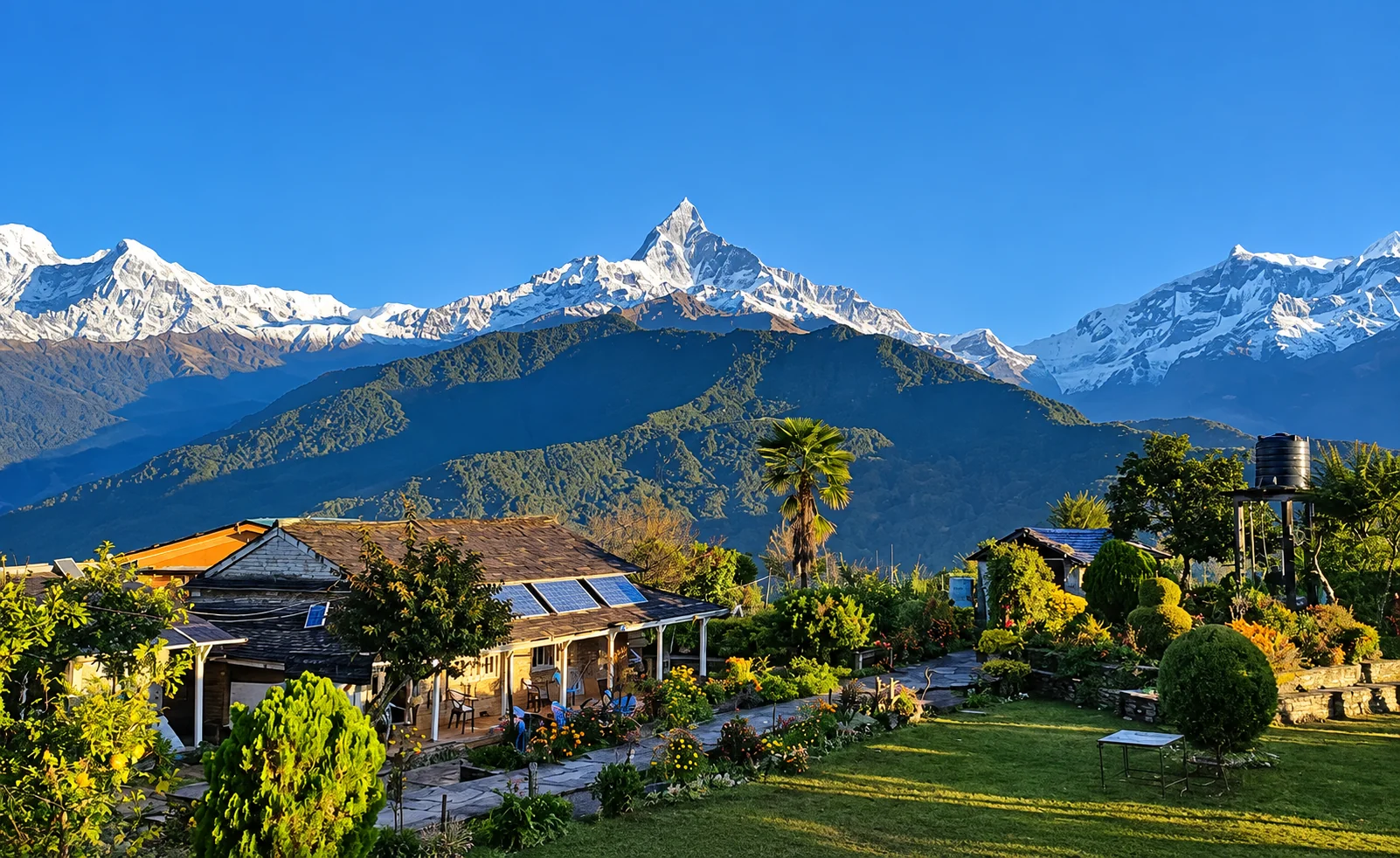
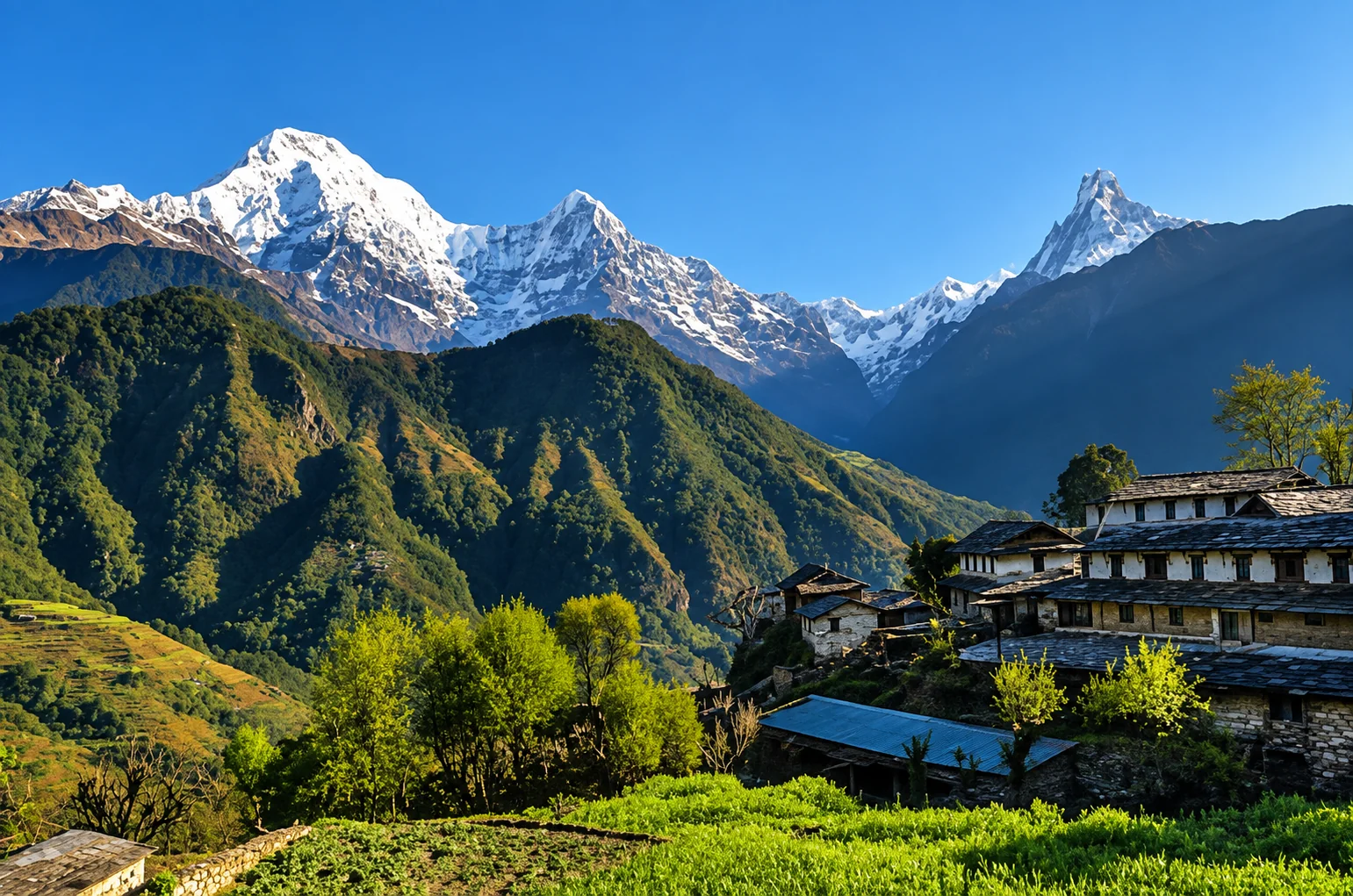
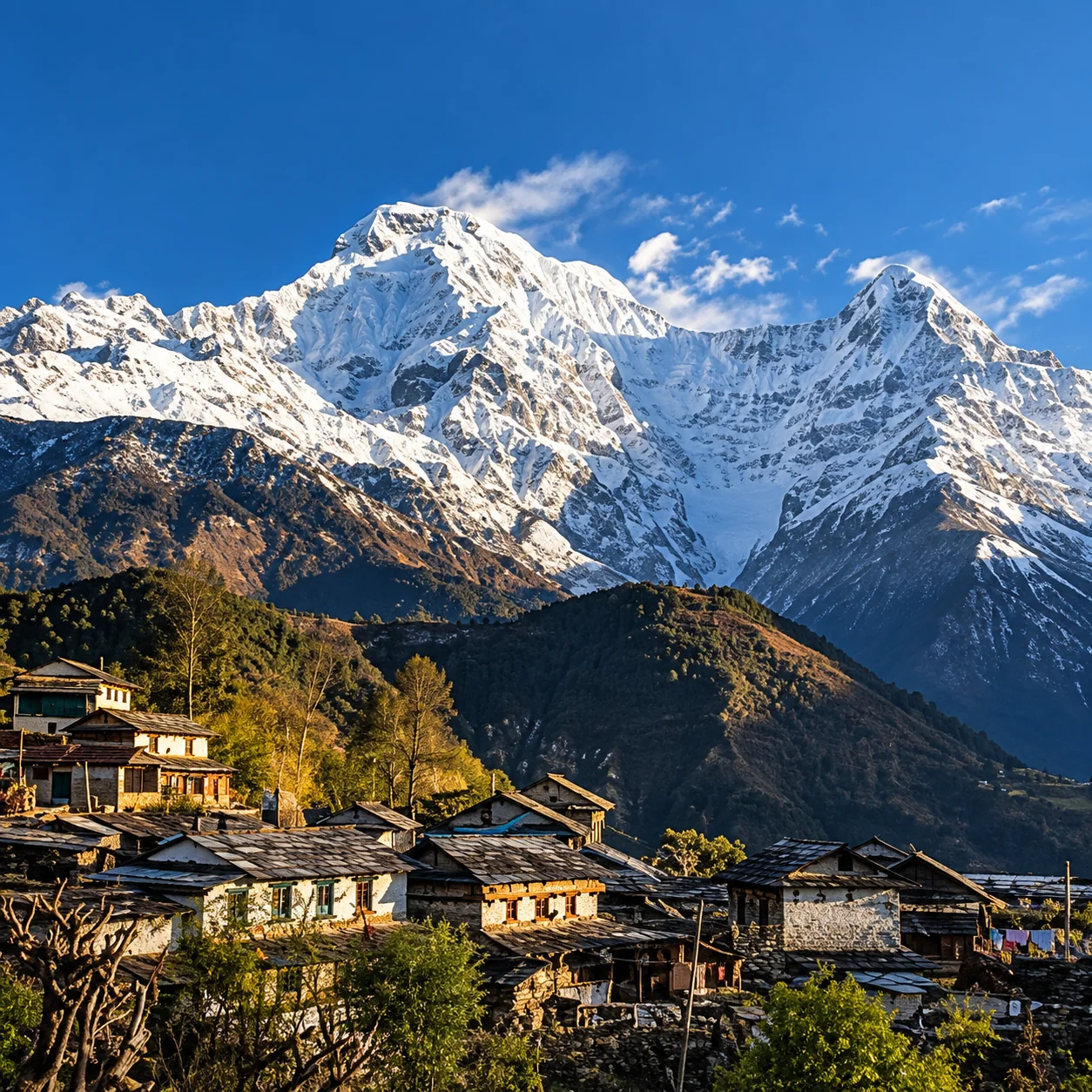
The Astam Village Himalayan Hike from Pokhara is a scenic journey into the peaceful foothills of the Annapurna region, offering a perfect blend of Himalayan views, traditional villages, lush forests, terraced farmland, and authentic local culture. The adventure begins with a scenic drive from Pokhara to Dhampus, a beautiful Gurung village known for its panoramic views of Annapurna South, Hiunchuli, Machhapuchhre (Fishtail), and surrounding peaks.
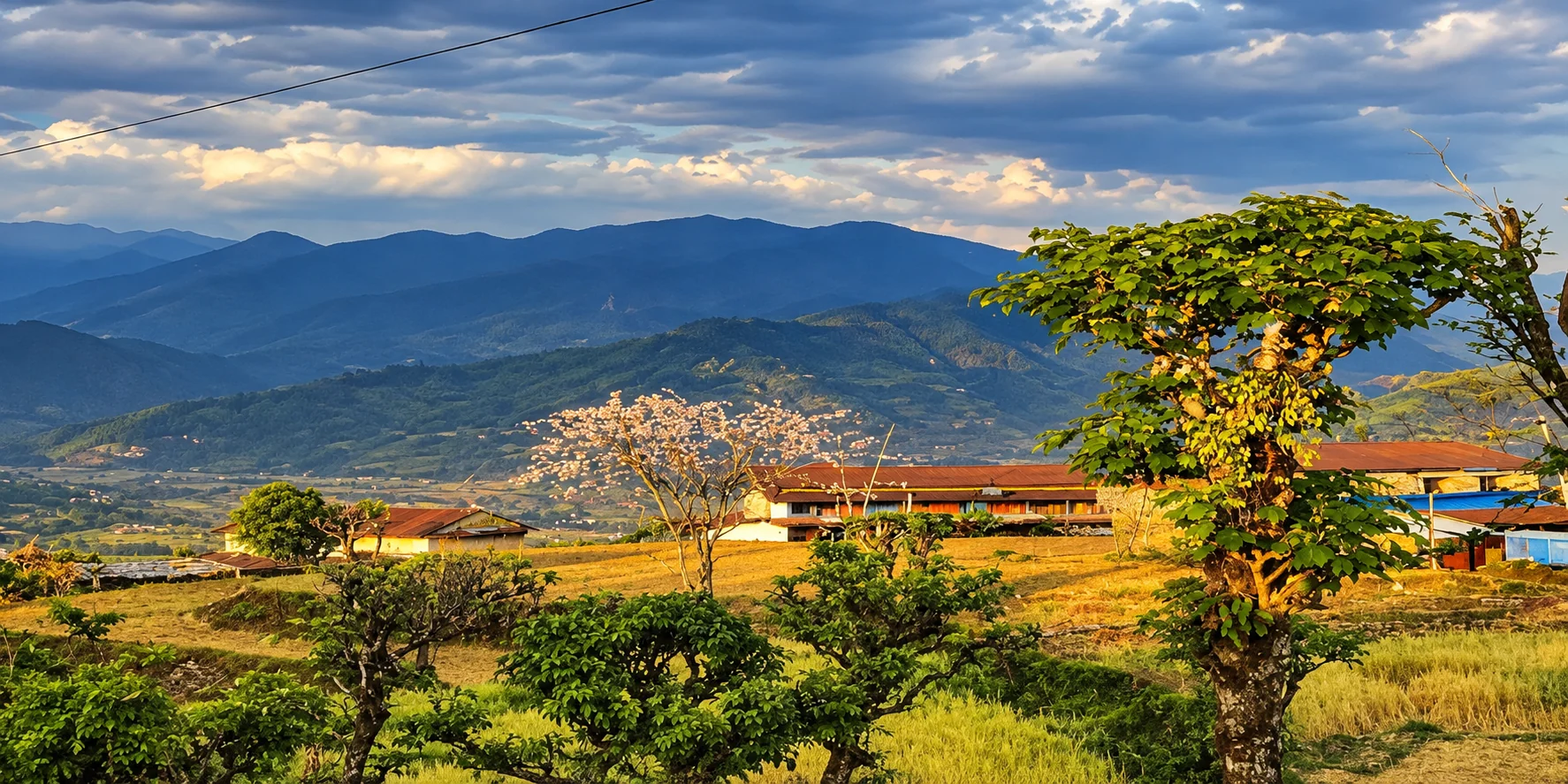
From Dhampus, the trail gradually winds through rhododendron and pine forests, stone pathways, terraced fields, and traditional settlements toward Astam Village. The peaceful trail allows you to experience the daily lifestyle of local communities, observe traditional farming practices, photograph beautiful mountain landscapes, and enjoy the fresh air and tranquility of the Himalayan foothills.
After experiencing the sunrise and peaceful atmosphere of Astam, begin the scenic hike from Astam Village to Hemja. This approximately 2.5 to 3-hour downhill walk passes through green forests, terraced farmland, small villages, and quiet countryside trails. Along the way, enjoy changing views of the surrounding valleys and hills, spot Himalayan birds, photograph rural landscapes, and interact with friendly locals as you gradually descend from the hillside village toward the lower agricultural areas.
Reaching Hemja marks the end of the hiking section, where your private vehicle will be ready to drive you back to Pokhara. From the peaceful village trails of Astam to the forests, farmlands, and traditional communities along the route to Hemja, this journey offers an authentic and refreshing experience of Nepal's natural beauty, Himalayan scenery, village culture, local hospitality, and rural way of life.
Key Highlights
- Scenic drive from Pokhara to Dhampus
- Panoramic views of Annapurna, Machhapuchhre (Fishtail), and Hiunchuli
- Beautiful hike through rhododendron and pine forests
- Walk through terraced farmland and traditional mountain villages
- Authentic Astam Village cultural experience
- Overnight stay in a local guesthouse or homestay
- Enjoy a spectacular Himalayan sunrise from Astam
- Explore peaceful village trails and scenic viewpoints
- Scenic Astam to Hemja downhill hike
- Experience local farming, village life, and warm hospitality
- Excellent opportunities for mountain photography and birdwatching
- Comfortable private transfer from Hemja back to Pokhara
Important Note: This itinerary can be customized according to your interests, preferences, and fitness level.
We can adjust the hiking route, activities, accommodation, and transportation as needed.
Feel free to contact us for a personalized itinerary.
Day-by-day itinerary
-
After breakfast at your hotel, meet your professional hiking guide and drive by private vehicle from Pokhara to Dhampus, enjoying the scenic countryside and mountain landscapes along the way. Upon reaching Dhampus, begin your hike through rhododendron and pine forests, terraced farmland, stone trails, and traditional settlements. Continue toward Astam while enjoying beautiful views of the surrounding hills and Annapurna and Machhapuchhre (Fishtail) ranges. After arriving at Astam, check into a local guesthouse or homestay, enjoy lunch, explore the peaceful village and nearby viewpoints, and experience the warm hospitality and traditional lifestyle of the local community.
Distance: Approx. 7–8 km hiking
Walking Time: Approx. 3–4 hours
Overnight: Local Guesthouse/Homestay in Astam
Meals: Lunch & Dinner -
Wake up early to enjoy a beautiful Himalayan sunrise from Astam, followed by breakfast and a relaxed morning walk around the village. After exploring the surrounding trails and enjoying the peaceful mountain atmosphere, begin the scenic descent toward Hemja. The trail passes through green forests, terraced fields, traditional houses, and small local settlements, offering excellent opportunities for photography, birdwatching, and cultural interaction. After reaching Hemja, meet your private vehicle and enjoy a comfortable drive back to Pokhara, concluding your Himalayan village adventure.
Distance: Approx. 7–8 km hiking
Walking Time: Approx. 3–4 hours
Overnight: —
Meals: Breakfast & Lunch
What's included
Included
- Special traditional welcome on arrival at international airport.
- Private transportation from Pokhara to Dhampus and Hemja to Pokhara
- Professional and Experienced Hiking Guide
- Breakfast, lunch, and dinner during the hiking journey
- 1-night accommodation in a local guesthouse/homestay in Astam Village
- Scenic Dhampus to Astam and Astam to Hemja hiking
- All Entrance fee at Sightseeing spot
- A Bottle of Water during the Tour
- Cultural Interaction with local Communities
- All local and Government Taxes
- 24/7 Emergency Support and Coordination by Organization
Not included
- All the Personal Expenses as Tip, Laundry, Beverages and Bar Bill etc.
- Accommodation, Meals, or Activities outside the Itinerary.
- Accommodation in Pokhara
- Personal Travel Insurance (Recommended to cover Emergencies)
- 10% Service Charge for Company.
- Fees charged by Banks for International Transcation
- Any Services or Costs not clearly listed under “Package Inclusions”
Dates & availability
There are no fixed group departures for this trip. We run it as a private trip on your preferred dates.
Route map
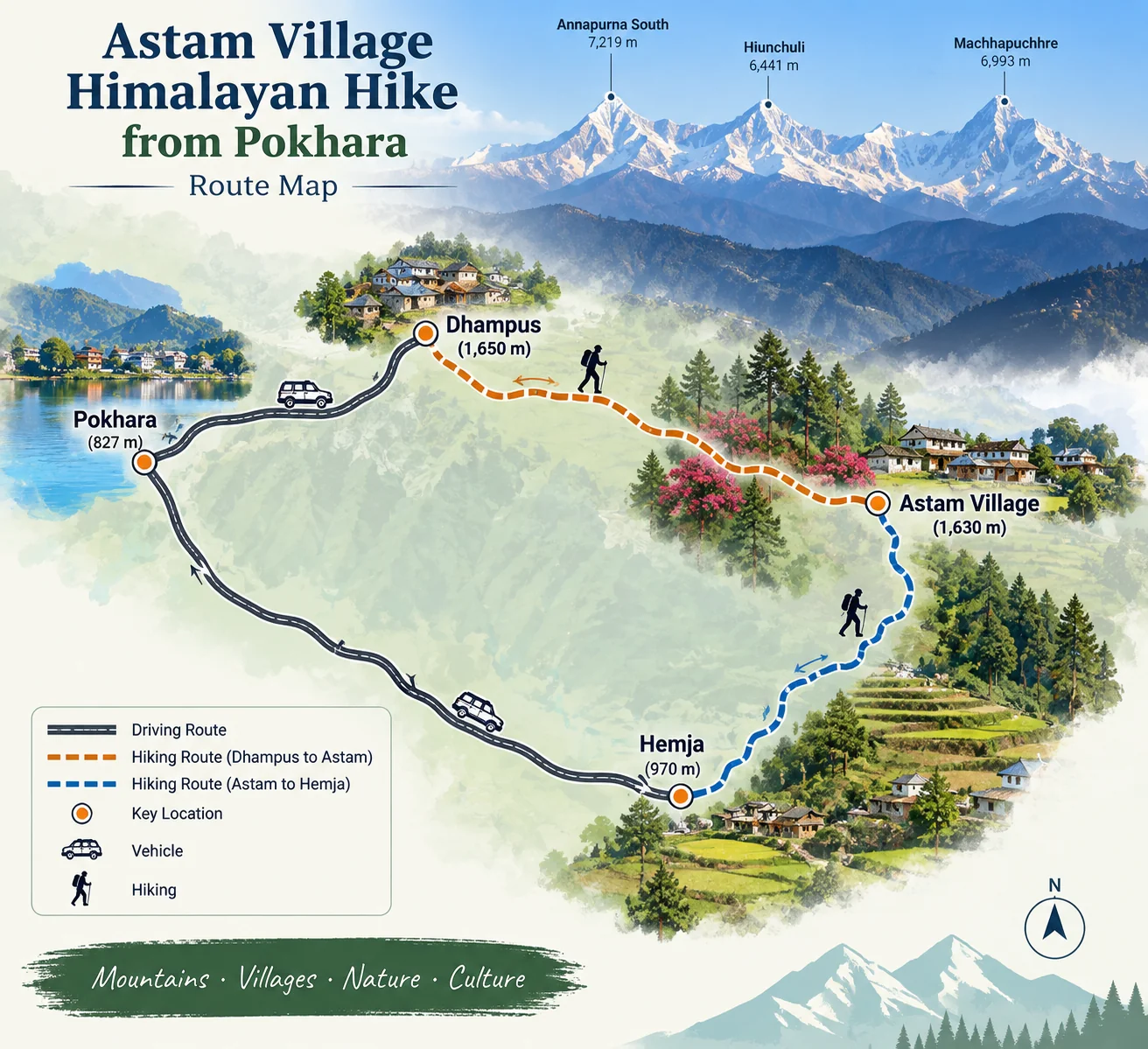 View full size
Packing list
| Category | Main Items |
|---|---|
| Footwear | Comfortable hiking shoes with good grip |
| Clothing | Hiking pants, T-shirts, fleece/warm jacket |
| Rain Protection | Rain jacket or poncho |
| Sun Protection | Sunglasses, sunscreen, hat/cap |
| Backpack | Comfortable 20–30 L daypack |
| Water | Reusable water bottle or hydration pack |
| Power & Electronics | Power bank, mobile phone, charging cable |
| Personal Items | Basic toiletries, hand sanitizer, small towel |
| First Aid | Basic first-aid kit and personal medicines |
| Walking Support | Trekking poles |
| Other Essentials | Headlamp/torch, snacks, camera |
Frequently asked questions
Where is Astam Village located?
Astam Village is a peaceful hilltop settlement in Machhapuchhre Rural Municipality, Kaski District, Gandaki Province, near Pokhara. It is known for its Himalayan views, traditional village setting, and peaceful countryside atmosphere.
How do I reach Astam Village from Pokhara?
For this itinerary, you travel by private vehicle from Pokhara to Dhampus and then hike from Dhampus to Astam Village through forests, terraced fields, and traditional settlements.
What is the hiking route from Dhampus to Astam Village?
The hiking route follows scenic village and forest trails from Dhampus to Astam, passing through terraced farmland, local settlements, and beautiful Himalayan viewpoints.
How long does it take to hike from Dhampus to Astam Village?
The hike from Dhampus to Astam Village takes approximately 2.5 to 3 hours, depending on walking pace, trail conditions, and stops along the way.
What can I see during the Dhampus to Astam hike?
You can enjoy rhododendron and pine forests, terraced farmland, traditional villages, local farming activities, and views of the Annapurna and Machhapuchhre ranges.
What is Astam Village famous for?
Astam is known for its peaceful village environment, panoramic Himalayan scenery, traditional lifestyle, local hospitality, and homestay experience.
Can I see the Annapurna and Machhapuchhre mountains from Astam?
Yes. On clear days, Astam offers impressive views of the Annapurna range, Annapurna South, Machhapuchhre (Fishtail), and surrounding Himalayan peaks.
What is the best thing to do in Astam Village?
Enjoy the mountain views, explore the village, walk through nearby farmland and trails, interact with local residents, experience traditional food, and enjoy the peaceful atmosphere of rural Nepal.
Where can I stay overnight in Astam Village?
You can stay at a local guesthouse, homestay, or eco-style accommodation in and around Astam Village, depending on availability.
Can I experience local food in Astam Village?
Yes. The village stay provides an opportunity to enjoy traditional Nepali home-cooked meals and experience local hospitality.
Is there a sunrise view from Astam Village?
Yes. Early morning is an excellent time to enjoy sunrise over the surrounding hills and Himalayan peaks, weather permitting.
What is the Astam Village to Hemja hiking route like?
The route from Astam Village to Hemja is mainly a downhill walk through forests, terraced farmland, local settlements, and peaceful countryside trails before reaching Hemja.
How long does it take to hike from Astam Village to Hemja?
For this itinerary, allow approximately 2.5 to 3 hours for the Astam to Hemja section, including comfortable walking and short stops.
What can I see on the Astam to Hemja hike?
You can see green forests, terraced fields, traditional homes, local farms, village communities, and views across the surrounding hills and valleys.
Is the Astam to Hemja hike suitable for beginners?
Yes, the route can be suitable for travelers with a reasonable level of fitness. The trail involves both uphill and downhill sections, so comfortable hiking shoes and steady walking ability are recommended.
What should I bring for the Astam Village hike?
Bring comfortable hiking shoes, a daypack, drinking water, sun protection, a rain jacket, warm clothing, personal medicines, a mobile phone, and a power bank.
What is the best season for the Dhampus, Astam and Hemja hike?
The best seasons are generally spring from March to May and autumn from September to November, when the weather is usually favorable and mountain visibility is often better.
How far is Astam Village from Pokhara?
Astam Village is located approximately 25 to 30 km northwest of Pokhara, depending on the route taken. The journey combines a scenic drive to Dhampus with a beautiful hike to Astam.
What is the elevation of Astam Village?
Astam Village sits at approximately 1,500 meters (4,920 feet) above sea level, making it a comfortable destination for a short Himalayan village hike.
What is the highest point reached during the Astam Village hike?
The highest point on the route is around 1,650 meters (5,413 feet) at Dhampus, before descending toward Astam and later Hemja.
How difficult is the Astam Village Himalayan Hike?
The hike is generally considered easy, with manageable village trails and gradual sections. A basic level of fitness and comfortable walking ability is recommended.
Is a guide required for the Astam Village hike?
A guide is not necessarily required for every section of the route, but traveling with a professional and experienced hiking guide provides better navigation, local knowledge, cultural insight, and assistance throughout the journey.
Is Astam Village suitable for families?
Yes. Astam is a good option for families, couples, first-time hikers, and travelers looking for a short and relaxed Himalayan experience, provided everyone is comfortable walking for several hours.
Can I stay overnight in a homestay in Astam Village?
Yes. Staying in a local homestay or guesthouse is one of the highlights of visiting Astam, allowing travelers to experience local hospitality, food, culture, and village life.
Can I see sunrise and sunset from Astam Village?
Yes. Astam offers excellent opportunities to enjoy Himalayan sunrise and sunset views, particularly from open viewpoints around the village, depending on weather and visibility.
What type of trail can I expect between Astam Village and Hemja?
The trail from Astam to Hemja is mainly a scenic downhill route through forests, terraced farmland, village paths, and local settlements, making it a pleasant continuation of the hiking experience.
Do I need trekking permits for the Astam Village hike?
Permit requirements can depend on the exact route and current local regulations. If an Annapurna Conservation Area entry fee or other applicable requirement applies to your selected route, it will be arranged according to the current regulations.
Can Khushi Travels and Consulting Group arrange a private Astam Village hiking trip?
Yes. Khushi Travels and Consulting Group can arrange a private Astam Village hiking experience from Pokhara and customize the route, services, accommodation, meals, and transportation according to your requirements.
More details
 Accommodation Types in Astam Village
Astam Village offers simple and comfortable accommodation that allows visitors to experience the peaceful atmosphere and authentic lifestyle of a Himalayan village. Most accommodation options are locally operated guesthouses and homestays, providing basic facilities, traditional meals, and warm Nepalese hospitality.
Local Guesthouse
Local guesthouses in Astam provide a comfortable place to rest after the hike. Rooms are generally simple and may include beds, blankets, basic furniture, and shared bathroom facilities. Staying in a local guesthouse also gives visitors an opportunity to interact with local families and learn about village life.
Village Homestay
Village homestays provide a more authentic cultural experience in Astam. Guests stay with local families and can enjoy homemade Nepali meals while experiencing the daily lifestyle, traditions, and hospitality of the community.
Family-Run Lodge
Family-run lodges offer basic accommodation combined with personalized local service. These small properties are suitable for travelers who prefer a quiet and friendly environment away from busy tourist areas.
Eco-Friendly Homestay
Some village accommodations emphasize a simple and environmentally conscious way of living. Guests can enjoy the natural surroundings while experiencing traditional village practices and locally prepared food.
Basic Private Room
Private rooms may be available depending on the accommodation. Facilities are generally basic rather than luxurious, making them suitable for travelers looking for a peaceful overnight stay and an authentic Himalayan village experience.
Accommodation Facilities in Astam Village
Accommodation facilities can vary depending on the guesthouse or homestay. Common facilities may include:
- Comfortable beds with blankets
- Private or shared rooms
- Shared bathroom facilities
- Hot water availability at selected accommodations
- Dining area
- Traditional Nepali meals
- Electricity and basic charging facilities
- Local hospitality and cultural interaction
- Peaceful village surroundings
- Basic Wi-Fi availability at selected properties
What to Expect from Astam Village Accommodation
Travelers should expect simple, clean, and locally managed accommodation rather than luxury hotels. The main purpose of staying overnight in Astam is to enjoy the peaceful village environment, mountain scenery, local food, and authentic community experience.
Accommodation availability can vary by season, so advance booking is recommended, especially during the popular spring and autumn hiking seasons.
 What to Expect from the Astam Village Himalayan Hike
The Astam Village Himalayan Hike offers a peaceful journey through the scenic foothills of the Annapurna region, combining beautiful mountain landscapes, forest trails, terraced farmland, and authentic village experiences. This short hiking experience is ideal for travelers who want to enjoy the Himalayan environment without committing to a long or demanding trek.
Scenic Drive from Pokhara to Dhampus
The journey begins with a private drive from Pokhara to Dhampus, taking approximately 1 to 1.5 hours. The drive gradually leaves the urban area behind and reaches the beautiful hillside settlement of Dhampus, where the hiking section begins.
Hiking Through Forests and Terraced Fields
From Dhampus, the trail continues toward Astam Village through peaceful forests, stone paths, terraced farmland, and traditional settlements. The route provides opportunities to enjoy fresh mountain air, natural scenery, and views of the surrounding Himalayan landscape.
Himalayan Mountain Views
During clear weather, hikers can enjoy impressive views of the Annapurna range and Machhapuchhre (Fishtail) along different sections of the route. The changing landscape makes the hike particularly enjoyable for nature lovers and photographers.
Authentic Village Experience
Astam provides an opportunity to experience traditional rural life in Nepal. Travelers can interact with local residents, observe village activities, explore traditional surroundings, and experience the warm hospitality of local families.
Local Food and Overnight Stay
An overnight stay in a local guesthouse or homestay allows travelers to enjoy freshly prepared traditional Nepali food and experience the peaceful atmosphere of the village after the day's hike.
Sunrise and Morning Exploration
The second day begins with the opportunity to enjoy the peaceful morning atmosphere and sunrise views from Astam. After breakfast, the hike continues toward Hemja, passing through forests, farmland, and local settlements before returning to Pokhara by private vehicle.
Suitable for a Short Himalayan Escape
The Astam Village Himalayan Hike is well suited for travelers looking for a short, scenic, and culturally immersive hiking experience near Pokhara. It combines nature, Himalayan scenery, village culture, local food, and moderate daily walking within just two days.
 Best Time / Season to Visit Astam Village
The Astam Village Himalayan Hike can be enjoyed throughout much of the year, but the experience is generally best during the spring and autumn seasons. Weather, trail conditions, mountain visibility, and rainfall can significantly affect the hiking experience.
Spring Season: March to May
Spring is one of the best seasons for the Astam Village hike. The weather is generally pleasant, with comfortable temperatures for walking and good opportunities to enjoy clear Himalayan views.
The surrounding hills become greener, and seasonal flowers add color to the forests and countryside. This season is particularly suitable for travelers interested in nature, photography, village walks, and mountain scenery.
Autumn Season: September to November
Autumn is another excellent season for the Astam Village Himalayan Hike. After the monsoon, the landscape is fresh and green, while the skies often become clearer, providing better visibility of the surrounding mountains.
The comfortable daytime temperatures and relatively stable weather make autumn ideal for walking through Dhampus, Astam, forests, terraced fields, and local settlements.
Winter Season: December to February
Winter offers cool and generally dry conditions, making the hike possible for travelers who enjoy quieter trails and peaceful village surroundings.
Morning and evening temperatures can be cold, so warm clothing is important. On clear days, winter can also provide beautiful mountain views and crisp Himalayan scenery.
Monsoon Season: June to August
The monsoon season brings frequent rainfall to the Pokhara region. Trails can become wet, muddy, and slippery, while clouds and rain may reduce mountain visibility.
The hike is still possible with suitable preparation, but travelers should be prepared for changing weather and potentially difficult trail conditions.
Best Months for the Astam Village Hike
For the most favorable overall hiking conditions, March to May and September to November are generally the preferred months. These periods offer a good combination of comfortable walking conditions, pleasant landscapes, and opportunities for Himalayan views.
Best Time of Day to Start the Hike
Starting the hiking portion in the morning is recommended. An early start provides cooler walking conditions, more daylight for exploring the trail, and better flexibility for enjoying the scenery and reaching Astam comfortably.
 Nearby Places to Explore Around Astam Village
The Astam Village Himalayan Hike offers much more than a short walk through the hills. The area around Astam is surrounded by beautiful Himalayan landscapes, traditional villages, terraced farmland, forests, and scenic viewpoints. If you have extra time before or after your hike, exploring these nearby attractions can make your Himalayan experience even more memorable.
Popular Places to Explore
| Destination | Highlights |
|---|---|
| Dhampus | Traditional Village & Himalayan Mountain Views |
| Astam Village | Peaceful Himalayan Village & Local Lifestyle |
| Hemja | Scenic Countryside & Traditional Settlements |
| Australian Camp | Panoramic Annapurna Mountain Views |
| Kande | Popular Hiking Starting Point |
| Phedi | Gateway to Dhampus and Annapurna Foothills |
| Annapurna Foothills | Forests, Terraced Fields & Mountain Scenery |
| Machhapuchhre Viewpoints | Beautiful Views of Machhapuchhre |
| Pokhara | Lakeside City & Gateway to Himalayan Adventures |
Dhampus
Dhampus is the starting point of the Astam Village Himalayan Hike and a beautiful mountain village in the Annapurna foothills.
Highlights include:
- Panoramic Himalayan mountain views
- Traditional village surroundings
- Terraced farmland
- Scenic hiking trails
- Beautiful photography opportunities
Astam Village
Astam Village is the main destination of the hike and offers a peaceful environment surrounded by green hills, farmland, forests, and Himalayan scenery.
Things to enjoy:
- Traditional village lifestyle
- Local hospitality
- Homemade Nepali food
- Peaceful mountain surroundings
- Sunrise and photography opportunities
Hemja
Hemja is the ending point of the hiking route on the second day. The trail from Astam to Hemja passes through forests, farmland, and traditional local settlements.
Highlights include:
- Scenic countryside
- Forest walking trails
- Terraced agricultural fields
- Local village life
- Easy access back to Pokhara
Australian Camp
Australian Camp is a popular destination in the wider Annapurna foothills and is known for its beautiful mountain scenery.
Why visit?
- Panoramic Himalayan views
- Peaceful natural surroundings
- Beautiful sunrise and sunset views
- Excellent photography opportunities
- Popular short hiking destination
Kande
Kande is a well-known access point for hiking routes in the Annapurna foothills and is located near the Dhampus area.
Visitors can experience:
- Scenic mountain landscapes
- Rural countryside
- Forest trails
- Terraced farmland
- Access to nearby hiking routes
Phedi
Phedi is another important access point for exploring the hills around Dhampus and the Annapurna foothills.
Highlights include:
- Traditional rural surroundings
- Green hills and farmland
- Hiking route connections
- Local settlements
- Scenic countryside views
Annapurna Foothills
The wider Annapurna foothills around Astam provide opportunities to experience the natural beauty of Nepal without undertaking a long Himalayan trek.
Visitors can enjoy:
- Forests and natural landscapes
- Terraced agricultural fields
- Traditional villages
- Himalayan mountain views
- Peaceful walking trails
Machhapuchhre Viewpoints
The hills around Dhampus and Astam provide opportunities to see Machhapuchhre (Fishtail) along with other mountains of the Annapurna range when weather conditions are clear.
Highlights include:
- Views of Machhapuchhre
- Annapurna mountain scenery
- Sunrise and sunset photography
- Scenic Himalayan landscapes
- Peaceful viewpoints
Pokhara
Pokhara is the main gateway for the Astam Village Himalayan Hike and the starting and ending city for this two-day experience.
Things to enjoy:
- Scenic mountain surroundings
- Lakeside atmosphere
- Local restaurants and cafés
- Adventure activities
- Access to nearby Himalayan destinations
Adventure & Cultural Experiences
Besides hiking, visitors can also enjoy:
- Himalayan mountain photography
- Village walks
- Local cultural experiences
- Traditional Nepali cuisine
- Sunrise and sunset viewing
- Interaction with local communities
- Exploring forests and terraced farmland
Why Extend Your Trip?
Adding extra time around the Astam Village area allows you to explore traditional Himalayan villages, discover scenic viewpoints, experience local culture, and enjoy the natural beauty of the Annapurna foothills beyond the main hiking route. Whether you choose to explore Dhampus, Australian Camp, Kande, Phedi, or the surrounding villages, these nearby attractions can make your Astam Village adventure even more memorable.
 Foods Available During the Astam Village Hike
The Astam Village Himalayan Hike offers travelers an opportunity to enjoy fresh, simple, and traditionally prepared Nepali food in a peaceful village environment. Meals are generally prepared by local guesthouses and homestays using locally available ingredients. While food choices are more limited than in major tourist areas, hikers can enjoy nutritious and satisfying meals before and after exploring the trails around Dhampus, Astam, and Hemja.
Breakfast Options
Start your hiking day with a filling breakfast to provide enough energy for walking through forests, terraced fields, and village trails.
Common breakfast choices may include:
- Porridge
- Tibetan Bread
- Chapati
- Pancakes
- French Toast
- Toast with Jam or Honey
- Muesli with Milk
- Omelets and Boiled Eggs
- Boiled Eggs
- Potatoes
- Tea or Coffee
- Fresh Seasonal Fruits, where available
Lunch & Dinner Options
Local guesthouses and homestays generally provide freshly prepared meals using seasonal and locally available ingredients.
Popular dishes may include:
- Nepali Dal Bhat
- Steamed Rice
- Lentil Soup
- Seasonal Vegetable Curry
- Vegetable Fried Rice
- Chowmein
- Fried Noodles
- Momos
- Pasta
- Roti or Chapati
- Potato Dishes
- Thukpa
- Seasonal Vegetable Soup
- Homemade Pickles
- Fresh Local Vegetables
Drinks Available
Staying hydrated is important during the Astam Village hike, particularly while walking during warmer parts of the day.
Available drinks may include:
- Black Tea
- Milk Tea
- Ginger Tea
- Lemon Tea
- Lemon Honey Tea
- Masala Tea
- Coffee
- Hot Chocolate
- Bottled Water
- Boiled Drinking Water
- Filtered Water
Local Foods to Try
The Astam Village hike is a good opportunity to experience traditional Nepali food prepared in a local village setting.
Recommended local dishes include:
- Dal Bhat
- Seasonal Vegetable Curry
- Gundruk
- Aloo Tama
- Roti
- Sel Roti
- Momos
- Thukpa
- Homemade Pickles
- Local Dairy Products, where available
Food Safety Tips
Following basic food and drinking-water precautions can help you remain comfortable and healthy throughout the hike.
- Eat freshly cooked meals whenever possible.
- Drink boiled, filtered, or bottled water.
- Avoid drinking untreated water directly from natural sources.
- Wash or sanitize your hands before eating.
- Stay hydrated throughout the hiking day.
- Carry personal snacks for additional energy during the trail.
- Inform your guide or accommodation provider about food allergies.
- Mention vegetarian, vegan, or other dietary requirements in advance.
- Avoid excessive alcohol consumption during the hiking experience.
Vegetarian & Vegan Options
Vegetarian food is generally easy to arrange in village accommodations, particularly because traditional Nepali meals commonly include rice, lentils, vegetables, and pickles. Vegan meals can also be requested, although travelers should inform the accommodation provider in advance.
Common choices include:
- Vegetable Dal Bhat
- Vegetable Curry
- Fried Rice
- Vegetable Noodles
- Potato Dishes
- Vegetable Soup
- Porridge
- Chapati
- Roti
- Seasonal Vegetables
- Fresh Fruits, where available
Dining Experience
Meals during the Astam Village hike are usually enjoyed in a local guesthouse or homestay, providing a more personal dining experience than a standard hotel. Travelers can enjoy freshly prepared Nepali dishes while experiencing the peaceful atmosphere of the village and interacting with local families.
An overnight stay in Astam also gives visitors the opportunity to experience traditional village hospitality and learn more about local food preparation and everyday life. Depending on the accommodation, meals may be served in a simple dining area or family dining space.
Traditional Nepali Food Experience
One of the highlights of staying overnight in Astam is experiencing home-style Nepali cooking. Local families may prepare meals using seasonal vegetables, locally sourced ingredients, homemade pickles, and traditional cooking methods.
The food experience can vary depending on the season, accommodation, and availability of local ingredients, making each village stay slightly different.
Food for Hiking Energy
Eating properly is important for maintaining energy during the walking sections from Dhampus to Astam and Astam to Hemja. A balanced breakfast before hiking, a nutritious lunch, regular hydration, and light snacks can help maintain energy throughout the day.
Good options for carrying during the hike include:
- Energy bars
- Dry fruits
- Nuts
- Chocolate
- Biscuits
- Fresh fruits
- Trail snacks
- Electrolyte drinks or hydration supplements
Why Food Matters on the Astam Village Hike
Food is an important part of the overall Astam Village experience. Enjoying traditional meals, local ingredients, and warm village hospitality allows travelers to experience more than just the hiking trail.
Whether you are enjoying a traditional Dal Bhat, tasting homemade Gundruk, sharing momos with local hosts, or relaxing with a hot cup of tea after a day of walking, the local food experience adds an authentic cultural element to the Astam Village Himalayan Hike.
 Culture and Local Lifestyle of Astam Village
Astam Village offers travelers an opportunity to experience the traditional rural lifestyle and cultural heritage of the Himalayan foothills of Nepal. The village is surrounded by terraced farmland, forests, traditional homes, and beautiful mountain landscapes. Spending a night in Astam allows visitors to experience local hospitality, food, customs, and everyday village life while enjoying a peaceful environment away from busy tourist areas.
Traditional Village Lifestyle
Life in Astam Village is closely connected with agriculture, family, community, and the surrounding natural environment. Many local activities are influenced by the seasons and farming cycles.
Visitors may observe:
- Traditional farming practices
- Terraced agricultural fields
- Livestock farming
- Local household activities
- Traditional village homes
- Community-based lifestyle
- Daily activities of local families
Local Hospitality
Warm hospitality is an important part of the village experience. Travelers staying in local guesthouses or homestays can interact with local families and learn about their way of life.
Visitors can experience:
- Friendly local hosts
- Traditional home-style meals
- Conversations with local residents
- Local customs and traditions
- Authentic village atmosphere
- Family-run accommodation
Traditional Food and Cooking
Food is an important part of experiencing local culture in Astam. Local families may prepare traditional Nepali dishes using seasonal vegetables and locally available ingredients.
Popular foods may include:
- Dal Bhat
- Seasonal vegetable curry
- Gundruk
- Aloo Tama
- Roti
- Sel Roti
- Homemade pickles
- Momos
- Thukpa
- Local tea
Agriculture and Farming
Terraced farming is an important part of rural life around Astam Village. The surrounding hills are shaped by agricultural terraces where local communities cultivate seasonal crops.
Travelers may see:
- Terraced farmland
- Seasonal crops
- Vegetable gardens
- Livestock
- Farmers working in the fields
- Traditional agricultural practices
Village Architecture
Astam and the surrounding settlements feature traditional rural architecture that reflects the local environment and lifestyle. Simple homes, stone paths, farmland, and village courtyards create an authentic countryside atmosphere.
Highlights include:
- Traditional village houses
- Stone pathways
- Terraced fields
- Village courtyards
- Rural landscapes
- Mountain backdrops
Local Festivals and Traditions
Local communities in the Astam area celebrate various Nepali festivals and cultural occasions throughout the year. The exact celebrations and traditions can vary according to the community and time of visit.
Travelers visiting during local festivals may have an opportunity to observe:
- Traditional celebrations
- Religious and cultural practices
- Community gatherings
- Traditional food
- Local music and festivities
Respect for Local Culture
Visitors should respect local customs, traditions, homes, and religious practices while exploring Astam Village. Simple and respectful behavior helps create a positive experience for both travelers and local communities.
Travelers are encouraged to:
- Ask permission before photographing local people.
- Dress respectfully when visiting local or religious places.
- Respect private homes and farmland.
- Avoid disturbing local activities.
- Follow the guidance of local hosts and guides.
- Keep the village and natural surroundings clean.
Cultural Experiences During the Hike
The hiking route from Dhampus to Astam and from Astam to Hemja provides opportunities to observe rural landscapes and local communities along the way. Walking through forests, terraced fields, and settlements allows travelers to experience the natural and cultural character of the area.
Why Experience Astam Village Culture?
Experiencing the culture and local lifestyle of Astam makes the hike more meaningful than simply visiting a viewpoint. Staying overnight, enjoying local food, meeting village residents, and observing traditional rural life provide an authentic introduction to Nepal's Himalayan village culture.
Whether you are exploring terraced farmland, sharing a meal with a local family, or enjoying a peaceful evening in a village homestay, the cultural experience becomes an important part of the Astam Village Himalayan Hike.
 Safety and Security on the Astam Village Himalayan Hike
The Astam Village Himalayan Hike is a relatively short hiking experience through established village trails, forests, terraced farmland, and local settlements. Although the route does not involve extreme high-altitude trekking, following basic hiking and travel safety practices is important for a comfortable and enjoyable journey.
Follow Your Hiking Guide
Traveling with a Professional and Experienced Hiking Guide can make the hike more comfortable and organized. Your guide can help with navigation, trail conditions, local information, and communication with accommodation providers.
Important practices include:
- Follow the recommended hiking route.
- Stay with your group and guide.
- Follow local trail instructions.
- Inform your guide if you feel tired or uncomfortable.
- Avoid leaving the designated route without informing your guide.
Check Weather Conditions
Weather can change quickly in the Himalayan foothills, particularly during the monsoon season. Rain can make sections of the trail wet and slippery.
Before starting the hike:
- Check the weather forecast.
- Carry a lightweight rain jacket.
- Protect electronic equipment from rain.
- Wear suitable hiking footwear.
- Allow additional time if trail conditions are difficult.
Stay Hydrated
Walking for several hours requires regular hydration. Carry sufficient drinking water and refill only from a safe and reliable source.
Recommended practices include:
- Carry a reusable water bottle.
- Drink water regularly throughout the hike.
- Use boiled, filtered, or bottled water.
- Carry electrolytes if needed.
- Avoid waiting until you feel very thirsty to drink.
Wear Proper Hiking Gear
Appropriate clothing and footwear can significantly improve safety and comfort on the trail.
Essential items include:
- Comfortable hiking shoes
- Lightweight and breathable clothing
- Warm layer for cooler conditions
- Rain jacket or poncho
- Sun hat or cap
- Sunglasses
- Sunscreen
- Small daypack
- Personal first-aid supplies
Be Careful on Forest and Sloped Trails
Some sections between Dhampus, Astam, and Hemja pass through forests, farmland, and uneven terrain. Travelers should walk carefully, particularly on wet or steep sections.
For a safer hike:
- Watch your footing on uneven paths.
- Avoid rushing downhill.
- Use extra care on wet and muddy trails.
- Keep a comfortable walking pace.
- Take breaks when necessary.
Protect Yourself from the Sun
Even at moderate elevations, prolonged exposure to sunlight can cause sunburn and discomfort.
Travelers should:
- Apply sunscreen regularly.
- Wear sunglasses.
- Use a hat or cap.
- Cover exposed skin when appropriate.
- Drink enough water during the day.
Food and Drinking Water Safety
Eating freshly prepared food and drinking safe water can help prevent stomach problems during the hike.
- Prefer freshly cooked meals.
- Drink boiled, filtered, or bottled water.
- Avoid untreated natural water.
- Wash or sanitize your hands before meals.
- Inform your accommodation about food allergies or dietary requirements.
Keep Emergency Contacts Available
Carry important contact information during the hike. Your guide or travel company can assist with communication and arrangements if an unexpected situation occurs.
It is also useful to carry:
- Mobile phone
- Power bank
- Emergency contact details
- Travel insurance information
- Identification documents
- Basic first-aid supplies
Travel Insurance
Travel insurance is recommended for hiking activities in Nepal. Travelers should check that their insurance policy covers hiking or trekking activities and any relevant emergency assistance.
Respect Local Communities
Safety also involves respecting the local environment and communities along the trail.
Travelers should:
- Ask permission before photographing local people.
- Respect private homes and farmland.
- Follow local customs.
- Avoid disturbing livestock.
- Keep the trail and village surroundings clean.
- Dispose of waste responsibly.
What to Do in Case of an Emergency
If an unexpected problem occurs, remain calm and inform your guide immediately. Avoid continuing the hike if you are injured, seriously unwell, or unable to walk safely.
Your guide can help assess the situation and coordinate appropriate assistance or transportation when necessary.
Why Safety Matters on the Astam Village Hike
Although the Astam Village Himalayan Hike is suitable for many travelers with a reasonable level of fitness, responsible preparation is important for enjoying the route safely. Checking the weather, wearing appropriate footwear, carrying enough water, staying with your guide, and respecting local conditions can help make your journey from Dhampus to Astam and Astam to Hemja safe, comfortable, and memorable.
 Transportation Facilities for the Astam Village Himalayan Hike
The Astam Village Himalayan Hike combines private road transportation with scenic walking trails through the Annapurna foothills. The journey starts with a private vehicle from Pokhara to Dhampus, followed by a hike to Astam Village. On the second day, travelers hike from Astam to Hemja and then return to Pokhara by private vehicle.
Private Transportation
Private transportation is arranged for the road sections of the itinerary, providing a convenient and comfortable journey between Pokhara and the hiking trailheads.
Transportation includes:
- Private vehicle from Pokhara to Dhampus
- Private vehicle from Hemja to Pokhara
- Comfortable road transportation
- Flexible departure arrangements
- Direct transportation for the scheduled route
Pokhara to Dhampus Drive
The journey begins with a scenic drive from Pokhara to Dhampus, taking approximately 1 to 1.5 hours, depending on road and traffic conditions.
During the drive, travelers can enjoy:
- Scenic countryside views
- Green hills
- Terraced farmland
- Rural settlements
- Mountain landscapes
- Views of the surrounding Annapurna foothills
Dhampus to Astam Hiking Route
After reaching Dhampus, the journey continues on foot toward Astam Village. There is no road transportation required for this section of the itinerary.
The hiking route passes through:
- Forest trails
- Terraced farmland
- Traditional settlements
- Stone pathways
- Rural countryside
- Scenic Himalayan landscapes
Transportation in Astam Village
Astam is primarily explored on foot during this hiking experience. Walking allows travelers to experience the village environment, local lifestyle, natural surroundings, and traditional settlements at a relaxed pace.
Astam to Hemja Hiking Route
On the second day, travelers continue from Astam Village to Hemja on foot. This section passes through forests, farmland, and local settlements before reaching Hemja.
Highlights include:
- Peaceful walking trails
- Forest surroundings
- Terraced agricultural land
- Local villages
- Countryside scenery
- Opportunities for photography
Hemja to Pokhara Drive
After completing the hike at Hemja, a private vehicle transfers travelers back to Pokhara. The drive generally takes around 30 to 40 minutes, depending on road conditions and traffic.
Road Conditions
Road conditions between Pokhara, Dhampus, and Hemja can vary depending on weather and seasonal conditions. During the monsoon season, rain may affect road surfaces and travel times.
Travelers should be prepared for:
- Winding hill roads
- Uneven road sections
- Seasonal road conditions
- Possible delays during heavy rainfall
- Changing travel times
Alternative Transportation Arrangements
Transportation arrangements can be adjusted depending on the traveler's preferences, group size, and itinerary requirements. Travelers who want a different pickup point, drop-off location, or additional transportation service can discuss their requirements in advance.
Transportation for a Private Hike
For a private Astam Village hiking experience, transportation can be arranged according to the group's schedule and requirements. This provides greater flexibility for departure times and makes the journey more convenient.
Why Choose Private Transportation?
Private transportation provides a comfortable and convenient way to connect the road sections of the Astam Village Himalayan Hike. It eliminates the need to arrange separate local transportation between Pokhara, Dhampus, and Hemja, allowing travelers to focus on enjoying the hiking experience and surrounding Himalayan scenery.
 Astam Village Hike Difficulty and Physical Fitness Required
The Astam Village Himalayan Hike is a relatively easy to moderate short hiking experience suitable for travelers who can comfortably walk for several hours on uneven and gently to moderately sloped trails. The route does not involve extreme altitude or technical climbing, making it a good option for travelers looking for a scenic Himalayan village experience near Pokhara.
Difficulty Level
The Astam Village Himalayan Hike is generally considered easy to moderate. The main challenge comes from continuous walking, uneven paths, forest trails, stone steps, and gradual uphill and downhill sections rather than high altitude.
The hike is suitable for:
- Beginners with basic fitness
- Regular walkers
- Families with active members
- Couples
- Solo travelers
- Nature and village enthusiasts
- Travelers looking for a short Himalayan hike
Daily Walking Requirement
The hiking itinerary involves approximately 3 to 4 hours of walking per day, depending on walking pace, trail conditions, breaks, and stops for photography or village exploration.
The main hiking sections are:
- Dhampus to Astam: Approximately 2.5 to 3 hours
- Astam to Hemja: Approximately 2.5 to 3 hours
Trail Conditions
The trail includes a mixture of natural and village paths. Some sections can be uneven, particularly after rainfall.
You may encounter:
- Forest trails
- Stone paths
- Dirt trails
- Terraced farmland
- Village pathways
- Gentle uphill sections
- Downhill sections
- Uneven and occasionally slippery surfaces
Physical Fitness Required
A high level of physical fitness is not required, but travelers should have enough stamina to walk continuously for several hours. Basic preparation before the hike can make the experience more comfortable.
It is helpful to:
- Walk regularly before the trip.
- Practice walking on gentle hills.
- Wear comfortable hiking shoes.
- Maintain a steady walking pace.
- Take short breaks when necessary.
- Stay hydrated throughout the hike.
Hiking for Beginners
The Astam Village hike is suitable for beginners who are comfortable with several hours of walking. The route provides opportunities to take breaks and enjoy the surrounding scenery, making it possible to complete the hike at a comfortable pace.
Beginners should avoid rushing and allow enough time for gradual walking, particularly on uphill and downhill sections.
Hiking for Families
Families with active children and adults can consider the Astam Village Himalayan Hike. However, parents should consider the child's age, walking ability, weather conditions, and trail surface before choosing the hike.
Hiking in Different Weather Conditions
Weather can influence the difficulty of the trail. During dry conditions, the paths are generally easier to walk, while rain can make dirt and stone sections wet or slippery.
During the monsoon season:
- Carry a rain jacket or poncho.
- Wear shoes with good traction.
- Walk carefully on slippery sections.
- Allow additional time for the hike.
- Follow your guide's advice about trail conditions.
Rest Breaks During the Hike
Regular short breaks can help maintain energy throughout the walking sections. The guide can recommend suitable places to rest depending on the trail conditions and the group's walking pace.
Breaks also provide opportunities to:
- Drink water
- Have snacks
- Take photographs
- Enjoy mountain views
- Observe local village life
What Makes the Hike Challenging?
Although the Astam Village Himalayan Hike is not technically difficult, several factors can affect the overall experience:
- Continuous walking for several hours
- Uneven village trails
- Uphill and downhill sections
- Wet or slippery trails during rainfall
- Weather changes
- Individual fitness level
- Walking pace
Why Choose the Astam Village Himalayan Hike?
The Astam Village Himalayan Hike offers a short and manageable introduction to Himalayan hiking without requiring the physical preparation associated with longer high-altitude treks. With a comfortable pace, suitable footwear, adequate hydration, and basic fitness, travelers can enjoy the forests, terraced fields, traditional villages, and Himalayan scenery along the route from Dhampus to Astam and Astam to Hemja.
 Astam Village Himalayan Hike Cost Breakdown
The cost of the Astam Village Himalayan Hike depends on the services included in the package, such as private transportation, accommodation, meals, guide services, and applicable entry fees. Because this is a short two-day hiking experience from Pokhara, the overall cost is generally more manageable than longer Himalayan trekking packages.
Main Cost Components
| Cost Component | Details |
|---|---|
| Private Transportation | Pokhara to Dhampus and Hemja to Pokhara |
| Hiking Guide | Professional and Experienced Hiking Guide |
| Accommodation | One Night in Local Guesthouse or Homestay in Astam |
| Meals | Breakfast, Lunch & Dinner as Included in the Itinerary |
| Entry Fees | Annapurna Conservation Area Entry Fee, if applicable |
| Drinking Water | Personal drinking water expenses |
| Personal Expenses | Snacks, beverages and other personal purchases |
Private Transportation Cost
Private transportation is one of the main components of the package cost. The itinerary includes transportation from Pokhara to Dhampus and from Hemja to Pokhara.
Transportation costs can vary depending on:
- Vehicle type
- Number of travelers
- Travel season
- Pickup and drop-off requirements
- Additional transportation requests
Professional Hiking Guide Cost
The package can include a Professional and Experienced Hiking Guide throughout the hiking experience. The guide assists with route navigation, hiking pace, local information, and coordination during the journey.
Guide costs may vary according to:
- Group size
- Trip duration
- Additional guide requirements
- Customized itinerary arrangements
Accommodation Cost
The itinerary includes one overnight stay in Astam Village at a local guesthouse or homestay. Accommodation costs depend on the selected property and available facilities.
Accommodation may include:
- Basic private or shared room
- Bed and blanket
- Bathroom facilities
- Dining area
- Local hospitality
- Traditional meals, depending on the package
Meal Cost
Meals are generally arranged through the local accommodation and are based on the selected package. Traditional Nepali meals and other locally available food options can be provided.
Typical meals may include:
- Dal Bhat
- Seasonal vegetables
- Roti or Chapati
- Momos
- Noodles
- Soup
- Tea or coffee
Entry Fee and Permit Costs
An Annapurna Conservation Area Entry Fee may apply, depending on the exact route and current regulations. There is no restricted-area trekking permit specifically associated with Astam Village.
Any applicable entry fee should be confirmed according to the current route requirements before departure.
Personal Expenses
Personal expenses are generally not included unless specifically mentioned in the package. Travelers may need additional money for personal purchases during the hike.
Personal expenses may include:
- Snacks
- Extra beverages
- Bottled water
- Additional meals
- Personal shopping
- Tips
- Optional services
Optional Expenses
Travelers who want to customize their Astam Village experience may have additional costs for services outside the standard itinerary.
These may include:
- Additional private transportation
- Extra accommodation nights
- Additional guide services
- Special meal arrangements
- Additional sightseeing
- Customized pickup or drop-off locations
What Can Affect the Total Cost?
The final price of an Astam Village Himalayan Hike can change depending on several factors.
Important factors include:
- Number of travelers
- Travel season
- Accommodation category
- Vehicle type
- Meal plan
- Guide requirements
- Applicable entry fees
- Customized itinerary
- Additional services
Private Trip Cost
A private Astam Village Himalayan Hike provides greater flexibility compared with joining a larger group. The cost can be arranged according to the number of travelers and selected services.
Private trips are particularly suitable for:
- Couples
- Families
- Friends
- Small groups
- Solo travelers
What Is Usually Included in the Package?
A standard package may include:
- Private transportation from Pokhara to Dhampus
- Private transportation from Hemja to Pokhara
- Professional and Experienced Hiking Guide
- One-night accommodation in Astam
- Meals as specified in the itinerary
- Applicable entry fees, if included in the package
What Is Usually Not Included?
Unless specifically mentioned, the following expenses are generally excluded:
- Personal expenses
- Extra meals and beverages
- Bottled or additional drinking water
- Travel insurance
- Tips for guide and staff
- Optional activities
- Additional transportation
- Expenses caused by itinerary changes
Why Understand the Cost Breakdown?
Understanding the cost structure before booking helps travelers know exactly what is included and avoid unexpected expenses during the trip. The Astam Village Himalayan Hike can be customized according to your interests, group size, available time, and preferred services, allowing you to choose an arrangement that matches your travel needs and budget.
 Tips for Your Astam Village Himalayan Hike
The Astam Village Himalayan Hike is a short and scenic Himalayan walking experience, but proper preparation can make the journey more comfortable, safe, and enjoyable. From choosing suitable footwear to carrying enough water and respecting local culture, a few simple preparations can greatly improve your experience.
Start Your Hike Early
Starting early helps you enjoy cooler temperatures and gives you enough time to complete the walking sections comfortably.
Recommended practices include:
- Start according to the planned itinerary.
- Avoid unnecessary delays in the morning.
- Allow enough time for rest and photography.
- Follow your guide's recommended walking schedule.
- Take advantage of good morning weather and visibility.
Wear Comfortable Hiking Shoes
The trail includes forest paths, stone sections, village trails, farmland, and uneven surfaces. Comfortable footwear with good grip is therefore important.
Choose:
- Comfortable hiking shoes
- Shoes with good traction
- Moisture-resistant footwear during wet seasons
- Comfortable socks
- Extra socks if traveling during rainy weather
Carry a Comfortable Daypack
A lightweight daypack is ideal for carrying the essentials without adding unnecessary weight.
Your daypack can include:
- Drinking water
- Snacks
- Rain jacket
- Sunglasses
- Sunscreen
- Personal medication
- Mobile phone
- Camera
- Power bank
- Basic first-aid supplies
Carry Enough Drinking Water
Regular hydration is important during several hours of walking. Carry sufficient water and refill only from reliable sources.
You can also carry:
- Reusable water bottle
- Water purification tablets, if required
- Electrolytes
- Light refreshments
Check the Weather Before Hiking
Weather conditions can affect the trail, particularly during the monsoon season. Rain can make some sections wet and slippery.
Before starting:
- Check the weather forecast.
- Carry a rain jacket or poncho.
- Protect your phone and camera from rain.
- Wear suitable footwear.
- Follow your guide's advice regarding trail conditions.
Carry Light Snacks
Small snacks can provide additional energy during the hiking sections. Choose lightweight foods that are easy to carry and eat while walking.
Recommended snacks include:
- Energy bars
- Nuts
- Dry fruits
- Chocolate
- Biscuits
- Fresh fruits
- Trail mix
Protect Yourself from the Sun
Sun exposure can be noticeable even during a short Himalayan hike. Basic sun protection helps prevent discomfort during the walking sections.
Carry:
- Sunscreen
- Sunglasses
- Hat or cap
- Light protective clothing
- Lip balm with sun protection
Maintain a Comfortable Walking Pace
There is no need to rush during the Astam Village hike. Maintaining a steady and comfortable pace allows you to enjoy the scenery while conserving energy.
Remember to:
- Walk at your own comfortable pace.
- Take short breaks when needed.
- Inform your guide if you feel tired.
- Avoid rushing on downhill sections.
- Stay with your group.
Respect Local Culture and Communities
The route passes through traditional villages and agricultural areas. Respecting local communities helps preserve the authentic character of the destination.
Travelers should:
- Ask permission before photographing people.
- Respect private homes and farmland.
- Follow local customs.
- Avoid disturbing livestock.
- Keep noise levels reasonable.
- Dispose of waste properly.
Keep the Environment Clean
Astam's natural surroundings are an important part of the hiking experience. Travelers should help protect the forests, farmland, villages, and trails.
Good practices include:
- Carry reusable water bottles.
- Avoid single-use plastics where possible.
- Do not throw waste on the trail.
- Use designated waste bins when available.
- Do not damage plants or natural surroundings.
Prepare for the Overnight Stay
The itinerary includes one night in a local guesthouse or homestay in Astam. Accommodation is generally simple and locally managed.
It is useful to carry:
- Comfortable sleeping clothes
- Light warm layer
- Personal toiletries
- Small towel
- Phone charger
- Power bank
- Personal medication
Keep Important Documents Safe
Carry essential identification and travel information during the trip.
Recommended documents include:
- Passport or valid identification
- Travel insurance information
- Emergency contact details
- Booking confirmation
- Relevant permits or entry documents, if applicable
Carry a Power Bank
Electricity and charging facilities may be basic depending on the accommodation. A power bank ensures that your phone, camera, and other essential devices remain available throughout the hike.
Listen to Your Guide
A Professional and Experienced Hiking Guide can provide useful information about the trail, local communities, weather, and hiking conditions.
Follow your guide's recommendations regarding:
- Walking pace
- Rest stops
- Trail conditions
- Weather changes
- Local customs
- Safety procedures
Why These Tips Matter
Following these simple tips can make your Astam Village Himalayan Hike more comfortable and enjoyable. Proper footwear, adequate water, suitable clothing, light packing, weather preparation, and respect for local communities will help you fully enjoy the scenic journey from Dhampus to Astam and Astam to Hemja.
 Documents Required for the Astam Village Himalayan Hike
The Astam Village Himalayan Hike is a short hiking experience from Pokhara to Astam and does not require the extensive documentation associated with long international trekking journeys. However, travelers should carry the necessary identification, booking information, and travel documents throughout the trip.
Passport
International travelers should carry a valid passport during their stay in Nepal. Keep your passport safely stored and carry a secure copy when appropriate.
Your passport may be useful for:
- Hotel or accommodation registration
- Travel identification
- Emergency situations
- Verifying personal details
- Other travel-related requirements
Travel Insurance
Travel insurance is recommended for travelers participating in hiking activities in Nepal. Before traveling, check that your policy provides appropriate coverage for hiking activities and emergency assistance.
Your insurance information may be useful in case of:
- Accidents or injuries
- Emergency medical treatment
- Unexpected travel interruptions
- Emergency transportation, where covered
Booking Confirmation
Keep a copy of your Astam Village Himalayan Hike booking confirmation. It helps you verify the services arranged for your trip.
The confirmation may include:
- Travel dates
- Number of travelers
- Transportation arrangements
- Accommodation details
- Meal plan
- Guide services
- Included services
Identification Documents
Travelers should keep a valid form of identification available during the trip.
International travelers can carry:
- Passport
- Passport copy
- Visa-related documents, where applicable
- Travel insurance details
Nepali travelers should carry a valid identification document when appropriate.
Entry Fee or Permit Documents
An Annapurna Conservation Area Entry Fee may be applicable, depending on the exact hiking route and current regulations. If an entry fee or other documentation is required for your specific route, the relevant document should be arranged before entering the applicable area.
Emergency Contact Information
It is useful to keep important contact information accessible throughout the hike.
Recommended information includes:
- Emergency contact details
- Guide's contact number
- Travel company's contact information
- Accommodation contact details
- Travel insurance emergency number
Digital Copies of Documents
Keeping digital copies of important documents on your phone or another secure device can provide a useful backup.
Consider saving copies of:
- Passport
- Identification documents
- Travel insurance
- Booking confirmation
- Relevant permits or entry documents
- Emergency contact information
Documents for Customized Trips
If you customize the Astam Village Himalayan Hike with additional services, transportation, accommodation, or activities, additional booking confirmations or relevant documents may be provided according to the arrangements.
Important Document Safety Tips
Keep your important documents secure throughout the journey.
- Carry your original passport safely.
- Keep digital or photocopied backups.
- Avoid leaving important documents unattended.
- Store documents in a waterproof pouch during rainy weather.
- Share emergency contact information with your travel companions.
Why Prepare Your Documents in Advance?
Having the necessary documents prepared before starting the Astam Village Himalayan Hike helps ensure a smooth and organized journey. Carrying your identification, booking confirmation, travel insurance details, and any applicable entry documents allows you to focus on enjoying the scenic trails, traditional villages, and Himalayan landscapes between Dhampus, Astam, and Hemja.
 Permits Needed for the Astam Village Himalayan Hike
The Astam Village Himalayan Hike is a short village hiking experience from Pokhara through Dhampus, Astam, and Hemja. Permit and entry requirements can depend on the exact route and current regulations, so travelers should confirm the applicable requirements before starting the hike.
Annapurna Conservation Area Entry Fee
If the selected route enters the Annapurna Conservation Area, an applicable conservation-area entry fee may be required. The requirement and fee should be confirmed according to the current regulations and the exact hiking route.
Restricted Area Permit
A restricted-area trekking permit is not normally associated with the Astam Village route. Astam is a village hiking destination rather than a restricted trekking area.
TIMS Card
TIMS requirements can vary according to the trekking route and current regulations. For a short Astam Village hiking itinerary, travelers should confirm with the local trekking authority or travel company whether TIMS is applicable to the specific route being used.
Permit and Entry Fee Considerations
Before starting the hike, travelers should check:
- Whether the route enters the Annapurna Conservation Area
- Current conservation-area entry requirements
- Current TIMS requirements, if applicable
- Any updated local regulations
- Requirements for the exact Dhampus to Astam to Hemja route
Who Arranges the Required Permits?
If an entry fee or other applicable documentation is required, it can be arranged as part of the travel service when included in the package. Travelers booking a private hiking package should confirm which fees are included in the quoted price.
Documents to Carry
If applicable, travelers should keep their relevant entry documents or receipts accessible during the hike.
Useful documents may include:
- Passport or valid identification
- Entry-fee receipt
- Applicable permit documents
- Travel insurance information
- Booking confirmation
Important Note About Permit Requirements
Permit and entry-fee regulations can change, and requirements may differ depending on the exact trail and conservation-area boundaries. Therefore, the current requirements for the Dhampus to Astam to Hemja route should be verified before departure rather than relying on outdated permit information.
Why Check Permit Requirements in Advance?
Confirming the current requirements before the Astam Village Himalayan Hike helps ensure a smooth and hassle-free journey. Your travel company or hiking guide can assist with checking applicable entry fees and documentation so you can focus on enjoying the forests, terraced farmland, traditional villages, and Himalayan scenery along the route.
 Booking and Payment Procedures for the Astam Village Himalayan Hike
Booking the Astam Village Himalayan Hike is a simple process that can be arranged according to your travel dates, group size, preferred services, and personal interests. The itinerary can also be customized to provide a more suitable hiking experience for families, couples, solo travelers, and private groups.
Choose Your Travel Date
The first step is to select your preferred travel date. Availability of accommodation, transportation, and hiking guides can vary depending on the season.
When making an inquiry, provide:
- Preferred travel date
- Number of travelers
- Nationality
- Preferred accommodation
- Transportation requirements
- Dietary requirements
- Any special requests
Confirm the Hiking Itinerary
Before booking, review the complete two-day itinerary and confirm that the route matches your interests and fitness level.
The standard itinerary includes:
- Pokhara to Dhampus by private vehicle
- Dhampus to Astam hiking
- Overnight stay in Astam
- Astam to Hemja hiking
- Hemja to Pokhara by private vehicle
Select Your Services
Travelers can discuss the services they want to include in their package.
Available arrangements may include:
- Private transportation
- Professional and Experienced Hiking Guide
- Local guesthouse or homestay
- Meals
- Applicable entry fees
- Customized travel services
Private and Customized Booking
The Astam Village Himalayan Hike can be arranged as a private experience according to your interests, available time, fitness level, and preferred services.
Customization may include:
- Flexible departure time
- Accommodation preferences
- Meal requirements
- Transportation arrangements
- Walking pace
- Additional nights
- Customized pickup or drop-off
Booking Confirmation
Once the itinerary and services are confirmed, travelers receive the relevant booking details and information about the planned hiking experience.
The confirmation can include:
- Travel dates
- Hiking itinerary
- Accommodation details
- Transportation arrangements
- Meal arrangements
- Guide services
- Total package cost
- Included and excluded services
Payment Procedures
Payment arrangements depend on the selected package and booking terms. Travelers should confirm the required payment amount, payment method, and payment deadline before making the booking.
Possible payment arrangements may include:
- Advance payment
- Balance payment before or during the trip
- Bank transfer
- Other available payment methods
Payment Confirmation
After completing the required payment, travelers should retain their payment confirmation or receipt for reference.
It is recommended to keep:
- Payment receipt
- Booking confirmation
- Invoice
- Contact details of the travel company
Cancellation and Changes
Travelers should review the cancellation and amendment terms before confirming the booking. Changes to travel dates, group size, accommodation, transportation, or other services may affect the total cost and availability.
Last-Minute Booking
Last-minute bookings may be possible depending on the availability of guides, transportation, and accommodation in Astam Village. However, advance booking is recommended during the popular spring and autumn seasons.
Important Information Before Payment
Before making payment, confirm:
- Total package price
- Included services
- Excluded services
- Accommodation arrangements
- Transportation details
- Meal plan
- Applicable entry fees
- Cancellation conditions
- Payment terms
Why Book the Astam Village Himalayan Hike in Advance?
Advance booking helps ensure that your preferred guide, transportation, accommodation, and travel dates are available. It also allows enough time to customize the itinerary according to your interests and requirements, making your Astam Village hiking experience more organized and comfortable.
 Factors to Consider Before Choosing the Astam Village Himalayan Hike
Choosing the right Astam Village Himalayan Hike package can make your journey more comfortable, enjoyable, and suitable for your travel plans. Before booking, consider factors such as the hiking route, walking duration, season, fitness level, accommodation, meals, transportation, guide services, and overall package inclusions.
Hiking Duration
The Astam Village Himalayan Hike is designed as a 2-day hiking experience from Pokhara. Travelers should make sure they have sufficient time to complete both hiking sections comfortably.
The itinerary includes:
- Day 1: Pokhara to Dhampus and hike to Astam
- Overnight stay in Astam
- Day 2: Astam to Hemja hike
- Hemja to Pokhara by private vehicle
Hiking Distance and Walking Time
Consider the daily walking distance and duration before choosing the hike. The route involves several hours of walking each day through village trails, forests, farmland, and uneven terrain.
The approximate walking schedule is:
- Dhampus to Astam: 2.5 to 3 hours
- Astam to Hemja: 2.5 to 3 hours
- Total hiking time: Approximately 3 to 4 hours per day, depending on pace and stops
Fitness Level
The hike is generally suitable for travelers with a basic to moderate level of fitness. However, you should be comfortable walking for several hours on uneven and gently to moderately sloped trails.
Consider your:
- Walking ability
- Fitness level
- Age and experience
- Comfort with uphill and downhill sections
- Ability to walk on uneven trails
Travel Season
Weather can significantly influence the hiking experience. Spring and autumn are generally preferred for comfortable weather and better opportunities for mountain views.
Consider:
- March to May for spring
- September to November for autumn
- Cooler conditions during winter
- Rain and slippery trails during monsoon
Accommodation Preference
The itinerary includes one overnight stay in Astam Village, generally at a local guesthouse or homestay. Travelers should understand that accommodation in the village is generally simple and locally managed rather than comparable to a city hotel.
Consider:
- Private or shared room
- Bathroom facilities
- Hot water availability
- Dining facilities
- Basic village accommodation
- Local hospitality
Meal Requirements
Food is an important part of the village experience. Travelers should check the included meal plan and inform the travel company or accommodation provider about dietary requirements in advance.
Consider:
- Vegetarian meals
- Vegan meals
- Food allergies
- Special dietary requirements
- Local Nepali food preferences
Transportation Arrangements
Check what transportation is included in the package before booking. The standard itinerary includes private transportation for the road sections.
Transportation includes:
- Pokhara to Dhampus
- Hemja to Pokhara
- Private vehicle arrangements
- Pickup and drop-off according to the agreed itinerary
Guide Service
A Professional and Experienced Hiking Guide can make the journey more organized and comfortable. A guide can assist with navigation, local information, hiking pace, and coordination during the trip.
Before booking, confirm:
- Guide service
- Guide availability
- Group size
- Private or shared hiking arrangements
- Guide responsibilities
Permit and Entry Fee Requirements
Check whether any entry fee or permit is applicable to your exact hiking route. An Annapurna Conservation Area Entry Fee may apply, depending on the route and current regulations.
Travelers should confirm the current requirements before departure.
Package Inclusions and Exclusions
Always review the package carefully to understand what is included in the total price.
Check whether the package includes:
- Private transportation
- Hiking guide
- Accommodation
- Meals
- Applicable entry fees
- Other requested services
Also check for excluded expenses such as personal purchases, additional beverages, tips, insurance, and optional services.
Weather and Trail Conditions
Weather conditions can affect the comfort and difficulty of the hike. Rain may make some forest and village trails wet or slippery.
Travelers should be prepared with:
- Rain jacket
- Suitable hiking shoes
- Warm layers
- Sun protection
- Waterproof protection for electronics
Packing Requirements
Pack according to the season and the two-day duration of the hike. Avoid carrying unnecessary items because a lighter daypack is more comfortable while walking.
Essential items include:
- Hiking shoes
- Comfortable clothing
- Rain jacket
- Water bottle
- Snacks
- Sunscreen
- Sunglasses
- Personal medication
- Power bank
- Small first-aid kit
Cultural and Environmental Responsibility
The route passes through traditional villages, farmland, forests, and local communities. Travelers should respect the local lifestyle and help protect the natural environment.
Remember to:
- Respect local customs.
- Ask permission before photographing people.
- Avoid disturbing private property.
- Do not damage plants or farmland.
- Carry waste until it can be properly disposed of.
- Use reusable items whenever possible.
Customization Options
The Astam Village Himalayan Hike can be customized according to your interests, fitness level, available time, group size, and preferred services.
Possible adjustments include:
- Walking pace
- Departure time
- Accommodation
- Meal arrangements
- Transportation
- Additional nights
- Pickup and drop-off arrangements
Why Consider These Factors Before Booking?
Considering these factors before choosing the Astam Village Himalayan Hike helps ensure that the itinerary matches your expectations, fitness level, budget, and travel preferences. With suitable preparation and the right services, you can enjoy a comfortable journey through Dhampus, Astam, and Hemja, surrounded by Himalayan scenery, traditional villages, forests, and terraced farmland.
You might also like

Manaslu Circuit Trek Package: A Complete Himalayan Adventure Across Larke Pass

Holy Mt Kailash Via Kathmandu & Lhasa Tour for Indian Nationals

Deluxe Overland Tour Via Kyrung – Indian Nationals

Tamang Heritage Trail Trek Package: Experience the Culture and Landscapes of the Langtang Region

Langtang Gosaikunda Trek Package: A Himalayan Journey Through Langtang Valley and the Sacred Gosaikunda Lakes

Ama Yangri Trek Package: A Scenic Short Trek in the Helambu Region of Nepal
We are associated with