


Api Nampa Conservation Area, Nepal: Complete Trekking, Wildlife, Culture & Travel Guide 2026/2027

Api Nampa Conservation Area, Nepal: Complete Trekking, Wildlife, Culture & Travel Guide 2026/2027
Api Nampa Conservation Area is one of the most remote, naturally diverse, and culturally distinctive protected landscapes in Nepal. Located in Darchula District of Sudurpashchim Province in far-western Nepal, the conservation area extends from relatively lower Himalayan valleys to some of the country's highest mountain environments. It is particularly attractive to travelers who want to experience wilderness, traditional mountain communities, biodiversity, high-altitude landscapes, and trekking routes that remain far less commercialized than Nepal's major trekking destinations.
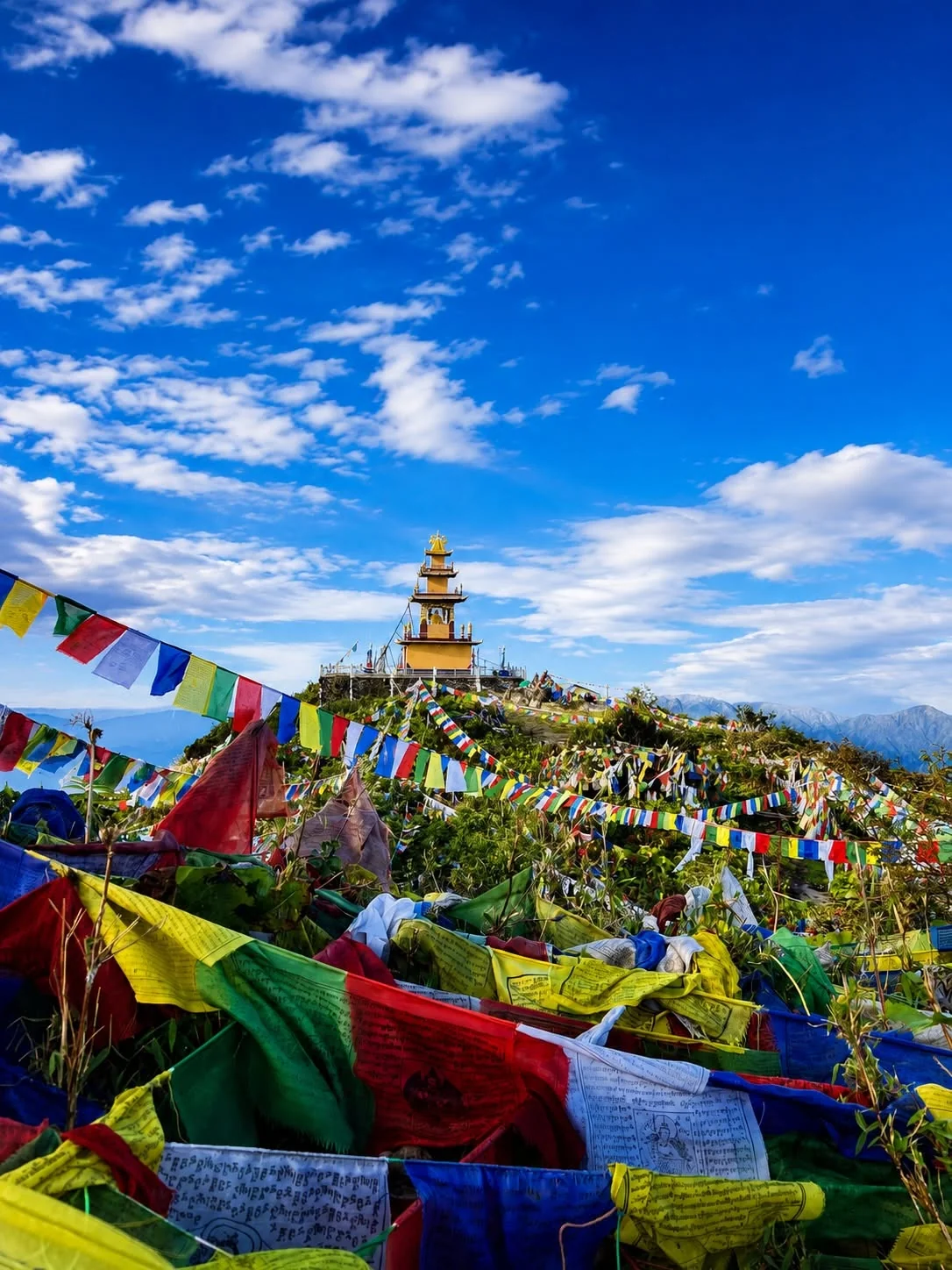
The region is dominated by spectacular Himalayan peaks including Api Himal, Nampa Himal and Byas Himal. Along with dramatic mountains, travelers can experience forests, alpine meadows, rivers, remote settlements, traditional lifestyles, wildlife habitats and important medicinal plants. The combination of natural and cultural resources makes Api Nampa much more than a trekking destination. It is a complete wilderness and cultural travel experience for visitors willing to explore one of Nepal's less-developed tourism regions.
For travelers looking beyond crowded trekking corridors, Api Nampa offers an opportunity to experience a quieter side of the Himalayas. The journey requires more preparation than many established trekking destinations, but that remoteness is also one of the main reasons travelers choose to explore this part of Nepal.
Major Flora of Api Nampa Conservation Area
The vegetation of Api Nampa Conservation Area changes considerably according to elevation, creating several distinct ecological environments within the same protected landscape. Lower elevations contain warmer subtropical vegetation, while temperate forests become more prominent as the altitude increases. At still higher elevations, the landscape gradually changes into sub-alpine forests, alpine meadows, shrubs and high-altitude vegetation.
Common tree and plant species associated with the region include pine, oak, rhododendron, deodar, birch and fir. During spring, rhododendron forests can add vibrant colors to the mountain landscape, while higher elevations provide a more open environment dominated by grasses, shrubs and alpine plants.
The conservation area is also significant because of its medicinal and aromatic plant resources. Species such as Panchaunle, Kutki, Yarsagumba, Jatamansi, Sugandhawal and Sarpagandha are associated with the Himalayan ecosystem of the region. These plants have traditional medicinal importance and are part of the ecological and cultural heritage of local communities.
Travelers interested in botany, medicinal plants, photography or nature-based tourism can therefore find Api Nampa particularly rewarding. However, visitors should never collect plants or medicinal resources from the conservation area without appropriate authorization.
Major Fauna of Api Nampa Conservation Area
Api Nampa Conservation Area supports a diverse range of Himalayan wildlife because of its broad elevation range, extensive forests, alpine habitats and relatively remote environment. The combination of forest ecosystems, steep mountain slopes, rocky terrain and alpine grasslands provides habitat for animals adapted to different elevations.
Wildlife associated with the conservation landscape includes snow leopard, Himalayan musk deer, red panda, clouded leopard, Himalayan tahr, ghoral, Himalayan black bear, blue sheep, serow, langur, grey wolf and jackal.
Some of these animals are extremely elusive and may be difficult to observe during a normal trek. Snow leopard and red panda sightings, for example, cannot be guaranteed. The real value of wildlife travel in Api Nampa is experiencing a natural Himalayan ecosystem where wildlife continues to live in relatively remote habitats.
Visitors should always observe animals from a safe distance, avoid feeding or approaching wildlife, and follow the instructions of local guides and conservation authorities.
History of Api Nampa Conservation Area
Api Nampa Conservation Area was established in 2010 with the objective of protecting the biodiversity, landscapes, wildlife habitats and cultural resources of this important Himalayan region.
The conservation area represents a significant effort to protect ecosystems extending from lower valleys to high Himalayan environments. Its establishment also recognizes the importance of traditional communities whose livelihoods and cultural practices are closely connected with the surrounding landscape.
For generations, communities in this region have depended on agriculture, livestock, local trade, forests and other natural resources. The geographic isolation of Darchula has also helped preserve many traditional aspects of local life.
Today, conservation and tourism are increasingly connected in Api Nampa. Responsible tourism can create economic opportunities for local communities while helping visitors understand the ecological and cultural importance of the region.
Culture of Api Nampa Conservation Area
Culture is one of the most interesting aspects of traveling through Api Nampa. The region is home to several ethnic and social communities, including the Byasi or Sauka people, along with Thakuri, Chhetri, Brahmin, Kami, Damai, Sarki and other communities.
The Byasi or Sauka communities have a particularly strong historical and cultural connection with the Himalayan valleys around the Mahakali region. Their traditional lifestyle reflects the challenges and opportunities of living in a remote mountain environment.
Travelers may encounter traditional houses, agricultural practices, livestock keeping, local food traditions, religious sites, seasonal activities and community celebrations. In some settlements, visitors can also gain insight into traditional Himalayan architecture and local social customs.
Cultural tourism in Api Nampa should always be based on respect. Travelers should ask permission before photographing people, homes or ceremonies and should follow local customs when entering villages or religious places.
Trekking Activities in Api Nampa Conservation Area
Trekking is one of the primary activities in Api Nampa Conservation Area, particularly for travelers looking for remote Himalayan experiences away from Nepal's busiest trekking corridors. The trekking experience here is more wilderness-oriented and less commercialized than destinations with extensive networks of teahouses and established tourist infrastructure.
The Api Himal Base Camp Trek is one of the most important trekking experiences associated with the region. Depending on the route selected, trekkers can pass through traditional villages, forests, river valleys, alpine landscapes and increasingly high mountain terrain.
Other activities include high-altitude trekking, village trekking, cultural trekking, wilderness trekking, wildlife observation, birdwatching, landscape photography, camping and mountaineering-related expeditions.
Because infrastructure remains limited, travelers should plan carefully. Local guides, porters, camping equipment, food logistics, transportation and permits may need to be arranged in advance.
Best Seasons to Visit Api Nampa Conservation Area
Spring, from March to May, is one of the most attractive periods for trekking and nature travel. Temperatures gradually become more comfortable, forests become greener and rhododendrons may be in bloom. Mountain photography can also be rewarding during clear-weather periods.
Autumn, especially October and November, is another favorable season. The monsoon has generally cleared the atmosphere, and clearer mountain views can make this period particularly attractive for trekking, photography and landscape exploration.
Monsoon, from June to September, can be more difficult because of rainfall, muddy trails, landslides, swollen rivers and road disruptions. Travelers planning during this period should allow greater flexibility.
Winter, from December to February, can be extremely cold at higher elevations. Snow may affect high-altitude trails and some routes can become considerably more challenging.
The best season ultimately depends on the exact route, altitude, weather conditions and travel objective. A professional itinerary should always include appropriate weather and route contingencies.
Wildlife in Api Nampa Conservation Area
Wildlife is one of the major natural attractions of Api Nampa. The conservation area's combination of forests, alpine grasslands, rocky mountain terrain and remote valleys creates habitat for a wide variety of Himalayan species.
The region is associated with species such as snow leopard, red panda, Himalayan musk deer, clouded leopard, blue sheep, Himalayan tahr, serow and Himalayan black bear. Many of these animals are difficult to observe because of their behavior and the rugged terrain in which they live.
Birdwatchers can also explore the region for Himalayan species including Himalayan monal, cheer pheasant, blood pheasant, snowcock, red-billed chough and yellow-billed chough. The wider conservation landscape supports diverse birdlife and can provide rewarding opportunities for nature photographers.
Wildlife tourism should focus on observation rather than guaranteed sightings. Travelers should never chase animals, use artificial feeding to attract them or interfere with their natural behavior.
Geography of Api Nampa Conservation Area
Api Nampa has exceptionally diverse geography because of its enormous elevation variation. The landscape extends from lower valleys and forested areas to high alpine terrain and Himalayan peaks.
The conservation area ranges from approximately 539 meters to 7,132 meters, creating substantial differences in climate, vegetation and wildlife habitats across relatively short geographic distances.
The landscape includes deep valleys, steep mountain slopes, forests, alpine meadows, rocky terrain, glaciers and high Himalayan peaks. Rivers such as the Mahakali, Naugad and Chamelia are important geographical features of the wider region.
This geographic diversity is one of the reasons Api Nampa has such high ecological importance. A single journey can move through several distinct landscapes and vegetation zones.
Location of Api Nampa Conservation Area
Api Nampa Conservation Area is located in Darchula District of Sudurpashchim Province in far-western Nepal.
Its location makes it considerably more remote than destinations such as Kathmandu, Pokhara, Annapurna or Everest. The district headquarters, Khalanga, serves as an important gateway for travel into the surrounding region.
The conservation area is also situated close to the Nepal-India border. Because of this geographic position, certain routes may involve additional border-related documentation or restrictions, depending on the exact itinerary and current regulations.
Travelers should therefore confirm the route and applicable documentation before beginning a journey into remote border-area sections.
Area of Api Nampa Conservation Area
Api Nampa Conservation Area covers approximately 1,903 square kilometers, making it one of Nepal's important protected landscapes.
Its large geographical area contains forests, river valleys, villages, alpine meadows, mountain slopes, wildlife habitats and high Himalayan environments. The protected landscape therefore supports both ecological conservation and community-based livelihoods.
The significant elevation range, from approximately 539 meters to 7,132 meters, further increases the diversity of habitats found within the conservation area.
Api Nampa Conservation Area Fact Sheet
| Information | Details |
|---|---|
| Destination | Api Nampa Conservation Area |
| Country | Nepal |
| Province | Sudurpashchim Province |
| District | Darchula |
| Established | 2010 |
| Approximate Area | 1,903 sq. km |
| Elevation Range | Approximately 539 m to 7,132 m |
| Highest Peak | Api Himal, 7,132 m |
| Major Peaks | Api Himal, Nampa Himal, Byas Himal |
| Major Rivers | Mahakali, Naugad, Chamelia |
| Major Communities | Byasi/Sauka, Thakuri, Chhetri, Brahmin and others |
| Main Activities | Trekking, wildlife observation, birdwatching, camping, photography and cultural tourism |
| Major Trek | Api Himal Base Camp Trek |
| Region | Far-Western Nepal |
Climate of Api Nampa Conservation Area
The climate of Api Nampa changes significantly according to elevation. Lower valleys can experience relatively warm conditions, while middle elevations have a cooler temperate climate and higher areas experience sub-alpine and alpine conditions.
At high elevations, temperatures can fall well below comfortable levels, especially during winter nights. Snowfall and sudden weather changes can also affect high-altitude trekking.
Travelers should therefore prepare for several different weather conditions during the same journey. Layered clothing is especially useful because temperatures can change considerably between lower valleys and high mountain areas.
Major Attractions of Api Nampa Conservation Area
Api Himal is the defining mountain attraction of the region. Rising to approximately 7,132 meters, it dominates the surrounding Himalayan skyline and is the principal mountain associated with the conservation area.
Nampa Himal is another major Himalayan peak and contributes to the spectacular mountain scenery of the region. Its surrounding landscapes provide opportunities for high-altitude trekking and photography.
Byas Himal is another important mountain feature and forms part of the dramatic Himalayan environment of western Nepal.
Api Base Camp is one of the major trekking objectives in the region. The journey toward the base camp provides an opportunity to experience increasingly remote landscapes and high-altitude environments.
The Byasi/Sauka cultural landscape is another important attraction. Traditional communities, villages, local lifestyles and cultural traditions provide a human dimension to the wilderness experience.
Forests, alpine meadows, rivers, wildlife habitats and remote mountain settlements complete the destination's attraction.
Accommodation in Api Nampa Conservation Area
Accommodation in Api Nampa is considerably more basic than in established trekking destinations. Travelers may find local hotels, simple lodges, tea shops, homestays and community accommodation in accessible settlements.
As the route moves farther into remote areas, accommodation options become increasingly limited. Some trekking sections may require full camping arrangements with tents, sleeping systems, cooking equipment and organized food supplies.
Travelers should not expect luxury hotels, continuous electricity, reliable internet or extensive restaurant menus in remote parts of the conservation area.
For organized trekking, accommodation and camping logistics should be confirmed before departure rather than relying entirely on last-minute availability.
Food and Local Cuisine in Api Nampa Conservation Area
Food in Api Nampa generally reflects the local mountain lifestyle and availability of regional ingredients. Meals tend to be simple, filling and practical for travelers engaged in physically demanding trekking.
Dal bhat is one of the most practical trekking meals and generally combines rice, lentils, vegetables, pickle and other locally available side dishes.
Travelers may also encounter dhido, roti, local breads, gundruk, seasonal vegetables, beans, lentils, dairy products and local pickles or chutneys. Meat may be available in some settlements, although travelers should not expect the same selection found in Kathmandu or Pokhara.
During camping treks, meals can include porridge, eggs, bread or roti, potatoes, rice, noodles, pasta, soup, vegetables, snacks and hot drinks. Trekking food should be planned according to the route because supplies can be difficult to obtain in remote sections.
Vegetarian food can generally be arranged, while travelers with vegan diets, allergies or other dietary restrictions should communicate their requirements in advance.
Drinking Water in Api Nampa
Water availability is an important part of trekking preparation in Api Nampa. Natural water sources may be available along some routes, but untreated mountain water should not automatically be considered safe for drinking.
Travelers should use filtered, boiled or properly treated water. A reusable bottle or hydration bladder is recommended, along with water purification tablets, a filter or another appropriate treatment method.
Trekking companies can also help plan water collection and treatment according to the route and camping arrangements.
How to Get to Api Nampa Conservation Area
Travel from Kathmandu to Api Nampa generally requires a combination of domestic transportation and long-distance road travel. A common approach is to travel toward Dhangadhi, followed by transportation toward Darchula and Khalanga.
From Khalanga, travelers continue toward the selected trekking trailhead using local transportation, private vehicles or 4WD vehicles depending on road conditions.
Because the journey to far-western Nepal can be long and road conditions may change, travelers should include adequate travel time and contingency days.
Some approaches are close to the Nepal-India border, so travelers should confirm current immigration and border requirements if their itinerary involves border-area travel.
Major Trekking Routes in Api Nampa
Khalanga – Huti – Sunsera – Rapla – Byas – Api Base Camp
This is one of the longer traditional approaches toward the Api region and may take approximately 7 to 8 trekking days, depending on the exact itinerary, acclimatization schedule and trail conditions.
The route provides opportunities to experience remote villages, forests, river valleys and increasingly high Himalayan landscapes. It is suitable for travelers looking for a more immersive wilderness journey.
Khalanga – Khar – Sipti – Sitaula – Api Base Camp
This approach may take approximately 6 to 7 days, depending on road access, the selected trailhead, walking pace and acclimatization requirements.
The route provides a combination of local settlements, forests, valleys and high mountain terrain.
Latinath – Gulzar – Ghusa – Api Base Camp
This can be a relatively shorter approach, potentially requiring around 3 to 4 trekking days from the selected starting point, although actual duration depends on local conditions and route accessibility.
Because road construction, local trail conditions and access points can change, the exact route should always be verified before departure.
Safety Precautions for Api Nampa Trekking
Api Nampa is a remote Himalayan destination, so safety preparation is particularly important. Travelers should understand that emergency services and medical facilities may be limited once they enter remote trekking areas.
Trekkers should carry warm clothing, waterproof layers, proper trekking boots, personal medicines, basic first-aid supplies, water purification equipment and appropriate emergency communication arrangements.
Altitude should be taken seriously. Travelers should ascend gradually, remain hydrated, avoid excessive physical exertion during acclimatization and communicate immediately if they develop symptoms associated with altitude-related illness.
Weather can change rapidly, and roads or trails can be affected by heavy rainfall, landslides, snow or river conditions. Travel insurance covering trekking and emergency evacuation is strongly recommended.
Api Nampa Conservation Area Regulations
Visitors to Api Nampa should follow all applicable conservation regulations and local environmental guidelines.
Hunting, trapping and disturbing wildlife are prohibited. Travelers should never feed wild animals or attempt to approach them closely for photography.
Protected plants, medicinal plants and other natural resources should not be collected without authorization. Removing natural resources from a protected area can damage fragile ecosystems and affect local conservation efforts.
Travelers should carry their waste responsibly, minimize plastic consumption and avoid damaging vegetation. Campfires should be minimized, especially in areas where firewood is limited.
Visitors should also respect temples, monasteries, traditional villages, private property and local customs.
Things to Remember Before Visiting Api Nampa
Api Nampa should be approached as a remote wilderness destination rather than a conventional tourist resort. Infrastructure is limited, and travelers need to be comfortable with basic facilities during some sections of the journey.
ATM facilities may be unavailable in remote areas, so sufficient cash should be carried before leaving major settlements.
Internet and mobile connectivity can also be limited. Travelers should inform family members or contacts about the itinerary and avoid relying entirely on mobile communication.
Weather-related delays are possible, so adding contingency days to the itinerary is highly recommended.
Most importantly, travelers should remain flexible. A professional trekking itinerary should allow changes when weather, road conditions, trail conditions or local circumstances require adjustments.
Permits and Fees for Api Nampa Conservation Area
Permits and fees can depend on nationality, route and the regulations applicable at the time of travel. The following table presents the commonly used planning rates referenced for the Api Nampa journey.
| Permit / Requirement | Traveler Category | Fee / Rate | Important Information |
|---|---|---|---|
| Api Nampa Conservation Area Entry Permit | Nepali citizens | NPR 100 | Conservation-area entry fee |
| Api Nampa Conservation Area Entry Permit | SAARC nationals | NPR 500 | Applicable to eligible SAARC travelers |
| Api Nampa Conservation Area Entry Permit | Other foreign nationals | NPR 2,000 | Applicable to foreign visitors |
| Api Nampa Conservation Area Entry Permit | Children below 10 years | Free | Subject to applicable regulations |
| TIMS Card | SAARC trekkers | NPR 1,000 | Where TIMS is applicable to the selected trek |
| TIMS Card | Other foreign trekkers | NPR 2,000 | Where TIMS is applicable to the selected trek |
| Additional route / border clearance | Depending on route | Varies | May apply for specific border-area or restricted sections |
Travelers should obtain the applicable conservation-area entry permit before entering the relevant protected area. TIMS requirements can depend on the selected trekking route and current regulations.
For routes close to border areas or restricted locations, additional documentation or clearance may be required. Requirements can vary according to nationality, route and government regulations.
Because permit rules and fees can change, travelers should confirm the latest requirements with the relevant authorities or their registered travel company before departure.
Suggested 10-Day Api Nampa Trek Itinerary
| Day | Itinerary |
|---|---|
| Day 1 | Arrival in Darchula / Khalanga and detailed trip briefing |
| Day 2 | Drive toward the selected trekking trailhead |
| Day 3 | Trek through villages and forest landscapes |
| Day 4 | Continue toward the higher Himalayan valleys |
| Day 5 | Trek through remote mountain terrain |
| Day 6 | Continue toward the Api Base Camp region |
| Day 7 | Explore Api Base Camp and surrounding landscapes |
| Day 8 | Begin the return trek |
| Day 9 | Continue toward the road-access settlement |
| Day 10 | Drive back toward Darchula / onward connection |
This itinerary provides a compact outline, but the actual schedule should be adjusted according to the selected trailhead, walking distance, altitude gain, weather, road conditions and acclimatization requirements.
Suggested 14-Day Api Himal Base Camp Experience
| Day | Itinerary |
|---|---|
| Day 1 | Arrival and preparation in Darchula / Khalanga |
| Day 2 | Drive to trekking starting point |
| Day 3 | Trek through local settlements |
| Day 4 | Forest and valley trekking |
| Day 5 | Continue toward higher elevations |
| Day 6 | Trek toward the alpine zone |
| Day 7 | Acclimatization and exploration |
| Day 8 | Continue toward Api Base Camp |
| Day 9 | Explore Api Base Camp and surrounding landscapes |
| Day 10 | Begin descent |
| Day 11 | Trek through mountain valleys |
| Day 12 | Continue toward lower settlements |
| Day 13 | Drive toward Darchula |
| Day 14 | Departure / onward journey |
This longer version allows more time for acclimatization, exploration and contingency planning. It can also be adjusted for photographers and travelers who want additional time in villages or natural areas.
Suggested 16-Day Api Nampa Culture and Wilderness Journey
| Day | Itinerary |
|---|---|
| Day 1 | Arrival and preparation |
| Day 2 | Travel toward Darchula |
| Day 3 | Darchula / Khalanga exploration |
| Day 4 | Drive toward the trekking trailhead |
| Day 5 | Village and cultural trekking |
| Day 6 | Forest trekking |
| Day 7 | Continue through remote settlements |
| Day 8 | Alpine landscape trekking |
| Day 9 | Acclimatization and local exploration |
| Day 10 | Trek toward Api Base Camp |
| Day 11 | Api Base Camp exploration |
| Day 12 | Begin descent |
| Day 13 | Continue toward lower valleys |
| Day 14 | Return toward road-access settlement |
| Day 15 | Drive toward Darchula |
| Day 16 | Departure / onward travel |
This itinerary is designed for travelers who want to combine trekking with cultural interaction and wilderness exploration. Additional days can be incorporated when travelers want more photography time or greater flexibility for weather conditions.
Packing List for Api Nampa Trek
Packing correctly is particularly important for Api Nampa because travelers may spend several days away from well-developed tourist facilities.
Essential clothing includes thermal layers, fleece, down or insulated jackets, waterproof jackets and trousers, trekking boots, trekking poles, gloves, warm socks and suitable headwear.
Camping travelers should also consider sleeping bags, sleeping mats, headlamps and other camping equipment according to the arrangements made with the trekking team.
A reusable water bottle, water purification system, sunglasses, sunscreen, personal medication, first-aid supplies, power bank and basic emergency equipment are strongly recommended.
Important documents should include a passport where applicable, permits, travel insurance information, emergency contacts and relevant booking confirmations.
Photography in Api Nampa Conservation Area
Api Nampa is an excellent destination for travelers interested in mountain, landscape, wildlife, bird and cultural photography.
The region offers opportunities to photograph Api Himal, Nampa Himal, Byas Himal, alpine valleys, traditional villages, forests, rivers, wildlife habitats, birds and sunrise or sunset landscapes.
Photographers should carry appropriate equipment according to their interests. A telephoto lens can be particularly useful for wildlife because maintaining a safe distance is important.
Photography of people should be respectful. Travelers should ask permission before photographing individuals, homes, religious ceremonies or culturally sensitive activities.
Drone operation may be subject to aviation, conservation and local regulations, so travelers should obtain the necessary permissions before flying.
Who Should Visit Api Nampa Conservation Area?
Api Nampa is particularly suitable for travelers who enjoy remote trekking, wilderness experiences, wildlife, birdwatching, mountain photography, cultural tourism and community-based travel.
Experienced trekkers may appreciate the challenging nature of the terrain and limited infrastructure. Photographers and nature enthusiasts can benefit from the region's combination of mountains, forests, wildlife habitats and traditional villages.
Researchers and travelers interested in medicinal plants, Himalayan ecology or traditional communities may also find the destination particularly valuable.
However, travelers seeking luxury infrastructure, easy road access or highly developed tourism facilities should carefully consider whether a remote Api Nampa itinerary matches their expectations.
Sustainable Tourism in Api Nampa
Sustainable tourism is particularly important in Api Nampa because the region contains sensitive ecosystems and communities whose livelihoods remain connected with the natural environment.
Travelers can contribute directly to local communities by using local guides, porters, homestays, locally operated accommodation, local transportation and locally produced food.
Reducing single-use plastic, carrying reusable water bottles, minimizing waste and avoiding unnecessary firewood consumption can help reduce environmental pressure.
Visitors should also stay on established trails, avoid disturbing wildlife and respect traditional community practices.
Responsible tourism can help ensure that the economic benefits of tourism reach local communities while protecting the natural and cultural resources that make Api Nampa special.
Api Nampa Compared With Popular Trekking Regions of Nepal
| Feature | Api Nampa | Popular Trekking Areas |
|---|---|---|
| Tourism Level | Low / remote | Higher |
| Infrastructure | Limited | More developed |
| Wilderness | Very high | Varies |
| Cultural Experience | Strong | Strong |
| Wildlife Potential | High | Varies |
| Trekking Difficulty | Moderate to challenging | Varies |
| Accommodation | Basic / camping | More extensive |
| Internet / Connectivity | Limited | Generally better |
| Commercial Tourism | Low | Higher |
| Ideal For | Remote adventure | Broad range of trekkers |
Api Nampa is particularly different because the journey itself is part of the adventure. Travelers should expect longer transportation, simpler accommodation and greater logistical preparation than on highly developed trekking routes.
How Khushi Travels Can Organize Your Api Nampa Journey
Khushi Travels & Consulting Group Pvt. Ltd. can provide complete travel coordination for travelers interested in exploring Api Nampa Conservation Area and the wider far-western Nepal region.
Our services can include airport transfers, domestic flights, Dhangadhi transportation, private vehicles, 4WD transportation, Darchula transfers, local trailhead transportation, trekking guides, local guides, porters, camping crews, equipment coordination and detailed route planning.
We can also arrange accommodation in Kathmandu, Dhangadhi and Darchula, as well as homestays, local accommodation and camping arrangements along suitable trekking routes.
For trekking documentation, our team can assist with conservation-area permits, TIMS arrangements where applicable, route verification and relevant travel documentation.
We also design customized private trips for individual travelers, families, groups, photographers, wildlife enthusiasts, birdwatchers, adventure travelers and cultural travelers.
For international travel agencies and B2B partners, Khushi Travels can provide Nepal ground-handling support, transportation, accommodation, trekking logistics, sightseeing, guides, permits and customized travel arrangements.
Our wider services include domestic and international air ticketing, hotel booking, tourist transportation, trekking, guided tours, transfers, vehicle rental, group tours, MICE services, pilgrimage tours, adventure travel and visa counselling.
Why Use a Local Travel Company for Api Nampa?
Traveling to a remote region such as Api Nampa requires more logistical planning than visiting Nepal's major tourist centers. A local travel company can coordinate different parts of the journey and provide practical assistance when conditions change.
Local support can include transportation arrangements, guides, porters, accommodation, camping, permits, route planning, food logistics and communication with local service providers.
Local knowledge is especially useful when road conditions, trail access, weather or accommodation availability changes unexpectedly.
For international travelers and overseas travel agencies, working with a local Nepal-based operator can also simplify communication and provide reliable ground support throughout the journey.
Your Plan, Your Budget, Our Support.
Useful Information for Api Nampa Travelers
Airport Arrival: Travelers arriving in Nepal through Tribhuvan International Airport in Kathmandu can receive airport transfer and travel assistance before continuing toward the far-western region.
Meet & Greet and Trip Briefing: A pre-trip briefing can be arranged to review the itinerary, transportation, trekking route, permits, packing requirements, safety considerations and emergency procedures.
Transportation Used: Depending on the itinerary, travelers may use domestic flights, private vehicles, 4WD vehicles and local transportation. Remote road sections can be rough and journey times can vary.
Tour Starting and Ending Point: The starting point depends on the selected trekking route. Khalanga and other local trailheads can serve as gateways for different approaches.
Highest Altitude: Api Himal reaches approximately 7,132 meters, although the actual maximum altitude reached by trekkers depends on the selected route and itinerary.
Daily Travel Distance and Driving Hours: Driving and walking distances vary considerably. Remote roads can require long travel days, so itineraries should include adequate rest and contingency time.
Accommodation: Travelers may use hotels, basic lodges, homestays, community accommodation and camping depending on the route.
Food and Meal Arrangements: Local meals can include dal bhat, dhido, roti, vegetables, lentils, gundruk, soup, noodles and other practical trekking foods. Camping meals can be organized according to the group's requirements.
Drinking Water Availability: Water sources may be available along the trail, but travelers should use filtered, boiled or treated water.
Best Time to Visit: Spring and autumn are generally preferred for trekking, while winter and monsoon require more careful planning.
Required Travel Documents and Permits: Travelers should carry identification, passport where applicable, conservation-area permits, TIMS documentation where required and any additional route-specific permissions.
Physical Fitness Requirements: Remote and high-altitude trekking requires reasonable cardiovascular fitness, endurance and the ability to walk for several hours over uneven terrain.
Suitability for Families and Seniors: Carefully designed lower-altitude itineraries may work for some families and senior travelers, but high-altitude trekking requires individual fitness assessment.
Packing List: Warm layers, waterproof clothing, trekking boots, sleeping equipment, water purification supplies, medicines, documents and personal essentials should be prepared before departure.
Health and Safety: Travelers should carry personal medication, first-aid supplies and suitable insurance. Altitude, weather and remote terrain should always be taken seriously.
Guide and Tour Leader Services: Local guides and trekking leaders can provide navigation, cultural information, safety support and coordination with local communities.
Vehicle Details: Private vehicles and 4WD vehicles may be required for difficult roads. Vehicle selection depends on road conditions and group size.
Luggage Management: Porters and support staff can be arranged for organized trekking, allowing travelers to carry only a lighter daypack.
Cost: The total cost depends on transportation, accommodation, meals, permits, guides, porters, camping equipment and the duration of the itinerary.
Personal Expenses: Travelers should budget for snacks, drinks, tips, charging, shopping and unexpected expenses.
Money Exchange and ATM: ATM access can be limited in remote areas, so travelers should carry sufficient Nepalese currency before entering isolated regions.
Internet and Mobile: Connectivity can be limited or unavailable in remote trekking sections. Travelers should prepare for periods without reliable communication.
Shopping: Local handicrafts, regional products and traditional items may be available in larger settlements, although shopping opportunities are limited in remote areas.
Tipping Guidelines: Tips for guides, porters, drivers and support staff are generally appreciated when services have been satisfactory.
Booking Procedure: Advance booking is recommended because transportation, accommodation, permits, guides, porters and camping logistics require coordination.
Cancellation Policy: Cancellation conditions depend on the services booked and the terms of the respective suppliers.
Last-Minute Booking: Last-minute travel may be possible in some circumstances but can be difficult for remote trekking because transportation and local support need advance coordination.
Flexible Tour Extension Options: Extra days can be added for acclimatization, photography, cultural experiences, exploration or weather contingencies.
Private and Customized Tours: Private itineraries can be designed according to fitness, interests, travel duration, group size and budget.
Group Departure Information: Group arrangements can be organized depending on demand, route availability and the preferred travel dates.
Sustainable Tourism: Travelers are encouraged to support local communities, reduce waste, avoid unnecessary plastic and respect the conservation area.
Travel Insurance: Travel insurance covering trekking and emergency evacuation is strongly recommended for remote Himalayan travel.
Weather: Mountain weather can change quickly, particularly at higher elevations, so travelers should remain flexible and carry appropriate weather protection.
Photography and Drone Regulations: Photography should respect local communities and wildlife, while drone operations should only be conducted after confirming the necessary permissions.
Frequently Asked Questions
1. What is Api Nampa Conservation Area?
Api Nampa Conservation Area is a protected Himalayan landscape located in Darchula District of far-western Nepal. It is known for high mountains, diverse ecosystems, traditional communities, medicinal plants, wildlife habitats and remote trekking opportunities. The conservation area provides travelers with an opportunity to explore a less-commercialized part of Nepal's Himalayan landscape.
2. Where is Api Nampa Conservation Area located?
Api Nampa Conservation Area is located in Darchula District of Sudurpashchim Province in far-western Nepal. The region is relatively remote and lies close to the Nepal-India border, making Darchula and Khalanga important access points for travelers.
3. What makes Api Nampa Conservation Area unique?
Api Nampa combines high Himalayan mountains, diverse ecosystems, remote villages, traditional cultures, wildlife habitats and medicinal plant resources within one large protected landscape. Its relatively low level of tourism also gives visitors a more remote and wilderness-oriented experience.
4. Why should travelers visit Api Nampa Conservation Area?
Travelers can visit Api Nampa for remote trekking, spectacular mountain scenery, wildlife observation, birdwatching, photography and cultural experiences. It is particularly suitable for travelers who want to explore a less-developed and quieter region of Nepal.
5. Is Api Nampa suitable for trekking?
Yes. Api Nampa offers several trekking opportunities, including routes toward Api Himal and Api Base Camp. However, travelers should understand that the region has limited infrastructure and requires more preparation than Nepal's highly developed trekking destinations.
6. What is the Api Himal Base Camp Trek?
The Api Himal Base Camp Trek is a remote Himalayan trekking experience leading travelers toward the base area of Api Himal. The route can include traditional villages, forests, rivers, alpine landscapes and high-altitude terrain.
7. What are the major trekking routes in Api Nampa?
Major approaches include routes through Khalanga, Huti, Sunsera, Rapla and Byas, as well as routes through Khar, Sipti, Sitaula, Latinath, Gulzar and Ghusa. The actual route should be confirmed according to current road access and trail conditions.
8. What is the best time to trek in Api Nampa?
Spring and autumn are generally considered favorable trekking seasons. Spring provides greener landscapes and flowering vegetation, while autumn often provides clearer mountain views after the monsoon.
9. Is Api Nampa an offbeat destination in Nepal?
Yes. Compared with Nepal's major trekking destinations, Api Nampa receives fewer visitors and has much less commercial tourism infrastructure. This makes it attractive for travelers looking for remote and less-crowded experiences.
10. What is the best season for photography in Api Nampa?
Spring and autumn are generally excellent for photography because of favorable weather and mountain visibility. However, photographers can find distinctive subjects throughout the year, depending on weather, vegetation and cultural activities.
11. What wildlife can be found in Api Nampa?
Wildlife associated with Api Nampa includes snow leopard, red panda, Himalayan musk deer, clouded leopard, Himalayan tahr, blue sheep, serow, Himalayan black bear and other Himalayan species.
12. Can travelers see snow leopards in Api Nampa?
Api Nampa provides habitat suitable for snow leopards, but sightings are not guaranteed. Snow leopards are naturally elusive and live in difficult mountain terrain, so wildlife observation requires patience and responsible practices.
13. Is Api Nampa good for birdwatching?
Yes. The region provides opportunities for observing Himalayan bird species, particularly in forests, alpine areas and mountain valleys. Birdwatchers should carry suitable binoculars and photography equipment.
14. What rare animals are associated with Api Nampa?
Snow leopard, red panda, clouded leopard and Himalayan musk deer are among the notable species associated with the conservation landscape. Observing these species requires patience because many are difficult to encounter.
15. What types of flora are found in Api Nampa?
The conservation area contains pine, oak, rhododendron, deodar, birch, fir, alpine shrubs, grasses and other vegetation associated with different elevations. The vegetation changes significantly as travelers move from lower valleys toward the high Himalayas.
16. Are medicinal plants found in Api Nampa?
Yes. The region is associated with important Himalayan medicinal and aromatic plants, including Panchaunle, Kutki, Yarsagumba and Jatamansi. These resources have ecological and traditional importance.
17. What cultural experiences are available in Api Nampa?
Travelers can experience traditional villages, local architecture, agricultural practices, livestock keeping, religious traditions, local food and community lifestyles. Cultural interaction can be one of the most memorable parts of the journey.
18. Which communities live in the Api Nampa region?
The region includes Byasi or Sauka communities as well as Thakuri, Chhetri, Brahmin, Kami, Damai, Sarki and other communities. Their traditions and livelihoods contribute to the cultural diversity of the area.
19. What is the geography of Api Nampa?
The geography includes lower valleys, forests, steep mountain slopes, alpine meadows, rivers, rocky terrain and high Himalayan peaks. The large elevation variation creates several ecological zones.
20. How large is Api Nampa Conservation Area?
Api Nampa Conservation Area covers approximately 1,903 square kilometers, making it an extensive protected landscape in western Nepal.
21. What is the highest mountain in Api Nampa?
Api Himal is the highest major peak associated with the conservation area, reaching approximately 7,132 meters.
22. What are the main attractions of Api Nampa?
The main attractions include Api Himal, Nampa Himal, Byas Himal, Api Base Camp, traditional villages, forests, alpine landscapes, rivers and wildlife habitats.
23. How can travelers reach Api Nampa from Kathmandu?
A common travel approach involves reaching Dhangadhi and continuing overland toward Darchula and Khalanga before proceeding to the selected trekking trailhead. The exact transportation plan depends on the route and road conditions.
24. How long does it take to reach Darchula from Kathmandu?
Travel time varies according to the transportation combination, road conditions and route. Because the journey to far-western Nepal can be lengthy, travelers should allow sufficient time and avoid creating overly tight schedules.
25. Can Api Nampa be accessed through India?
Some parts of the region are close to the Nepal-India border, but travelers must follow current immigration, border and route regulations. Border-area travel should be arranged through proper channels.
26. What type of accommodation is available?
Accommodation can include local hotels, basic lodges, tea shops, homestays and camping. Remote trekking sections may require organized camping because permanent accommodation is limited.
27. Is camping necessary in Api Nampa?
Camping may be necessary on remote sections where there are no suitable lodges or homestays. Organized trekking companies can arrange tents, sleeping systems, cooking equipment, food and camping support.
28. What food is available in Api Nampa?
Travelers can generally expect dal bhat, dhido, roti, vegetables, lentils, gundruk, soup, noodles and other practical local or trekking meals. Camping teams can provide additional meals according to the itinerary.
29. Is vegetarian food available?
Vegetarian meals can generally be arranged, particularly for organized treks. Travelers with vegan diets, allergies or other dietary restrictions should provide advance information so suitable food supplies can be planned.
30. Is drinking water available during the trek?
Water sources may be available along the route, but untreated water should not automatically be considered safe. Travelers should filter, boil or otherwise treat water before drinking.
31. Do travelers need a permit for Api Nampa Conservation Area?
Yes. Travelers entering the conservation area generally require the applicable conservation-area entry permit. Other documentation may also be required depending on the selected trekking route.
32. How much does the Api Nampa Conservation Area permit cost?
The commonly listed planning rates are NPR 100 for Nepali citizens, NPR 500 for SAARC nationals and NPR 2,000 for other foreign nationals. Children below 10 years are generally listed as free, subject to applicable regulations. Current rates should be reconfirmed before travel.
33. Is TIMS required for Api Nampa trekking?
TIMS may be required depending on the trekking route and current regulations. Travelers should confirm the latest requirement before beginning the trek.
34. Are additional permits required near the border?
Some routes may require additional clearance or documentation because of their proximity to border areas or restricted locations. The exact requirements depend on the route and traveler's nationality.
35. Is Api Nampa safe for tourists?
Api Nampa can be visited safely with proper preparation, suitable equipment, responsible trekking practices and local support. The main challenges involve remoteness, altitude, weather, road conditions and limited infrastructure.
36. Can beginner trekkers visit Api Nampa?
Some lower-altitude cultural or nature experiences may be suitable for beginners, but remote and high-altitude routes generally require greater physical preparation and trekking experience.
37. What should travelers pack for Api Nampa?
Travelers should pack warm layers, waterproof clothing, trekking boots, suitable sleeping equipment, water purification supplies, personal medication, first-aid materials, documents and other trekking essentials.
38. Is travel insurance necessary?
Travel insurance is strongly recommended, particularly when undertaking high-altitude or remote trekking. Coverage should ideally include trekking activities and emergency evacuation where appropriate.
39. Is mobile network coverage available?
Mobile connectivity can be limited or unavailable in remote sections. Travelers should be prepared for periods without reliable communication and should not depend entirely on mobile networks.
40. What safety precautions should trekkers follow?
Trekkers should monitor weather, stay hydrated, acclimatize gradually, carry appropriate equipment, follow local guides and avoid unnecessary risks. They should also maintain safe distances from wildlife and respect conservation regulations.
41. Is Api Nampa suitable for families?
Selected lower-altitude cultural and nature experiences may be suitable for families. However, high-altitude trekking should only be planned after considering the age, fitness and experience of each family member.
42. Is Api Nampa suitable for senior travelers?
Suitability depends on individual fitness, mobility, altitude tolerance and trekking experience. Customized itineraries with shorter walking distances and lower elevations may be more appropriate for some senior travelers.
43. What activities can travelers do in Api Nampa?
Major activities include trekking, camping, wildlife observation, birdwatching, landscape photography, cultural exploration, village experiences and wilderness travel.
44. Is Api Nampa suitable for nature lovers?
Yes. The combination of forests, rivers, alpine ecosystems, mountains and wildlife habitats makes the destination highly suitable for travelers interested in nature and biodiversity.
45. Is Api Nampa suitable for photographers?
Yes. Photographers can capture mountains, traditional villages, forests, wildlife habitats, birds, rivers, alpine landscapes and local cultural life.
46. How can travelers practice responsible tourism in Api Nampa?
Travelers can support local communities, use local services, reduce waste, avoid unnecessary plastic, respect wildlife, follow conservation regulations and treat local cultural traditions with respect.
47. How many days are needed for Api Nampa?
The required duration depends on the selected route and travel style. A complete Api Himal experience can require approximately 10 to 16 days or more when transportation, acclimatization and contingency days are included.
48. Can Api Nampa itineraries be customized?
Yes. Private and customized itineraries can be developed according to trekking ability, available time, budget, photography interests, cultural interests, preferred accommodation and transportation requirements.
49. Can Khushi Travels arrange a complete Api Nampa package?
Yes. Khushi Travels can assist with transportation, accommodation, guides, porters, permits, camping, trekking logistics, route planning, customized itineraries and broader Nepal travel arrangements.
50. Why book Api Nampa travel with a local travel company?
A local travel company can coordinate remote transportation, accommodation, guides, porters, permits, camping logistics and route planning while providing practical local knowledge. This can make a remote journey easier to organize and provide additional support when conditions change.
Final Thoughts
Api Nampa Conservation Area is a remarkable destination for travelers seeking remote Himalayan landscapes, rich biodiversity, authentic culture and unforgettable trekking experiences. Its peaceful villages, dramatic mountains and untouched wilderness offer a different side of Nepal beyond the popular trekking routes.
With proper preparation, responsible travel and local support, an Api Nampa journey can become a truly memorable adventure.
Explore the remote Himalayas with confidence. Your Plan, Your Budget, Our Support.
 Office: +977-1-4975759
 Mobile: +977-9768988868
 Email: info@khushiservice.com
Booking: booking@khushiservice.com
 Website: www.khushiservice.com
 Address: Sorakhutte, Kathmandu, Nepal
Similar Blogs

We are associated with