


Chepang Hill Trail Chitwan, Nepal: Complete Trekking & Culture Guide 2026/2027

Chepang Hill Trail Chitwan, Nepal: Complete Trekking & Culture Guide 2026/2027
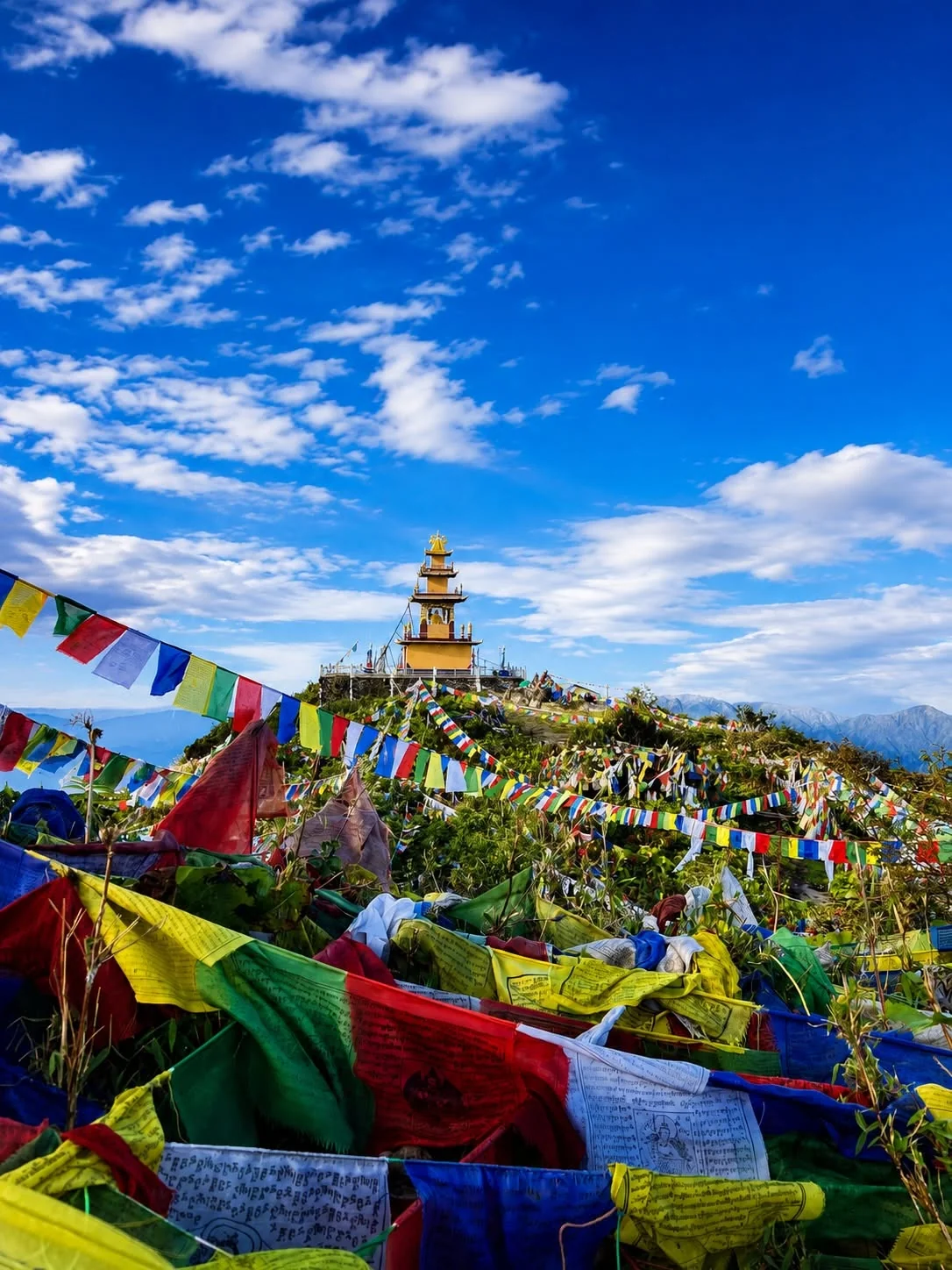
The Chepang Hill Trail in Chitwan, Nepal is one of the country's distinctive community-based cultural trekking experiences. Located in the middle hills of central Nepal, the trail offers a completely different experience from the high-altitude trekking routes of Everest, Annapurna and other Himalayan regions. Instead of focusing mainly on extreme altitude and famous mountain base camps, the Chepang Hill Trail combines indigenous culture, traditional villages, community homestays, forests, agriculture, birdwatching, historical sites, panoramic viewpoints and local hospitality.
The traditional Chepang Hill Trail begins around Hugdi in Dhading District, between Mugling and Krishna Bhir, and continues toward Shaktikhor in Chitwan. The route can also be completed in the opposite direction, beginning from Shaktikhor and ending around Hugdi. Nepal Tourism Board identifies the trail as a cultural and sightseeing route where travelers can experience Chepang and other local communities, community homestays, birdwatching, forests and mountain scenery.
One of the most valuable aspects of this journey is the opportunity to experience Nepal's rural middle hills at a human scale. Instead of simply passing through a destination, travelers can stay in village homes, eat locally prepared food, walk through agricultural areas and forests, interact with local residents and learn how communities have adapted to life in the hills.
The trail also provides an interesting geographical transition. Travelers move from the road corridors connecting Kathmandu and Chitwan into quieter middle-hill landscapes and eventually toward the lower Chitwan region. This makes the journey particularly suitable for visitors who want to experience Nepal beyond the standard tourist circuit.
For cultural travelers, photographers, birdwatchers, families seeking a different type of adventure, small groups and travelers interested in responsible tourism, the Chepang Hill Trail provides an opportunity to discover a less-commercialized side of Nepal.
Why the Chepang Hill Trail Is Different
The Chepang Hill Trail is different from conventional trekking routes because its central attraction is the combination of people, culture, nature and landscape.
A high-altitude trek may focus on mountain passes, glaciers, base camps and dramatic Himalayan peaks. The Chepang Hill Trail instead focuses on the living environment of the middle hills, where villages, forests, farms and community traditions form the main experience.
The journey can include:
- Chepang cultural experiences
- Community homestays
- Traditional village life
- Local food
- Agricultural landscapes
- Mid-hill forests
- Birdwatching
- Sunrise and sunset viewpoints
- Siraichuli
- Chisapanitar
- Uppardang Gadi
- Chepang Museum
- Shaktikhor Tourist Information Center
- Local handicrafts
- Cultural performances
- Community tourism
- Historical exploration
- Photography
- Chitwan National Park extension
This combination makes the Chepang Hill Trail particularly valuable for travelers who want to understand the cultural landscape of Chitwan rather than only its wildlife.
History of the Chepang Hill Trail
The history of the Chepang Hill Trail is closely connected with the communities that have traditionally lived in the middle hills of central Nepal. The Chepang people have historically developed their livelihoods around the difficult terrain, forests and limited agricultural land of the region.
Traditional livelihoods included agriculture as well as the use of forest resources, hunting, fishing and gathering. Over generations, communities developed detailed knowledge of their local environment, including plants, food sources, forests and agricultural practices.
Tourism development in the region has gradually created additional economic opportunities through community homestays, local guiding, food services, cultural performances, handicrafts and other tourism-related activities.
The development of the trail therefore has a wider purpose than simply bringing visitors into the hills. Community-based tourism allows local residents to participate in the tourism economy while introducing travelers to cultural traditions and rural lifestyles.
The trail also incorporates historical places such as Uppardang Gadi, which was historically associated with Chitwan's administration and defense. Nepal Tourism Board notes that Uppardang Gadi served as the headquarters of Chitwan until the early 1960s and that remains of its historic fort can still be found at approximately 1,275 metres.
The combination of indigenous heritage and regional history makes the Chepang Hill Trail much more than a hiking route.
Chepang Culture and Indigenous Heritage
Chepang culture is one of the most important reasons to undertake this journey.
The Chepang are an indigenous community traditionally associated with the middle hills of central Nepal. Their cultural identity has developed through a close relationship with the surrounding forests, agricultural land, villages and natural resources.
For travelers, Chepang culture is best understood through direct experience rather than through sightseeing alone. Staying with a local family, sharing a meal, walking through the village and talking with residents can provide a much deeper understanding of the community than simply visiting a cultural attraction.
Depending on the village and local arrangements, travelers may experience:
- Traditional household practices
- Local agriculture
- Traditional food
- Village architecture
- Local music and dance
- Traditional tools
- Handicrafts
- Community gatherings
- Local festivals
- Forest-based knowledge
- Traditional livelihood practices
The culture should always be approached respectfully. Travelers are guests within living communities, so they should ask permission before taking photographs of people, entering homes or observing private ceremonies.
Chepang Culture as a Community Tourism Experience
The Chepang Hill Trail is particularly valuable because tourism can provide direct benefits to the communities through locally managed services.
Community tourism may involve:
- Homestays
- Local guides
- Local cooks
- Cultural programs
- Handicrafts
- Local food
- Community guesthouses
- Camping
- Local transportation
- Cultural interpretation
When travelers use these services, a greater portion of their tourism expenditure can remain within the destination.
For the visitor, this creates a more personal experience. Instead of staying exclusively in commercial hotels, travelers can see how people live, farm, prepare food and manage their households.
For the community, tourism can provide supplementary income while creating incentives to preserve cultural traditions and local heritage.
Major Villages and Settlements Along the Chepang Hill Trail
The traditional route includes several important settlements and locations, although the exact overnight sequence can vary according to the itinerary, local conditions and walking pace.
The most important locations associated with the route include:
| Location | Main Attraction |
|---|---|
| Hugdi | Traditional trail access point |
| Hattibang | Community homestay and cultural experience |
| Jyandala | Chepang village experience |
| Chisapanitar | Birdwatching and forest |
| Siraichuli | Sunrise, sunset and mountain views |
| Uppardang Gadi | Historical fort and viewpoints |
| Shaktikhor | Cultural center and trail endpoint |
These locations should not be treated as identical. Each contributes a different element to the overall journey.
Hugdi
Hugdi is traditionally recognized as one of the main access points to the Chepang Hill Trail.
Nepal Tourism Board places the trailhead around Hugdi, between Mugling and Krishna Bhir in Dhading District, approximately 80 kilometres from Kathmandu according to its destination information.
The area is connected by road, making it practical for travelers arriving from Kathmandu or the Mugling direction.
From Hugdi, the landscape gradually changes from the main road corridor to rural hills, agricultural fields, forests and village trails.
This transition is an important part of the experience because travelers leave behind the busy road environment and begin entering the quieter middle hills.
Hattibang
Hattibang is one of the major stops on the Chepang Hill Trail and is particularly important for community-based tourism.
The area provides views of the surrounding hills and mountains while also offering access to mid-hill forest trails.
Nepal Tourism Board specifically identifies Hattibang as a place where travelers can experience Magar, Chepang and Giripuri culture through community-run homestays and community-managed accommodation.
A stay in Hattibang can therefore include:
- Village walks
- Cultural interaction
- Local meals
- Community homestay
- Forest walking
- Photography
- Landscape observation
Jyandala
Jyandala is an important Chepang settlement along the route.
The village provides an opportunity to experience rural life at a slower pace. Travelers can explore the settlement, interact with local residents and stay in a village homestay when accommodation is available.
A homestay in Jyandala can provide a more personal cultural experience because visitors become temporary guests within the community rather than simply passing through.
The surrounding hills also offer opportunities for photography, particularly around sunrise and sunset when weather conditions are favorable.
Chisapanitar
Chisapanitar is particularly important for travelers interested in nature and birdwatching.
Nepal Tourism Board identifies Chisapanitar as a popular birdwatching location and notes that more than 250 varieties of bird species are found in the area. It also describes the dense forest as habitat for other wildlife.
Birdwatchers should plan to move slowly through the forest and avoid unnecessary noise. Early morning is generally the most rewarding period for bird observation.
Siraichuli
Siraichuli is one of the most important attractions on the Chepang Hill Trail.
At approximately 1,945 metres, Siraichuli is one of the higher hills of the Mahabharat range. Nepal Tourism Board highlights the area for its mountain views as well as sunrise and sunset experiences.
On clear days, views may extend toward Himalayan ranges and peaks including the Rolwaling region, Gaurishankar, Langtang, Gorkha Himal, Manaslu, Annapurna and Dhaulagiri areas.
The actual visibility depends on weather and atmospheric conditions.
The climb from Hattibang toward Siraichuli can be challenging because of the rough terrain and vegetation. Travelers should therefore allow adequate time and avoid treating the section as a casual walk.
Uppardang Gadi
Uppardang Gadi provides an important historical dimension to the trail.
The historic fort area sits at approximately 1,275 metres and was formerly associated with the headquarters of Chitwan. Nepal Tourism Board notes that the historic fort is traditionally associated with Shatru Bhanjan Shah, the eldest son of Bahadur Shah.
The remaining structures and surrounding landscape allow travelers to understand the strategic importance of the hill region.
The location is also scenic, providing broad views across the surrounding countryside.
For travelers interested in history, Uppardang Gadi provides a welcome contrast to the cultural and natural experiences elsewhere along the route.
Shaktikhor
Shaktikhor is traditionally regarded as the endpoint of the Chepang Hill Trail.
It is one of the most important community tourism centers associated with the route and provides a natural transition from the hill trek toward the Chitwan lowlands.
Visitors can experience:
- Chepang culture
- Homestay accommodation
- Local food
- Cultural programs
- Chepang Museum
- Tourism information
- Local handicrafts
- Nearby natural attractions
- Road transportation toward Chitwan
Nepal Tourism Board specifically notes homestay facilities, local food, local livelihood experiences, cultural shows and camping opportunities in Shaktikhor.
Chepang Museum
The Chepang Museum is an important cultural attraction associated with Shaktikhor.
The museum helps visitors understand traditional Chepang life through physical objects and cultural materials.
Depending on the current exhibition arrangement, visitors may encounter traditional:
- Agricultural tools
- Household equipment
- Hunting-related equipment
- Cooking and storage utensils
- Wooden implements
- Traditional musical instruments
- Other cultural objects
A museum visit is particularly valuable when combined with a homestay because it allows visitors to connect historical objects with the living culture they have encountered in the villages.
Current entrance fee: A consistently published, current official entrance fee for the Chepang Museum was not found in the official sources reviewed for this article. Therefore, a fixed museum ticket price should not be published as fact. Any applicable local museum or community charge should be confirmed locally before the visit.
Shaktikhor Tourist Information Center
The Shaktikhor Tourist Information Center is associated with tourism information and visitor support for the Chepang Hills area.
For travelers visiting independently, an information center can be particularly useful because local trail conditions, accommodation availability, community activities and transportation can change according to season.
Travel information may include:
- Trail routes
- Local attractions
- Community homestays
- Local guides
- Cultural activities
- Museum information
- Camping arrangements
- Local transportation
- Nearby natural attractions
Travelers using a professional travel company can have many of these arrangements coordinated before arriving in Shaktikhor.
Attractions and Services Along the Chepang Hill Trail
The Chepang Hill Trail offers a combination of natural, cultural, historical and community-based attractions.
| Attraction / Service | Experience |
|---|---|
| Chepang villages | Indigenous culture and rural lifestyle |
| Hattibang | Community homestays and cultural experience |
| Jyandala | Chepang village and local interaction |
| Chisapanitar | Birdwatching and forest environment |
| Siraichuli | Sunrise, sunset and mountain views |
| Uppardang Gadi | Historic fort and landscape |
| Shaktikhor | Cultural tourism and local services |
| Chepang Museum | Indigenous heritage |
| Tourist Information Center | Local tourism information |
| Homestays | Community accommodation |
| Local food | Traditional meals |
| Cultural programs | Music, dance and community activities |
| Local handicrafts | Community-based shopping |
| Forest trails | Nature and photography |
| Camping | Alternative accommodation |
| Local guides | Navigation and interpretation |
Forests and Natural Landscapes
The trail passes through a varied middle-hill landscape consisting of forests, agricultural land, ridges, villages and changing vegetation.
The forest sections are particularly valuable for travelers who enjoy nature observation. Unlike heavily visited tourist routes, many areas remain relatively quiet, allowing travelers to experience the sounds and atmosphere of rural Nepal.
The forest environment also changes according to season. Spring can bring fresh vegetation and flowering plants, while autumn generally provides clearer skies and broader views.
Travelers should remain on established paths and avoid disturbing plants, wildlife or local forest resources.
Wildlife and Birdwatching
The Chepang Hill Trail should primarily be considered a cultural, nature and birdwatching trek, rather than a dedicated wildlife safari.
Potential wildlife observations include:
- Birds
- Monkeys
- Deer
- Wild boar
- Butterflies
- Reptiles
- Small forest mammals
Chisapanitar is particularly important for birdwatchers, with Nepal Tourism Board identifying more than 250 bird varieties in the area.
Travelers specifically interested in large wildlife such as rhinoceros, crocodiles and Bengal tigers should extend their journey into Chitwan National Park rather than expecting these animals on the hill trail.
Local Lifestyle Along the Chepang Hill Trail
The local lifestyle is one of the strongest attractions of the Chepang Hill Trail.
Travelers may observe:
- Terraced agriculture
- Livestock keeping
- Vegetable cultivation
- Traditional food preparation
- Local schools
- Community activities
- Village markets
- Traditional houses
- Forest resource use
- Household activities
- Local handicraft production
The agricultural landscape demonstrates how communities have adapted farming practices to steep and sometimes difficult terrain.
A homestay provides an opportunity to understand this lifestyle at a much deeper level because visitors can interact with families rather than observing the village only from a trekking trail.
Accommodation on the Chepang Hill Trail
Accommodation is generally based on community homestays, simple guesthouses, community-managed accommodation and camping.
Nepal Tourism Board specifically notes community-run homestays and community-managed guest accommodation around Hattibang, village homestay opportunities around Jyandala and homestay facilities in Shaktikhor. It also notes camping facilities in Shaktikhor.
Travelers should expect basic facilities rather than luxury trekking accommodation.
Typical facilities can include:
- Simple private or shared rooms
- Basic bedding
- Shared bathrooms
- Local meals
- Dining areas
- Family interaction
- Limited electricity
- Limited charging facilities
The quality of accommodation can vary from village to village, so expectations should be realistic.
Food Along the Chepang Hill Trail
Food is an important part of the cultural experience.
Meals are generally based on locally available ingredients and traditional Nepali food.
Travelers may encounter:
- Dal bhat
- Rice
- Lentils
- Seasonal vegetables
- Potatoes
- Local greens
- Pickles
- Gundruk
- Dhido
- Corn-based foods
- Eggs
- Tea
- Seasonal fruits
Food availability depends on the season and individual homestay.
The menu is usually simpler than in Kathmandu, Pokhara or major trekking centers, but the advantage is that travelers can experience food prepared within the community.
Travelers with dietary restrictions should communicate their requirements before departure.
Best Time to Visit the Chepang Hill Trail
The most favorable periods are generally autumn and spring.
| Season | Conditions | Suitability |
|---|---|---|
| September | Monsoon gradually declines | Possible |
| October | Generally clearer | Excellent |
| November | Stable and clear | Excellent |
| December | Cold mornings and evenings | Good |
| January | Cold at higher points | Good with preparation |
| February | Conditions improve | Good |
| March | Spring begins | Excellent |
| April | Warm but generally favorable | Very good |
| May | Increasing heat | Possible |
| June-August | Monsoon | More challenging |
October-November is particularly attractive for clear mountain views, while March-April can provide pleasant temperatures and spring landscapes.
Chepang Hill Trail Difficulty
The Chepang Hill Trail is generally a moderate cultural trek.
It does not involve extreme altitude, but this should not be confused with an easy walking holiday. The route contains:
- Uphill climbs
- Downhill sections
- Uneven surfaces
- Forest trails
- Rough terrain
- Muddy sections during rainfall
- Long walking periods
The Siraichuli section can be particularly challenging because of rough terrain and vegetation.
Travelers who regularly walk or hike should generally be able to prepare for the route through basic cardiovascular and leg-strength training.
Challenges Along the Chepang Hill Trail
The trail provides an authentic rural experience, but that also means infrastructure is less developed.
Possible challenges include:
- Steep climbs
- Long descents
- Uneven trails
- Limited medical facilities
- Basic accommodation
- Limited food choices
- Variable mobile connectivity
- Limited electricity
- Limited charging facilities
- Weather changes
- Rain and muddy trails
- Transportation delays
These conditions are important to understand before booking.
The trail is most rewarding for travelers who appreciate rural experiences and are comfortable with simple facilities.
Transportation to and From the Chepang Hill Trail
The traditional route begins around Hugdi and finishes around Shaktikhor.
Travelers can reach the trailhead by road from Kathmandu or other locations, while Shaktikhor provides road access toward the Chitwan lowlands.
Transportation can be arranged according to group size and budget.
Possible options include:
- Private car
- Jeep
- Scorpio
- Tourist vehicle
- Group vehicle
- Tourist bus
- Local transportation where appropriate
Travel time depends on traffic, road conditions, weather and the exact starting point.
Permits and Entrance Fees for the Chepang Hill Trail
This is an important section for travelers planning the trek.
The Chepang Hill Trail itself is not listed by Nepal Tourism Board as a restricted trekking area requiring the special Department of Immigration trekking permit. Nepal's special trekking permits apply to designated restricted areas, and the Chepang Hill Trail is not listed among those restricted areas.
Therefore, travelers should not confuse the Chepang Hill Trail with restricted-area trekking destinations such as Upper Mustang or other controlled regions.
However, additional fees may apply to specific activities or protected areas included in an extended itinerary.
For example, if the trip continues into Chitwan National Park, the current official park entrance rates are:
| Visitor Category | Chitwan National Park Entrance Fee |
|---|---|
| Nepali citizens | NPR 150 per person per entry |
| SAARC nationals | NPR 1,000 per person per entry |
| Other foreign nationals | NPR 2,000 per person per entry |
| Children below 10 years | Free |
These are Chitwan National Park entrance fees, not a general Chepang Hill Trail trekking fee. The current Nepal Tourism Board and Chitwan National Park information lists these rates.
The Chitwan National Park citizen charter also currently lists separate charges for certain activities. For example, the official charter lists jungle drive permits at NPR 3,000 for a car and NPR 5,000 for a jeep, subject to the applicable park rules and arrangements.
Other costs can include:
- Local guide
- Porter
- Homestay
- Meals
- Museum or community attraction fees where applicable
- Cultural program
- Camping
- Transportation
- National park entrance
- Wildlife activities
- Vehicle or activity permits where applicable
Because local community fees and service charges can change, the exact applicable amount should be confirmed when booking.
Chepang Hill Trail Permit vs Chitwan National Park Permit
These should be treated as two separate matters.
Chepang Hill Trail: No special restricted-area trekking permit is currently listed for the route.
Chitwan National Park: A national park entrance fee is required when entering the protected area.
This distinction is important for travelers planning a combined itinerary.
For example:
Kathmandu → Chepang Hill Trail → Shaktikhor → Chitwan National Park
The Chepang trekking portion and the Chitwan National Park portion have different regulations and fees.
Chepang Museum Entrance Fee
A current, consistently published official entrance rate for the Chepang Museum could not be verified from the official sources reviewed.
For that reason, it is better to state that museum admission, if charged, should be confirmed locally or through the tour operator before the visit, rather than publishing an unverified price.
This is particularly important for SEO content because inaccurate fee information can quickly become outdated and mislead travelers.
Health and Safety
The Chepang Hill Trail is a rural trekking route and travelers should be prepared accordingly.
Important safety measures include:
- Carry personal medication
- Carry basic first aid
- Drink safe or treated water
- Wear proper trekking shoes
- Carry rain protection
- Use sunscreen
- Follow the guide's instructions
- Avoid walking alone on unfamiliar trails
- Keep emergency information available
- Check weather conditions
- Carry travel insurance
- Inform the guide about dietary requirements
Travel insurance with appropriate trekking coverage is strongly recommended.
What to Pack for the Chepang Hill Trail
A practical packing list includes:
- Comfortable trekking shoes
- Lightweight trekking trousers
- T-shirts
- Warm layer
- Rain jacket
- Small backpack
- Water bottle
- Headlamp
- Power bank
- Sunscreen
- Sunglasses
- Hat
- Personal medicines
- Basic first-aid kit
- Toiletries
- Quick-drying towel
- Camera
- Binoculars for birdwatching
- Insect repellent
- Trekking poles if preferred
During winter, warm clothing is particularly important.
If camping is included, additional camping equipment and a suitable sleeping bag may be required.
Responsible Tourism on the Chepang Hill Trail
The Chepang Hill Trail is particularly well suited to responsible tourism because community participation is an important part of the experience.
Travelers can contribute positively by:
- Staying in community homestays
- Hiring local guides
- Eating local food
- Purchasing local products
- Supporting local handicrafts
- Carrying reusable bottles
- Reducing plastic waste
- Avoiding litter
- Respecting local customs
- Asking before taking photographs
- Avoiding disturbance to wildlife
- Staying on established trails
Responsible tourism should benefit both travelers and host communities.
Suggested 4-Day Chepang Hill Trail Itinerary
Day 1: Kathmandu to Hugdi and Trek to Hattibang
Travel by road from Kathmandu toward Hugdi. After reaching the trailhead, begin walking toward Hattibang through rural landscapes, agricultural areas and forest trails.
Arrive at Hattibang and settle into community accommodation. Spend the evening experiencing local hospitality and, depending on local arrangements, learning about the community.
Overnight: Hattibang.
Day 2: Hattibang to Jyandala
Continue toward Jyandala through forests, villages and hill landscapes.
This day provides opportunities for cultural interaction, photography and observation of rural life.
Overnight: Jyandala.
Day 3: Jyandala to Siraichuli and Uppardang Gadi Area
Start early for the Siraichuli section. Travelers who reach the viewpoint at the appropriate time may enjoy sunrise and panoramic views depending on weather conditions.
Continue toward the Uppardang Gadi area and explore the historical surroundings.
Overnight: Local accommodation or camping according to the selected itinerary.
Day 4: Uppardang Gadi to Shaktikhor
Continue toward Shaktikhor.
After arrival, explore the Chepang Museum and other local attractions where arrangements permit.
Continue by road toward Chitwan, Kathmandu or another onward destination.
Suggested 5-Day Chepang Cultural Experience
A five-day itinerary allows travelers to experience the route more slowly.
| Day | Program | Overnight |
|---|---|---|
| Day 1 | Kathmandu to Hugdi and trek toward Hattibang | Hattibang |
| Day 2 | Hattibang village and cultural experience, continue toward Jyandala | Jyandala |
| Day 3 | Jyandala and Siraichuli area | Local accommodation/camp |
| Day 4 | Continue toward Uppardang Gadi and Shaktikhor | Shaktikhor |
| Day 5 | Chepang Museum and Shaktikhor exploration, transfer onward | Chitwan/Kathmandu |
This version is particularly useful for photographers, cultural travelers and visitors who prefer not to rush.
Suggested 7-Day Chepang Hill Trail and Chitwan Wildlife Extension
For travelers with more time, the Chepang Hill Trail can be combined with Chitwan National Park.
Day 1: Kathmandu to Hugdi and trek toward Hattibang.
Day 2: Hattibang to Jyandala.
Day 3: Jyandala, Siraichuli and surrounding viewpoints.
Day 4: Continue toward Uppardang Gadi and Shaktikhor.
Day 5: Chepang Museum and Shaktikhor cultural experience, followed by transfer toward Chitwan.
Day 6: Chitwan National Park wildlife activities.
Day 7: Chitwan to Kathmandu or onward destination.
For the Chitwan extension, travelers can add the dedicated Chitwan National Park Tour.
Combining the Chepang Hill Trail With Kathmandu Valley
Kathmandu is a natural starting and ending point for the Chepang Hill Trail.
International travelers can spend time exploring the cultural heritage of Kathmandu Valley before continuing toward the trailhead.
For travelers who want to add organized Kathmandu sightseeing, a Kathmandu Valley Tour Package can be included before or after the Chepang Hill Trail.
This creates a balanced itinerary combining urban heritage, indigenous culture and rural trekking.
Combining the Chepang Hill Trail With Chitwan National Park
Combining the Chepang Hill Trail with Chitwan National Park provides two very different environments in one journey.
The Chepang Hill Trail focuses on:
- Indigenous culture
- Village life
- Community homestays
- Mid-hill forests
- Birdwatching
- Hiking
- History
Chitwan National Park focuses on:
- Wildlife
- Jungle safari
- Canoeing
- Jungle walking
- Jeep activities
- Tharu culture
- Lowland ecosystems
Nepal Tourism Board identifies Chitwan National Park as a wildlife destination supporting mammals including one-horned rhinoceros, Bengal tiger, deer, wild boar and other species, as well as hundreds of bird species.
This combination therefore provides a much broader understanding of the Chitwan region.
Combining the Chepang Hill Trail With Pokhara
Travelers with additional time can continue from Chitwan toward Pokhara.
This creates an itinerary combining:
Indigenous culture → Mid-hill trekking → Wildlife → Lakeside tourism → Mountain scenery
Pokhara provides a contrasting experience with Phewa Lake, mountain views, boating and sightseeing.
Travelers can add Pokhara Valley Sightseeing and Phewa Lake Boating as part of a longer Nepal itinerary.
Who Should Visit the Chepang Hill Trail?
The trail is particularly suitable for:
- Cultural travelers
- Nature lovers
- Birdwatchers
- Photographers
- Soft adventure travelers
- Couples
- Active families
- Small groups
- Students
- Researchers
- Responsible travelers
- Travelers seeking less-crowded destinations
- Visitors interested in indigenous communities
- Travelers wanting to experience rural Nepal
It may be less suitable for travelers who expect luxury hotels, continuous internet, highly developed trekking infrastructure or extensive Western-style food menus.
Chepang Hill Trail for International Travelers
International travelers can integrate the Chepang Hill Trail into a larger Nepal itinerary.
A popular combination can be:
Kathmandu → Hugdi → Hattibang → Jyandala → Siraichuli → Uppardang Gadi → Shaktikhor → Chitwan → Pokhara → Kathmandu
The itinerary can be shortened or extended depending on available time.
This flexibility makes the Chepang Hill Trail useful for travelers who want to explore Nepal beyond the standard Kathmandu-Pokhara-Chitwan route.
Chepang Hill Trail Cost and Budget Planning
There is no single universal price for the Chepang Hill Trail because the final cost depends on the selected itinerary and services.
The main cost factors include:
| Cost Component | Cost Consideration |
|---|---|
| Transportation | Depends on private/shared vehicle |
| Guide | Depends on duration and service level |
| Porter | Optional |
| Homestay | Depends on village and arrangement |
| Meals | Depends on package |
| Camping | Additional if required |
| Museum | Subject to current local arrangements |
| Cultural program | Subject to community arrangement |
| Chitwan National Park | Separate entrance fee |
| Safari | Separate activity cost |
| Pokhara extension | Additional transportation/accommodation |
| Kathmandu extension | Additional sightseeing/services |
The most transparent approach is to prepare a quotation according to the traveler's actual itinerary instead of advertising one price that may not apply to every group.
Services Provided by Khushi Travels for the Chepang Hill Trail
Khushi Travels & Consulting Group can arrange the Chepang Hill Trail as a private trip, group journey or customized Nepal itinerary.
Our services can include:
- Complete itinerary planning
- Private Chepang Hill trekking
- Group trekking arrangements
- Kathmandu transportation
- Trailhead transfers
- Shaktikhor transfers
- Professional trekking guide
- Local guide coordination
- Community homestay arrangements
- Community lodge arrangements
- Camping arrangements
- Meal arrangements
- Porter arrangements
- Chepang Museum coordination
- Shaktikhor cultural experiences
- Chitwan National Park extension
- Chitwan accommodation
- Pokhara extension
- Tourist bus tickets
- Private vehicle rental
- Kathmandu accommodation
- Airport transfers
- Domestic and international air tickets
- Customized Nepal tours
- Group tours
- MICE arrangements
- Ongoing travel support
The objective is to provide professional trip coordination while preserving the community and cultural character of the destination.
Why Choose a Local Travel Company for the Chepang Hill Trail?
The Chepang Hill Trail involves multiple local services that are often spread across different villages.
Transportation, guides, homestays, meals, local cultural programs and onward transfers may need to be coordinated separately.
A local travel company can arrange these components in advance, helping travelers avoid unnecessary uncertainty.
For international travelers, professional local coordination is particularly useful when weather, road conditions or local availability require changes to the original itinerary.
Frequently Asked Questions About the Chepang Hill Trail
What is the Chepang Hill Trail in Chitwan?
The Chepang Hill Trail is a cultural and nature-based trekking route through the middle hills associated with Chepang communities in the Chitwan and Dhading region of Nepal. It is known for indigenous culture, community homestays, village life, forests, birdwatching, viewpoints and rural landscapes.
Where is the Chepang Hill Trail located in Nepal?
The trail is located in the middle-hill region of central Nepal and traditionally connects the Hugdi area of Dhading with Shaktikhor in Chitwan.
Why is the Chepang Hill Trail considered an offbeat destination?
It receives less tourist traffic than Nepal's major trekking routes and focuses on indigenous culture, village life, homestays, forests, birdwatching and community tourism.
What makes the Chepang Hill Trail different from other treks in Nepal?
The route combines trekking with indigenous culture, local food, homestays, village interaction, forests, birdwatching and historical attractions rather than focusing primarily on high-altitude Himalayan trekking.
Is the Chepang Hill Trail suitable for first-time trekkers?
Yes. First-time trekkers with reasonable fitness can undertake the route, although they should be prepared for moderate uphill and downhill walking and basic rural facilities.
How difficult is the Chepang Hill Trail?
It is generally a moderate trek. The main physical challenges are steep sections, repeated climbs and descents, uneven terrain and rough trails.
How many days are needed for the Chepang Hill Trail?
The core experience can be completed in approximately three to five trekking days depending on the itinerary. Additional days can be added for Chitwan, Kathmandu or Pokhara.
What are the major attractions of the Chepang Hill Trail?
Major attractions include Hattibang, Jyandala, Chisapanitar, Siraichuli, Uppardang Gadi, Shaktikhor, the Chepang Museum, forests, birdwatching and community homestays.
What is Siraichuli?
Siraichuli is a major viewpoint on the Chepang Hill Trail at approximately 1,945 metres. It is known for sunrise, sunset and mountain views.
Can I see the Himalayas from the Chepang Hill Trail?
Yes. Clear weather can provide views toward Himalayan ranges from Siraichuli and surrounding viewpoints.
What is the best time to visit the Chepang Hill Trail?
October-November and March-April are generally among the most favorable periods. Winter can also be suitable with warm clothing, while monsoon is more challenging.
Is the Chepang Hill Trail suitable for a weekend trip from Kathmandu?
A shorter version can be arranged as a weekend-style trip, although a longer itinerary provides a better cultural experience.
What are the best short holiday options around the Chepang Hill Trail?
Travelers can combine the trail with Kathmandu Valley, Chitwan National Park or other nearby destinations depending on their available time.
Which villages are visited on the Chepang Hill Trail?
Important locations include Hugdi, Hattibang, Jyandala, Chisapanitar, Uppardang Gadi and Shaktikhor.
What can I experience in Hattibang?
Hattibang provides community homestays, cultural experiences, forest trails, local food and views of the surrounding hills.
What can I experience in Jyandala?
Jyandala provides a Chepang village experience, homestay opportunities, local food, village walks and cultural interaction.
Why is Chisapanitar important for nature lovers?
Chisapanitar is known for birdwatching and forest landscapes and is particularly suitable for nature photographers and bird enthusiasts.
Is the Chepang Hill Trail good for birdwatching?
Yes. Chisapanitar and the surrounding forest provide opportunities to observe many bird species.
What is Uppardang Gadi?
Uppardang Gadi is a historic fort area associated with the Chepang Hill Trail and provides historical and scenic interest.
What is the Chepang Museum?
The Chepang Museum presents aspects of traditional Chepang heritage, including cultural objects, household equipment and traditional tools.
Is there a fixed entrance fee for the Chepang Museum?
A current official published entrance rate could not be reliably verified. Any applicable museum or community fee should therefore be confirmed locally before visiting.
What is the Shaktikhor Tourist Information Center?
It is a local tourism information facility associated with the Chepang Hills area and can provide information about trails, attractions and local services.
What services are available along the trail?
Services may include homestays, local meals, guides, cultural programs, camping, transportation, museum visits and local handicrafts.
Can I stay in a Chepang homestay?
Yes. Community homestays are an important part of the Chepang Hill Trail experience.
What type of accommodation is available?
Travelers can expect community homestays, simple guesthouses, community accommodation and camping on selected itineraries.
What food is available on the trail?
Meals generally include traditional Nepali staples such as rice, lentils, vegetables, potatoes, pickles, greens and seasonal local foods.
Can I experience traditional Chepang food?
Yes. Homestays can provide opportunities to experience locally prepared food depending on the household and season.
What is Chepang culture like along the trail?
Chepang culture is connected with indigenous traditions, agriculture, forests, traditional knowledge, local food and community life.
Can I interact with Chepang families?
Yes. Homestays provide opportunities for respectful cultural interaction and learning.
Is the trail suitable for families?
Active families can consider the trail if the itinerary is adjusted to their fitness level and walking ability.
Is the trail suitable for senior travelers?
Physically active seniors may undertake the trail with shorter walking days and a carefully planned itinerary.
Is the Chepang Hill Trail suitable for couples?
Yes. Couples interested in cultural experiences, nature, quiet landscapes and slow travel can enjoy the route.
Is the trail suitable for photographers?
Yes. Village life, agriculture, forests, birds, sunrise, sunset and mountain views provide excellent photography opportunities.
What wildlife can I see?
Travelers may encounter birds, monkeys, deer, wild boar, butterflies, reptiles and other forest wildlife.
Is the Chepang Hill Trail inside Chitwan National Park?
No. The Chepang Hill Trail and Chitwan National Park are separate tourism experiences.
Can I combine the Chepang Hill Trail with Chitwan National Park?
Yes. The combination provides cultural trekking in the hills followed by wildlife and jungle experiences in the lowlands.
Can I combine the Chepang Hill Trail with Kathmandu Valley?
Yes. Kathmandu can be used as the starting or ending point and can be combined with cultural sightseeing.
Can I combine the Chepang Hill Trail with Pokhara?
Yes. Pokhara can be added after Chitwan or incorporated into a wider Nepal itinerary.
Does the Chepang Hill Trail require a special trekking permit?
The trail is not listed as a restricted trekking area requiring Nepal's special restricted-area trekking permit. Requirements can still vary for specific protected areas or activities included in an itinerary.
What is the Chitwan National Park entrance fee?
The current official rate is NPR 150 for Nepali citizens, NPR 1,000 for SAARC nationals and NPR 2,000 for other foreign nationals per person per entry. Children below 10 are listed as free.
Do I have to pay Chitwan National Park entrance fees for the Chepang Hill Trail?
No, not simply for trekking the Chepang Hill Trail. The national park fee applies when entering Chitwan National Park.
What are the main challenges of the Chepang Hill Trail?
Steep climbs, uneven trails, basic accommodation, limited services, changing weather and limited medical facilities are among the main challenges.
Is the trail difficult during monsoon?
Yes, rainfall can make trails muddy and slippery and can reduce mountain visibility.
What should I pack?
Pack trekking shoes, layered clothing, rain protection, water, medication, sunscreen, headlamp, power bank and basic personal supplies.
Do I need a guide?
A guide is strongly recommended because of trail navigation, local communication, cultural interpretation and accommodation coordination.
Can I customize the itinerary?
Yes. Walking duration, accommodation, transportation, group size and additional destinations can all be customized.
What is the ideal duration?
Four to five days is suitable for the core experience, while seven or more days can accommodate Chitwan, Pokhara or Kathmandu extensions.
Who should visit the Chepang Hill Trail?
The trail is particularly suitable for cultural travelers, nature lovers, photographers, birdwatchers, couples, families, small groups and travelers looking for an offbeat Nepal experience.
Why choose the Chepang Hill Trail instead of a conventional short trek?
It combines trekking with indigenous culture, community homestays, local food, village life, forests, birdwatching and history, creating a more culturally focused experience.
Can a travel company arrange the complete trip?
Yes. A local travel company can coordinate transportation, guides, homestays, meals, accommodation, museum visits, cultural experiences, porters and onward travel.
How can I experience the Chepang Hill Trail as a complete Nepal holiday?
The trail can be combined with Kathmandu, Chitwan National Park and Pokhara to create a broader Nepal journey covering cultural heritage, indigenous communities, mid-hill landscapes, wildlife and lakeside tourism.
Final Thoughts on the Chepang Hill Trail
The Chepang Hill Trail is a unique journey through Nepal's middle hills, combining indigenous culture, rural villages, forests, agriculture, local food and community hospitality.
From Hattibang and Jyandala to Siraichuli, Chisapanitar, Uppardang Gadi and Shaktikhor, travelers can experience village life, birdwatching, scenic viewpoints, history and authentic Chepang culture.
For travelers looking beyond conventional tourist routes, the trail offers a meaningful cultural and community-based trekking experience in Chitwan. It can also be combined with Chitwan National Park, Kathmandu or Pokhara for a complete Nepal holiday.
Khushi Travels can arrange private, group or customized Chepang Hill Trail journeys with transportation, accommodation, guides, homestays, meals and onward travel services.
Contact details :
📞 Office: +977-1-4975759
📱 Mobile: +977-9768988868
📧 Email: info@khushiservice.com
📧 Booking: booking@khushiservice.com
🌐 Website: www.khushiservice.com
📍 Address: Sorakhutte, Kathmandu, Nepal
Similar Blogs



We are associated with