

Shey-Phoksundo Lake Trek & National Park Nepal: Complete Trekking Guide 2026/2027

Shey-Phoksundo Lake Trek & National Park Nepal: Complete Trekking Guide 2026/2027
Shey-Phoksundo National Park is one of Nepal’s most extraordinary protected areas and one of the country's most rewarding destinations for travellers seeking remote Himalayan landscapes, wildlife, culture and adventure. Located in the north-western part of Nepal, primarily across Dolpa District of Karnali Province, the park protects a vast and diverse landscape ranging from forested valleys to high-altitude alpine environments and dry trans-Himalayan terrain.
The region is best known for Phoksundo Lake, a spectacular high-altitude lake famous for its deep turquoise-blue colour and dramatic surroundings. However, the lake is only one part of the experience. A journey through Shey-Phoksundo introduces travellers to traditional Himalayan villages, ancient monasteries, Buddhist and Bon cultural traditions, spectacular waterfalls, high mountain passes, alpine landscapes and habitats supporting some of Nepal’s rarest wildlife.
For travellers who want to experience Nepal beyond the more established Everest, Annapurna and Langtang trekking routes, Shey-Phoksundo offers an opportunity to explore a quieter and much more remote side of the country. The journey requires more preparation than a standard trekking holiday because transportation, accommodation, communication, medical facilities and other infrastructure are limited in many areas.
The Shey-Phoksundo Lake Trek is particularly suitable for travellers interested in wilderness trekking, photography, wildlife, birdwatching, cultural exploration and responsible tourism. Depending on the available time and trekking experience, the journey can focus on Phoksundo Lake and Lower Dolpo or be extended toward the more demanding landscapes of Upper Dolpo.
At Khushi Travels & Consulting Group Pvt. Ltd., we provide local travel planning and trekking support for travellers visiting Dolpa. Our services can include domestic flights, accommodation, permits, guides, porters, transportation, camping, trekking logistics and customized itineraries.
For travellers specifically planning to visit Phoksundo Lake, explore our Shey-Phoksundo Lake Trek: Scenic Himalayan Adventure in Nepal.
Background of Shey-Phoksundo National Park
Establishment and Conservation Importance
Shey-Phoksundo National Park was established in 1984 with the objective of protecting the unique natural and cultural environment of the Dolpa region. Covering approximately 3,555 square kilometres, it is Nepal’s largest national park and represents one of the country's most important protected landscapes.
The park is particularly significant because it protects several ecological zones within one large protected area. As travellers move through the region, the scenery changes from forests and river valleys to alpine meadows, high mountain passes, rocky slopes and dry trans-Himalayan landscapes.
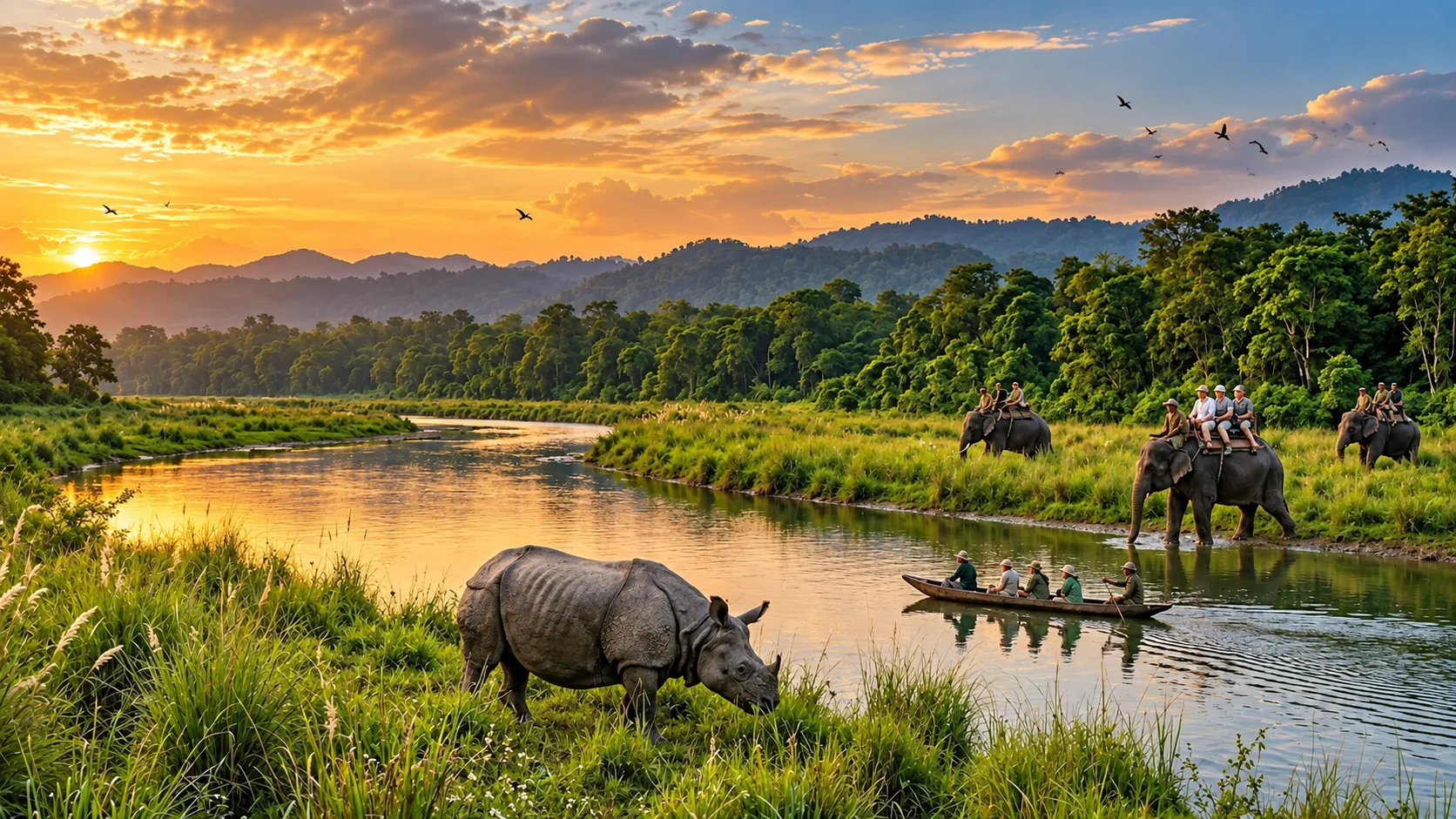
The protected area is also important for the conservation of high-altitude wildlife. Its habitats support species such as the snow leopard, Himalayan musk deer, Himalayan tahr and Himalayan black bear, together with numerous smaller mammals and bird species.
Conservation in Shey-Phoksundo is closely connected with local communities. People living in and around the protected area have traditionally depended on agriculture, livestock, forests and other natural resources. Sustainable tourism therefore has an important role in creating economic opportunities while encouraging protection of the surrounding environment.
Location of Shey-Phoksundo National Park
Shey-Phoksundo National Park is situated in north-western Nepal within Karnali Province. The park covers a very large geographical area and includes some of the most remote settlements and trekking landscapes in Nepal.
Its geographical isolation is an important part of its character. Travellers do not simply arrive at a developed tourist centre and begin sightseeing. Reaching the park normally involves domestic flights followed by trekking through remote valleys and mountain settlements.
This makes Shey-Phoksundo particularly attractive to travellers who want a genuine wilderness experience and are prepared to travel with greater flexibility and patience.
Geography and Landscape of Shey-Phoksundo
A Dramatic Himalayan Environment
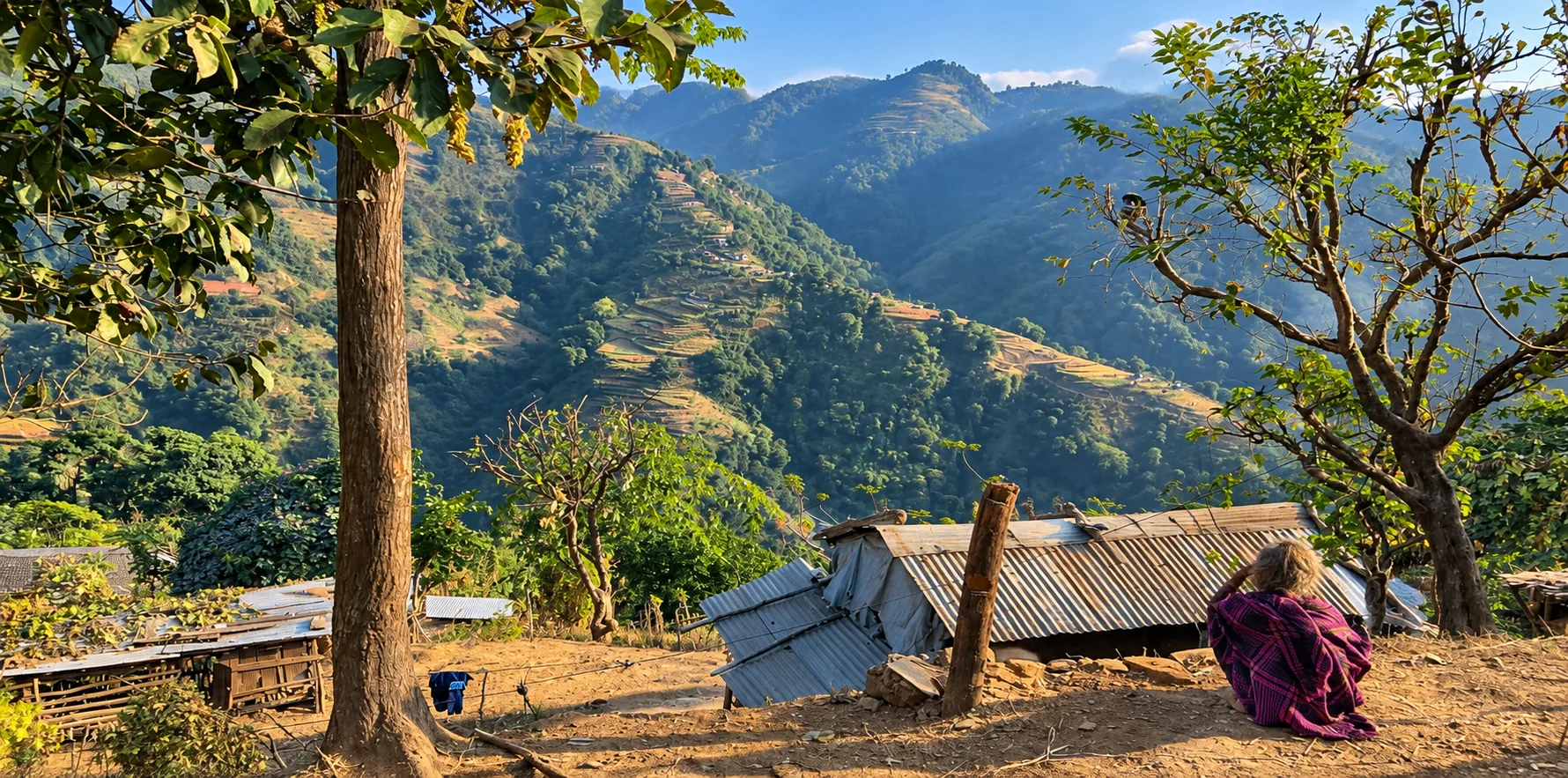
The geography of Shey-Phoksundo National Park is remarkably diverse. The southern areas contain more forested landscapes, while higher and northern sections become increasingly dry and resemble the Tibetan Plateau environment.
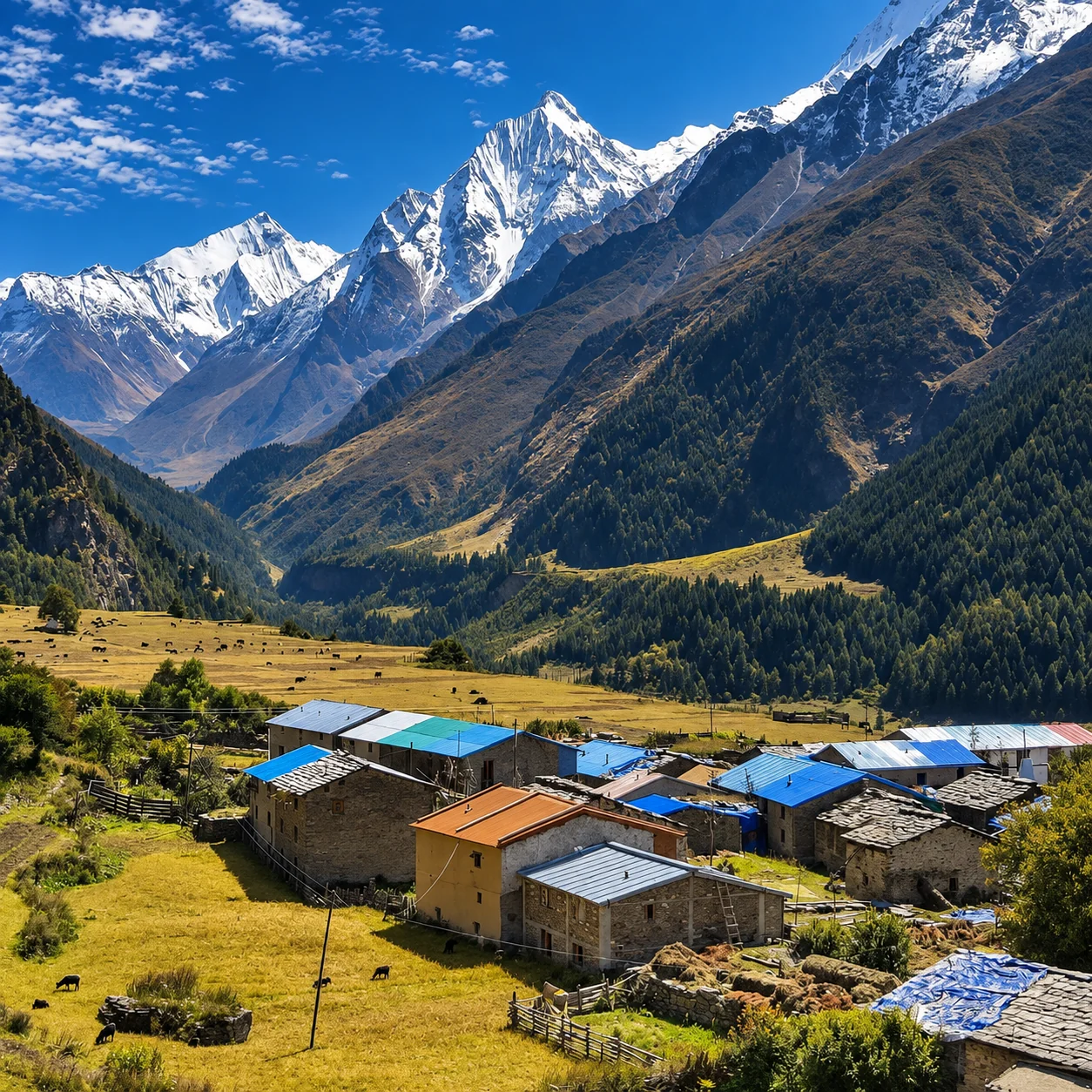
The region contains deep valleys, steep mountain slopes, alpine meadows, rocky cliffs, high passes, rivers, waterfalls and glacially influenced landscapes.
This geographical diversity also explains the park’s ecological richness. Different elevations provide habitats for different plant and animal species.
Trans-Himalayan Landscape
Parts of Dolpa lie within the Himalayan rain-shadow environment, creating landscapes that are considerably drier than many other parts of Nepal.
The result is a unique combination of rugged mountains, open valleys, sparse vegetation and traditional settlements that have adapted to the demanding environment.
For photographers, this geographical diversity provides constantly changing scenery throughout the trek.
Phoksundo Lake: The Heart of the Region
Why Phoksundo Lake Is Famous
Phoksundo Lake is the most famous natural attraction within Shey-Phoksundo National Park and is one of Nepal’s most visually distinctive mountain lakes.
Its intense turquoise-blue colour contrasts dramatically with the surrounding cliffs, forests and mountains. The remote setting makes the lake feel very different from more accessible tourist destinations in Nepal.
The lake is not simply a photography location. It forms an important part of the cultural and natural landscape of the region, with the nearby Ringmo settlement adding a strong cultural dimension to the experience.
Travellers who reach Phoksundo should allow enough time to enjoy the surroundings rather than treating the lake simply as a destination to photograph and immediately leave.
Ringmo Village
Ringmo is one of the most recognizable settlements around Phoksundo Lake. Traditional houses, local culture and the surrounding landscape provide an opportunity to understand how communities have adapted to life in the remote Himalayan environment.
Visitors should remember that Ringmo is a living community rather than simply a tourist attraction. Travellers should respect private homes, religious traditions, local customs and the privacy of residents.
Phoksundo Waterfall
Phoksundo Waterfall is another major natural attraction along the trekking route. The waterfall adds to the dramatic character of the landscape and provides an impressive transition between different sections of the trek.
The combination of the waterfall, cliffs, forests and mountain scenery makes this part of the route particularly attractive to photographers.
Major Flora of Shey-Phoksundo National Park
Forest Ecosystems
The vegetation of Shey-Phoksundo changes significantly according to altitude and local climate. Lower and middle elevations support forests containing species such as pine, walnut, willow and oak.
These forests are important habitats for wildlife and also contribute to soil stability, water systems and the overall health of the mountain ecosystem.
Higher-Altitude Vegetation
As elevation increases, vegetation becomes increasingly adapted to cold and difficult conditions. Spruce, birch and juniper can be found in suitable areas, while higher elevations contain alpine shrubs, grasses and other hardy vegetation.
The transition from forest to alpine landscape is one of the most interesting ecological features visitors can observe during a trek.
Medicinal and Native Plants
The Himalayan environment contains numerous plant species that have traditionally been used by local communities. Such resources have cultural and practical importance, which is another reason visitors should never collect plants or medicinal herbs without authorization.
Responsible travellers should observe and photograph vegetation without removing anything from the protected environment.
Importance of Forest Conservation
Forests are essential to the health of the national park. They provide wildlife habitat, protect watersheds, reduce soil erosion and support ecological processes that benefit both nature and communities.
Visitors can contribute to forest conservation simply by staying on established trails, avoiding unnecessary fires, not collecting firewood and never cutting trees or branches.
Major Wildlife of Shey-Phoksundo National Park
Snow Leopard
The snow leopard is one of the most significant species associated with the high-altitude ecosystem of Shey-Phoksundo National Park.
The animal is naturally elusive and difficult to observe. A traveller should therefore never expect a guaranteed sighting. The real value of wildlife trekking is entering a protected ecosystem where such species continue to survive in their natural habitat.
If wildlife is encountered, visitors should maintain a safe distance, remain quiet and never attempt to approach or chase the animal.
Himalayan Musk Deer
The Himalayan musk deer is another important high-altitude species found within the wider park ecosystem. Its presence reflects the importance of maintaining healthy mountain habitats.
Himalayan Tahr
Himalayan tahr are adapted to steep rocky slopes and high mountain environments. They are among the notable herbivores that can be encountered in Himalayan protected areas.
Himalayan Black Bear
Himalayan black bears occur in suitable habitats within the park. Their presence demonstrates the ecological diversity of the protected area across different elevations.
Other Wildlife
Other mammals associated with the park include goral, wild dog, jackal, marmot, hare and various smaller mammals.
Wildlife sightings depend on season, location, weather and chance. Travellers should therefore approach the experience as nature exploration rather than a guaranteed wildlife safari.
Birdwatching in Shey-Phoksundo
Himalayan Bird Species
Shey-Phoksundo is also important for bird diversity. The combination of forests, alpine meadows, cliffs and high-altitude environments provides habitats for a wide range of Himalayan birds.
Depending on the season and location, birdwatchers may encounter Himalayan pheasants, Tibetan partridge, Tibetan snowcock, choughs, ravens, Himalayan griffons, lammergeiers and other mountain species.
Bird Photography
Bird photography can be combined naturally with trekking. Travellers interested in bird photography should carry suitable lenses and equipment while avoiding unnecessary disturbance to birds and nesting areas.
Early mornings can be particularly rewarding for nature observation because wildlife and birds are often more active during cooler parts of the day.
Shey-Phoksundo National Park Buffer Zone
Importance of the Buffer Zone
The buffer zone surrounding Shey-Phoksundo National Park plays an important role in connecting conservation with local community needs.
A protected area cannot function effectively in isolation from the people who live around it. Communities depend on local resources, agricultural land, livestock and other activities, while conservation depends on responsible resource use and community participation.
Community and Conservation
Buffer-zone activities can support conservation education, community development, sustainable livelihoods and efforts to reduce conflicts between people and wildlife.
Tourism can contribute to this relationship when travellers use local services such as guides, porters, accommodation, food providers and transportation.
For visitors, choosing responsible local services is therefore not simply a matter of convenience. It can also help ensure that tourism benefits remain within the destination.
Major Attractions of Shey-Phoksundo
Phoksundo Lake
Phoksundo Lake is the primary attraction of the region, known for its unusual colour, dramatic cliffs and remote Himalayan setting.
Ringmo Village
Ringmo offers an opportunity to experience traditional Himalayan architecture and local cultural life near the lake.
Phoksundo Waterfall
The waterfall is one of the spectacular natural features encountered along the trekking route and is especially attractive for photography.
Shey Gompa
Shey Gompa is an important religious and cultural destination associated with longer Upper Dolpo trekking routes. It can be included in extended itineraries for experienced trekkers.
Dho Village
Dho is an important settlement in the wider Dolpo landscape and can be incorporated into longer journeys exploring the region's culture and traditional lifestyle.
Himalayan Mountain Passes
Extended Dolpo expeditions can cross high mountain passes and provide extraordinary views across the trans-Himalayan landscape. These sections require considerably more preparation than the focused Phoksundo Lake route.
Trekking Routes in Shey-Phoksundo National Park
Shey-Phoksundo Lake Trek
The focused Shey-Phoksundo Lake Trek is suitable for travellers who want to experience the lake and surrounding Lower Dolpo landscapes without undertaking a complete Upper Dolpo expedition.
A commonly used trekking sequence is:
Juphal → Dunai → Chhepka → Phoksundo → Ringmo → return
The exact overnight locations can vary depending on trail conditions, weather, group fitness, accommodation availability and local circumstances.
The trek provides a combination of forests, mountain valleys, waterfalls, traditional villages and high-altitude landscapes before reaching the spectacular Phoksundo Lake.
For the detailed trekking package, visit our Shey-Phoksundo Lake Trek package.
Lower Dolpo Trek
A broader Lower Dolpo journey can include additional valleys, villages and landscapes beyond the focused Phoksundo Lake itinerary.
This option is suitable for travellers with additional time who want a deeper experience of the Dolpo region.
Shey Gompa and Upper Dolpo Trek
Travellers looking for a longer and more demanding expedition can extend the journey toward Shey Gompa and other Upper Dolpo destinations.
These routes involve higher mountain passes, more remote terrain and significantly fewer facilities. Some areas are also classified as restricted trekking zones and require special permits.
How to Reach Shey-Phoksundo National Park
Kathmandu to Nepalgunj
The journey commonly begins with a domestic flight from Kathmandu to Nepalgunj. Depending on the itinerary, travellers may stay overnight in Nepalgunj before continuing toward Dolpa.
Nepalgunj to Juphal
The next stage generally involves a domestic flight from Nepalgunj toward Juphal in Dolpa. Mountain flights are highly dependent on weather and visibility.
Juphal to Dunai
After reaching Juphal, travellers continue toward Dunai, an important gateway for trekking in the Dolpa region.
Dunai to Phoksundo
From Dunai, the journey continues on foot through the Lower Dolpo landscape toward Phoksundo.
The remote nature of the destination means travellers should allow flexibility. Flight delays can affect the entire itinerary, particularly during periods of unstable mountain weather.
Accommodation and Facilities
Accommodation During the Trek
Accommodation in Shey-Phoksundo is significantly more basic than in Kathmandu, Pokhara and the major trekking regions.
Depending on the route, travellers may stay in local lodges, guesthouses, community accommodation or organized camps.
Facilities can vary considerably between villages. Travellers should therefore be prepared for simple rooms, basic bathrooms, limited hot water and limited electricity.
Camping
Camping becomes increasingly important when travelling into remote sections where local accommodation is unavailable.
For organized camping trips, a trekking team can coordinate tents, sleeping arrangements, cooking equipment, food supplies and other expedition requirements.
Electricity and Internet
Electricity availability is limited in many remote settlements. Charging facilities may not always be available, so carrying power banks and spare batteries is recommended.
Internet and mobile connectivity can also be intermittent or completely unavailable in some sections.
Banking and ATMs
Travellers should not depend on ATMs during the trek. Cash should be arranged in advance because banking facilities are extremely limited in remote Dolpa.
Food and Drinking Water
Food During the Trek
Food arrangements depend on the trekking route and accommodation. Typical trekking meals may include dal bhat, rice, noodles, pasta, soups, potatoes, eggs, vegetables, Tibetan-style foods and hot drinks.
On camping expeditions, food supplies and cooking arrangements need to be planned before entering remote areas.
Vegetarian and Dietary Requirements
Vegetarian food can generally be arranged, while specific dietary requirements should be communicated before departure.
For specialized diets, advance planning is particularly important because food choices become more limited in remote areas.
Drinking Water
Natural water sources can be found along parts of the route, but untreated water should not be consumed directly.
Travellers should use boiled, filtered or appropriately purified water. Carrying a reusable water bottle or hydration system is strongly recommended.
Using reusable bottles also helps reduce plastic pollution in the protected area.
Best Time to Visit Shey-Phoksundo
Spring Season
Spring, particularly March to May, can offer favourable conditions for trekking. Weather generally improves, mountain landscapes become attractive for photography and vegetation begins to develop at suitable elevations.
Autumn Season
Autumn, particularly September to November, is another popular trekking period. Mountain visibility can be good, and conditions are generally favourable for trekking and photography.
Winter Season
Winter brings very cold temperatures and snow to higher areas. Some trails and passes can become difficult or inaccessible, so winter itineraries require careful route planning and appropriate equipment.
Monsoon Season
Although Dolpa contains rain-shadow areas, monsoon weather can still influence flights, roads, trails and local conditions. The exact route should therefore be assessed before travel during this period.
Safety Precautions
Altitude Awareness
Altitude is one of the most important safety considerations on a Dolpa trek. The body needs time to adapt as elevation increases, so itineraries should allow appropriate acclimatization.
Travellers should communicate immediately with their guide if they experience significant headache, dizziness, nausea, unusual fatigue, difficulty breathing or other concerning symptoms.
Weather and Flight Safety
Mountain weather can change quickly. Even when conditions appear favourable in Kathmandu or Nepalgunj, flights into mountain airports can be delayed because of local weather.
Adding buffer days is therefore an important part of planning a safe and realistic itinerary.
Travel Insurance
Comprehensive travel insurance that covers trekking at the applicable altitude and emergency evacuation is strongly recommended.
Travellers should understand their policy before departure and ensure that the planned activity and altitude are covered.
Trekking With a Guide
An experienced guide can help with route navigation, accommodation, communication, weather-related decisions and emergency coordination.
In a remote destination such as Dolpa, local knowledge can be particularly valuable.
How to Conserve Forests During the Trek
Stay on Established Trails
Walking on designated trails reduces damage to vegetation and prevents the creation of unnecessary paths through fragile mountain environments.
Do Not Cut Trees
Travellers should never cut trees or collect branches for fuel.
Forest resources are important to local communities and wildlife, and unnecessary use can place additional pressure on fragile ecosystems.
Avoid Unnecessary Fires
Use designated cooking facilities, lodges or organized camping arrangements rather than creating unauthorized fires.
Do Not Collect Plants
Visitors should not collect flowers, medicinal herbs, shrubs or other vegetation from the protected area.
Photographing plants is a better way to remember the landscape without damaging it.
How to Stop Pollution in Shey-Phoksundo
Reduce Plastic Waste
Use reusable bottles and avoid unnecessary single-use packaging.
Carry Out Your Waste
Non-biodegradable waste should be carried out from remote trekking areas and disposed of appropriately.
Protect Phoksundo Lake
Phoksundo Lake is one of the most valuable natural assets of the region. Visitors should never throw plastic, food packaging, bottles or other waste into the lake or surrounding environment.
Follow Responsible Trekking Principles
A simple principle should guide every visitor:
Carry in what you carry out.
Responsible waste management is particularly important in remote areas because waste collection and disposal systems are limited.
Park Regulations and Things to Remember
Required Permits
Travellers must obtain the appropriate national park entry permit. Additional restricted-area permits are required for certain Upper Dolpo routes.
Wildlife Protection
Hunting, trapping, feeding, chasing or intentionally disturbing wildlife is prohibited.
Wildlife observation should always prioritize animal welfare and habitat protection.
Plants and Natural Materials
Visitors should not collect plants, flowers, medicinal herbs, rocks, fossils or other natural materials from protected areas.
Cultural Respect
Monasteries, religious sites and villages should be treated respectfully. Visitors should ask permission before photographing people and should follow local customs.
Drone Regulations
Drone operations are subject to applicable aviation, conservation and local regulations. Required permissions should be obtained before operating a drone.
Waste Management
All travellers should manage their waste responsibly and avoid leaving plastic, food packaging or other rubbish along trails, around villages or beside the lake.
Shey-Phoksundo National Park Entry Fees and Trekking Permit Costs
National Park Entry Fee
A national park entry permit is required to enter Shey-Phoksundo National Park. The current Nepal Tourism Board fee table lists the following rates for Shey-Phoksundo National Park:
| Visitor Category | Current Fee |
|---|---|
| Nepali Citizens | NPR 100 per person per entry |
| SAARC Nationals | NPR 1,500 per person per entry |
| Other Foreign Nationals | NPR 3,000 per person per entry |
| Children below 10 years | Free |
These are the current published national park entry rates listed by Nepal Tourism Board.
The park entry fee is separate from other trekking permits, domestic flights, accommodation, guide and porter costs, transportation and personal expenses.
Upper Dolpo Restricted-Area Permit
Travellers continuing from the Phoksundo area into designated Upper Dolpo restricted areas may require a separate restricted-area trekking permit.
The Department of Tourism currently lists the Upper Dolpa restricted-area permit at:
USD 500 per person for the first 10 days
USD 50 per person per day after the first 10 days
The applicable Upper Dolpa restricted areas listed by the Department of Tourism include designated areas of Dolpo Buddha Rural Municipality, Shey Phoksundo Rural Municipality and Charka Tangsong Rural Municipality.
Lower Dolpa Restricted-Area Permit
Certain areas classified as Lower Dolpa restricted areas have a separate permit requirement.
The Department of Tourism currently lists:
USD 20 per person per week
USD 5 per person per day beyond one week
The exact requirement depends on whether the selected trekking route enters one of the officially designated restricted areas.
Important Permit Information
Travellers should understand that the national park entry fee and restricted-area trekking permit are not the same thing.
For a standard Phoksundo Lake itinerary, the applicable national park entry fee is generally the key protected-area fee. If the itinerary continues into a designated restricted area of Upper or Lower Dolpo, additional permits may apply.
Permit requirements and government fees can change, so the applicable rates should be reconfirmed when the trek is booked.
Permit Arrangements Through Khushi Travels
Khushi Travels & Consulting Group Pvt. Ltd. can assist with the applicable permit arrangements according to your trekking route.
Before confirming the trip, our team can review the planned itinerary and identify the required national park entry permit and any additional restricted-area permit requirements.
Use of Park Revenue and Conservation
Supporting Conservation
Tourism and protected-area revenue form part of the broader system used to manage protected areas and support conservation activities.
These activities can include park protection, biodiversity conservation, habitat management, tourism management, conservation education and other environmental programs.
Supporting Local Communities
The buffer-zone approach connects conservation with community development and sustainable livelihood opportunities.
Tourism can contribute to local communities through employment and spending on guides, porters, accommodation, food, transportation and other services.
Why Responsible Visitors Matter
Visitors who obtain the correct permits, use legitimate local services and follow conservation regulations contribute to a tourism system that is more compatible with long-term environmental protection.
Suggested Shey-Phoksundo Lake Trek Itinerary
Day 1: Kathmandu to Nepalgunj
Fly from Kathmandu to Nepalgunj. Depending on the flight schedule and overall itinerary, spend the night in Nepalgunj and prepare for the mountain flight.
Day 2: Nepalgunj to Juphal and Dunai
Fly toward Juphal and continue toward Dunai according to local transportation and trekking conditions.
The day provides the first major transition from Nepal's urban environment into the remote Himalayan landscape of Dolpa.
Day 3: Dunai to Chhepka
Begin the trekking journey through Lower Dolpo. The trail gradually introduces travellers to the forests, valleys and mountain landscapes that characterize the region.
Day 4: Chhepka to Chunuwar Area
Continue through forested terrain and mountain valleys. The walking conditions can vary, so the trekking pace should remain comfortable and consistent.
Day 5: Trek Toward Phoksundo
Continue toward the Phoksundo region while experiencing waterfalls, cliffs, forests and increasingly dramatic mountain scenery.
Day 6: Phoksundo Lake and Ringmo Exploration
Spend the day exploring the spectacular Phoksundo Lake and nearby Ringmo area.
This is an excellent opportunity for landscape photography, cultural observation and relaxed exploration after the preceding trekking days.
Day 7: Phoksundo Exploration
A dedicated exploration day provides additional time around the lake and surrounding trails. It also provides a useful opportunity to rest and enjoy the environment without rushing.
Day 8: Phoksundo to Chhepka
Begin the return journey toward Chhepka, following the established trekking route through the Lower Dolpo landscape.
Day 9: Chhepka to Dunai
Continue toward Dunai and prepare for the return journey through Juphal.
Day 10: Dunai to Juphal and Nepalgunj
Return toward Juphal and take the flight to Nepalgunj, subject to flight availability and weather conditions.
Day 11: Nepalgunj to Kathmandu
Fly from Nepalgunj back to Kathmandu, completing the focused Shey-Phoksundo Lake trekking experience.
This itinerary is a planning example. Actual walking distances, overnight locations, flight schedules and trekking days can be adjusted according to weather, trail conditions, group fitness and local circumstances.
Extended Shey and Upper Dolpo Adventure
Longer Expedition Option
Travellers with additional time and appropriate trekking experience can extend their journey beyond Phoksundo toward Shey Gompa and Upper Dolpo.
An extended Dolpo expedition provides a much deeper experience of the region's culture, landscape and remote settlements. However, it also requires considerably more preparation.
Longer routes can involve high mountain passes, limited accommodation, camping, restricted-area permits, longer walking days and more demanding weather conditions.
Such journeys should therefore be planned with experienced local guides, appropriate acclimatization, sufficient supplies and contingency time.
Who Should Visit Shey-Phoksundo?
Adventure Travellers
Shey-Phoksundo is particularly suitable for travellers looking for remote Himalayan adventure and a trekking experience away from highly developed tourist routes.
Nature Lovers
The park offers an impressive combination of forests, alpine landscapes, mountain valleys, waterfalls and high-altitude environments.
Wildlife Enthusiasts
Travellers interested in Himalayan wildlife can explore a protected ecosystem associated with species such as snow leopard, Himalayan musk deer, Himalayan tahr and Himalayan black bear.
Photographers
Phoksundo Lake, mountain landscapes, traditional villages, waterfalls, wildlife and local culture provide extensive opportunities for photography.
Cultural Travellers
The region offers opportunities to experience traditional Himalayan communities, Buddhist and Bon cultural influences, monasteries and distinctive local lifestyles.
Responsible Tourism in Shey-Phoksundo
Support Local Communities
Hiring local guides and porters and using local accommodation and services helps ensure that tourism creates economic opportunities within the destination.
Respect Local Culture
Travellers should remember that villages and monasteries are part of living communities. Respect for local traditions, religious practices, private spaces and cultural norms is essential.
Protect Wildlife
Wildlife should never be disturbed for photographs or entertainment. Maintaining distance and following guide instructions are important.
Minimize Environmental Impact
Travellers can reduce their environmental footprint by using reusable products, minimizing plastic, conserving water, managing waste properly and avoiding unnecessary pressure on forests.
Khushi Travels Shey-Phoksundo Lake Trek Services
Complete Trekking Arrangements
Khushi Travels & Consulting Group Pvt. Ltd. provides local travel planning and trekking support for travellers exploring Shey-Phoksundo and the wider Dolpa region.
Depending on the selected itinerary, our services can include domestic flights, trekking permits, accommodation, guides, porters, transportation, camping arrangements, meals, trekking equipment coordination and other logistical requirements.
Customized Shey-Phoksundo Trips
Every traveller has different requirements. Some visitors may want a focused Phoksundo Lake trekking experience, while others may want wildlife photography, cultural exploration, additional acclimatization days or an extended Upper Dolpo expedition.
We can customize the itinerary according to your travel dates, group size, trekking experience, available time, budget and preferred travel style.
Dedicated Shey-Phoksundo Lake Trek Package
For travellers specifically interested in visiting Phoksundo Lake, explore our Shey-Phoksundo Lake Trek: Scenic Himalayan Adventure in Nepal.
Our team can also assist with the supporting services required before, during and after the trek.
Frequently Asked Questions
- What is the Shey-Phoksundo Lake Trek?
The Shey-Phoksundo Lake Trek is a remote Himalayan trekking journey through Shey-Phoksundo National Park in Dolpa, Nepal. It combines dramatic mountain scenery, forests, waterfalls, traditional villages, Himalayan culture and the spectacular Phoksundo Lake. It is particularly suitable for travellers looking for a less-developed and more wilderness-oriented trekking experience.
- Where is Shey-Phoksundo Lake located?
Phoksundo Lake is located inside Shey-Phoksundo National Park in Dolpa District of Karnali Province, north-western Nepal. Its remote geographical location is one of the reasons the lake and surrounding region retain a strong wilderness character.
- What makes the Shey-Phoksundo Lake Trek unique?
The trek combines remote Himalayan wilderness, dramatic mountain scenery, traditional settlements, Buddhist and Bon cultural heritage, diverse wildlife and one of Nepal's most spectacular mountain lakes. Unlike more developed trekking areas, the journey provides a stronger sense of isolation and traditional Himalayan life.
- Why is Phoksundo Lake famous?
Phoksundo Lake is famous for its striking turquoise-blue water, dramatic surrounding cliffs and mountains, nearby Ringmo village and its location within Shey-Phoksundo National Park. The combination of colour, landscape and remoteness makes it one of Nepal's most distinctive natural attractions.
- What are the major attractions of the Shey-Phoksundo Trek?
Major attractions include Phoksundo Lake, Ringmo village, Phoksundo Waterfall, Himalayan forests, mountain valleys, traditional settlements, monasteries and wildlife habitats. The journey itself is also an important attraction because the trail passes through remote landscapes rarely experienced by mass tourism.
- How many days are needed for the Shey-Phoksundo Lake Trek?
A focused trek generally requires around 10 to 12 days including domestic flights and trekking, although the exact duration depends on the route and itinerary. Additional days can be added for acclimatization, photography, weather contingencies or extended exploration.
- What is the typical route of the Shey-Phoksundo Lake Trek?
A common route follows Juphal, Dunai, Chhepka, the Phoksundo area and Ringmo before returning toward Dunai and Juphal. Exact overnight locations can change according to weather, trail conditions, accommodation availability and the needs of the trekking group.
- How do I get to Shey-Phoksundo Lake from Kathmandu?
The common access route is Kathmandu to Nepalgunj, Nepalgunj to Juphal and then trekking through Dunai toward Phoksundo Lake. Because mountain flights can be affected by weather, travellers should include flexibility and contingency time in their itinerary.
- Is Shey-Phoksundo Lake Trek difficult?
It is a challenging Himalayan trek because of its altitude, remote location, uneven terrain, long walking days and limited infrastructure. Travellers should prepare physically and mentally for a wilderness trekking environment rather than expecting the facilities available on Nepal's more developed trekking routes.
- Is the Shey-Phoksundo Trek suitable for beginners?
It may be possible for well-prepared beginners with good physical fitness, but the trek should not be considered an easy hiking holiday. Beginners should travel with appropriate preparation, acclimatization and experienced trekking support.
- What is the best time to visit Shey-Phoksundo Lake?
Spring and autumn are generally favourable seasons, particularly March to May and September to November. These periods can provide suitable trekking conditions and good opportunities for mountain photography, although weather conditions can still vary.
- Can I visit Shey-Phoksundo Lake in winter?
Winter travel can be significantly more challenging because of cold temperatures, snowfall and difficult high-altitude conditions. Travellers should confirm route accessibility and prepare with appropriate equipment and contingency planning.
- Can I trek to Phoksundo Lake during the monsoon?
Some areas of Dolpa are influenced by rain-shadow conditions, but monsoon weather can still affect flights, trails and transportation. A route-specific assessment should be made before confirming travel during the monsoon season.
- Is altitude a concern on the Shey-Phoksundo Trek?
Yes. Altitude is an important consideration, particularly on higher sections and longer itineraries. Gradual acclimatization, adequate hydration, sufficient rest and immediate communication with the guide when symptoms develop are important safety practices.
- What wildlife can be seen in Shey-Phoksundo National Park?
The park supports wildlife including snow leopard, Himalayan musk deer, Himalayan tahr, Himalayan black bear, goral, wild dog, jackal and marmot. The actual wildlife encountered depends on location, season, weather and chance.
- Can I see a snow leopard during the Shey-Phoksundo Trek?
Snow leopards inhabit the region, but sightings are rare and cannot be guaranteed. Travellers should approach wildlife observation responsibly and understand that simply entering the snow leopard habitat is itself an important nature experience.
- Is Shey-Phoksundo suitable for wildlife and nature photography?
Yes. The region provides excellent opportunities for landscape, wildlife, bird and cultural photography. Phoksundo Lake, mountain valleys, waterfalls, traditional villages and Himalayan wildlife all provide different photographic subjects.
- Is Shey-Phoksundo good for birdwatching?
Yes. The national park supports diverse Himalayan and high-altitude bird species. Birdwatchers can combine bird observation with trekking and landscape photography while respecting nesting areas and maintaining a suitable distance from wildlife.
- What type of flora is found in Shey-Phoksundo National Park?
Vegetation varies by altitude and includes pine, walnut, willow, oak, spruce, birch, juniper, alpine shrubs and high-altitude grasslands. This variation reflects the park's wide range of elevations and ecological conditions.
- Is Shey-Phoksundo an eco-tourism destination?
Yes. The region is highly suitable for responsible nature-based tourism because it combines protected biodiversity, traditional communities, cultural heritage and fragile Himalayan ecosystems. Responsible travel practices are particularly important because infrastructure is limited.
- What type of accommodation is available on the Shey-Phoksundo Trek?
Accommodation varies by route and can include basic lodges, guesthouses, community accommodation and camping. Travellers should expect simpler facilities than those found in Kathmandu, Pokhara or the more developed trekking corridors.
- Is camping required for the Shey-Phoksundo Trek?
Camping is not necessarily required for every focused itinerary, but it becomes increasingly important on longer and more remote routes. Camping arrangements can include tents, cooking equipment, food supplies and other expedition logistics.
- Are food and meals available during the trek?
Yes. Meals can be arranged through local accommodation or organized trekking and camping services. Common foods include dal bhat, rice, noodles, soups, potatoes, eggs, vegetables and hot beverages, while remote camping routes require advance food planning.
- Is drinking water available during the Shey-Phoksundo Trek?
Natural water sources may be available, but untreated water should not be consumed directly. Travellers should use filtered, boiled or appropriately purified water and carry reusable bottles or hydration systems.
- What should I pack for the Shey-Phoksundo Trek?
Important items include comfortable trekking boots, warm layers, rain protection, trekking clothes, personal medication, water bottles, sun protection, a headlamp, power bank, personal hygiene supplies and appropriate trekking equipment. The exact packing list depends on season and whether camping is included.
- Do I need a sleeping bag for the Phoksundo Trek?
A sleeping bag is recommended, particularly for colder conditions, camping sections and basic accommodation. A suitable sleeping bag can provide additional warmth when temperatures fall significantly at night.
- Is mobile network and internet available in Shey-Phoksundo?
Connectivity can be limited or unavailable in remote areas. Travellers should not depend on continuous internet or mobile service and should prepare for periods without communication.
- Are ATMs available along the trekking route?
ATM facilities are extremely limited in remote Dolpa. Travellers should arrange sufficient cash before entering remote sections because card and digital payment facilities cannot always be relied upon.
- Do I need a permit for Shey-Phoksundo National Park?
Yes. Travellers entering the national park require the applicable national park entry permit. For the current published fee schedule, Nepali visitors pay NPR 100 per entry, SAARC nationals pay NPR 1,500 per entry, and other foreign nationals pay NPR 3,000 per entry. Children below 10 years are listed as free.
- Is a special permit required for Upper Dolpo?
Certain Upper Dolpo areas are classified as restricted trekking areas and require additional special permits. The current Department of Tourism schedule lists the Upper Dolpa restricted-area permit at USD 500 per person for the first 10 days and USD 50 per person per day thereafter.
- Can Khushi Travels arrange the required trekking permits?
Yes. Khushi Travels can assist with the applicable national park and restricted-area permit arrangements as part of an organized trekking itinerary. The exact permits and fees depend on the selected route.
- What safety precautions should I take during the Shey-Phoksundo Trek?
Travellers should acclimatize properly, stay hydrated, follow guide instructions, carry suitable clothing and equipment, allow weather and flight buffers and maintain comprehensive travel insurance. Because medical facilities are limited, preparation is particularly important.
- Is travel insurance necessary for the Shey-Phoksundo Trek?
Comprehensive travel insurance covering trekking at the applicable altitude and emergency evacuation is strongly recommended. Travellers should carefully review their policy before departure to make sure their planned trekking activities are covered.
- Should I trek to Shey-Phoksundo with a guide?
Yes. An experienced local guide can assist with navigation, accommodation, communication, cultural interaction, route decisions and safety. Local knowledge becomes particularly valuable when weather or trail conditions change.
- How can travellers help conserve the forests of Shey-Phoksundo?
Travellers should avoid cutting vegetation, collecting firewood, damaging plants and creating unauthorized fires. Staying on established trails and using organized accommodation and camping facilities can also reduce pressure on the surrounding forests.
- How can I prevent pollution during the Phoksundo Trek?
Use reusable bottles, minimize plastic, avoid unnecessary single-use products, manage waste properly and carry non-biodegradable waste out of remote areas. Visitors should be particularly careful around Phoksundo Lake, rivers, villages and camping areas.
- Can I collect plants, flowers or natural materials from the national park?
No. Visitors should not remove plants, flowers, medicinal herbs, rocks or other natural materials from protected areas. The best way to appreciate the natural environment is to observe and photograph it without damaging it.
- Can I photograph wildlife in Shey-Phoksundo National Park?
Yes. Wildlife photography is possible, but animals should always be photographed from a safe and respectful distance. Chasing, feeding, cornering or deliberately disturbing wildlife should be avoided.
- Can I fly a drone around Phoksundo Lake?
Drone use is subject to applicable aviation, conservation and local regulations. Travellers should obtain the necessary permissions before flying a drone and should avoid disturbing wildlife or local communities.
- What cultural etiquette should I follow in Dolpa?
Travellers should respect local traditions, dress appropriately at religious sites, ask permission before photographing people, avoid entering restricted religious areas and follow local guidance when visiting monasteries and villages.
- Can I combine the Phoksundo Lake Trek with Upper Dolpo?
Yes. A longer itinerary can potentially connect the Phoksundo area with Upper Dolpo, but this becomes a more demanding expedition. Additional permits, longer trekking days, higher passes and more extensive logistics may be required.
- Can the Shey-Phoksundo Lake Trek be customized?
Yes. The itinerary can be customized according to travel duration, group size, trekking experience, photography interests, accommodation preferences, acclimatization needs and desired route. This allows travellers to create a journey suited to their available time and interests.
- Can Khushi Travels arrange domestic flights for the Shey-Phoksundo Trek?
Yes. Khushi Travels can assist with domestic flight arrangements connecting Kathmandu, Nepalgunj and the Dolpa region. Because mountain flights can be weather dependent, we also recommend allowing appropriate flexibility in the itinerary.
- Can Khushi Travels arrange accommodation and transportation?
Yes. We can coordinate hotels, local accommodation, airport transfers, transportation, domestic flights and trekking logistics according to the selected itinerary and service requirements.
- Can I book a private Shey-Phoksundo Trek?
Yes. Private trekking arrangements can be organized for individuals, couples, families, friends, photographers and private groups. Private itineraries can provide greater flexibility in pacing and travel arrangements.
- Can Khushi Travels organize group departures to Shey-Phoksundo?
Yes. Group trekking arrangements can be organized according to travel dates, group size, route availability and required logistics. The itinerary can be structured according to the group's overall trekking ability.
- How much does the Shey-Phoksundo Lake Trek cost?
The cost depends on trekking duration, group size, domestic flights, permits, accommodation, guide and porter services, meals, transportation, camping requirements and other services. Because these factors vary, a customized quotation provides the most accurate price.
- What is included in a Shey-Phoksundo Lake Trek package?
Depending on the selected package, services may include domestic flights, accommodation, applicable permits, guide, porter, meals, transportation, camping arrangements and other agreed trekking logistics. All inclusions and exclusions should be confirmed in the final quotation.
- How can I book the Shey-Phoksundo Lake Trek with Khushi Travels?
Travellers can contact Khushi Travels with their preferred travel dates, number of travellers, nationality, trekking experience and desired itinerary. Our team can then prepare a suitable trekking plan and quotation. You can also explore our Shey-Phoksundo Lake Trek package for more information.
- Why choose Khushi Travels for my Shey-Phoksundo Trek?
Khushi Travels provides local Nepal travel support for remote trekking journeys, including itinerary planning, domestic flights, permits, accommodation, transportation, guides, porters, camping and customized trekking logistics. Our local coordination is designed to make the practical side of travelling through remote Dolpa easier while allowing travellers to focus on the landscape, culture and wilderness experience.
Plan Your Shey-Phoksundo Journey With Khushi Travels
Shey-Phoksundo National Park offers a rare combination of wilderness, wildlife, culture, adventure and spectacular Himalayan scenery. From the turquoise waters of Phoksundo Lake and the traditional settlement of Ringmo to the forests, waterfalls, high mountain landscapes and wildlife habitats of Dolpa, the destination provides an experience that is very different from Nepal's more commercial trekking routes.
The remoteness of the region is both its greatest attraction and an important consideration when planning a trip. Travellers should be prepared for basic facilities, limited communication, unpredictable mountain flights, challenging terrain and changing weather. With appropriate planning, experienced local support and responsible travel practices, however, Shey-Phoksundo can become one of the most memorable trekking experiences in Nepal.
At Khushi Travels & Consulting Group Pvt. Ltd., we can coordinate your journey according to your travel dates, group size, trekking experience, budget and preferred travel style.
Our services include trekking arrangements, domestic flights, permits, accommodation, guides, porters, transportation, camping, customized itineraries, wildlife and nature experiences and complete travel coordination.
Explore our Shey-Phoksundo Lake Trek: Scenic Himalayan Adventure in Nepal or contact our team for a customized Dolpa trekking plan.
Khushi Travels & Consulting Group Pvt. Ltd.
Location: Sorhakhutte Thamel Kathmandu, Nepal
WhatsApp / Contact: +977 9768988868
Website: khushiservice.com
Email: info@khushiservice.com / bookings@khushiservice.com
Trekking | Domestic Flights | Hotels | Guides | Porters | Permits | Transportation | Wildlife Tours | Customized Nepal Tours | B2B Ground Handling
Your Plan. Your Budget. Our Support.
Similar Blogs
We are associated with