
Bhairab Kunda Lake Trek: Nepal's Best Short Trek?

The Bhairab Kunda Lake Trek is a genuine 3-day trip to a sacred alpine lake at 4,250m near the Nepal-Tibet border, using private vehicle transport to cut most of the approach so only one day is spent actually walking uphill. It's "short" in calendar days, but not short in altitude: reaching 4,250m within 48 hours of leaving Kathmandu is a real physical undertaking, not a casual day hike. Whether it's Nepal's "best" short trek depends on what you're comparing it to, and this guide lays out the honest case for and against.
What This Trek Actually Is
Most "short treks near Kathmandu" are day hikes or two-day village walks that stay under 2,000m. Bhairab Kunda is a different animal entirely. It's a sacred alpine lake in the Sindhupalchok district, close to the Nepal-Tibet border, sitting at 4,250 meters, the kind of altitude normally associated with week-long teahouse treks, not a weekend trip.
What makes the 3-day version possible is transportation, not terrain. Rather than walking the entire approach over several days, the itinerary drives most of the elevation gain by private vehicle, leaving only one genuine trekking day: the hike up to the lake and back. That's the trade that defines this trek, and it's worth understanding clearly before you book.
The 3-Day Itinerary
Day 1: Kathmandu to Bagam (1,800m)
An early pickup from your hotel in Kathmandu, followed by a scenic 6 to 7-hour drive through countryside, terraced fields, and river valleys to Bagam village. Overnight at a local lodge or homestay.
Day 2: Chokar Mokar (2,800m) to Bhairab Kunda (4,250m) and back
After breakfast, a 3 to 4-hour off-road drive to Chokar Mokar. From here, the actual hike begins: approximately 3 to 4 hours uphill to the lake, with time at the top for exploration and photography, then a descent back to Chokar Mokar to sleep. This is the only trekking day, and it's also the day that matters most for altitude.
Day 3: Return to Kathmandu
Breakfast, then the return drive to Kathmandu via Bagam, approximately 7 to 8 hours, dropping you at your hotel.
| Duration | 3 days |
| Max altitude | 4,250m |
| Difficulty | Moderate |
| Best season | Spring (Mar-May), Autumn (Sep-Nov) |
| Accommodation | Hotel in Kathmandu, local lodge/homestay on trek |
| Transportation | Private vehicle |
| Group size | 1 to 10 people |
| Price | From $250 per person |
See the full Bhairab Kunda Lake Trek package page for current departures and inclusions.
Is It Really "Nepal's Best Short Trek"? The Honest Case
The case for it:
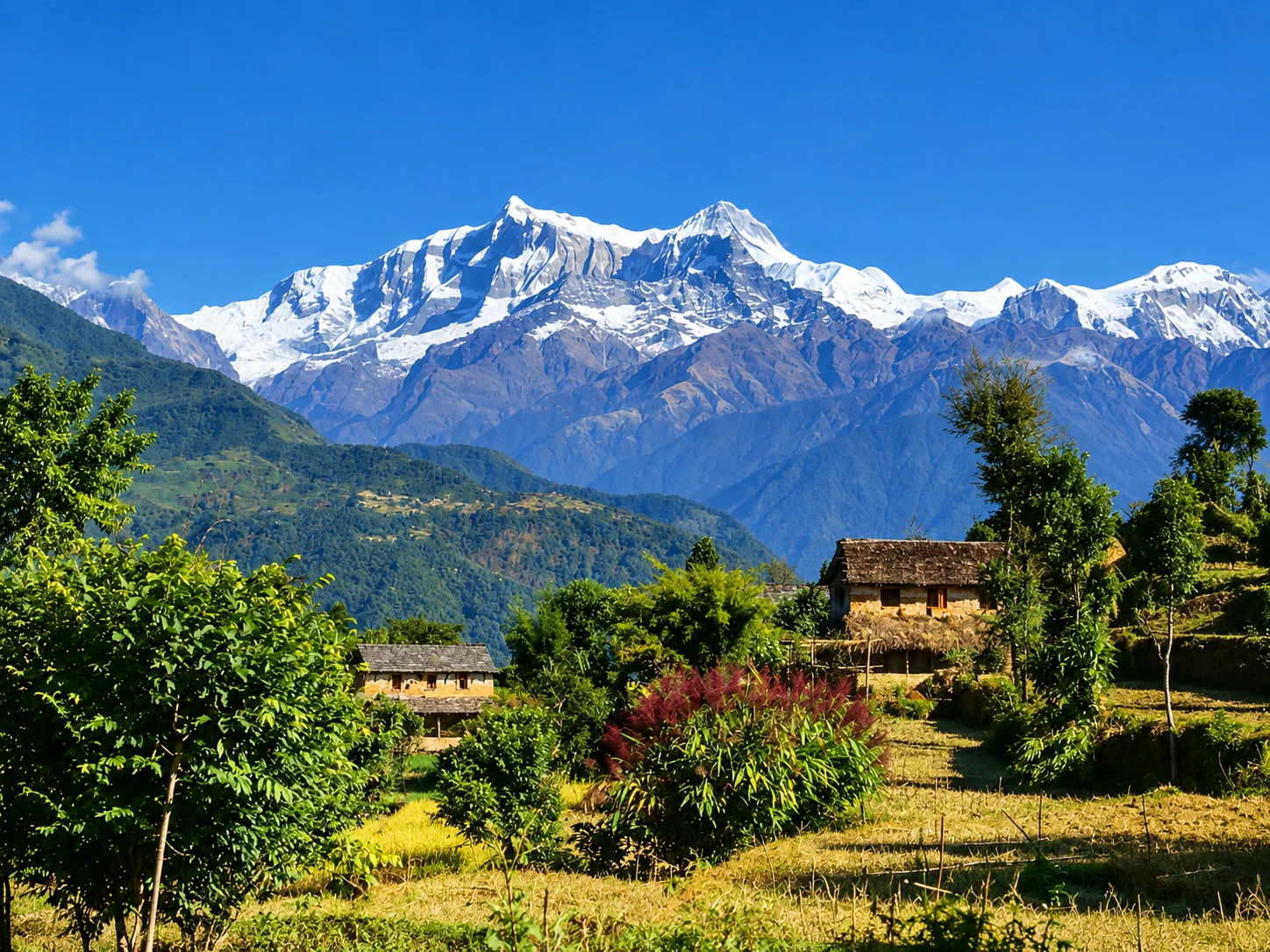
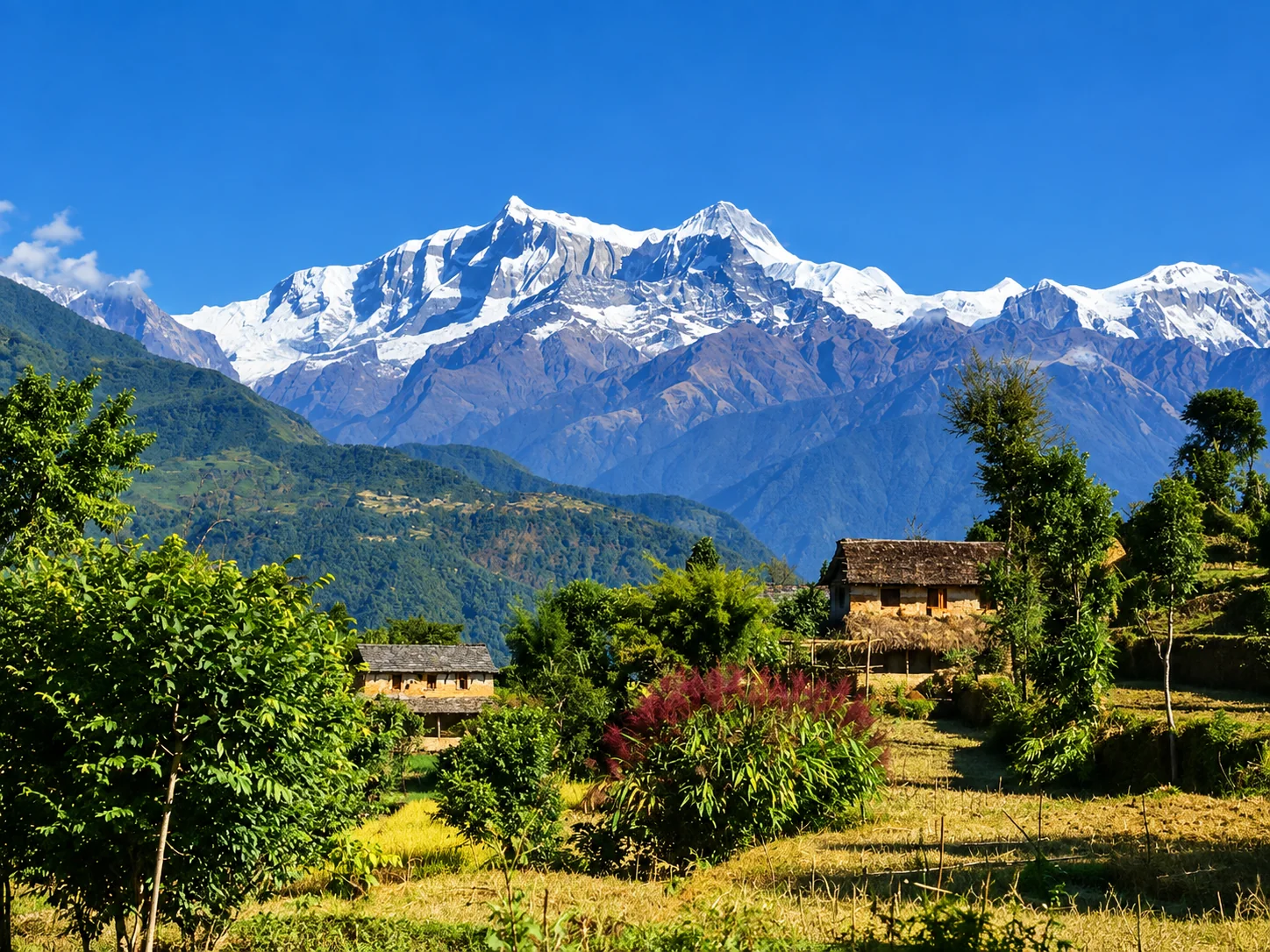
- It genuinely delivers a 4,250m sacred alpine lake, snow-capped peaks, and remote Tamang village culture in just 3 days, something few other short itineraries in Nepal can match
- The private vehicle access means you don't need multiple trekking days of stamina, just one solid uphill push
- It's budget-friendly compared to longer treks, starting around $250
- It reaches a site of real religious significance (pilgrims visit during Janai Purnima) rather than just a scenic viewpoint
The case for caution:
- Reaching 4,250m within 48 hours of leaving Kathmandu (1,400m) is a fast altitude gain by any standard trekking guideline. Most high-altitude treks spread this kind of elevation gain over many more days specifically to reduce altitude sickness risk
- Khushi Travels' own trip page rates the trek moderate difficulty and states plainly that altitude sickness is a real risk at 4,250m
- Day 2 alone involves a 1,450m elevation gain on foot (2,800m to 4,250m) in a single uphill push, which is physically demanding regardless of fitness level
- Accommodation past Bagam is basic (local lodges or homestays), and facilities become limited as you go higher
So: is it the "best" short trek? It's one of the most rewarding in terms of scenery and cultural significance for the time invested, but it's not the easiest or lowest-risk short trip near Kathmandu. If what you want is a gentle one or two-day escape, this isn't the right fit. If you want a short, genuinely high-altitude Himalayan experience and you're prepared for it, it's hard to match in just 3 days.
Should You Do It? A Straight Answer
Do it if:
- You want a real high-altitude Himalayan experience without committing a full week
- You're reasonably fit and comfortable with a demanding single-day climb
- You're interested in Tamang culture, remote villages, and a site of genuine spiritual significance
- You understand and respect the altitude risk and are willing to listen to your guide
Skip it, or choose a different trek, if:
- You have any heart, lung, or other condition that makes rapid altitude gain risky, without medical clearance first
- You want a low-effort day hike (choose Chandragiri Cable Car & Champadevi or Nagarkot Sunrise instead)
- You'd prefer a gentler altitude profile spread over more days (consider the longer, teahouse-style version of this same region, or a route like Panchase Hill Eco Hike)
- You're traveling with young children or anyone advised against high-altitude travel
Altitude: What You Need to Take Seriously
This is the single most important thing to understand about this trek. Nepal's standard safe-ascent guidance above 3,000m is roughly 300 to 500m of sleeping-altitude gain per day. This itinerary's day-hike to 4,250m, even though you descend to sleep lower at Chokar Mokar (2,800m), still represents a significant and rapid elevation exposure in one day.
What this means practically:
- Go at a steady, unhurried pace on Day 2. Rushing increases risk.
- Drink water consistently throughout the climb, more than feels necessary.
- Avoid alcohol the night before and during the trek.
- Know the early symptoms: headache, nausea, dizziness, unusual fatigue, or shortness of breath beyond normal exertion.
- Tell your guide immediately if you notice any of these. Don't push through them.
- If symptoms become severe, descending is the correct response, not continuing to the top.
- Travel insurance that covers high-altitude trekking and emergency evacuation is strongly recommended, not optional, for this specific trek.
This is general travel guidance, not medical advice. If you have a heart condition, respiratory condition, or any condition affecting your tolerance for altitude, consult your doctor before booking, and tell us when you enquire.
Who This Trek Suits Best
- Fit, adventurous travelers with limited time who still want a genuine high-altitude experience
- Photographers after alpine lakes, snow-capped peaks, and Tamang village life
- Spiritually motivated travelers interested in a Hindu and Buddhist pilgrimage site
- Travelers who've already done one or two easier day hikes near Kathmandu and are ready to step up
It's a poor fit for complete beginners to hiking, anyone with limited time to acclimatize mentally and physically, or anyone hoping for a relaxed, low-effort version of a "short trek."
What's Included and What Isn't
Included: Kathmandu hotel accommodation per itinerary, full-board meals (breakfast, lunch, dinner), hotel pickup and drop-off, national park entry ticket, local and government taxes, 24/7 emergency support and coordination.
Not included: Personal expenses (tips, laundry, beverages, bar bill), costs arising from political disruption or events beyond the company's control, guide or driver tips, and any optional activities not in the standard itinerary.
What to Pack
- Warm layered clothing and a waterproof jacket
- Sturdy trekking boots and trekking socks
- Daypack, water bottle, water purification tablets
- Trekking poles (optional but helpful for the steep sections)
- Sunglasses, sun hat, headlamp
- Sunscreen, lip balm, personal toiletries, personal medications
- Passport or ID copy, travel insurance documents, cash (NPR), since this is a remote area with no ATM access
How This Compares to Other Short Treks
| Trek | Duration | Max altitude | Effort |
|---|---|---|---|
| Chandragiri Cable Car & Champadevi | Half to full day | Low | Easy |
| Nagarkot Sunrise with Changunarayan | Full day | Low | Easy to moderate |
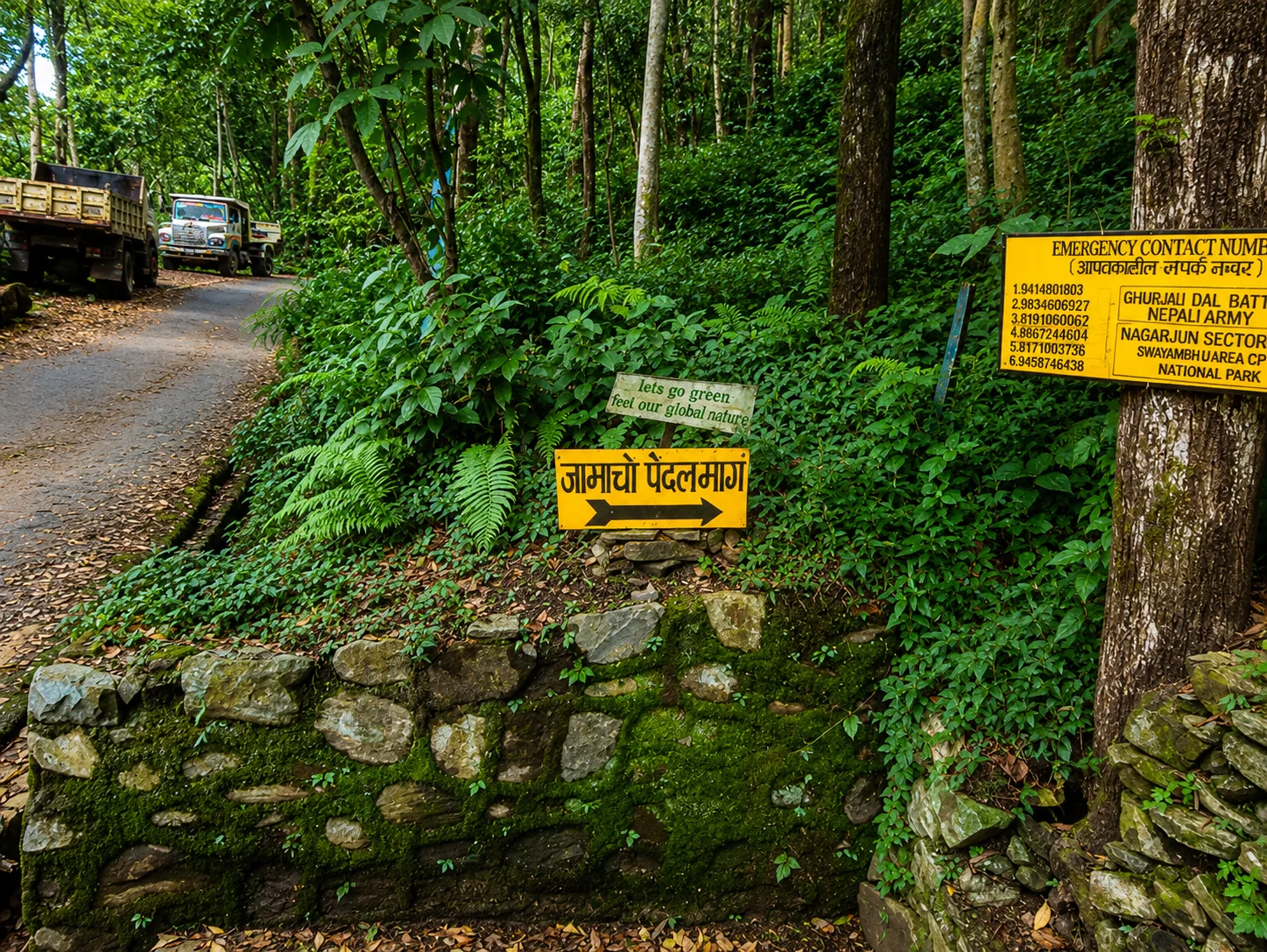
| Jamacho Hike | Full day | Low to moderate | Easy to moderate |
| Panchase Hill Eco Hike | 5 days | Moderate | Moderate |
| Bhairab Kunda Lake Trek | 3 days | 4,250m | Moderate to demanding, with real altitude risk |
Bhairab Kunda sits in a category of its own among Khushi Travels' short-duration options: it's the only "short trek" that reaches true high-altitude terrain.
After the Trek
Returning from a demanding high-altitude day deserves proper recovery. Consider:
- A full rest day before any further activity
- The 1-Day Ayurvedic Wellness Experience to help your body recover
- The 4-Day Restorative Yoga & Wellness Retreat if you have time for a longer wind-down
For gentler short-trek alternatives, see Best Day Hikes Near Kathmandu: 10 Easy Trails for Beginners or One Day in Kathmandu? Here Is the Hike You Should Take.
Book the Bhairab Kunda Lake Trek
The Bhairab Kunda Lake Trek is run by Khushi Travels & Consulting Group, a Kathmandu-based company established in 2025 by a team with more than 17 years of travel experience, associated with NTB, TAAN, and the Himalayan Rescue Association. See our registrations and why travel with us. Contact us or message WhatsApp to check current availability.
Frequently Asked Questions
1. Is the Bhairab Kunda Lake Trek really a short trek?
Yes, in duration, it's 3 days. But it reaches 4,250m, which is high-altitude terrain normally associated with much longer treks. It's short in calendar time, not short in physical demand.
2. How difficult is this trek?
It's rated moderate, with steep ascents and real altitude sickness risk cited directly in the trip details. A basic to good level of fitness is required, especially for the single demanding trekking day.
3. How much walking is actually involved?
Only one full trekking day. Day 2 involves roughly 3 to 4 hours of uphill hiking from Chokar Mokar (2,800m) to the lake (4,250m), then the same route back down to sleep.
4. Is altitude sickness a real risk on this trek?
Yes. Reaching 4,250m within 48 hours of leaving Kathmandu is a fast ascent. Stay hydrated, pace yourself, avoid alcohol, and tell your guide immediately if you notice headache, nausea, dizziness, or unusual fatigue.
5. Do I need prior trekking experience?
Not mandatory, but previous hiking experience makes the trek more manageable and enjoyable, particularly for the steep Day 2 climb.
6. Is this suitable for beginners?
Beginners can join if they are physically fit and mentally prepared for a demanding single day of uphill walking at altitude. It's not the easiest entry point into trekking.
7. What kind of accommodation is provided?
A local lodge or homestay in Bagam on Day 1, and a basic lodge or homestay in Chokar Mokar on Day 2. Facilities are simple, especially the closer you get to Bhairab Kunda.
8. How much does the Bhairab Kunda Lake Trek cost?
Packages start from $250 per person. Pricing can vary with group size and season. Contact us for current rates.
9. What's included in the price?
Kathmandu hotel accommodation, full-board meals, hotel pickup and drop-off, national park entry ticket, local and government taxes, and 24/7 emergency support.
10. What's not included?
Personal expenses such as tips, laundry, and beverages, plus any costs from events beyond the company's control, and optional activities outside the standard itinerary.
11. What's the best season for this trek?
Spring (March to May) and autumn (September to November), which offer the most stable weather and best visibility for the mountain views and lake.
12. Can I do this trek in winter or monsoon?
It's possible but more challenging. Winter brings snow and cold at altitude; monsoon brings wet, slippery trails. Spring and autumn remain the recommended seasons.
13. How is this different from the longer Bhairab Kunda trek some sites describe?
Some trekking guides describe a longer, 6 to 8-day teahouse version of this route that walks the entire approach on foot. This 3-day package uses private vehicle transport to cover most of the elevation gain, leaving only one trekking day.
14. Do I need a guide for this trek?
Yes, a guide is included and strongly recommended given the altitude and remote terrain. This isn't a trail to attempt solo without local knowledge.
15. Is there mobile signal or Wi-Fi along the route?
Signal becomes limited as you move into the remote Chokar Mokar and Bhairab Kunda area. Don't rely on connectivity once past Bagam.
16. Do I need travel insurance for this trek?
Yes, strongly recommended, specifically insurance that covers high-altitude trekking and emergency evacuation given the altitude and remoteness involved.
17. What should I pack for this trek?
Warm layered clothing, a waterproof jacket, sturdy trekking boots, a daypack, water purification tablets, sunscreen, personal medications, and cash in Nepali Rupees, since ATMs aren't available along the route.
18. Why is Bhairab Kunda considered sacred?
It's a pilgrimage site for both Hindus and Buddhists. Pilgrims visit especially during the Janai Purnima festival, believing a holy dip in its waters brings spiritual purification.
19. What wildlife or scenery can I expect?
Dramatic snow-capped peaks, glacial alpine scenery, traditional Tamang village life, and the turquoise waters of the lake itself.
20. Is this trek suitable for older travelers or those with health conditions?
Only with caution and medical advice beforehand. Given the altitude and demanding single-day climb, anyone with heart, lung, or other relevant conditions should consult a doctor and inform us before booking.
21. How does this compare to Kathmandu's easier day hikes?
Easier hikes like Chandragiri or Nagarkot stay at low altitude and involve much less physical demand. Bhairab Kunda is a different category: short in days, but genuinely high-altitude.
22. Can I extend this trip or combine it with other treks in the region?
The route passes near other attractions in the Sindhupalchok region. Contact us to discuss extending your itinerary.
23. What group sizes do you accommodate?
From 1 to 10 people per group. Use Customize Trip for private or larger group arrangements.
24. How do I book the Bhairab Kunda Lake Trek?
Contact us, message us on WhatsApp, or email info@khushiservice.com.
Ready for the Climb?
Contact Khushi Travels or message us on WhatsApp to book the Bhairab Kunda Lake Trek. You can also call Mr. Dinesh (9768988868) or Mr. Sunil Sharma (9768988869).
Khushi Travels & Consulting Group Pvt. Ltd. | Sorahkhutte, Kathmandu, Nepal | info@khushiservice.com | khushiservice.com
Similar Blogs
We are associated with