List Of All Peaks Of Nepal

Nepal is internationally recognized as the ultimate destination for mountain lovers, trekkers, mountaineers, photographers, and adventure enthusiasts. Although the country covers only about 147,516 square kilometers, it is home to some of the world's most spectacular mountain landscapes. The Himalayan range stretches across northern Nepal, creating a breathtaking panorama of snow-covered peaks, deep valleys, glaciers, alpine lakes, and remote mountain communities that have fascinated travelers for centuries.
Among the world's fourteen mountains that rise above 8,000 meters, Nepal proudly hosts eight. In addition to these giants, Nepal contains more than 1,300 officially identified mountain peaks above 6,000 meters, with hundreds opened for mountaineering and many remaining untouched. These mountains vary from technical climbing peaks and expedition mountains to trekking peaks suitable for beginner climbers seeking Himalayan adventure.
The mountain regions of Nepal are much more than geographical landmarks. They represent the country's cultural heritage, religious traditions, biodiversity, and tourism economy. Every peak has its own identity, local legends, unique climbing routes, and surrounding communities that preserve ancient customs and traditions.
Whether the goal is to stand at the base of the world's tallest mountain, complete a high-altitude expedition, enjoy scenic trekking routes, or simply witness the grandeur of the Himalayas, Nepal offers an unmatched experience for every type of traveler.
This comprehensive guide explores the major mountain peaks of Nepal, their heights, locations, climbing importance, trekking opportunities, cultural significance, travel information, and practical guidance for planning an unforgettable Himalayan journey.
Nepal: Home of the World's Greatest Mountain Range
Few countries on Earth possess mountain diversity comparable to Nepal. The country extends from the tropical plains of the Terai at just 59 meters above sea level to the summit of Mount Everest at 8,848.86 meters, creating one of the world's greatest elevation changes within a relatively short distance.
The Himalayas occupy approximately one-third of Nepal's total land area and influence almost every aspect of life, including climate, agriculture, religion, transportation, wildlife, and tourism.
Nepal's mountain regions include:
- The Everest Region
- Annapurna Region
- Langtang Region
- Manaslu Region
- Kanchenjunga Region
- Makalu Region
- Dhaulagiri Region
- Dolpo Region
- Mustang Region
- Rolwaling Region
- Ganesh Himal Region
These regions collectively attract hundreds of thousands of trekkers and climbers each year from around the world.
Fascinating Facts About Nepal's Mountain Peaks
Nepal's mountains continue to inspire scientific research, adventure travel, and spiritual exploration. Some remarkable facts include:
| Feature | Details |
|---|---|
| Highest mountain in Nepal | Mount Everest (8,848.86 m) |
| World's 8,000-meter peaks in Nepal | 8 out of 14 |
| Officially identified peaks | More than 1,300 |
| Peaks open for climbing | Over 400 |
| Highest trekking destination | Everest Base Camp (5,364 m) |
| Highest mountain pass | Thorong La Pass (5,416 m) |
| Popular trekking peaks | Island Peak, Mera Peak, Lobuche East, Yala Peak |
| UNESCO mountain national parks | Sagarmatha National Park, Langtang National Park, Makalu Barun National Park (buffer ecosystems), among others |
These impressive statistics explain why Nepal remains one of the world's leading destinations for trekking, mountaineering, and high-altitude adventure tourism.
Classification of Nepal's Mountain Peaks
Nepal's mountains are generally grouped into several categories based on altitude, accessibility, and climbing requirements.
Eight-Thousanders (Above 8,000 m)
These are the world's highest mountains and require major expeditions, technical climbing skills, and extensive preparation.
Nepal's Eight-Thousanders include:
| Mountain | Height |
|---|---|
| Mount Everest | 8,848.86 m |
| Kanchenjunga | 8,586 m |
| Lhotse | 8,516 m |
| Makalu | 8,485 m |
| Cho Oyu | 8,188 m |
| Dhaulagiri I | 8,167 m |
| Manaslu | 8,163 m |
| Annapurna I | 8,091 m |
Trekking Peaks
These mountains are ideal for adventure travelers who want an introduction to Himalayan climbing with the support of experienced guides.
Popular trekking peaks include:
- Island Peak
- Mera Peak
- Lobuche East
- Pisang Peak
- Chulu East
- Chulu West
- Yala Peak
- Tent Peak (Tharpu Chuli)
- Naya Kanga
Most trekking peaks require basic mountaineering skills but remain achievable for physically fit beginners with proper preparation.
Sacred and Protected Peaks
Several mountains in Nepal are considered sacred and are not open for climbing due to religious or cultural beliefs.
Examples include:
- Machhapuchhre (Fishtail Mountain)
- Khumbila
- Gaurishankar (historically restricted for long periods)
These peaks hold deep spiritual importance for local communities and are respected as divine mountains.
Nepal's Eight Highest Peaks
The following mountains define Nepal's global reputation as the world's premier mountaineering destination.
Mount Everest is the highest mountain on Earth and the ultimate dream for mountaineers across the globe. Known locally as Sagarmatha in Nepal and Chomolungma in Tibet, Everest stands as the crown jewel of the Himalayas.
The first successful ascent was achieved in 1953 by Sir Edmund Hillary and Tenzing Norgay, forever changing the history of exploration.
Location
Everest lies within Sagarmatha National Park in northeastern Nepal along the border with Tibet.
Trekking Importance
The mountain attracts trekkers from around the world through the legendary Everest Base Camp Trek, offering spectacular views of glaciers, Sherpa villages, monasteries, and iconic Himalayan scenery.
Mountaineering Importance
Everest represents the highest achievement in mountaineering. Climbers spend nearly two months acclimatizing before attempting the summit via the South Col route.
Cultural Importance
The mountain is sacred to the Sherpa community, who believe it is home to protective deities. Numerous monasteries, prayer flags, mani walls, and Buddhist traditions enrich the region's cultural landscape.
Kanchenjunga (8,586 m)
Kanchenjunga is the world's third-highest mountain and one of Nepal's most remote Himalayan giants. Unlike Everest, Kanchenjunga receives relatively few visitors, preserving its pristine wilderness.
Location
The mountain rises in eastern Nepal within the Kanchenjunga Conservation Area.
Trekking Experience
The Kanchenjunga Circuit Trek offers one of Nepal's finest wilderness adventures, passing glaciers, alpine forests, traditional villages, and dramatic mountain viewpoints.
Mountaineering
Kanchenjunga is regarded as one of the world's most demanding expedition mountains due to its technical climbing sections, unpredictable weather, and remote logistics.
Cultural Value
The mountain is considered sacred by local communities. Many expedition teams traditionally stop just below the true summit out of respect for local beliefs.
Lhotse (8,516 m)
Lhotse is the world's fourth-highest mountain and shares much of its climbing route with Mount Everest.
Its enormous south face is one of the tallest and steepest mountain walls on Earth, making it highly respected among elite climbers.
Location
Lhotse stands immediately south of Everest within the Khumbu Himal.
Trekking Importance
Trekkers visiting Everest Base Camp enjoy magnificent views of Lhotse throughout the journey.
Mountaineering Importance
Although the initial ascent follows the Everest route, the final climb to the summit presents steep, technical terrain requiring advanced alpine skills.
Makalu (8,485 m)
Makalu is the world's fifth-highest mountain and is instantly recognizable by its striking four-sided pyramid shape.
Location
Makalu lies within Makalu Barun National Park, one of Nepal's richest biodiversity hotspots.
Trekking Experience
The Makalu Base Camp Trek is among Nepal's least crowded high-altitude adventures, featuring remote valleys, rhododendron forests, glaciers, and extraordinary Himalayan scenery.
Mountaineering
Makalu is considered one of the most technically demanding 8,000-meter peaks due to steep ridges, rock climbing sections, and severe weather conditions.
Tourism Value
The region appeals to experienced trekkers seeking solitude and untouched Himalayan landscapes away from Nepal's busier trekking routes.
Cho Oyu (8,188 m)
Cho Oyu is the world's sixth-highest mountain and is often regarded as one of the more accessible 8,000-meter expedition peaks because of its comparatively moderate climbing terrain.
Location
Cho Oyu rises west of Everest near the Nangpa La pass, an ancient trade route connecting Nepal and Tibet.
Trekking Importance
Although general trekking access around Cho Oyu is more limited than in the Everest region, the surrounding valleys provide remarkable Himalayan scenery and opportunities for remote trekking experiences.
Mountaineering Importance
Cho Oyu is frequently chosen by climbers preparing for Everest because it offers valuable high-altitude experience while presenting fewer technical obstacles than many other 8,000-meter peaks.
Scenic and Cultural Value
The mountain overlooks traditional Sherpa settlements, glacial valleys, and centuries-old trade routes that have connected Himalayan communities for generations. Its peaceful surroundings and expansive views make it one of the most beautiful giants of the Nepal Himalayas.
Dhaulagiri I (8,167 m)
Dhaulagiri I is the seventh-highest mountain in the world and one of Nepal's most spectacular Himalayan giants. Its name comes from the Sanskrit words Dhawala (white) and Giri (mountain), meaning "White Mountain."
Location
Dhaulagiri lies in western Nepal, northwest of Pokhara, within the Dhaulagiri Himalayan range.
Trekking Importance
The Dhaulagiri Circuit Trek is one of Nepal's most challenging and rewarding wilderness treks. The route crosses remote valleys, glaciers, high mountain passes, and traditional villages while offering panoramic views of several Himalayan peaks.
Mountaineering Importance
Dhaulagiri is known for its steep slopes, avalanche-prone terrain, and unpredictable weather. Climbers attempting the summit require extensive expedition experience, technical climbing skills, and careful acclimatization.
Tourism Value
Unlike the Everest and Annapurna regions, Dhaulagiri receives relatively few visitors, making it ideal for trekkers seeking solitude and untouched Himalayan landscapes.
Manaslu is the eighth-highest mountain in the world and has become one of Nepal's fastest-growing trekking destinations.
The mountain's name comes from the Sanskrit word Manasa, meaning "Mountain of the Spirit."
Location
Manaslu rises in the Gorkha District of central Nepal near the Tibetan border.
Trekking Importance
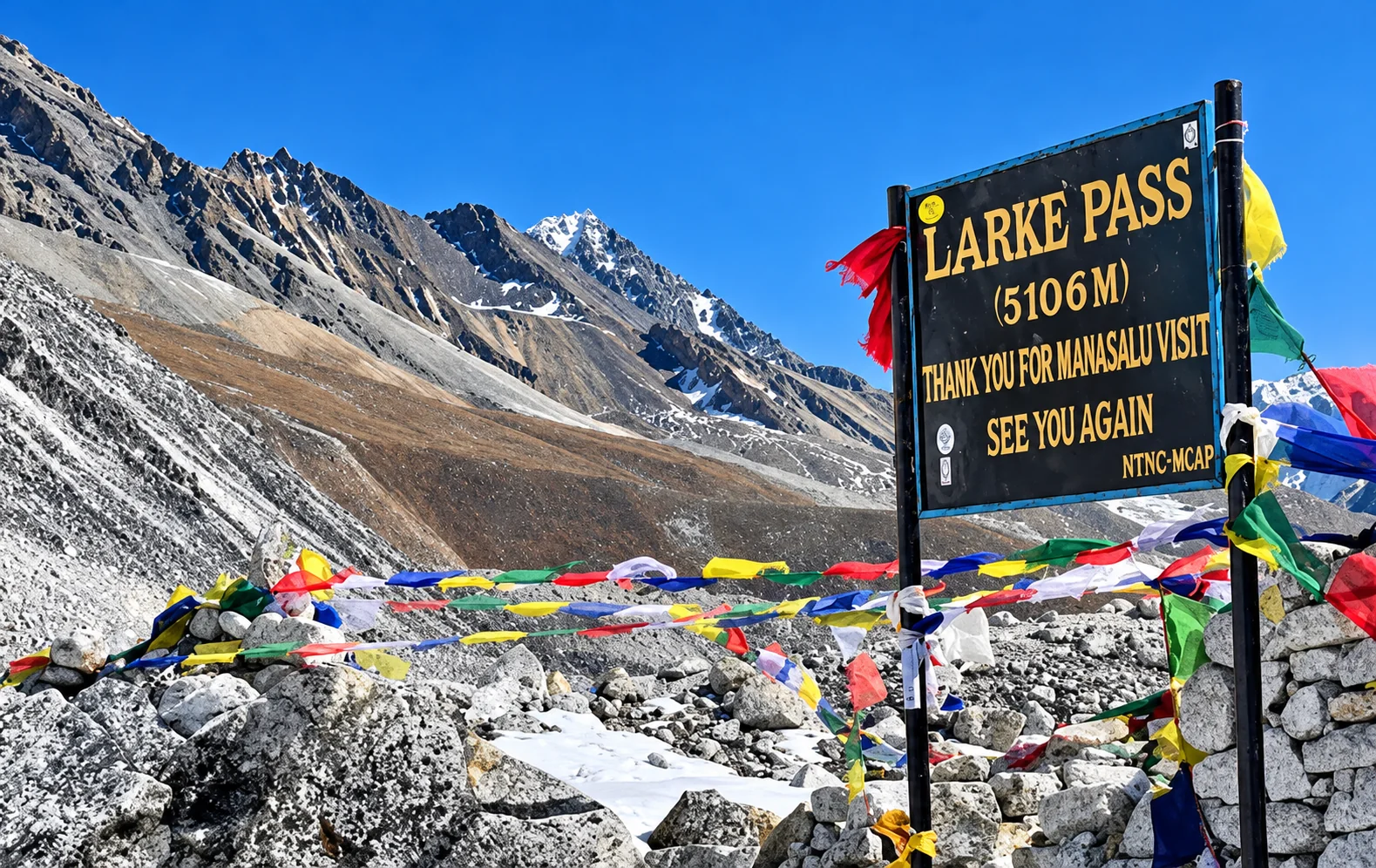
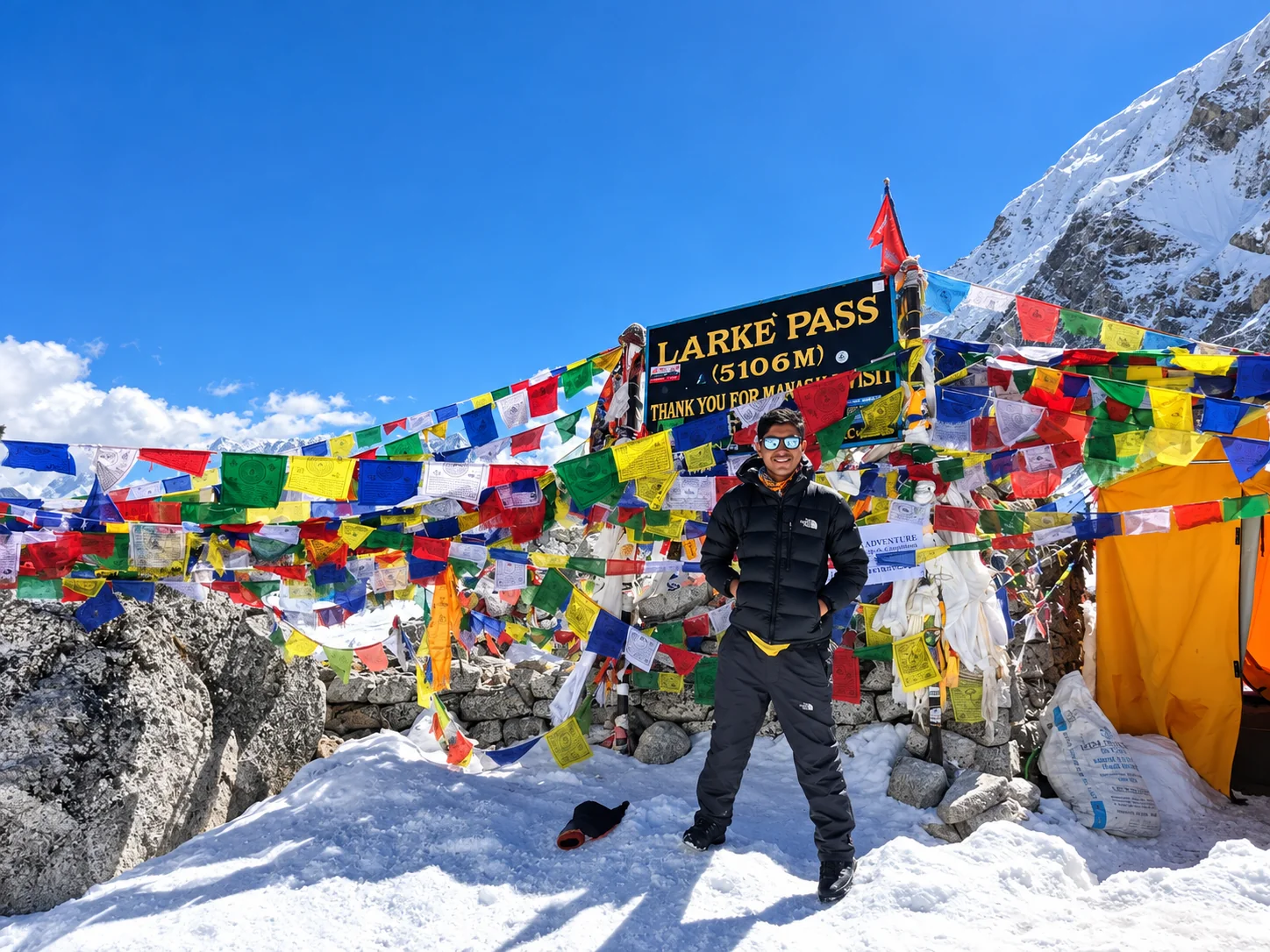
The Manaslu Circuit Trek is widely regarded as one of Nepal's finest alternatives to the Annapurna Circuit. The route combines dramatic Himalayan scenery, Tibetan Buddhist culture, suspension bridges, ancient monasteries, and the challenging Larkya La Pass.
Mountaineering Importance
Although considered less technical than Annapurna or Makalu, Manaslu remains a demanding expedition mountain requiring glacier travel, fixed ropes, and high-altitude experience.
Cultural Value
The region is home to Nubri and Tsum communities, where Tibetan Buddhist traditions, monasteries, mani walls, and prayer wheels remain central to daily life.
Annapurna I is the tenth-highest mountain in the world and one of the most famous peaks in the Himalayas.
Location
The mountain lies within the Annapurna Massif of north-central Nepal.
Trekking Importance
The Annapurna region attracts hundreds of thousands of trekkers each year through routes such as:
- Annapurna Base Camp Trek
- Annapurna Circuit Trek
- Ghorepani Poon Hill Trek
- Mardi Himal Trek
Mountaineering Importance
Annapurna I is considered one of the world's most technically difficult and dangerous 8,000-meter mountains because of frequent avalanches, unstable ice formations, and rapidly changing weather.
Tourism Value
The surrounding region combines dramatic mountain scenery with diverse landscapes, rich biodiversity, and welcoming Gurung and Magar communities, making it one of Nepal's most visited trekking destinations.
Other Famous Peaks of Nepal
While Nepal's eight-thousanders receive global attention, many lower peaks are equally significant for trekking, photography, climbing, and cultural experiences.
Ama Dablam (6,812 m)
Ama Dablam is often described as the most beautiful mountain in the Himalayas.
Its elegant pyramid shape dominates the Everest region and serves as one of Nepal's most photographed mountains.
Highlights
- Technical climbing destination
- Stunning views from the Everest Base Camp Trek
- Popular among professional mountaineers
- Sacred to the Sherpa community
Machhapuchhre (6,993 m)
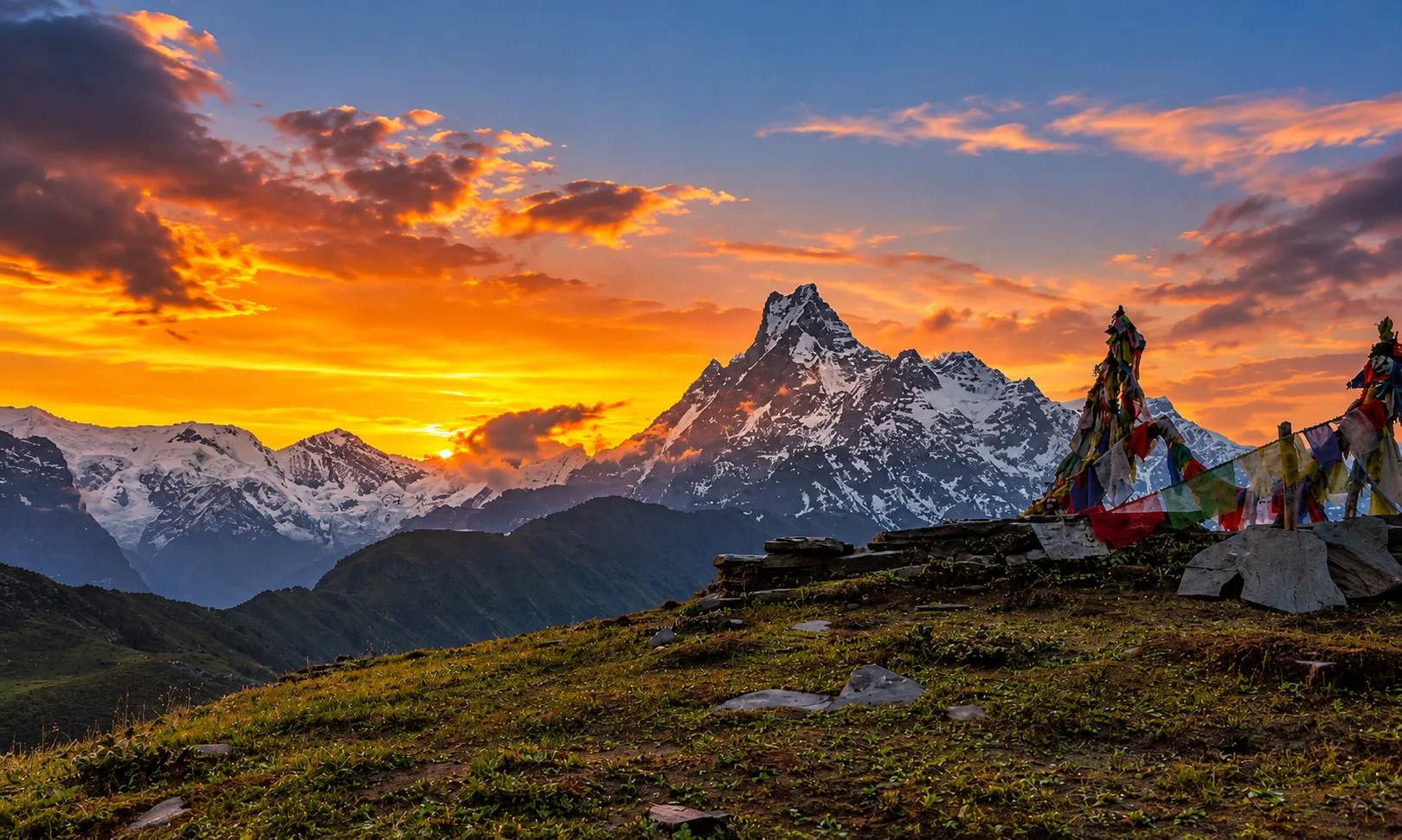
Machhapuchhre, also known as Fishtail Mountain, is one of Nepal's most iconic peaks.
Unique Feature
Machhapuchhre has never officially been climbed.
The Government of Nepal protects the mountain because of its deep religious significance. Local Hindu communities believe it is the sacred home of Lord Shiva.
The mountain forms the dramatic backdrop of Pokhara and the Annapurna Sanctuary.
Langtang Lirung is the highest mountain in the Langtang region.
The mountain dominates the famous Langtang Valley Trek and provides breathtaking alpine scenery throughout the journey.
Gaurishankar (7,134 m)
Gaurishankar is one of Nepal's most sacred Himalayan peaks.
Named after Lord Shiva (Gauri and Shankar), the mountain has immense religious importance among Hindu and Buddhist communities.
Mardi Himal (5,587 m)
Mardi Himal has become one of Nepal's most popular short trekking destinations.
The Mardi Himal Trek offers spectacular close-up views of Machhapuchhre, Annapurna South, and Hiunchuli while passing through rhododendron forests and alpine ridges.
Mera Peak (6,476 m)
Mera Peak is Nepal's highest trekking peak.
The summit provides one of the finest panoramic viewpoints in the Himalayas, with visible views of five 8,000-meter mountains:
- Everest
- Lhotse
- Makalu
- Cho Oyu
- Kanchenjunga (on exceptionally clear days)
It is ideal for climbers seeking their first Himalayan summit.
Island Peak (Imja Tse) (6,189 m)
Island Peak is Nepal's most climbed trekking peak.
It combines glacier travel, fixed rope climbing, and spectacular Everest scenery, making it a favorite training climb before Everest expeditions.
Lobuche East (6,119 m)
Lobuche East is another popular trekking peak often combined with the Everest Base Camp Trek.
The summit rewards climbers with magnificent views of Everest, Nuptse, Ama Dablam, and Lhotse.
Pisang Peak (6,091 m)
Pisang Peak rises above the beautiful village of Pisang on the Annapurna Circuit.
Its moderate technical difficulty makes it suitable for climbers looking to gain experience in Himalayan mountaineering.
Chulu East and Chulu West
Chulu East and Chulu West are among Nepal's finest trekking peaks.
These climbs are often combined with the Annapurna Circuit Trek and provide exceptional views of Annapurna II, III, IV, Gangapurna, and Tilicho Peak.
Yala Peak (5,732 m)
Yala Peak is one of Nepal's most beginner-friendly trekking peaks.
No advanced technical climbing skills are generally required, making it an excellent introduction to Himalayan peak climbing.
Tent Peak (Tharpu Chuli) (5,663 m)
Tent Peak lies inside the Annapurna Sanctuary near Annapurna Base Camp.
The peak offers an exciting climbing experience for trekkers seeking to combine trekking with basic alpine mountaineering.
Why Nepal's Peaks Are Important for Trekking and Mountaineering
Nepal's mountains support one of the world's most diverse adventure tourism industries. The country offers routes suitable for every experience level, from gentle family hikes to technically demanding Himalayan expeditions.
Trekking routes pass through national parks, conservation areas, high mountain villages, glaciers, rivers, alpine meadows, and ancient trade routes. Many of these trails also provide opportunities to experience Sherpa, Gurung, Tamang, Thakali, Rai, Limbu, and Tibetan cultures.
For mountaineers, Nepal offers a progression of climbing objectives. Beginners can start with trekking peaks such as Yala Peak or Mera Peak, while experienced climbers can attempt technical summits like Ama Dablam, Manaslu, or Makalu before progressing to Mount Everest.
The country's well-established guiding services, tea house networks, helicopter rescue facilities, and experienced climbing communities make Nepal one of the safest and most organized mountaineering destinations in the world.
Cultural and Religious Significance of Nepal's Peaks
For the people of Nepal, mountains are far more than natural landmarks. They are deeply woven into local beliefs, spiritual traditions, and daily life.
Many Himalayan peaks are regarded as the homes of deities, guardians, and enlightened beings. Buddhist monasteries, prayer flags, chortens, mani walls, and sacred lakes are commonly found along trekking routes, reflecting centuries of religious devotion. Hindu communities also revere several mountains as the abodes of Lord Shiva and other divine figures.
Local festivals, rituals, and seasonal ceremonies often honor the surrounding mountains, with prayers offered for safe travel, good harvests, and protection from natural disasters. Respecting these traditions is an important part of responsible travel in Nepal and enriches every journey through the Himalayas.
Best Time to Visit Nepal's Mountain Peaks
Nepal's mountains can be visited throughout the year, but weather conditions vary significantly depending on the season, altitude, and region. Choosing the right season is essential for enjoying clear mountain views, safe trekking conditions, and successful climbing expeditions.
Spring (March to May)
Spring is one of the most popular seasons for trekking and mountaineering in Nepal.
Highlights
- Stable weather
- Clear mountain views
- Blooming rhododendron forests
- Comfortable daytime temperatures
- Ideal climbing season for Mount Everest and other expedition peaks
Popular destinations:
- Everest Region
- Annapurna Region
- Langtang Valley
- Manaslu Circuit
- Kanchenjunga
- Mera Peak
- Island Peak
Autumn (September to November)
Autumn is considered the best trekking season in Nepal.
Advantages include:
- Crystal-clear skies
- Excellent visibility
- Pleasant temperatures
- Dry trails
- Spectacular Himalayan panoramas
- Nepal's major cultural festivals, including Dashain and Tihar
This season is suitable for almost every trekking and climbing destination in Nepal.
Winter (December to February)
Winter brings cold temperatures, especially above 3,500 meters.
Advantages include:
- Fewer crowds
- Peaceful trekking routes
- Excellent mountain visibility
- Beautiful snow-covered landscapes
Lower-altitude treks such as Ghorepani, Mardi Himal, and Langtang remain popular, while high mountain passes may become inaccessible after heavy snowfall
Monsoon (June to August)
The summer monsoon brings frequent rainfall across much of Nepal.
However, several rain-shadow regions remain excellent choices, including:
- Upper Mustang
- Upper Dolpo
- Nar Phu Valley
Trekkers should be prepared for slippery trails, leeches in forested areas, and occasional flight delays.
Trekking and Peak Climbing Permits
Most trekking and climbing destinations in Nepal require official permits issued by the Government of Nepal or the relevant conservation authorities.
Common permits include:
- National Park Entry Permit
- Conservation Area Entry Permit
- Restricted Area Permit (where applicable)
- Local Municipality Entry Fees
- TIMS Card (when required under current regulations)
- Nepal Mountaineering Association (NMA) Peak Permit for designated trekking peaks
- Expedition Permit from the Department of Tourism for mountains above trekking peak level
Permit requirements vary depending on the destination, trekking route, and climbing objective. Travelers should always verify the latest regulations before departure, as permit policies may change.
Challenges of Visiting Nepal's High Peaks
Although Nepal offers unforgettable mountain adventures, visitors should understand the physical and environmental challenges associated with high-altitude travel.
High Altitude
Above 2,500 meters, oxygen levels decrease steadily, making acclimatization essential.
Possible symptoms include:
- Headache
- Fatigue
- Nausea
- Loss of appetite
- Difficulty sleeping
- Shortness of breath
Ignoring these symptoms can lead to more serious altitude-related illnesses.
Rapid Weather Changes
Mountain weather can change within minutes.
Trekkers may experience:
- Bright sunshine
- Strong winds
- Snowfall
- Rain
- Thick fog
- Freezing temperatures
Always carry appropriate clothing and follow guidance from experienced local guides
Remote Locations
Many Himalayan regions are several days away from road access.
Emergency medical facilities may be limited, making preparation and travel insurance especially important.
Technical Climbing Conditions
Expedition peaks often involve:
- Glacier travel
- Ice climbing
- Fixed ropes
- Crevasses
- Avalanche-prone slopes
- Rockfall zones
These objectives should only be attempted with proper training, experienced guides, and suitable equipment.
Essential Safety Tips for Mountain Travel
A safe mountain journey begins with careful planning and responsible decision-making.
Follow these recommendations:
- Trek at a comfortable pace and allow time for acclimatization.
- Stay hydrated throughout the day.
- Avoid alcohol and smoking at high altitudes.
- Pack layered clothing suitable for changing weather conditions.
- Wear high-quality trekking boots with good ankle support.
- Use sunscreen, sunglasses, and lip balm to protect against strong UV exposure.
- Carry a basic first aid kit and any personal medications.
- Respect local advice regarding weather and trail conditions.
- Never ignore symptoms of altitude sickness.
- Purchase comprehensive travel insurance that covers high-altitude trekking and emergency helicopter evacuation if required.
- Trek with a licensed guide, particularly in remote or challenging regions.
Suggested 14-Day Himalayan Adventure Itinerary
This outline itinerary is ideal for travelers who wish to experience Nepal's mountain landscapes without attempting a major expedition.
| Day | Activities |
|---|---|
| Day 1 | Arrival in Kathmandu, airport transfer, hotel check-in, and trip briefing |
| Day 2 | Kathmandu sightseeing, mountain museums, gear preparation, and permit processing |
| Day 3 | Scenic flight or drive to the trekking region |
| Day 4 | Begin trekking through traditional villages and forests |
| Day 5 | Continue ascending with panoramic Himalayan views |
| Day 6 | Visit monasteries and high mountain settlements |
| Day 7 | Acclimatization day with short hikes |
| Day 8 | Trek to the main viewpoint or base camp |
| Day 9 | Sunrise mountain photography and exploration |
| Day 10 | Begin descent through alpine valleys |
| Day 11 | Continue trekking to lower elevations |
| Day 12 | Return to Kathmandu by road or flight |
| Day 13 | Free day for cultural sightseeing, shopping, or optional scenic mountain flight |
| Day 14 | Departure from Nepal |
This itinerary can be customized for destinations such as the Everest region, Annapurna, Langtang, Manaslu, Kanchenjunga, or other mountain areas.
Responsible Mountain Tourism
Nepal's mountain ecosystems are among the most fragile in the world. Every visitor has a role in preserving their beauty for future generations.
Responsible travel practices include:
- Carry reusable water bottles instead of single-use plastic.
- Dispose of waste responsibly.
- Stay on designated trails.
- Respect local customs and religious sites.
- Support local tea houses, guides, and community businesses.
- Avoid disturbing wildlife.
- Follow Leave No Trace principles.
- Minimize environmental impact by choosing eco-friendly travel practices.
Sustainable tourism not only protects the Himalayas but also supports the livelihoods of mountain communities.
(FAQs)
1. What are the highest peaks in Nepal?
Nepal is home to some of the world's highest mountains, including Mount Everest (8,848.86 m), Kanchenjunga (8,586 m), Lhotse (8,516 m), Makalu (8,485 m), Cho Oyu (8,188 m), Dhaulagiri I (8,167 m), Manaslu (8,163 m), and Annapurna I (8,091 m). These peaks attract trekkers, climbers, photographers, and adventure travelers from around the world.
2. How many mountain peaks are located in Nepal?
Nepal has more than 1,300 officially identified mountain peaks, with over 400 peaks open for mountaineering. The country also contains eight of the world's fourteen mountains above 8,000 meters, making Nepal one of the world's premier mountain destinations.
3. Which mountains in Nepal are higher than 8,000 meters?
Nepal's eight mountains above 8,000 meters are Mount Everest, Kanchenjunga, Lhotse, Makalu, Cho Oyu, Dhaulagiri I, Manaslu, and Annapurna I. These mountains represent the highest level of Himalayan mountaineering.
4. Which mountain is the tallest in Nepal?
Mount Everest, standing at 8,848.86 meters above sea level, is the tallest mountain in Nepal and the highest mountain on Earth. Located in the Khumbu region, Everest is the ultimate destination for mountaineers and one of Nepal's most iconic natural landmarks.
5. Which peak is considered the most beautiful mountain in Nepal?
Ama Dablam is widely regarded as one of Nepal's most beautiful mountains because of its elegant pyramid shape and dramatic location in the Everest region. Machhapuchhre (Fishtail Mountain) is also admired for its distinctive summit and breathtaking appearance near Pokhara.
6. Which mountain peaks are best for trekking in Nepal?
Popular trekking peaks include Mera Peak, Island Peak, Lobuche East, Yala Peak, Pisang Peak, Chulu East, Chulu West, and Tent Peak. These mountains provide an excellent introduction to Himalayan climbing while offering spectacular scenery.
7. Which mountain peaks are open for climbing in Nepal?
Nepal has more than 400 officially opened climbing peaks. Popular choices include Mount Everest, Manaslu, Mera Peak, Island Peak, Lobuche East, Pisang Peak, Chulu East, Chulu West, Ama Dablam, and Yala Peak. Every peak has different permit requirements and difficulty levels.
8. Which mountain peaks are suitable for beginner climbers?
Mera Peak, Yala Peak, Island Peak, Pisang Peak, and Lobuche East are among the best choices for beginner climbers with good physical fitness. Professional guides, proper acclimatization, and basic mountaineering training are recommended for a safe experience.
9. Which mountain peaks are best for experienced mountaineers?
Experienced climbers often choose Mount Everest, Makalu, Annapurna I, Dhaulagiri I, Kanchenjunga, Manaslu, Lhotse, Ama Dablam, and Cho Oyu. These mountains demand advanced climbing skills, glacier travel experience, and extensive preparation.
10. Which mountain regions are most popular for trekking in Nepal?
The Everest, Annapurna, Langtang, Manaslu, Kanchenjunga, Makalu, Dolpo, Mustang, and Dhaulagiri regions are among Nepal's most popular trekking destinations. Every region offers unique landscapes, local cultures, and unforgettable Himalayan experiences.
11. What is the difference between trekking peaks and expedition peaks in Nepal?
Trekking peaks generally range between 5,500 and 6,500 meters and require basic climbing skills. Expedition peaks exceed 7,000 or 8,000 meters and involve advanced mountaineering techniques, longer expeditions, and specialized equipment.
12. Which mountain peaks offer the best panoramic views in Nepal?
Mera Peak, Kala Patthar, Poon Hill, Mardi Himal Viewpoint, Gokyo Ri, Lobuche East, Chulu East, and Yala Peak provide some of Nepal's finest panoramic views of Mount Everest, Lhotse, Makalu, Annapurna, Dhaulagiri, and surrounding Himalayan ranges.
13. Which sacred mountain peaks cannot be climbed in Nepal?
Machhapuchhre (Fishtail Mountain) remains officially closed to climbing because of its religious significance. The mountain is considered sacred by local Hindu communities and is believed to be the home of Lord Shiva.
14. Which mountain peak is known as the gateway to Himalayan mountaineering?
Island Peak is often called the gateway to Himalayan mountaineering because it introduces climbers to glacier travel, fixed ropes, and high-altitude climbing while remaining suitable for beginners with proper guidance.
15. Which mountain peaks are located in the Everest region?
The Everest region includes Mount Everest, Lhotse, Nuptse, Ama Dablam, Pumori, Lobuche East, Island Peak, Mera Peak, Cho Oyu, and Thamserku. The region is one of the world's premier destinations for trekking and climbing.
16. Which mountain peaks are located in the Annapurna region?
The Annapurna region features Annapurna I, Annapurna South, Annapurna II, Annapurna III, Annapurna IV, Machhapuchhre, Hiunchuli, Mardi Himal, Pisang Peak, Chulu East, Chulu West, and Tent Peak.
17. Which mountain peaks are located in the Langtang region?
Langtang Lirung, Yala Peak, Naya Kanga, Dorje Lakpa, Gangchempo, and several surrounding Himalayan peaks form the beautiful Langtang mountain range north of Kathmandu.
18. What is the best time to visit mountain peaks in Nepal?
Spring (March to May) and autumn (September to November) are considered the best seasons for visiting Nepal's mountain peaks. Stable weather, clear skies, and excellent visibility make both seasons ideal for trekking, photography, and climbing.
19. Which season is best for trekking and mountain climbing in Nepal?
Spring is the preferred climbing season for major Himalayan expeditions, while autumn is generally considered the best overall trekking season because of dry weather, comfortable temperatures, and outstanding mountain views.
20. What permits are required for trekking and peak climbing in Nepal?
Depending on the destination, travelers may need National Park or Conservation Area Entry Permits, Restricted Area Permits, local entry fees, Nepal Mountaineering Association (NMA) peak permits, or expedition permits issued by the Department of Tourism.
21. What challenges should travelers expect while visiting high mountain regions in Nepal?
Travelers should prepare for high altitude, rapidly changing weather, steep terrain, long walking days, limited facilities in remote areas, and lower oxygen levels. Proper planning and gradual acclimatization help reduce these challenges.
22. How can altitude sickness be prevented during mountain adventures in Nepal?
Altitude sickness can be minimized by ascending gradually, allowing sufficient acclimatization days, drinking plenty of water, eating nutritious meals, avoiding alcohol, and recognizing early symptoms before they become severe.
23. What essential equipment is required for trekking and climbing mountain peaks in Nepal?
Essential gear includes sturdy trekking boots, layered clothing, insulated jackets, gloves, sunglasses, sunscreen, trekking poles, sleeping bags suitable for cold temperatures, headlamps, first aid supplies, reusable water bottles, and climbing equipment when required.
24. Why are Nepal's mountain peaks important for tourism?
Nepal's mountain peaks attract millions of visitors through trekking, mountaineering, cultural tourism, photography, wildlife exploration, and adventure travel. Mountain tourism also supports local communities by creating employment opportunities for guides, porters, hotels, transportation providers, and other tourism-related businesses.
25. Why choose Khushi Travels & Consulting Group Pvt. Ltd. for mountain tours and trekking in Nepal?
Khushi Travels & Consulting Group Pvt. Ltd. provides professionally planned trekking, peak climbing, mountaineering, and Himalayan tour packages across Nepal. Services include customized itineraries, experienced licensed guides, permit assistance, transportation, accommodation, domestic flight bookings, porter services, and complete travel support. Whether planning a trek to Everest Base Camp, climbing Mera Peak, exploring the Annapurna region, or discovering remote Himalayan landscapes, Khushi Travels delivers safe, reliable, and memorable mountain adventures tailored to every traveler's interests, schedule, and budget.
Why Explore Nepal's Peaks with Khushi Travels & Consulting Group Pvt. Ltd.?
Exploring Nepal's mountains requires careful planning, experienced local support, and dependable logistics. Whether you are embarking on your first Himalayan trek, climbing a trekking peak, or planning a challenging mountaineering expedition, Khushi Travels & Consulting Group Pvt. Ltd. provides professional travel services designed to make your journey safe, comfortable, and memorable.
Our experienced team offers customized travel solutions for individuals, families, private groups, schools, corporate travelers, and international tour operators. Every itinerary is carefully planned to match your fitness level, interests, available travel time, and budget while ensuring an authentic Himalayan experience.
Our professional services include:
- Customized trekking itineraries across Nepal
- Peak climbing and mountaineering expedition arrangements
- Licensed and experienced trekking guides and climbing guides
- Porter services
- Domestic and international flight bookings
- Hotel and mountain lodge reservations
- Private transportation throughout Nepal
- Trekking permit and climbing permit assistance
- Expedition logistics and equipment coordination
- Adventure, cultural, wildlife, and pilgrimage tour packages
- Group departures and tailor-made private holidays
- Emergency support and travel consultation
From the towering summit of Mount Everest to scenic trekking peaks like Mera Peak, Island Peak, Mardi Himal, and Langtang, Khushi Travels is committed to delivering well-organized, safe, and unforgettable mountain adventures throughout Nepal.
Contact Khushi Travels and Consulting Group
Ready to plan your dream trekking adventure or holiday in Nepal?
Our experienced travel experts are here to help you design a personalized itinerary that perfectly matches your interests, travel style, schedule, and budget. Whether you're planning your first visit to Nepal or returning to explore new Himalayan trails, we are committed to providing professional guidance and exceptional service every step of the way.
Khushi Travels and Consulting Group Pvt. Ltd.
📧 General Inquiries: info@khushiservice.com
📧 Bookings: booking@khushiservice.com
📞 Phone / WhatsApp: +977 9768988868
☎️ Office: +977 014975759
📍 Office Address: Sorakhutte-16, Thamel, Kathmandu, Nepal
🌐 Website: www.khushiservice.com
Let Khushi Travels and Consulting Group be your trusted local travel partner in Nepal. Contact us today and allow our experienced team to turn your dream journey into an unforgettable adventure filled with breathtaking landscapes, rich culture, warm hospitality, and lifelong memories.
Final Thoughts
Nepal's mountain peaks are among the greatest natural treasures on Earth. From the towering eight-thousanders that challenge the world's finest mountaineers to scenic trekking peaks that introduce beginners to Himalayan climbing, every mountain offers a unique combination of adventure, breathtaking landscapes, and cultural discovery.
Beyond their impressive heights, these mountains are deeply connected to Nepal's history, spirituality, biodiversity, and local communities. Ancient monasteries, welcoming villages, glacial valleys, and sacred landscapes create experiences that extend far beyond trekking or climbing alone.
Whether your dream is to stand at the foot of Mount Everest, complete the Annapurna Circuit, climb Mera Peak, explore the remote wilderness of Kanchenjunga, or simply enjoy panoramic Himalayan views, Nepal offers an adventure suited to every traveler.
With thoughtful planning, respect for local traditions, and guidance from experienced professionals, a journey through Nepal's mountains becomes more than a holiday. It becomes a lifetime memory. Khushi Travels & Consulting Group Pvt. Ltd. is ready to help you discover the very best of the Himalayas through expertly planned trekking, mountaineering, and cultural travel experiences tailored to your needs.
Similar Blogs
We are associated with