
Is Poon Hill Sunrise Worth It? What to Expect Before You Go

Yes, for most travelers the Ghorepani Poon Hill Trek is worth it. The sunrise view from Poon Hill (3,210m), with the Annapurna and Dhaulagiri ranges stretching across the horizon, is one of the most accessible high-altitude Himalayan panoramas in Nepal. The honest trade-offs are real, though: a demanding stone staircase near Ulleri, a very early wake-up on summit day, and a trail that gets genuinely crowded during peak season. Knowing these trade-offs in advance is what separates a disappointing trip from a great one.
Why Poon Hill Is Nepal's Most Famous Short Trek Sunrise
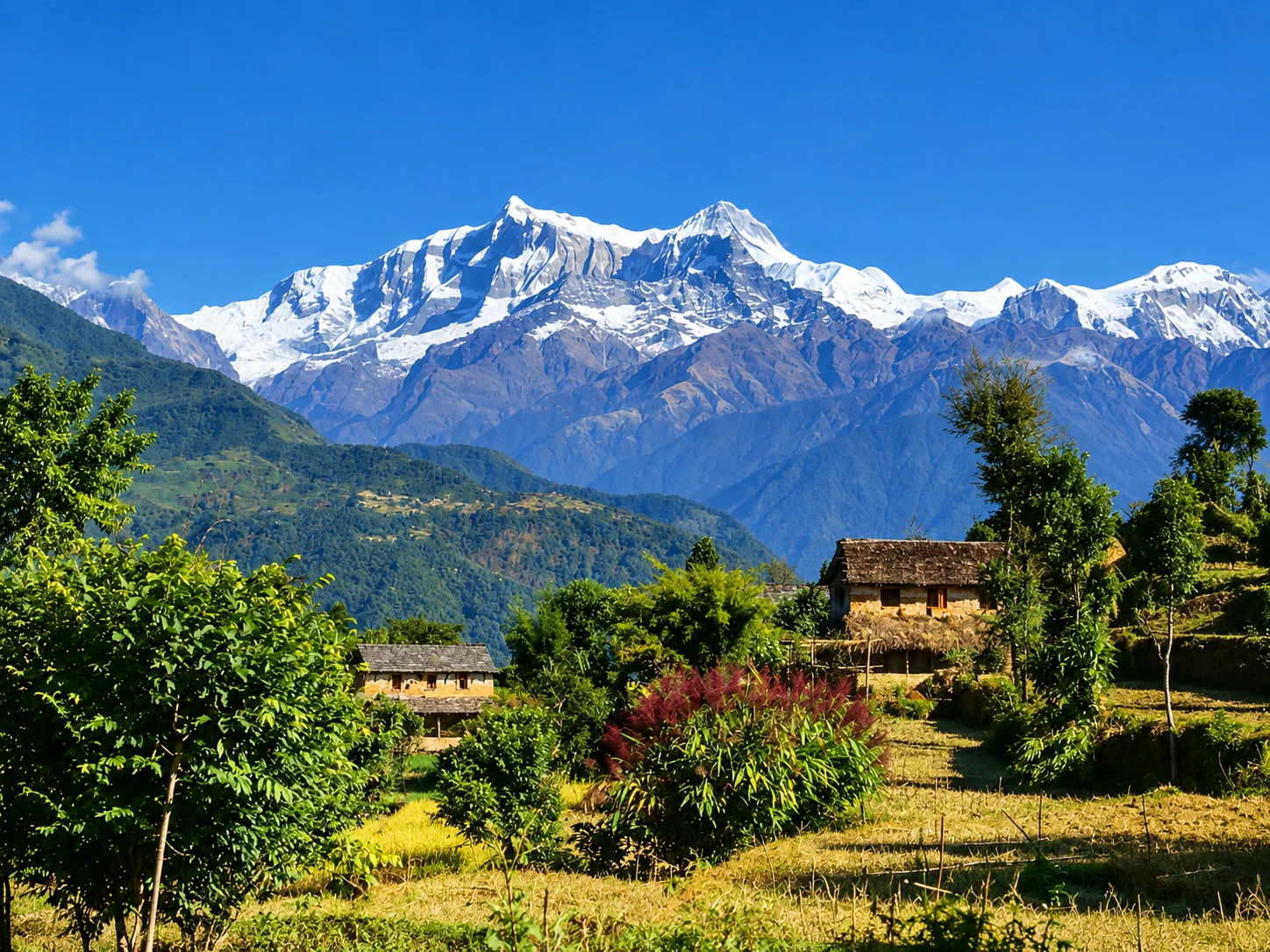
Ask any guide in Pokhara which short trek delivers the best return on effort, and Poon Hill usually comes up first. A relatively accessible climb to 3,210m rewards hikers with a 180-degree panorama that includes Dhaulagiri (8,167m), Annapurna I (8,091m), Annapurna South, Machhapuchhre (Fishtail), and a dozen other named peaks, all without the permits, altitude risk, or multi-week commitment of a route like Everest Base Camp.
That popularity is exactly why the question "is it worth it" comes up so often. Poon Hill's fame means crowds, and the climb to earn the view is more demanding than many travelers expect. Both of those things can be true at the same time as the view being genuinely spectacular.
The Route and Itinerary
Day 1: Drive from Kathmandu toward Tikhedhunga (1,540m), 8-10 hours
Day 2: Trek Tikhedhunga to Ghorepani, including the well-known stone staircase section near Ulleri
Day 3: Pre-dawn hike to Poon Hill (3,210m) for sunrise, then trek to Tadapani
Day 4: Trek Tadapani to Ghandruk
Day 5: Drive Ghandruk to Pokhara, with boating on Phewa Lake
Day 6: Drive Pokhara to Kathmandu
| Duration | 6 days (shorter 4-5 day versions also available) |
| Max altitude | 3,210m (Poon Hill viewpoint) |
| Difficulty | Moderate |
| Daily walking | 4-7 hours |
| Best season | Spring (March-May) and autumn (September-November), though trekkable year-round |
| Accommodation | 3-star hotel in Kathmandu, teahouses/lodges on the trek |
| Price | On request |
See the full Ghorepani Poon Hill Trek package page for current pricing and departures.
The Honest Trade-Offs
The Ulleri stone staircase is genuinely hard. The climb out of Tikhedhunga toward Ulleri involves thousands of stone steps, a sustained, unrelenting uphill push that surprises many first-time trekkers. Pacing matters more than fitness level here; rushing the staircase is the single biggest mistake travelers make.
Summit morning starts very early. Reaching Poon Hill for sunrise means a pre-dawn departure from Ghorepani, hiking in darkness with a headlamp for the final push. The reward is real, but the early wake-up is not optional if the sunrise is the goal.
The viewpoint gets crowded. Poon Hill's popularity means the summit platform can be genuinely packed during peak season (October-November, March-April), with trekkers jostling for photo spots. Arriving a little earlier than the main crowd, or visiting during shoulder season, reduces this noticeably.
The view depends entirely on weather. No Himalayan sunrise is guaranteed. Clear mornings deliver one of Nepal's best panoramas; cloudy or hazy mornings deliver a far more modest view. Autumn offers the most reliable odds.
The staircase works both directions. The knees take a beating on the descent back through Ulleri as much as the lungs do on the ascent. Trekking poles make a real difference here.
What the View Actually Delivers
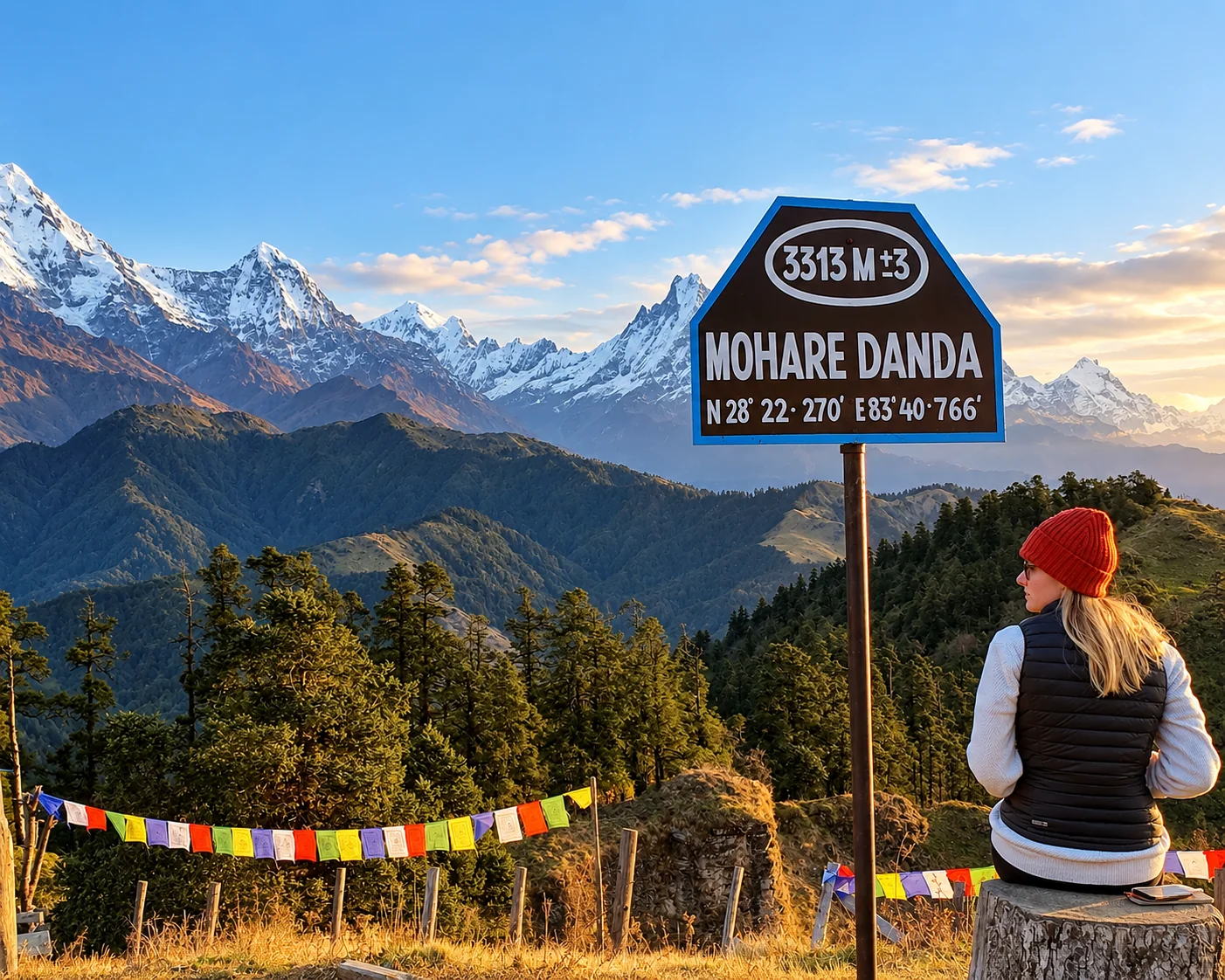
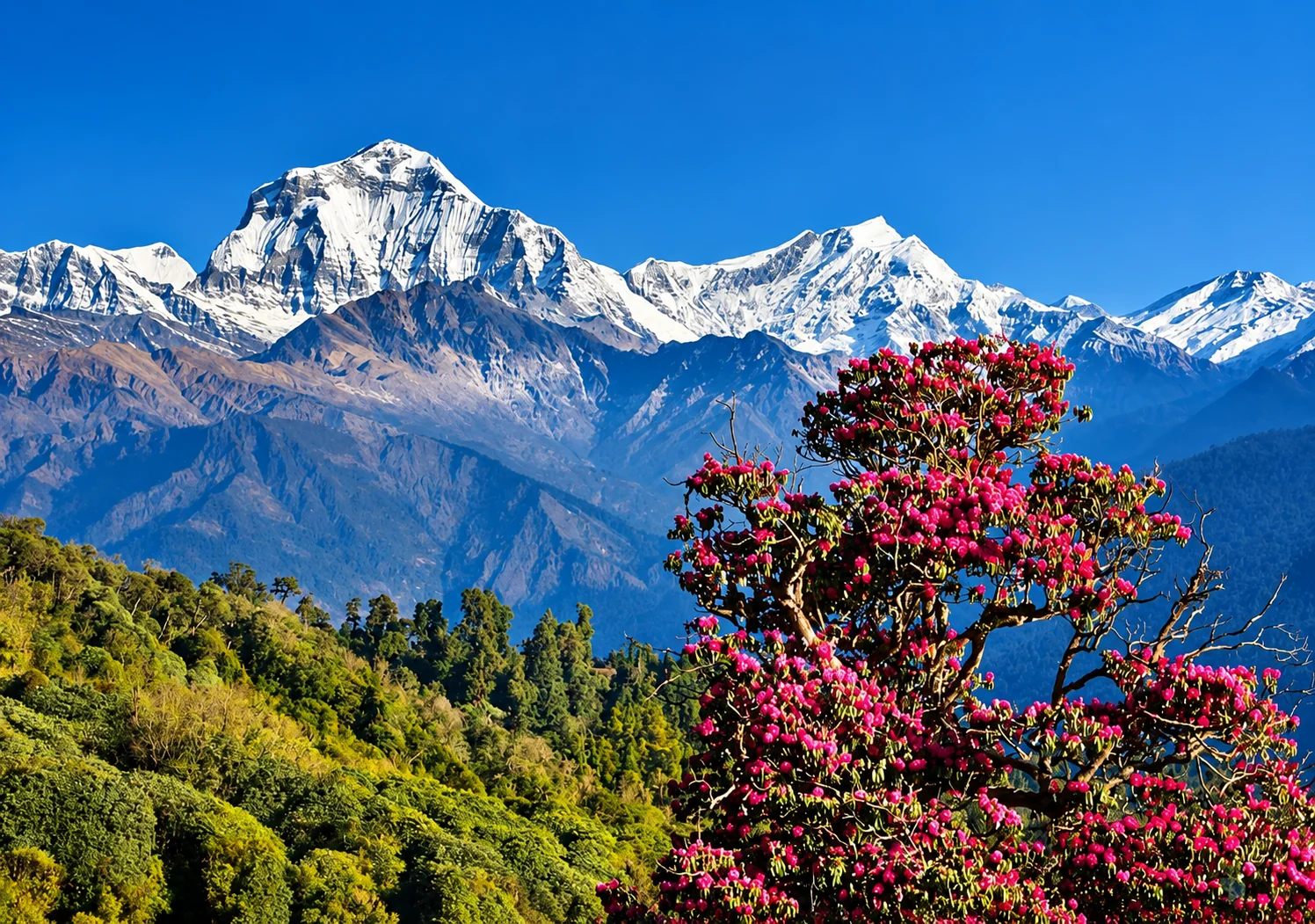
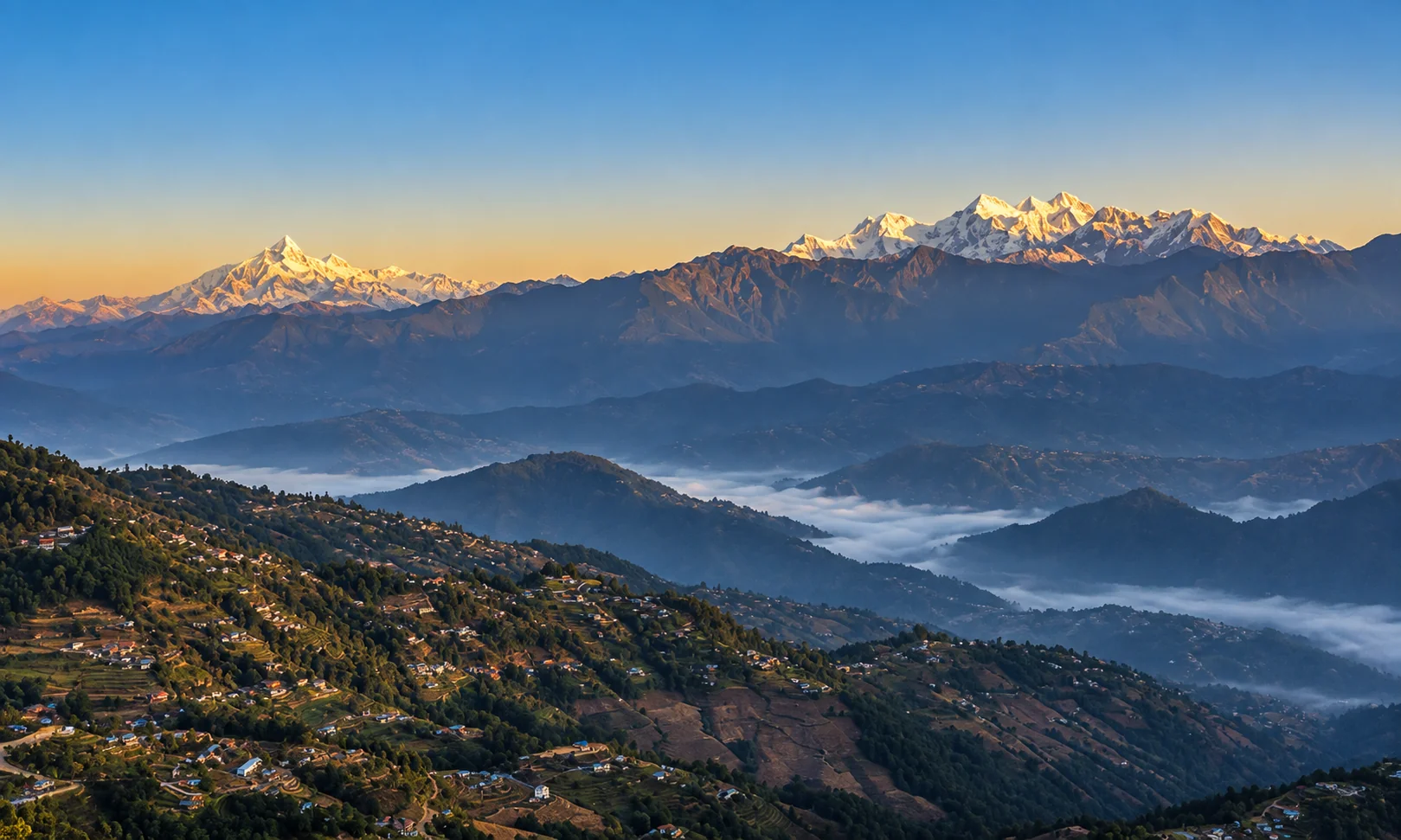
On a clear morning, the Poon Hill panorama includes Dhaulagiri, Annapurna I, Annapurna South, Annapurna III, Machhapuchhre (Fishtail), Nilgiri, and Hiunchuli, a wider spread of named 7,000m and 8,000m peaks than almost any other short-trek viewpoint in Nepal. The sun rising behind the Annapurna range, lighting the snow peaks pink and gold while the valley below stays in shadow, is the specific moment the entire trek builds toward.
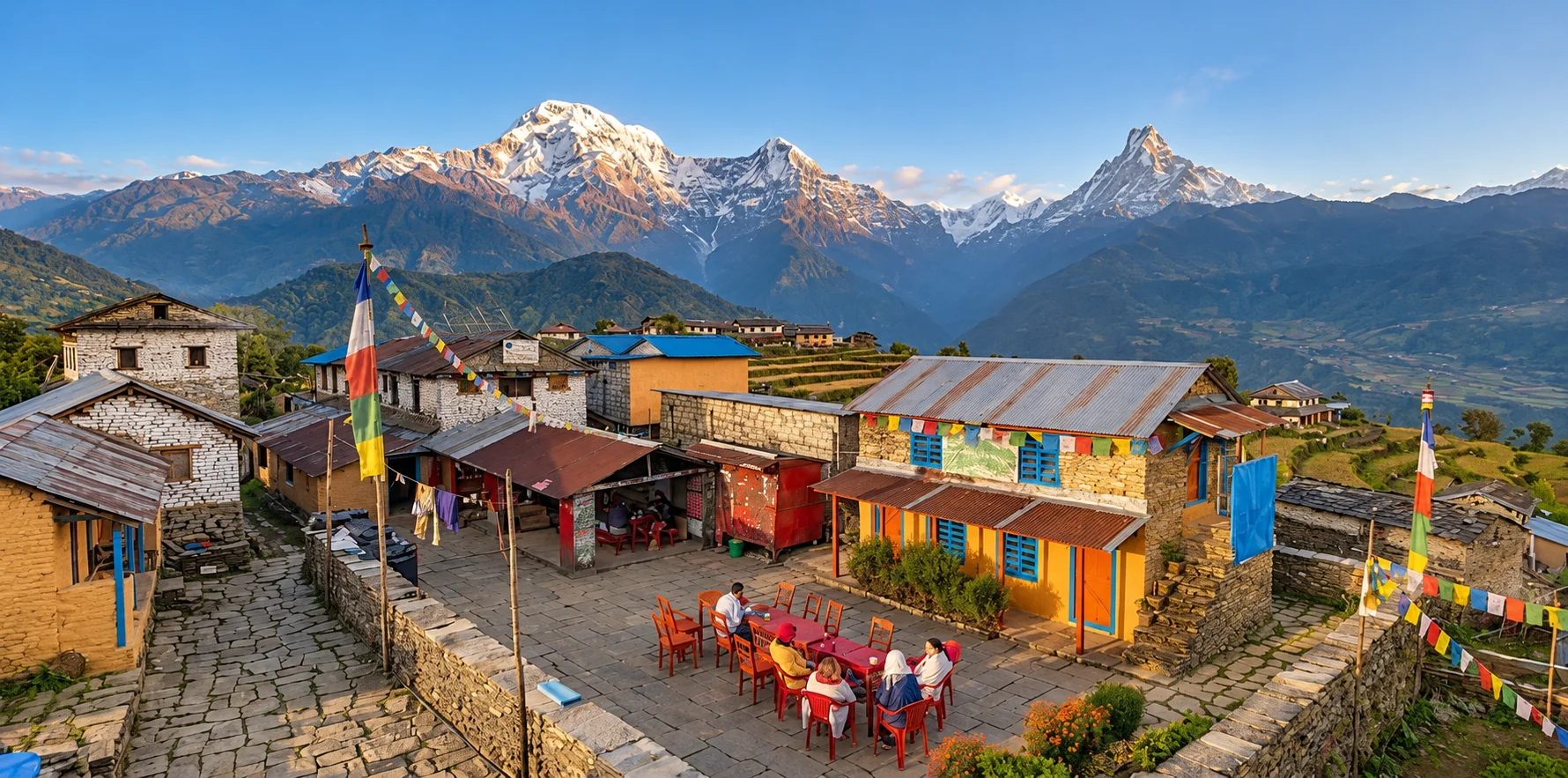
The trek beyond Poon Hill adds further value: Tadapani and Ghandruk bring forest trails and traditional Gurung village culture into the itinerary, so the trip delivers more than a single viewpoint moment.
Should You Do It? A Straight Answer
Do it if:
- A genuinely spectacular, wide Himalayan panorama matters more than avoiding crowds
- Moderate daily walking and a demanding staircase section are manageable
- A pre-dawn start for the summit morning is acceptable
- Village culture and forest trails alongside the summit moment are appealing
Skip it, or choose something else, if:
- Crowds at a major viewpoint are a dealbreaker (consider the Panchase Hill Eco Hike for a genuinely quieter alternative)
- Limited time rules out 4-6 days (consider the 2-Day Astam Village Hike or Pokhara to Ghandruk Trek)
- A demanding stone staircase and an early wake-up sound unappealing
- A lower-altitude, lower-effort cultural trip is preferred over a mountain-focused one
Difficulty: What to Actually Prepare For
The Ghorepani Poon Hill Trek is rated moderate, with 4-7 hours of daily walking. The Ulleri stone staircase section on Day 2 is the most physically demanding stretch of the entire route, and the pre-dawn summit push on Day 3 adds an early-start challenge on top of the walking itself. Maximum altitude reaches 3,210m, high enough that mild altitude effects are possible for some trekkers, though far below the altitudes where serious altitude sickness becomes a major concern.
A reasonable level of fitness, regular walking experience, and realistic expectations about the staircase section make the trek manageable for most beginner trekkers. Previous Himalayan trekking experience helps but isn't required.
Beating the Crowds: Practical Tips
- Travel in shoulder season. Late September, early December, or February offer a calmer experience than peak October-November or March-April windows.
- Start the summit hike slightly earlier than the main group. A 15-20 minute head start before the bulk of trekkers leave Ghorepani can make a noticeable difference in how crowded the viewpoint feels.
- Stay for a while after the main crowd leaves. Many trekkers descend quickly after sunrise; lingering an extra 15-20 minutes often opens up quieter photo opportunities.
- Consider a shorter 4-day version if time is limited, which still includes the summit morning without the full Ghandruk extension.
What's Included and What Isn't
Included: Hotel pickup/drop-off, a bottle of water, an experienced government-licensed English-speaking guide, national park entry, the ACAP permit fee, all taxes, 24/7 emergency support, lodge accommodation during the trek, and a 3-star Kathmandu hotel (BB plan).
Not included: Personal expenses, tips, bank fees, and porter service (available at $20/day if requested).
Best Time to Go
| Season | What to expect |
|---|---|
| Spring (March-May) | Blooming rhododendrons, pleasant temperatures, good odds of a clear sunrise |
| Autumn (September-November) | The most reliable season: stable weather, the clearest mountain visibility |
| Winter (December-February) | Cold mornings, often clear skies, noticeably fewer crowds |
| Monsoon (June-August) | Lush green trails, frequent rain, a high chance of a cloudy or obscured sunrise |
Autumn offers the best odds of a clear view. Winter is worth considering specifically for travelers who want to avoid the busiest crowds, at the cost of colder mornings on the summit push.
What to Pack
- Sturdy hiking shoes with ankle support, broken in beforehand
- Trekking poles, especially useful on the Ulleri staircase
- A headlamp for the pre-dawn summit hike
- Layered clothing: a warm jacket for the cold pre-sunrise wait, lighter layers for daytime walking
- A rain jacket
- Sun hat, sunglasses, sunscreen
- 1-2 liters of water (reusable bottle)
- A basic first-aid kit and personal medicines
- A power bank and camera
- Travel insurance that covers trekking and emergency evacuation
Permits: What's Required
The Annapurna Conservation Area Permit (ACAP) applies to the Ghorepani Poon Hill Trek and is included in the package price. A TIMS card may be required depending on current regulations, arranged by the trekking organization as needed. No restricted-area permit applies to the standard route.
How Poon Hill Compares to Other Pokhara-Area Treks
| Trek | Duration | Max altitude | Crowds | Focus |
|---|---|---|---|---|
| 2-Day Astam Village Hike | 2 days | ~1,650m | Quiet | Village introduction |
| Pokhara to Ghandruk Trek | 3 days | 1,940m | Moderate | Gurung culture |
| Panchase Hill Eco Hike | 5 days | 2,517m | Quiet | Forest and calm |
| Ghorepani Poon Hill Trek | 6 days | 3,210m | Busy, especially peak season | The classic Himalayan sunrise |
Poon Hill remains the clear choice for travelers prioritizing the single most famous sunrise view in the Annapurna region. For a quieter alternative with its own panoramic reward, the Panchase Hill Eco Hike is explicitly positioned as a less-crowded option. For a full comparison of all Pokhara-area treks, see the guide to Short Treks from Pokhara.
After the Trek
Six days of trekking, including a demanding staircase section and an early summit morning, is real physical effort. Good ways to recover:
- A rest day by Phewa Lake or a visit to the World Peace Pagoda in Pokhara
- The 1-Day Ayurvedic Wellness Experience after returning to Kathmandu
- The 4-Day Restorative Yoga & Wellness Retreat for a longer wind-down
Book the Ghorepani Poon Hill Trek
The Ghorepani Poon Hill Trek is run by Khushi Travels & Consulting Group, a Kathmandu-based company established in 2025 by a team with more than 17 years of travel experience, associated with NTB, TAAN, and the Himalayan Rescue Association. See the full registrations and why travel with us pages. Contact us or message WhatsApp for current pricing and availability.
Frequently Asked Questions
1. Is the Poon Hill sunrise trek worth the effort?
Yes, for most travelers the Poon Hill sunrise trek delivers strong value, offering one of the widest and most accessible high-altitude Himalayan panoramas in Nepal. The Ulleri staircase and the early summit wake-up are real trade-offs worth knowing in advance.
2. Why do some travelers say the Poon Hill trek is overrated?
Criticism of the Poon Hill trek usually centers on crowding at the summit viewpoint during peak season and the physical demand of the Ulleri stone staircase, both of which can be reduced by choosing shoulder-season travel dates and an earlier summit departure time.
3. Is the Poon Hill viewpoint always crowded?
The Poon Hill viewpoint gets genuinely busy during peak season (October-November and March-April). Winter and late shoulder-season dates offer a noticeably quieter summit experience.
4. How hard is the Ulleri stone staircase on the Poon Hill trek?
The Ulleri stone staircase involves thousands of continuous stone steps and is widely considered the most physically demanding section of the Ghorepani Poon Hill Trek, requiring steady pacing rather than speed.
5. How early do trekkers wake up for the Poon Hill sunrise?
Trekkers depart from Ghorepani well before dawn, hiking the final stretch to the Poon Hill viewpoint in darkness using a headlamp, in order to reach the summit before sunrise.
6. Is the Ghorepani Poon Hill Trek difficult?
The Ghorepani Poon Hill Trek is rated moderate, involving 4-7 hours of daily walking, with the Ulleri staircase section and the Poon Hill summit morning being the two most demanding parts of the itinerary.
7. Do trekking poles help on the Poon Hill trek?
Trekking poles are genuinely useful on the Ghorepani Poon Hill Trek, particularly on the Ulleri staircase both ascending and descending, where knee strain is common.
8. What mountains can be seen from Poon Hill?
The Poon Hill viewpoint offers views of Dhaulagiri, Annapurna I, Annapurna South, Annapurna III, Machhapuchhre, Nilgiri, Hiunchuli, and other surrounding Himalayan peaks on a clear morning.
9. Is the Poon Hill sunrise guaranteed to be clear?
No. Weather conditions determine visibility, and cloud or haze can obscure the Poon Hill sunrise view on any given morning, regardless of season. Autumn offers the best statistical odds of a clear panorama.
10. What's the best season for clear views at Poon Hill?
Autumn (September to November) generally offers the clearest and most reliable mountain visibility at the Poon Hill viewpoint, followed by spring (March to May).
11. How long is the Ghorepani Poon Hill Trek?
The standard Ghorepani Poon Hill Trek runs 6 days, including travel from Kathmandu, with shorter 4-5 day versions also available for travelers with less time.
12. Is there a shorter version of the Poon Hill trek?
Yes, shorter 4-day and 5-day versions of the Ghorepani Poon Hill Trek are available, covering the essential summit sunrise while reducing the overall trekking days.
13. Is the Ghorepani Poon Hill Trek suitable for beginners?
Yes, with realistic expectations about the Ulleri staircase and the early summit start. The Ghorepani Poon Hill Trek is widely considered beginner-friendly among Himalayan treks, given the moderate altitude and well-established trail.
14. Is there a less crowded alternative to Poon Hill with similar mountain views?
The Panchase Hill Eco Hike offers panoramic Annapurna, Dhaulagiri, Machhapuchhre, and Manaslu views with a significantly quieter trail, explicitly positioned as a low-difficulty, low-crowd alternative.
15. What permits are required for the Ghorepani Poon Hill Trek?
The Annapurna Conservation Area Permit (ACAP) is required for the Ghorepani Poon Hill Trek and is included in the package price. A TIMS card may apply depending on current regulations.
16. How much does the Ghorepani Poon Hill Trek cost?
Pricing for the Ghorepani Poon Hill Trek is provided on request, based on group size and selected travel dates. Contact Khushi Travels for a current quote.
17. What's included in the Ghorepani Poon Hill Trek package?
The package includes hotel pickup and drop-off, a water bottle, an experienced guide, national park and ACAP permit fees, all taxes, 24/7 emergency support, trek accommodation, and a 3-star Kathmandu hotel.
18. Is a porter available for the Ghorepani Poon Hill Trek?
Yes, porter service can be arranged for the Ghorepani Poon Hill Trek at an additional cost of $20 per day, though it's not included in the standard package.
19. Is travel insurance required for the Ghorepani Poon Hill Trek?
Travel insurance is not included in the Ghorepani Poon Hill Trek package but is strongly recommended, and should cover trekking activities and emergency evacuation.
20. Can the Ghorepani Poon Hill Trek be combined with other treks?
Yes, the Ghorepani Poon Hill Trek itinerary already includes Ghandruk, and can be further combined with Annapurna Base Camp, Mohare Danda, or Khopra Danda for travelers with additional time.
21. How do travelers book the Ghorepani Poon Hill Trek?
Travelers can contact Khushi Travels, message WhatsApp, or email info@khushiservice.com to book the Ghorepani Poon Hill Trek.
Ready to See the Sunrise?
Contact Khushi Travels or message WhatsApp to book the Ghorepani Poon Hill Trek. Reach Mr. Dinesh (9768988868) or Mr. Sunil Sharma (9768988869) directly by phone.
Khushi Travels & Consulting Group Pvt. Ltd. | Sorahkhutte, Kathmandu, Nepal | info@khushiservice.com | khushiservice.com
Similar Blogs
We are associated with