
Mohare Khopra Danda Trek: Village Trails with Big Views

The Mohare Khopra Danda Trek is a 13-day, off-the-beaten-path journey through traditional Magar and Gurung villages in the Annapurna region, climbing through Mohare Danda (3,313m) and Khopra Danda (3,660m) to the remote, sacred Khayer Lake (approximately 4,660m), before descending through Dobato to the well-known village of Ghandruk. It's rated moderate to challenging, considerably more demanding than a short Pokhara trek, and offers a genuinely quieter alternative to busier Annapurna routes.
Not a Short Trek, But a Quieter One
If you're coming to this page after reading about shorter Pokhara treks like Ghandruk or the 2-Day Astam Village Hike, it's worth being clear up front: Mohare Khopra Danda is a different kind of trip. At 13 days and reaching nearly 4,660m, it's a proper multi-stage Himalayan trek, closer in scale and demand to Annapurna Base Camp than to a weekend village walk.
What it shares with those shorter treks is the spirit: traditional villages, forest trails, and panoramic mountain views, delivered without the crowds found on routes like Everest Base Camp or the standard Annapurna Base Camp trail. If you want that same unhurried, village-centered feel but with real altitude and distance, this is the trek that delivers it.
The 13-Day Itinerary
Day 1: Arrival in Kathmandu, hotel transfer (1,400m)
Day 2: Drive Kathmandu to Pokhara (approx. 6-7 hours)
Day 3: Drive Pokhara to Galeshwor/Beni, trek begins toward Phalame Hill or Banskharka
Day 4: Trek to Nangi Village
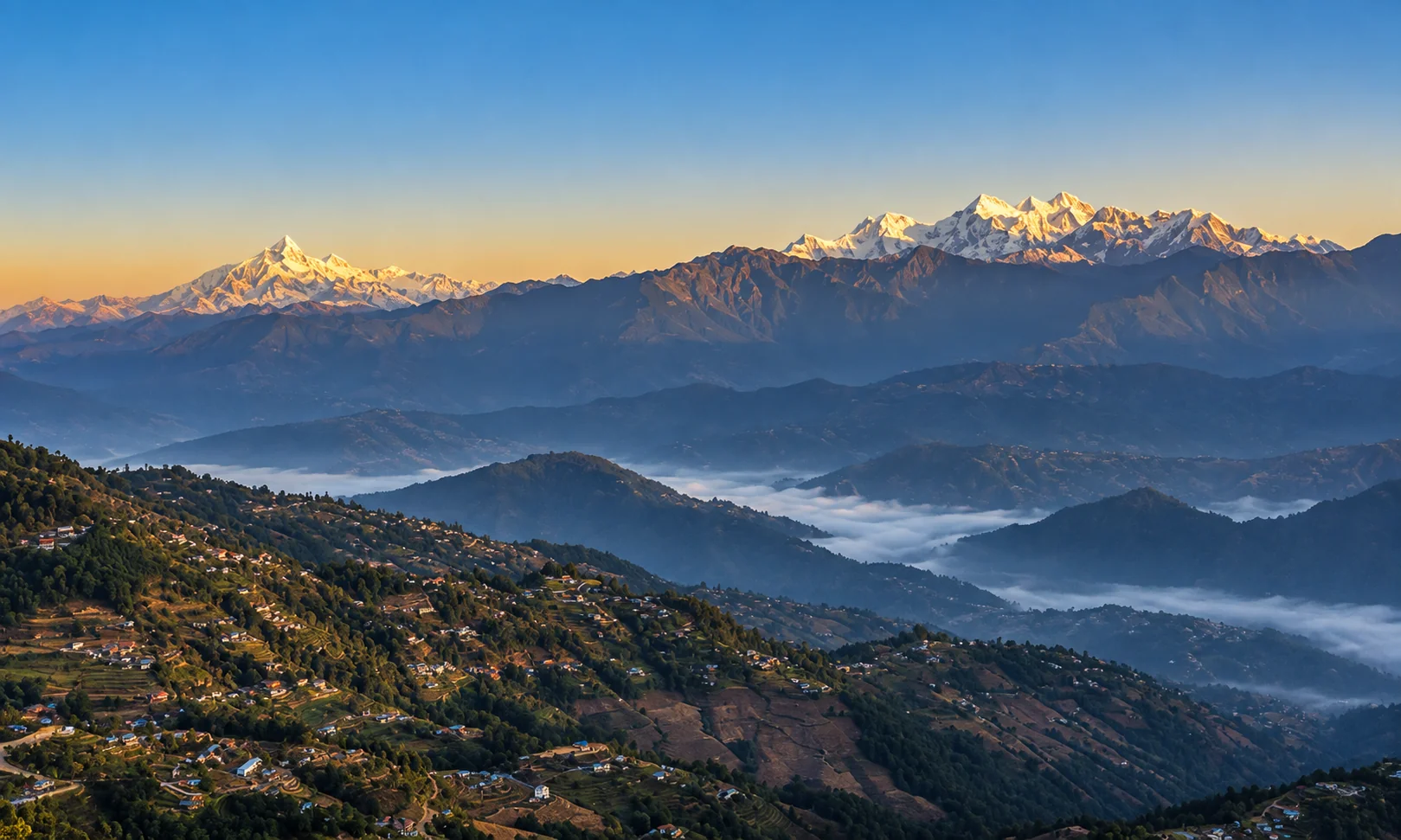
Day 5: Trek to Mohare Danda (3,313m), famous for sunrise and mountain panorama
Day 6: Trek to Swanta Village
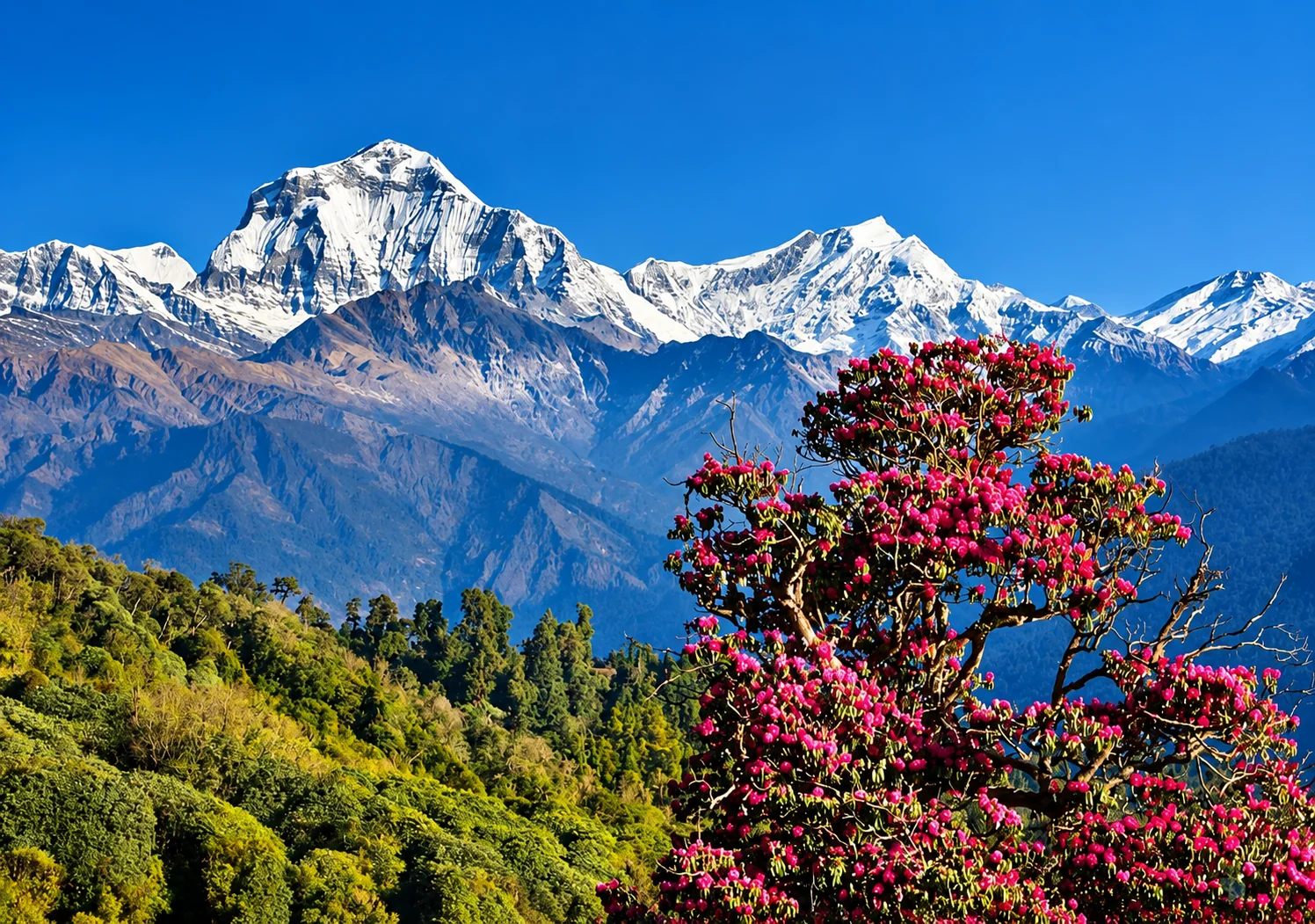
Day 7: Trek to Khopra Danda (3,660m), views of Annapurna and Dhaulagiri
Day 8: Day hike to Khayer Lake (approx. 4,500-4,660m) and return to Khopra Danda, 7-8 hours round trip
Day 9: Trek to Dobato
Day 10: Trek to Ghandruk, the well-known traditional Gurung village
Day 11: Drive Ghandruk to Pokhara (3-4 hours)
Day 12: Drive Pokhara to Kathmandu (6-7 hours)
Day 13: Departure from Kathmandu
| Duration | 13 days / 12 nights |
| Max altitude | ~4,660m (Khayer Lake); Khopra Danda 3,660m; Mohare Danda 3,313m |
| Difficulty | Moderate to challenging |
| Best season | October-November and March-April |
| Daily walking | 4-8 hours, 7-8 hours on the Khayer Lake day |
| Accommodation | Hotel in Kathmandu/Pokhara, teahouses/lodges on trek |
| Group size | Any |
See the full Mohare Khopra Danda Trek package page for current pricing and departures.
What You'll Actually Experience
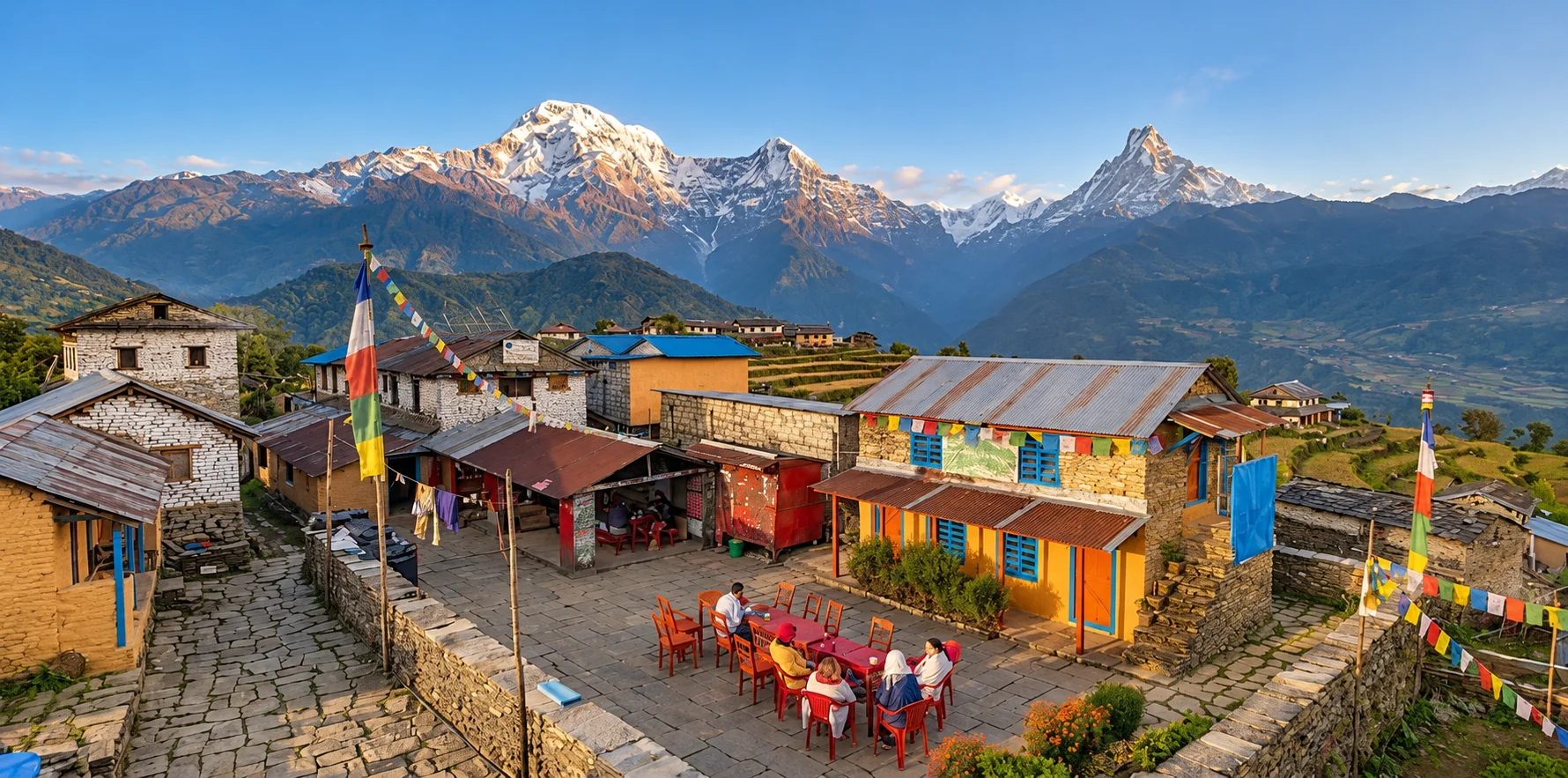
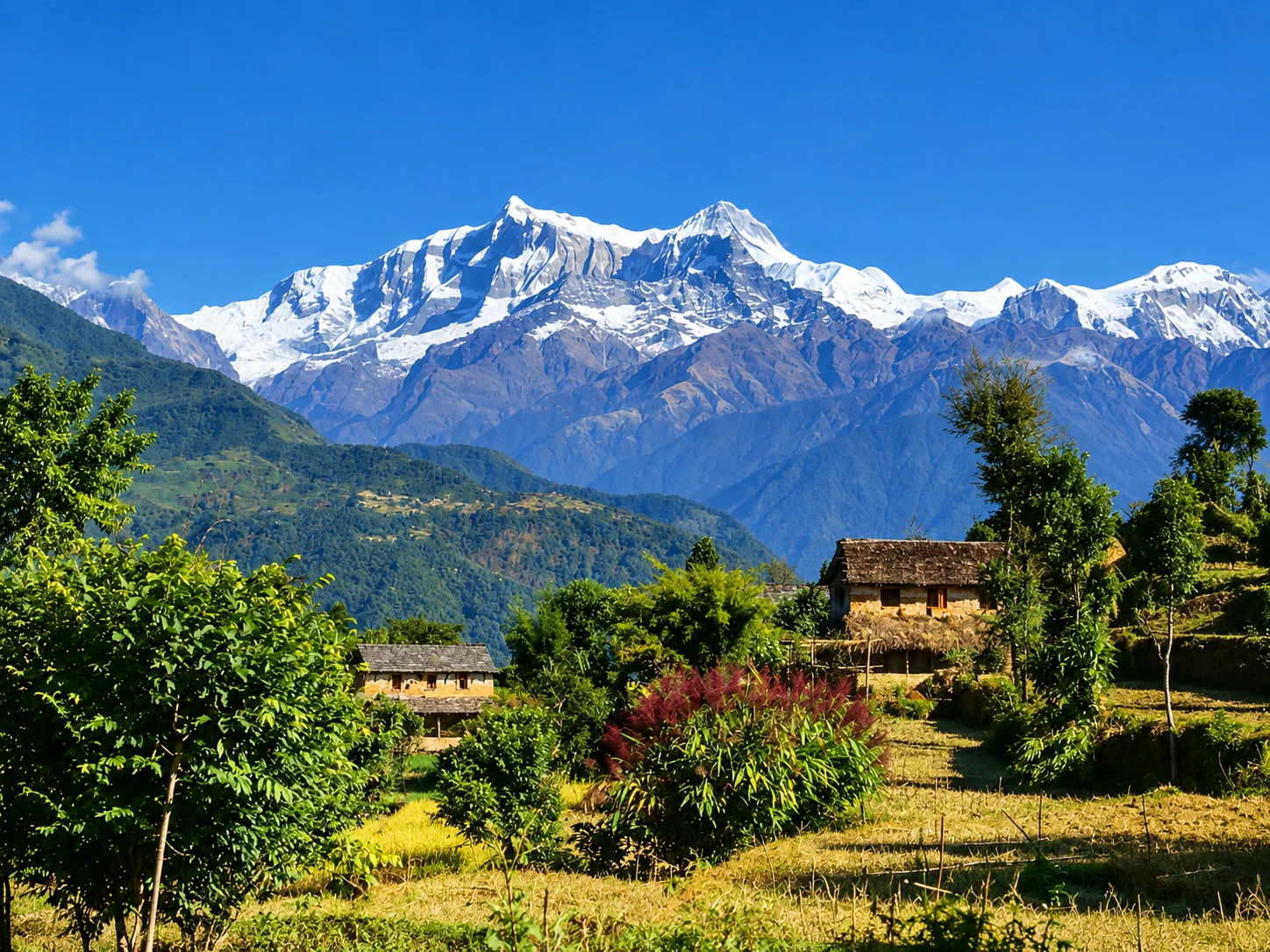
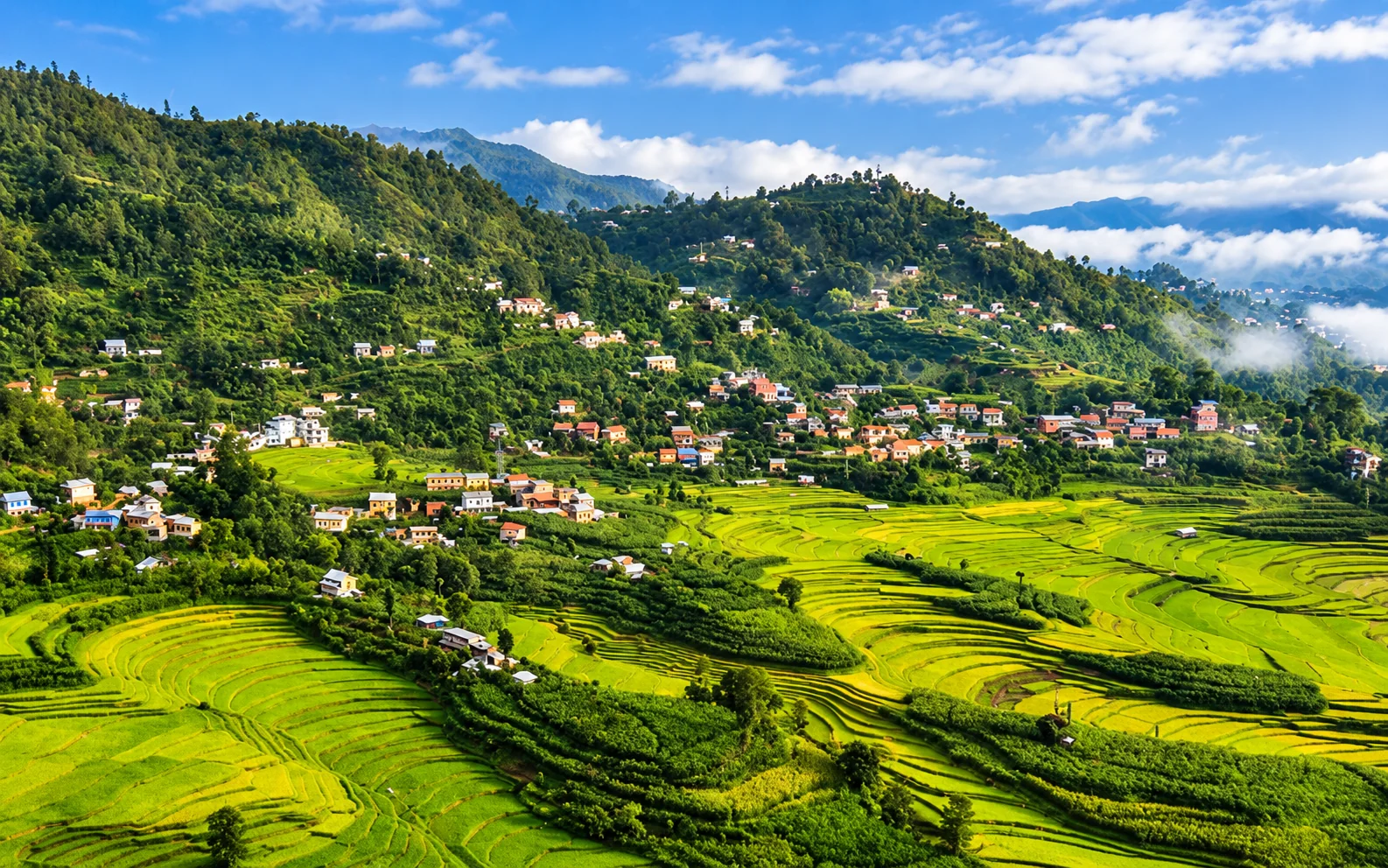
Genuine village trails, not a tourist circuit. The route passes through Phalame Hill or Banskharka, Nangi, Swanta, and Dobato, villages that see far fewer trekkers than the busier Annapurna Base Camp or Poon Hill trails, with traditional Magar culture in the lower sections and Gurung culture more prominent around Ghandruk.
Two major viewpoints, not one. Mohare Danda (3,313m) offers a renowned sunrise panorama, while Khopra Danda (3,660m) provides its own spectacular views of the Annapurna and Dhaulagiri ranges, meaning the trek doesn't rely on a single payoff moment.
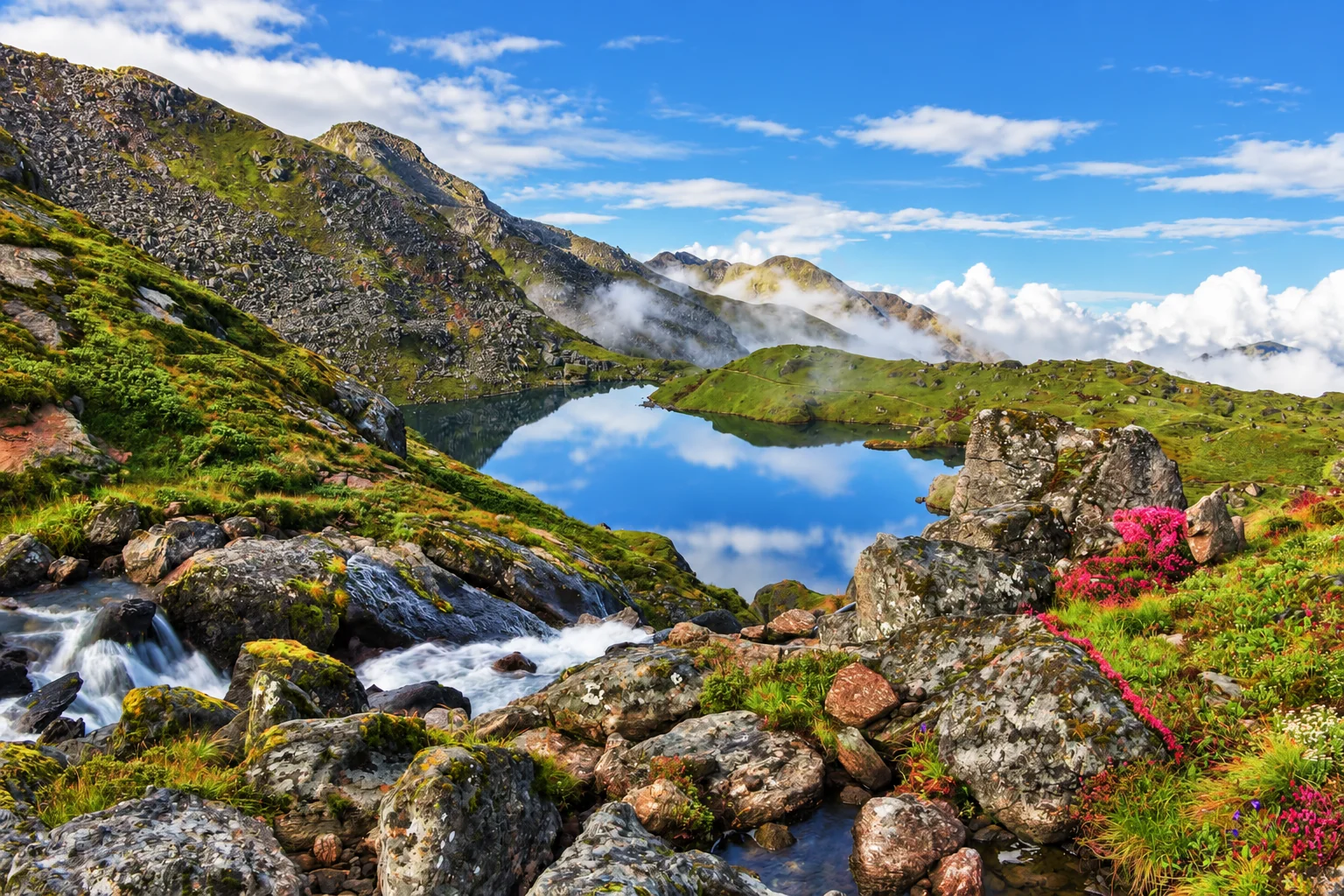
A genuinely remote, optional high-altitude excursion. The Khayer Lake day hike is explicitly described as the most demanding section, a 7-8 hour round trip into alpine, high-altitude terrain. Travelers who'd rather skip it can remain at Khopra Danda and still enjoy the mountain scenery.
A strong cultural finish at Ghandruk. The trek ends in one of the Annapurna region's most famous traditional Gurung villages, known for its stone houses, Gurung Museum, and mountain views, giving the journey a well-rounded close.
Should You Do It? A Straight Answer
Do it if:
- You want a genuine multi-day Annapurna trek without the crowds of Poon Hill or Annapurna Base Camp
- You're reasonably fit and prepared for several consecutive trekking days
- You're drawn to traditional Magar and Gurung village culture as much as mountain views
- You want the option of a demanding high-altitude day hike (Khayer Lake), but don't need to commit to it
Skip it, or choose something shorter, if:
- You only have a few days (choose the 2-Day Astam Village Hike, Pokhara to Ghandruk Trek, or Panchase Hill Eco Hike instead)
- You want the famous Poon Hill sunrise specifically (choose Ghorepani Poon Hill Trek)
- You have any condition that makes high-altitude trekking risky without medical clearance
- You want a low-difficulty itinerary (this is rated moderate to challenging throughout)
Difficulty and Altitude: What to Take Seriously
This trek is rated moderate to challenging, and the Khayer Lake day hike specifically is flagged on the package's own page as the most demanding section. A few honest points worth knowing before booking:
- The altitude gain is real. Reaching nearly 4,660m at Khayer Lake, after days spent progressively higher at Mohare Danda and Khopra Danda, requires proper pacing and acclimatization awareness.
- Daily walking runs 4-8 hours, with the longest and most demanding day being the Khayer Lake excursion.
- Terrain includes forest trails, rocky paths, stone steps, and steep ascents and descents, not technical climbing, but sustained physical effort across multiple consecutive days.
- Cold weather at higher elevations is a factor, particularly around Mohare Danda, Khopra Danda, Dobato, and on the Khayer Lake hike, where nighttime temperatures can be very cold.
- The Khayer Lake day is optional. If you'd rather not attempt it, you can stay at Khopra Danda and still enjoy the views, without the long high-altitude push.
This is general travel guidance, not medical advice. If you have a heart condition, respiratory condition, or any condition affecting your tolerance for altitude, consult your doctor before booking, and tell us when you enquire.
Who This Trek Suits
- Fit, experienced hikers wanting a quieter alternative to crowded Annapurna routes
- Trekkers who've already done a shorter Pokhara trip and are ready for something bigger
- Couples, small groups, and solo travelers comfortable with 12 consecutive days of travel and trekking
- Photographers after remote Himalayan landscapes, traditional architecture, and two distinct viewpoints
- Families with older children and good fitness, with the understanding that the Khayer Lake section may not suit every family member and a customized, slower-paced itinerary can be arranged
It's a less natural fit for complete beginners, travelers with limited time, or anyone hoping for a low-difficulty experience.
What's Included and What Isn't
Included: A traditional welcome on arrival at the international airport, hotel pickup and drop-off, 3-star Kathmandu hotel (BB plan), a detailed tour map and briefing before departure, local sharing transportation during the trek, full-board meals (breakfast, lunch, dinner from Day 2-12; breakfast on Days 1 and 13), lodge/teahouse accommodation during the trek, all local and government taxes, all staff-related expenses, the Annapurna Conservation Area entry permit fee, a professional trekking guide throughout, a basic first-aid kit with necessary medications carried by the guide, and 24/7 emergency support.
Not included: Personal expenses (tips, laundry, beverages, bar bill), costs arising from political disruption or events beyond the company's control, personal travel insurance (must cover trekking and emergency evacuation), porter service (available at $20/day if requested), and international bank transaction fees.
Best Time to Go
| Season | What to expect |
|---|---|
| October-November | Widely regarded as the best window: stable weather, clear skies, excellent mountain visibility |
| March-April | Also recommended: pleasant temperatures, rhododendron forests in bloom |
| December-February | Cold, with possible snow at higher elevations (Mohare Danda, Khopra Danda); clear on good days but requires proper winter gear |
| Monsoon (June-August) | Lush but wet, slippery trails, reduced visibility, possible road delays |
October to November and March to April are the officially recommended windows, offering the most reliable combination of stable weather and clear Himalayan views.
What to Pack
- Trekking boots, sandals for camp, warm socks
- T-shirts, trekking pants, fleece, down jacket, thermal base layers
- Rain jacket, waterproof pants, warm gloves, warm hat
- Backpack and daypack, trekking poles, headlamp
- A sleeping bag (recommended, given cold nights at higher elevations)
- Sunglasses, sunscreen, sun hat
- Reusable water bottle and water purification tablets
- A personal first-aid kit and personal medicines
- Mobile phone, power bank, charging cables
- Passport, trekking permits, and travel insurance documents that cover high-altitude trekking and emergency evacuation
Permits: What's Required
The Annapurna Conservation Area entry permit fee is included in your package price. Other permit requirements, including whether a TIMS card applies, can depend on the final route and current regulations, and your trekking agency arranges these on your behalf.
How This Compares to Other Pokhara-Area Treks
| Trek | Duration | Max altitude | Difficulty |
|---|---|---|---|
| 2-Day Astam Village Hike | 2 days | ~1,650m | Low |
| Pokhara to Ghandruk Trek | 3 days | 1,940m | Moderate |
| Panchase Hill Eco Hike | 5 days | 2,517m | Low |
| Ghorepani Poon Hill Trek | 6 days | 3,210m | Moderate |
| Mohare Khopra Danda Trek | 13 days | ~4,660m | Moderate to challenging |
Mohare Khopra Danda sits in its own category among Khushi Travels' Annapurna-region offerings: the longest in duration, the highest in altitude, and the most physically demanding, while still sharing the village-culture focus of the shorter treks. For the full comparison of shorter options, see our guide to Short Treks from Pokhara.
Extend Your Annapurna Experience
The route naturally connects to several other destinations, and the package page notes these as common extensions:
- Ghorepani Poon Hill Trek: add the famous sunrise viewpoint if time allows
- Annapurna Base Camp Trekking: for travelers with additional time and fitness wanting to go further into the Annapurna Sanctuary
- Tatopani: natural hot springs, a good way to unwind after the trek
- Sikles: another traditional Gurung village worth exploring if cultural immersion is your priority
After the Trek
Twelve days of trekking, including a demanding high-altitude day, deserves proper recovery:
- A full rest day in Pokhara before any further activity
- The 1-Day Ayurvedic Wellness Experience after returning to Kathmandu
- The 4-Day Restorative Yoga & Wellness Retreat for a longer wind-down
- Relaxing by Phewa Lake or visiting the World Peace Pagoda in Pokhara before heading back
Book the Mohare Khopra Danda Trek
The Mohare Khopra Danda Trek is run by Khushi Travels & Consulting Group, a Kathmandu-based company established in 2025 by a team with more than 17 years of travel experience, associated with NTB, TAAN, and the Himalayan Rescue Association. See our registrations and why travel with us. The itinerary can be customized based on travel dates, trekking pace, accommodation preferences, and whether you'd like to include the Khayer Lake day hike, use Customize Trip to build your own version. Contact us or message WhatsApp for current pricing and availability.
Frequently Asked Questions
1. What is the Mohare Khopra Danda Trek?
A 13-day off-the-beaten-path Annapurna trek through traditional Magar and Gurung villages, including Mohare Danda, Khopra Danda, Khayer Lake, Dobato, and Ghandruk, ending with scenic drives between Kathmandu and Pokhara.
2. How long is this trek?
13 days and 12 nights, including arrival and departure in Kathmandu, road travel to and from Pokhara, and the trekking section through the Annapurna region.
3. What is the maximum altitude reached?
Approximately 4,500-4,660m at Khayer Lake, the highest point of the itinerary. Khopra Danda reaches approximately 3,660m, and Mohare Danda approximately 3,313m.
4. Is this a short trek?
No. At 13 days and reaching nearly 4,660m, it's a substantial multi-stage trek, considerably longer and higher than Khushi Travels' shorter Pokhara-area options like Ghandruk or Astam.
5. Which villages does the trek pass through?
Phalame Hill or Banskharka, Nangi, Mohare Danda, Swanta, Khopra Danda, Dobato, and Ghandruk.
6. How difficult is the Mohare Khopra Danda Trek?
Rated moderate to challenging, due to elevation gain, several consecutive trekking days, and the demanding Khayer Lake day hike.
7. Is the Khayer Lake hike mandatory?
No. Travelers who prefer a less demanding itinerary can remain at Khopra Danda and enjoy the mountain scenery, sunrise, and surrounding landscapes instead.
8. How long is the Khayer Lake day hike?
Approximately 7-8 hours round trip from Khopra Danda, depending on trail conditions, walking pace, weather, and acclimatization.
9. Is this trek suitable for beginners?
It can suit reasonably fit beginners with proper preparation, though the Khayer Lake section is genuinely challenging because of high altitude and long walking hours.
10. What fitness level is recommended?
Good cardiovascular fitness and regular walking experience, with the ability to walk 4-8 hours a day across uphill and downhill terrain for multiple consecutive days.
11. Is altitude sickness a real risk on this trek?
Yes, particularly on the Khayer Lake day hike. Ascend gradually, stay hydrated, eat regular meals, avoid alcohol at altitude, and inform your guide immediately if you feel unwell.
12. Is this trek suitable for families?
Families with older children and good physical fitness may consider it, though the Khayer Lake day hike and high-altitude sections require careful consideration for each family member. A customized, slower-paced itinerary can be arranged.
13. Is this trek suitable for senior travelers?
It can suit physically fit senior travelers with previous trekking experience, though a slower or customized itinerary may be preferable given the altitude and demanding days.
14. What's the best season for this trek?
October to November and March to April, offering the most stable weather and clearest mountain views.
15. Can I trek in winter?
Yes, though temperatures become very cold at higher elevations, with possible snow around Mohare Danda and Khopra Danda. Proper winter trekking gear is essential.
16. Can I trek during the monsoon?
It's possible but less favorable, with wet, slippery trails and possible road delays between Kathmandu and Pokhara.
17. What mountains can I see during the trek?
Primarily the Annapurna and Dhaulagiri ranges, along with Annapurna South, Machhapuchhre, Hiunchuli, Nilgiri, and other surrounding Himalayan peaks, visibility depending on weather.
18. What accommodation is provided?
A 3-star hotel in Kathmandu, hotels in Pokhara, and teahouses or mountain lodges during the trekking section. Facilities become simpler at higher elevations.
19. What meals are included?
Full-board meals (breakfast, lunch, dinner) from Day 2 to Day 12, with breakfast included on Day 1 and Day 13.
20. Do I need a guide?
Yes, a professional trekking guide is included throughout, along with a basic first-aid kit carried by the guide.
21. Is a porter available?
Yes, porter service can be arranged at an additional cost of $20 per day, though it's not included in the standard package.
22. What permits are required?
The Annapurna Conservation Area entry permit fee is included. Other requirements, including TIMS, can depend on the final route and current regulations, and your trekking agency arranges these.
23. Is travel insurance required?
Not included in the package but strongly recommended, and should cover trekking activities, high-altitude trekking, and emergency evacuation, including helicopter rescue if needed.
24. How does this compare to Annapurna Base Camp?
Both are multi-day, moderate-to-challenging Annapurna treks. Mohare Khopra Danda offers a quieter alternative route through less-visited villages, while Annapurna Base Camp is one of the region's most popular and well-established trails. The two can also be combined for travelers with additional time.
25. How does this compare to Ghorepani Poon Hill?
Poon Hill is shorter (around 6 days), reaches a lower maximum altitude (3,210m), and follows a more established, busier route. Mohare Khopra Danda is longer, reaches higher altitude, and is explicitly positioned as a quieter alternative.
26. Can I add Poon Hill to this trek?
Yes, the package page notes this as a possible extension for travelers with additional time.
27. Can this itinerary be customized?
Yes, including travel dates, trekking pace, accommodation preferences, transportation arrangements, whether to include the Khayer Lake hike, and additional nights in Kathmandu or Pokhara. Use Customize Trip.
28. What should I pack for this trek?
Trekking boots, layered clothing including a down jacket, rain protection, a sleeping bag, trekking poles, sun protection, a first-aid kit, and travel documents. See the full packing list above.
29. How do I book the Mohare Khopra Danda Trek?
Contact us, message us on WhatsApp, or email info@khushiservice.com.
Ready for the Trail Less Traveled?
Contact Khushi Travels or message us on WhatsApp to book the Mohare Khopra Danda Trek. You can also call Mr. Dinesh (9768988868) or Mr. Sunil Sharma (9768988869).
Khushi Travels & Consulting Group Pvt. Ltd. | Sorahkhutte, Kathmandu, Nepal | info@khushiservice.com | khushiservice.com
Similar Blogs
We are associated with