Tea Gardens and Village Life: The Lwang Village Tour

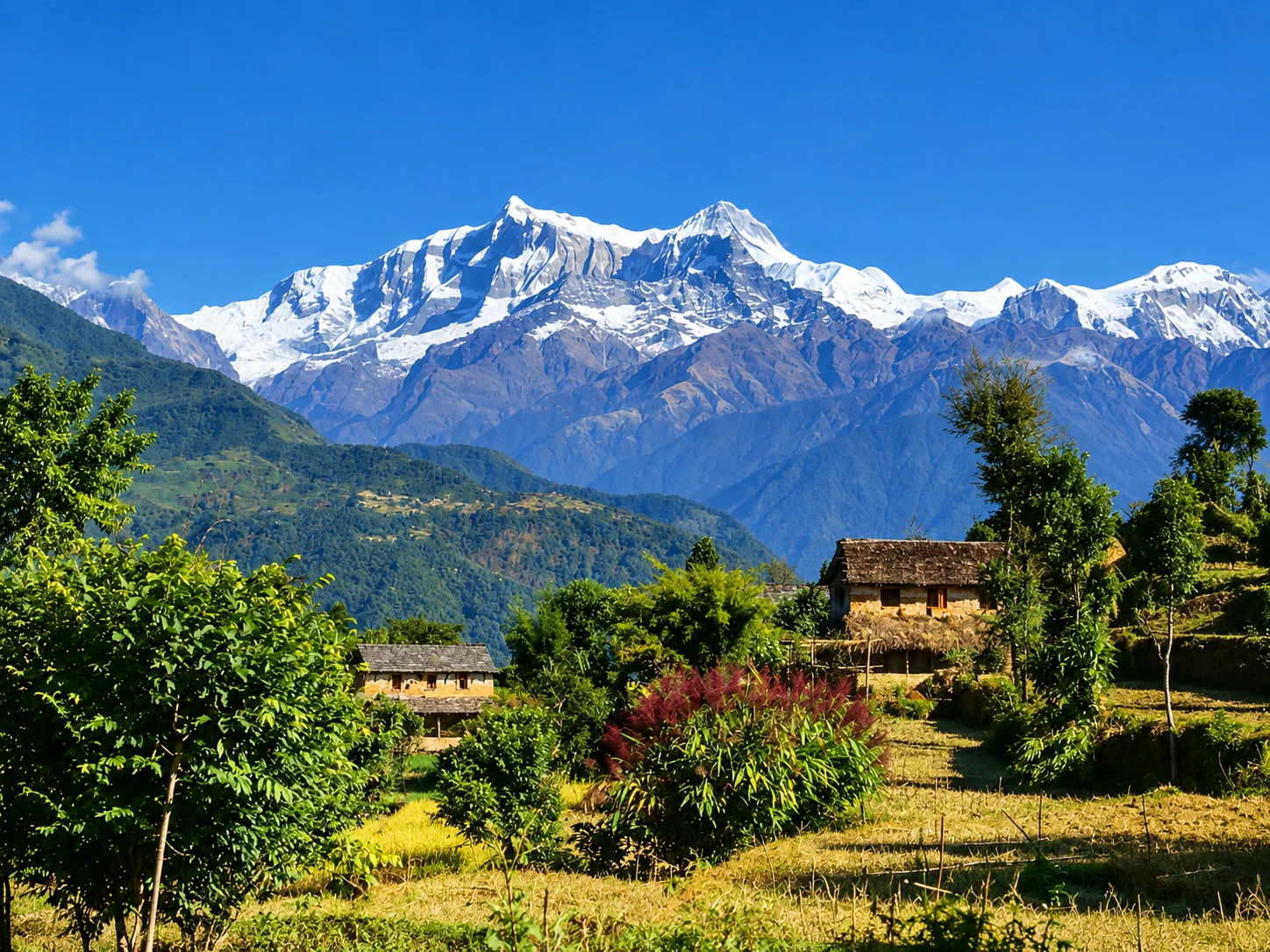
The Lwang Village & Tea Garden Tour is a 3-day, low-difficulty cultural escape from Pokhara to Lwang Village, a Gurung settlement surrounded by tea plantations, terraced farmland, and Annapurna views. Two nights are spent in a traditional homestay, with village walks, tea garden exploration, and local cuisine filling the days. The Lwang Village Tour suits travelers who want authentic rural culture without committing to a demanding trek.
Culture First, Hiking Second
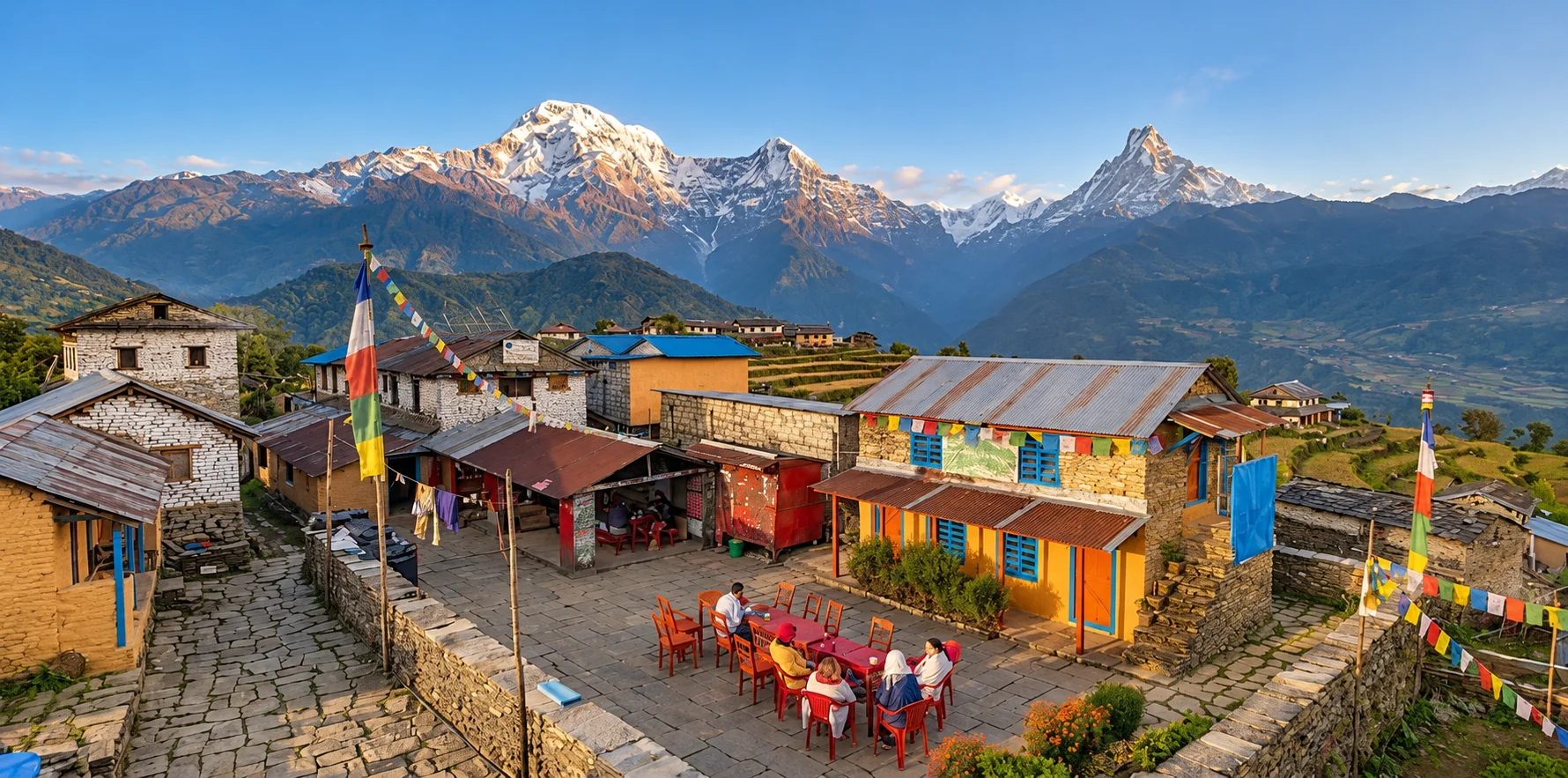
Most short trips from Pokhara are framed around a trek or a viewpoint. The Lwang Village Tour takes a different approach, placing culture at the center and reserving walking as a way to experience the village rather than the main goal. The result is an itinerary built around a traditional Gurung homestay, a working tea garden, and genuine community interaction, with Himalayan views as a welcome bonus on clear days rather than the sole purpose of the trip.
The 3-Day Itinerary
Day 1: Pokhara to Lwang Village, Gurung Village Experience
A scenic drive of approximately 45km from Pokhara, passing green hills, terraced farmland, forests, and rural settlements. On arrival, travelers check into a traditional Gurung homestay and enjoy a freshly prepared local lunch. A gentle village walk of approximately 2-3km follows, visiting traditional houses, local farms, and community areas. The evening includes mountain scenery, community interaction, and a traditional homestay dinner.
Day 2: Lwang Village, Tea Garden and Cultural Experience
A full day centered on the Lwang Tea Garden: walking through tea plantations, learning about local tea cultivation, and observing farming practices, alongside further village exploration and cultural interaction with the Gurung community.
Day 3: Lwang Village to Pokhara, Scenic Return
A relaxed final morning in Lwang Village before the scenic drive back to Pokhara.
| Duration | 3 days, 2 nights |
| Max altitude | Approximately 1,650-1,900m, depending on the selected walking route |
| Difficulty | Low to moderate |
| Best season | March-May and September-November |
| Total walking | Approximately 8-12km across 3 days |
| Accommodation | Traditional Gurung homestay in Lwang Village |
| Transportation | Private vehicle, approximately 2-3 hours each way |
| Group size | 1 to 10 people |
| Distance from Pokhara | Approximately 45km by road |
See the full Lwang Village & Tea Garden Tour package page for current pricing and departures.
What Makes Lwang Village Different
A real working tea garden, not a staged stop. The Lwang Tea Garden is an actual tea-growing area, and visitors can observe cultivation practices, walk among the plants, and, depending on the season, taste locally produced tea. Agricultural seasons shape what visitors see, giving each trip a slightly different character.
A traditional Gurung homestay, not a hotel. Two nights are spent with a local family rather than in a conventional guesthouse, which the package page describes as providing warm hospitality, home-cooked meals, and a genuine window into daily Gurung life.
Low difficulty with genuine flexibility. The Lwang Village Tour is rated low to moderate, and the walking distance can be adjusted according to fitness level, available time, and interest, making the itinerary easy to tailor for families, couples, or solo travelers.
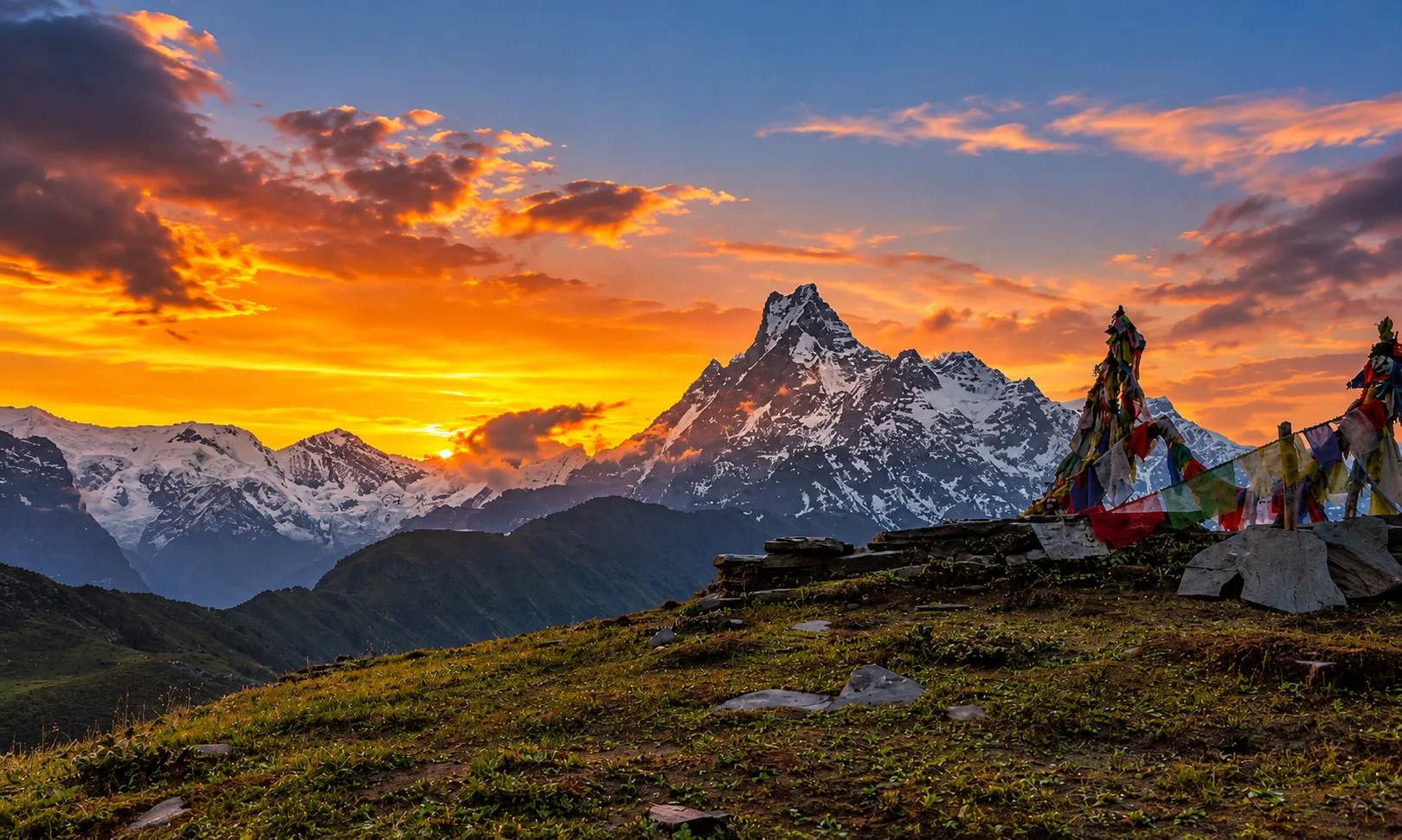
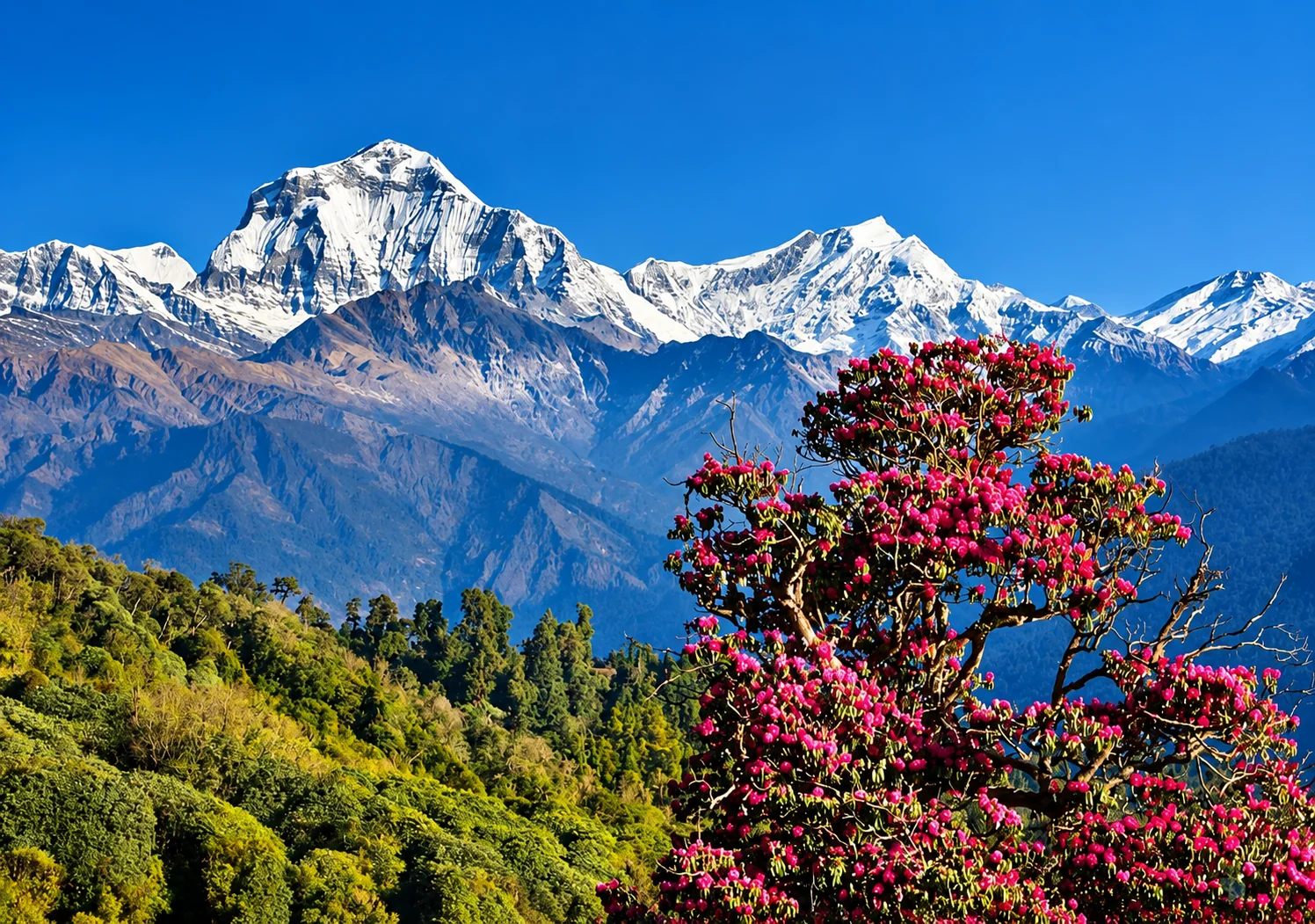
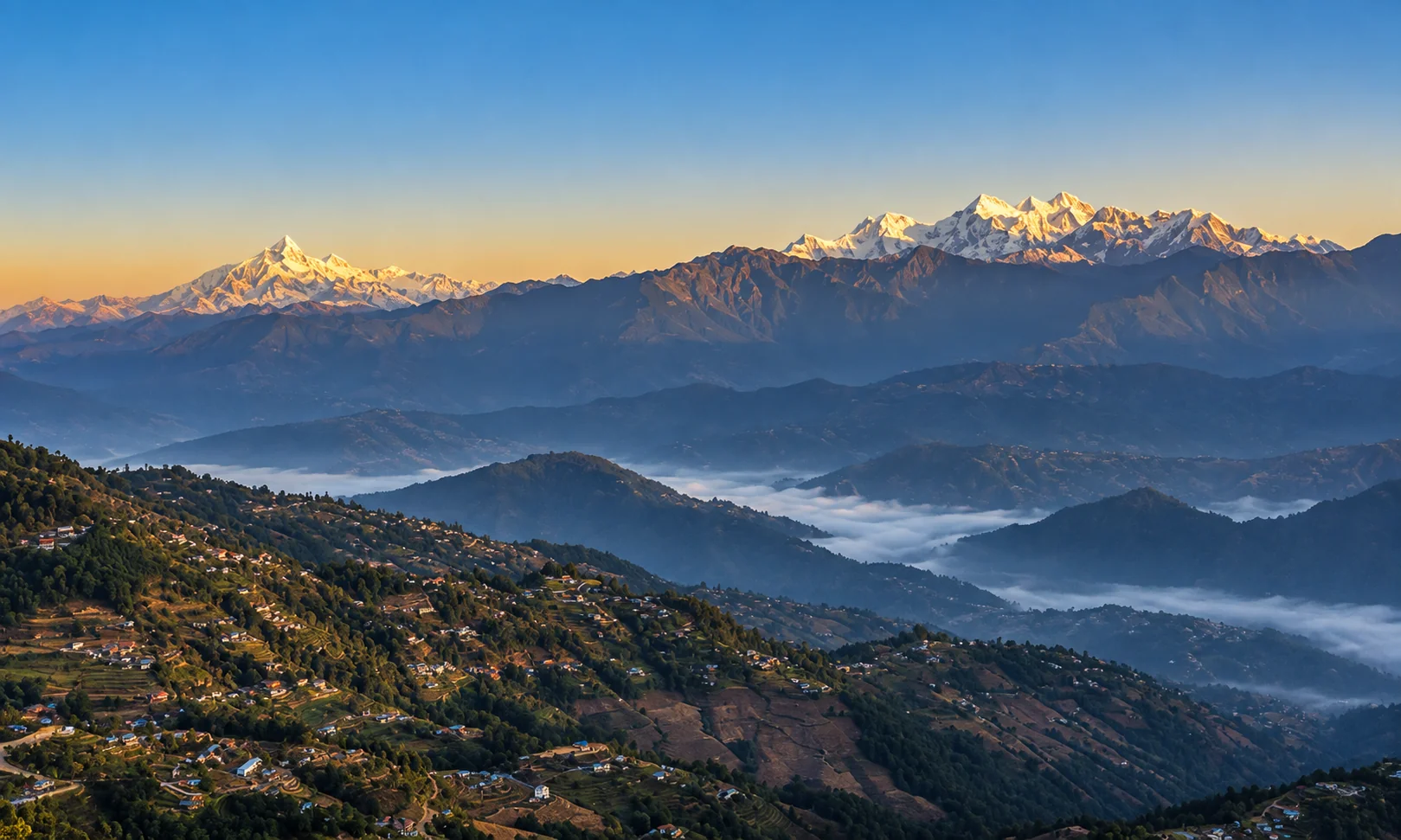
Himalayan views as a bonus, not the point. On clear days, the Annapurna range and Machhapuchhre are visible from elevated points around Lwang Village, but mountain scenery supports the cultural experience rather than driving it.
Should You Do It? A Straight Answer
Do it if:
- A genuine cultural and homestay experience matters more than trekking distance or altitude
- Two nights with a local Gurung family sounds appealing rather than a hotel stay
- Tea gardens, farming practices, and village life are of real interest
- A short, low-difficulty escape from Pokhara fits the available time
Skip it, or choose something else, if:
- A demanding trek or dramatic mountain panorama is the main goal (choose the Ghorepani Poon Hill Trek instead)
- A hotel stay is preferred over a homestay
- Only a single day is available (consider a shorter Pokhara day trip instead)
- Guaranteed mountain views matter more than cultural immersion (the Annapurna Base Camp or Poon Hill routes offer more reliable high-altitude panoramas)
Difficulty and Who the Lwang Village Tour Suits
The Lwang Village Tour is rated easy to moderate, well below the demands of a Himalayan trek. Walking sections involve village paths, farmland, and tea garden trails, with some uneven and occasionally muddy ground, especially after rain, but no technical terrain and no high-altitude exposure.
The Lwang Village Tour suits:
- First-time visitors to Nepal who want cultural depth without trekking fitness requirements
- Families, including those with children and older relatives, given the adjustable walking distance
- Couples and solo travelers seeking a relaxed, community-focused experience
- Photographers interested in tea plantations, traditional architecture, and daily village life
Previous trekking experience isn't required. A traveler comfortable with a few hours of walking across uneven ground, spread over two days, should find the Lwang Village Tour manageable.
What's Included and What Isn't
Included: A traditional welcome on arrival at the international airport, a professional tour guide throughout, private AC vehicle transfers as per the itinerary, full-board meals (breakfast, lunch, dinner), homestay/lodge accommodation, a bottle of water during the tour, cultural interaction with local communities, the Annapurna Conservation Area entry permit fee, and all local and government taxes.
Not included: Personal expenses (tips, laundry, beverages, bar bill), accommodation, meals, or activities outside the stated itinerary, entrance fees at sightseeing spots, a 10% company service charge, international bank transaction fees, and personal travel insurance.
Best Time to Visit Lwang Village
| Season | What to expect |
|---|---|
| Spring (March-May) | Pleasant temperatures, green hills, comfortable walking conditions, good visibility |
| Monsoon (June-August) | Lush, green landscapes but frequent rain, slippery paths, and reduced mountain visibility |
| Autumn (September-November) | Generally the best season: fresh post-monsoon greenery, clear skies, comfortable walking |
| Winter (December-February) | Cool mornings and evenings, quieter village atmosphere, fewer visitors |
March to May and September to November are the officially recommended windows, offering the most comfortable walking conditions and the best chance of clear Himalayan views.
What to Pack
- Comfortable hiking shoes
- A lightweight daypack
- A warm jacket or fleece
- A rain jacket or poncho
- A sun hat and sunglasses
- Sunscreen
- A reusable water bottle
- Personal toiletries and medicines
- A camera or smartphone
- A power bank
- A small first-aid kit
- Travel insurance documents, strongly recommended though not included
Food at the Homestay
Meals in Lwang Village center on traditional Nepali and Gurung dishes, prepared using locally available ingredients. Dal bhat with rice, lentil soup, vegetables, and pickle is the most common and filling option, alongside roti, local bread, and seasonal vegetable curries. Breakfast typically includes roti, bread, eggs, and tea or coffee. Vegetarian meals are widely available with advance notice; travelers with specific dietary requirements should inform the homestay or travel company in advance.
Permits: What's Required
Lwang Village sits within the Annapurna Conservation Area, so an Annapurna Conservation Area Permit (ACAP) fee applies and is included in the package price. No restricted-area trekking permit is required for the standard Lwang Village Tour itinerary, since the route doesn't continue into higher trekking areas. Permit requirements and fees can change, so current details are confirmed before each departure.
How the Lwang Village Tour Compares to Other Pokhara-Area Trips
| Trip | Duration | Focus | Accommodation |
|---|---|---|---|
| 2-Day Astam Village Hike | 2 days | Short village introduction | Local guesthouse/homestay |
| Lwang Village & Tea Garden Tour | 3 days | Deep Gurung culture, tea gardens, homestay | Traditional homestay (2 nights) |
| Pokhara to Ghandruk Trek | 3 days | Gurung culture plus more trekking distance | Mountain lodge |
| Panchase Hill Eco Hike | 5 days | Forest and quiet viewpoints | Hotel plus lodge/teahouse |
Among the Pokhara-area short trips, the Lwang Village Tour offers the deepest homestay immersion of the shorter options, with two full nights spent with a host family rather than a lodge or guesthouse. For a full comparison of other Pokhara-area treks, see the guide to Short Treks from Pokhara.
Nearby Places Worth Adding
A customized itinerary can extend beyond Lwang Village to nearby destinations:
- Ghalel Village: a traditional settlement offering further village exploration
- Ghachowk: a peaceful countryside area suited to short nature walks
- Lumle: green hills and agricultural landscapes in the wider region
- Phewa Lake, Sarangkot, and the World Peace Pagoda: popular Pokhara attractions that pair naturally with a Lwang Village visit before or after the tour
Similar and Complementary Trips
- If the tea garden and cultural immersion appealed most: no closer alternative exists in the current catalog, making the Lwang Village Tour the standout choice for this specific experience
- If more walking distance is wanted alongside similar culture: the Pokhara to Ghandruk Trek
- If a shorter, gentler village visit is preferred: the 2-Day Astam Village Hike
- If post-trip relaxation is wanted back in Kathmandu: the 1-Day Ayurvedic Wellness Experience
Book the Lwang Village & Tea Garden Tour
The Lwang Village & Tea Garden Tour is run by Khushi Travels & Consulting Group, a Kathmandu-based company established in 2025 by a team with more than 17 years of travel experience, associated with NTB, TAAN, and the Himalayan Rescue Association. See the full registrations and why travel with us pages. The itinerary can be fully customized according to travel dates, walking distance, accommodation preference, and group size, use Customize Trip to build a personalized version. Contact us or message WhatsApp for current pricing and availability.
Frequently Asked Questions
1. What is the Lwang Village & Tea Garden Tour?
The Lwang Village & Tea Garden Tour is a 3-day cultural and nature experience from Pokhara, featuring Gurung culture, village life, tea gardens, Himalayan scenery, local cuisine, and traditional homestay accommodation.
2. Where does the Lwang Village Tour start and end?
The Lwang Village Tour starts in Pokhara and ends in Pokhara, after exploring Lwang Village, the tea garden, and surrounding areas.
3. How many days does the Lwang Village Tour require?
The Lwang Village Tour requires 3 days and includes 2 nights of accommodation in a traditional village homestay.
4. What are the main highlights of the Lwang Village Tour?
The main highlights include Gurung culture, traditional village life, the Lwang Tea Garden, Himalayan views, scenic walks, local cuisine, community interaction, and homestay hospitality.
5. How far is Lwang Village from Pokhara?
Lwang Village sits approximately 45 kilometers from Pokhara by road, with the exact distance varying according to the selected route.
6. How long does the drive from Pokhara to Lwang Village take?
The drive from Pokhara to Lwang Village generally takes around 2 to 3 hours, depending on traffic, road conditions, and stops along the way.
7. What is the difficulty level of the Lwang Village Tour?
The Lwang Village Tour is generally easy to moderate, involving village walks and tea garden trails rather than demanding high-altitude trekking.
8. Is the Lwang Village Tour suitable for families?
Yes, the Lwang Village Tour is suitable for families, couples, groups, and travelers looking for a relaxed cultural and nature experience.
9. Is the Lwang Village Tour suitable for beginners with no trekking experience?
Yes, the Lwang Village Tour does not require trekking experience or specialized skills, making the itinerary accessible for beginners.
10. Is the Lwang Village Tour suitable for older travelers?
Yes, with a suitable itinerary. Walking distance can be reduced, additional rest breaks can be added, and private transportation can minimize unnecessary walking for older travelers.
11. What is the maximum altitude reached during the Lwang Village Tour?
The Lwang Village Tour reaches approximately 1,900 meters at a scenic viewpoint, depending on the selected walking route.
12. What can travelers experience at the Lwang Tea Garden?
The Lwang Tea Garden offers opportunities to walk among tea plantations, observe tea cultivation, learn about local farming practices, enjoy fresh tea where available, and photograph the surrounding landscape.
13. Is tea tasting included at the Lwang Tea Garden?
Locally produced tea can be enjoyed at the Lwang Tea Garden when available, as part of the cultural and agricultural experience.
14. What season is best for visiting the Lwang Tea Garden?
Spring and autumn generally offer the most comfortable conditions for exploring the Lwang Tea Garden, with pleasant temperatures and clearer visibility.
15. Where is accommodation provided during the Lwang Village Tour?
Accommodation during the Lwang Village Tour is provided at a traditional village homestay in Lwang Village, offering local hospitality and community interaction.
16. How many nights are spent in Lwang Village?
The Lwang Village Tour includes 2 nights in a traditional village homestay.
17. What facilities can travelers expect at the homestay?
The homestay typically offers comfortable beds, blankets, shared or private bathroom facilities depending on the property, traditional meals, tea or coffee, and a common dining area for interacting with the host family.
18. What type of food is available during the Lwang Village Tour?
Meals generally include traditional Nepali and Gurung dishes prepared with fresh local ingredients, such as dal bhat, vegetables, pickles, roti, and tea.
19. Are vegetarian meals available during the Lwang Village Tour?
Yes, vegetarian meals can generally be arranged at the village homestay with advance notice.
20. Are meals included in the Lwang Village Tour package?
The standard itinerary includes breakfast, lunch, and dinner according to the daily schedule, though specific meal inclusions can be customized.
21. Can travelers interact with the Gurung community during the Lwang Village Tour?
Yes, travelers can interact with local residents and learn about Gurung traditions, lifestyle, food, culture, and community practices throughout the Lwang Village Tour.
22. Are cultural performances available during the Lwang Village Tour?
Traditional Gurung music and dance performances may be arranged depending on local availability and group requirements.
23. Is photography allowed at Lwang Tea Garden and Lwang Village?
Photography is generally permitted in outdoor areas, the tea garden, and village surroundings, though permission should be requested before photographing local residents or private activities.
24. Is hiking included in the Lwang Village Tour?
Yes, the Lwang Village Tour includes easy village walks and tea garden hiking, with total walking distance adjustable according to fitness level and interests.
25. What is the approximate hiking distance during the Lwang Village Tour?
The standard Lwang Village Tour itinerary involves approximately 8 to 12 kilometers of walking across three days, depending on the selected trails and activities.
26. Can travelers enjoy Himalayan mountain views from Lwang Village?
Yes, clear weather conditions can provide views of the Annapurna region, Machhapuchhre, and surrounding Himalayan peaks from elevated points around Lwang Village.
27. Is a trekking guide necessary for the Lwang Village Tour?
A trekking guide is generally not necessary for the standard Lwang Village Tour, since the itinerary focuses on easy village walks and cultural exploration rather than demanding trekking terrain.
28. Are permits required for the Lwang Village Tour?
An Annapurna Conservation Area Permit may be required for the Lwang Village Tour, since Lwang Village is located within the Annapurna Conservation Area. Permit requirements and fees should be confirmed according to traveler nationality and the final route.
29. What type of transportation is used for the Lwang Village Tour?
Private transportation is used for the Lwang Village Tour, providing comfort and flexibility for stops along the route between Pokhara and Lwang Village.
30. Can the Lwang Village Tour be customized?
Yes, Khushi Travels & Consulting Group can customize the Lwang Village Tour according to travel interests, group size, preferred activities, accommodation, walking distance, transportation, and available time.
31. How does the Lwang Village Tour compare to the Ghandruk Trek?
The Ghandruk Trek involves more walking distance and reaches a higher altitude than the Lwang Village Tour, while the Lwang Village Tour offers a deeper homestay experience with two full nights spent with a Gurung host family.
32. Can the Lwang Village Tour be combined with other Pokhara attractions?
Yes, Phewa Lake, the World Peace Pagoda, and Sarangkot can be added to a Lwang Village Tour itinerary for travelers with additional time in Pokhara.
33. How can travelers book the Lwang Village & Tea Garden Tour?
Travelers can contact Khushi Travels & Consulting Group, message WhatsApp, or email info@khushiservice.com for availability, customized itineraries, and current pricing.
Ready to Visit Lwang Village?
Contact Khushi Travels or message WhatsApp to book the Lwang Village & Tea Garden Tour. Reach Mr. Dinesh (9768988868) or Mr. Sunil Sharma (9768988869) directly by phone.
Khushi Travels & Consulting Group Pvt. Ltd. | Sorahkhutte, Kathmandu, Nepal | info@khushiservice.com | khushiservice.com
Similar Blogs
We are associated with