Muktinath Temple: A Sacred Escape to the Himalayas

Nepal is a land of breathtaking mountains, ancient traditions, spiritual heritage, and unforgettable travel experiences. Among the many sacred destinations hidden within the Himalayas, Muktinath Temple stands as one of the most respected and spiritually important pilgrimage sites in Nepal. Located in the beautiful Mustang region at an altitude of 3,800 meters, Muktinath is not just a temple. It is a symbol of faith, peace, liberation, and Himalayan beauty.
Surrounded by snow-covered mountains, peaceful valleys, prayer flags, and sacred water spouts, Muktinath Temple attracts thousands of pilgrims and travelers every year. Hindus and Buddhists from around the world visit this holy destination seeking spiritual blessings, inner peace, and a deeper connection with nature and culture.
Whether you are a spiritual traveler, nature lover, photographer, adventure seeker, or cultural explorer, Muktinath Temple offers a once-in-a-lifetime experience in the heart of the Himalayas.
Introduction to Muktinath Temple:
The word “Muktinath” means “Place of Liberation.” According to Hindu belief, visiting Muktinath and taking a holy bath under its sacred water spouts helps people achieve spiritual purification and freedom from past sins.
The temple is dedicated to Lord Vishnu and is considered one of the most sacred pilgrimage destinations for Hindus. At the same time, Buddhists also respect Muktinath as an important spiritual site connected with Guru Rinpoche, also known as Padmasambhava.
Located in the Mustang district of Nepal, Muktinath sits peacefully between dramatic Himalayan landscapes and ancient mountain villages. The spiritual atmosphere, combined with breathtaking natural scenery, makes the destination truly magical.
Historical and Religious Importance:
Muktinath Temple has been an important religious site for centuries. Ancient pilgrims traveled through difficult mountain trails to reach this sacred place and offer prayers.
The temple is mentioned in Hindu scriptures and is one of the 108 Divya Desams, which are holy places dedicated to Lord Vishnu. For Buddhists, Muktinath represents a place of meditation, peace, and spiritual enlightenment.
The temple is deeply connected with the concepts of faith, salvation, and harmony between religions. One of the most beautiful aspects of Muktinath is how Hindu and Buddhist traditions peacefully coexist in the same sacred space.
Over the years, the temple has become not only a pilgrimage destination but also one of Nepal’s most popular cultural and travel attractions.
The Famous 108 Sacred Water Spouts:
One of the most iconic features of Muktinath Temple is the sacred 108 water spouts, also known as “Muktidhara.”
These stone water taps continuously flow with icy Himalayan water. Pilgrims believe that bathing under all 108 water spouts cleanses the body, mind, and soul.
Even though the water is freezing cold, devotees courageously walk beneath each spout as part of a sacred purification ritual. The experience is both spiritual and unforgettable.
The sound of flowing water, the fresh mountain air, and the peaceful surroundings create an atmosphere of complete calmness and devotion.
For many visitors, witnessing or participating in this ritual becomes the highlight of their journey to Muktinath.
The Eternal Flame of Jwala Mai:
Another unique attraction at Muktinath is the sacred eternal flame known as “Jwala Mai.”
This natural flame burns continuously from underground natural gas sources. Water, fire, and earth exist together in this sacred place, symbolizing harmony between natural elements.
Pilgrims believe the eternal flame represents divine power and spiritual energy. The small temple housing the flame is peaceful and deeply spiritual, attracting visitors from around the world.
The presence of this naturally burning flame adds mystery and sacred beauty to the Muktinath experience.
The Beauty of Mustang Region:
The journey to Muktinath Temple is filled with breathtaking Himalayan scenery. The Mustang region is famous for its dramatic landscapes, rocky hills, ancient villages, deep valleys, and snow-covered mountains.
Travelers passing through Mustang can enjoy incredible views of the Annapurna and Dhaulagiri mountain ranges. The landscapes feel completely different from other parts of Nepal, offering a unique blend of Tibetan culture and Himalayan beauty.
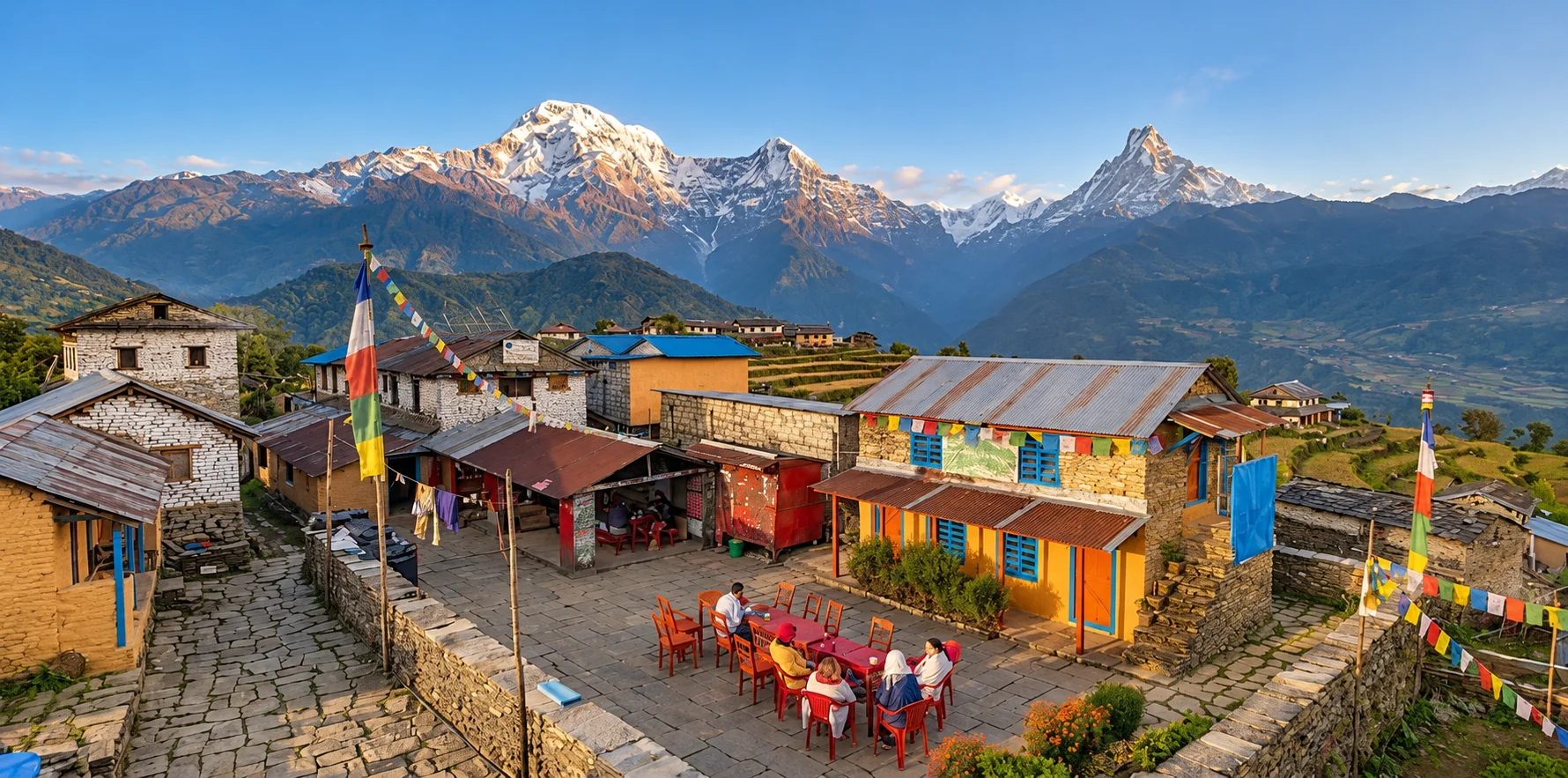
Villages like Jomsom, Kagbeni, and Marpha add cultural richness to the journey. These villages are known for their traditional stone houses, monasteries, apple orchards, and warm local hospitality.
The peaceful environment and untouched natural beauty make Mustang one of Nepal’s most extraordinary travel destinations.
A Spiritual and Cultural Experience
Muktinath Temple is more than just a religious site. It is a complete spiritual and cultural experience.
Visitors can explore:
-Sacred temples and monasteries
-Traditional Himalayan villages
-Tibetan Buddhist culture
-Prayer flags and meditation areas
-Ancient rituals and spiritual traditions
-Stunning mountain photography spots
-Local foods and hospitality
The peaceful atmosphere allows travelers to disconnect from busy city life and reconnect with nature and spirituality.
The combination of culture, religion, and natural beauty creates memories that remain unforgettable long after the journey ends.
Best Time to Visit Muktinath
Muktinath Temple can be visited throughout the year, but the best seasons are:
-Spring (March to May)
-Pleasant temperatures
-Clear mountain views
-Beautiful natural scenery
-Autumn (September to November)
-Crystal-clear skies
-Comfortable weather
-Excellent visibility for photography
Winter also offers beautiful snowy landscapes, although temperatures can become extremely cold.
During the monsoon season, travel conditions may become difficult due to road conditions and rainfall.
How to Reach Muktinath
Travelers usually begin their journey from Kathmandu or Pokhara.
1. By Flight
-Visitors can take a scenic flight from Pokhara to Jomsom and continue by jeep or local transport toward Muktinath.
2. By Road
-Adventure travelers often choose jeep rides through the mountain roads of Mustang. The road journey offers stunning views and an exciting Himalayan travel experience.
The route itself becomes part of the adventure, with beautiful landscapes and traditional villages along the way.
Travel Tips for Visitors
1. Dress Warmly
-Temperatures in Muktinath can be cold throughout the year, especially during mornings and evenings.
2. Stay Hydrated
-Due to the high altitude, drinking enough water is important.
3. Respect Religious Traditions
-Muktinath is a sacred pilgrimage site, so respectful behavior is recommended.
4. Carry Comfortable Shoes
-Walking around the temple area and mountain paths requires comfortable footwear.
5. Take Time to Explore Mustang
-Do not rush your journey. The surrounding villages and landscapes are equally beautiful.
6. Bring a Camera
-The mountains, temples, and landscapes provide incredible photography opportunities.
Why Muktinath Temple Should Be on Your Nepal Travel List
Muktinath Temple is one of Nepal’s most extraordinary destinations because it combines spirituality, adventure, culture, and natural beauty in one unforgettable journey.
Visitors leave with memories of:
- -Sacred Himalayan rituals
- -The famous 108 water spouts
- -Snow-covered mountain scenery
- -Peaceful spiritual moments
- -Beautiful Mustang landscapes
- -Warm local culture and hospitality
Whether you are traveling for religious purposes or simply exploring Nepal’s hidden treasures, Muktinath offers a powerful and meaningful experience unlike anywhere else in the world.
Book Your Nepal Adventure Today
Experience the breathtaking beauty of Pokhara with Khushi Travels & Consulting Group and discover the unforgettable landscapes of Nepal.
 Sorhakhutte, VS Complex Top Floor, Thamel, Kathmandu, Nepal
 +977 014975759 | +977 9768988868
 info@khushiservice.com
booking@khushiservice.com

Similar Blogs
We are associated with