Gastronomy Tourism in Nepal: A Cultural Journey Through Taste, Tradition, and Heritage

Introduction
Nepal is often introduced to the world through its towering peaks, spiritual depth, and cultural richness. Yet, beyond the Himalayas and heritage sites lies another powerful way to understand the country: its food. Gastronomy tourism in Nepal is not just about eating. It is about storytelling, identity, rituals, and generations of tradition served on a plate.
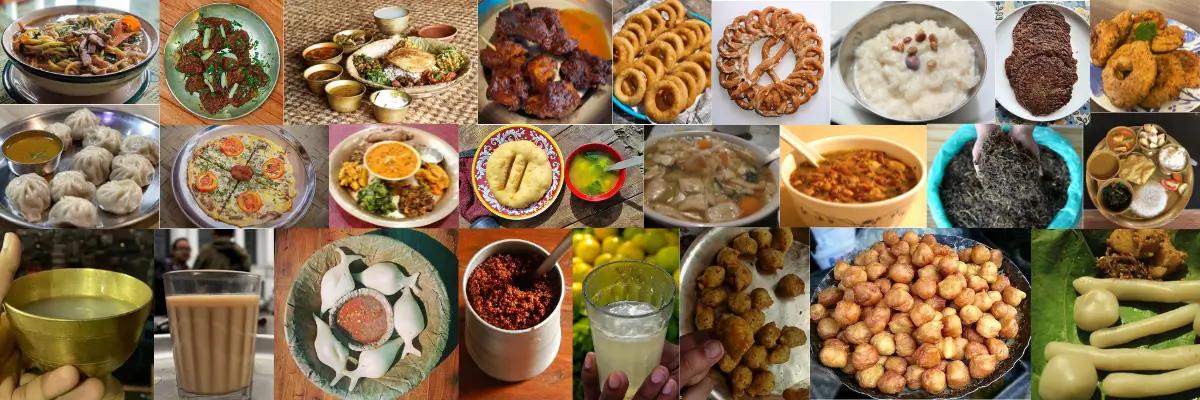
From the comforting simplicity of dal bhat to the ceremonial richness of Newari feasts, Nepal’s culinary landscape reflects its incredible diversity. With over 125 ethnic groups and distinct regional influences, each community has preserved its own food culture, shaped by geography, religion, and lifestyle. For travelers seeking authentic and immersive experiences, gastronomy tourism offers a meaningful way to connect with Nepal beyond sightseeing.
In recent years, gastronomy tourism in Nepal has grown steadily, attracting travelers who want to explore local flavors, participate in cooking traditions, and understand the cultural significance behind each dish. This is where specialized operators like Khushi Travels and Consulting Group play a vital role, curating authentic experiences that go far beyond standard tours.
Understanding Gastronomy Tourism in Nepal
Gastronomy tourism is the exploration of a destination through its food. In Nepal, this experience is deeply rooted in everyday life, festivals, and cultural rituals. Food is not just nourishment. It is an expression of community, religion, and hospitality.
A gastronomy tour in Nepal typically includes:
- Sampling local dishes across different regions
- Participating in traditional cooking sessions
- Visiting local markets and farms
- Experiencing festival feasts and rituals
- Dining with local families or in heritage settings
Unlike conventional travel, this type of tourism creates a personal and emotional connection with the destination. Guests do not just observe culture. They taste it, cook it, and live it.
The Cultural Diversity of Nepalese Cuisine
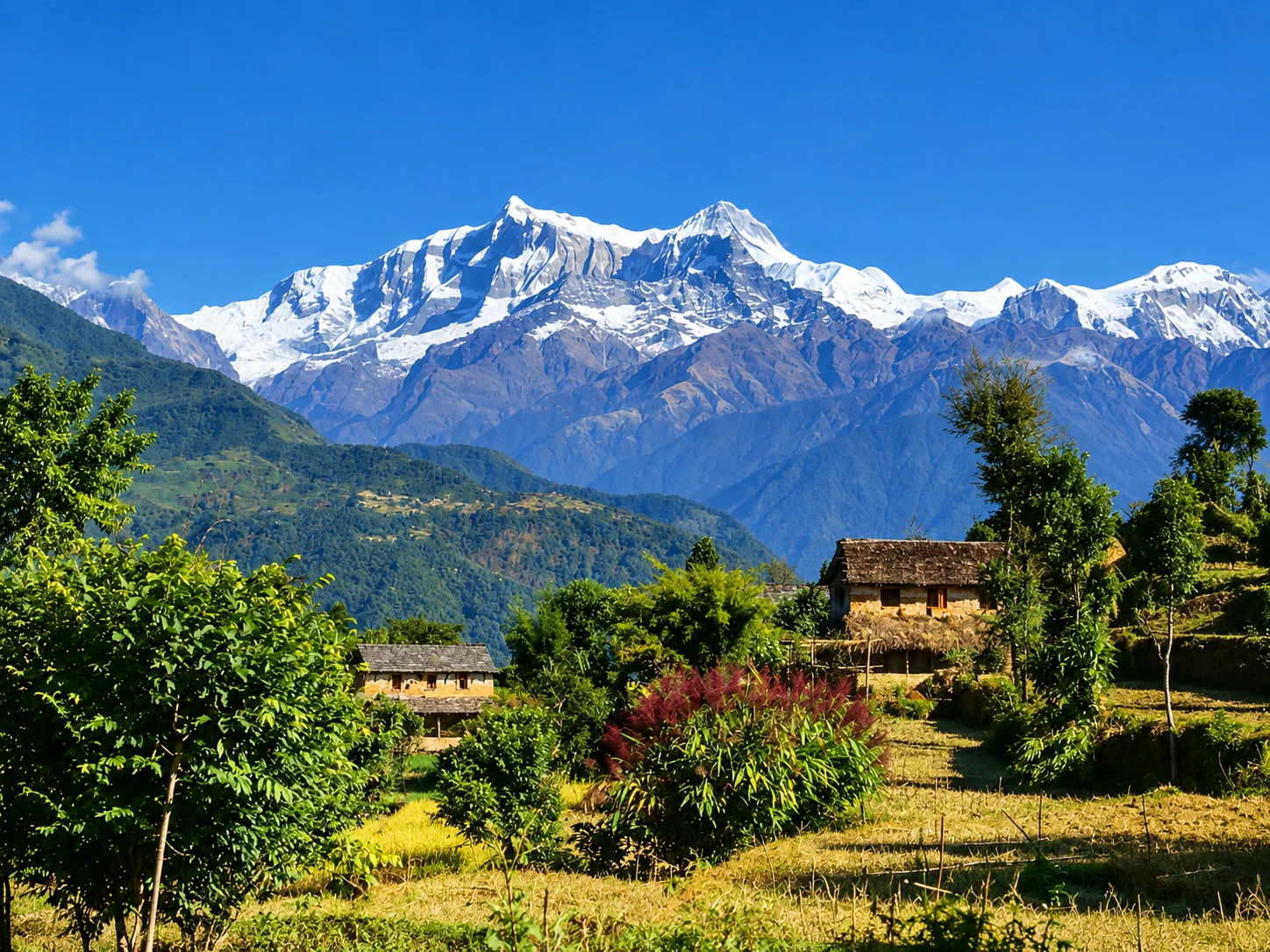
Nepal’s geography ranges from the lowland Terai plains to the high Himalayas. This variation directly influences the ingredients, cooking techniques, and dietary habits across regions.
1. Himalayan Cuisine
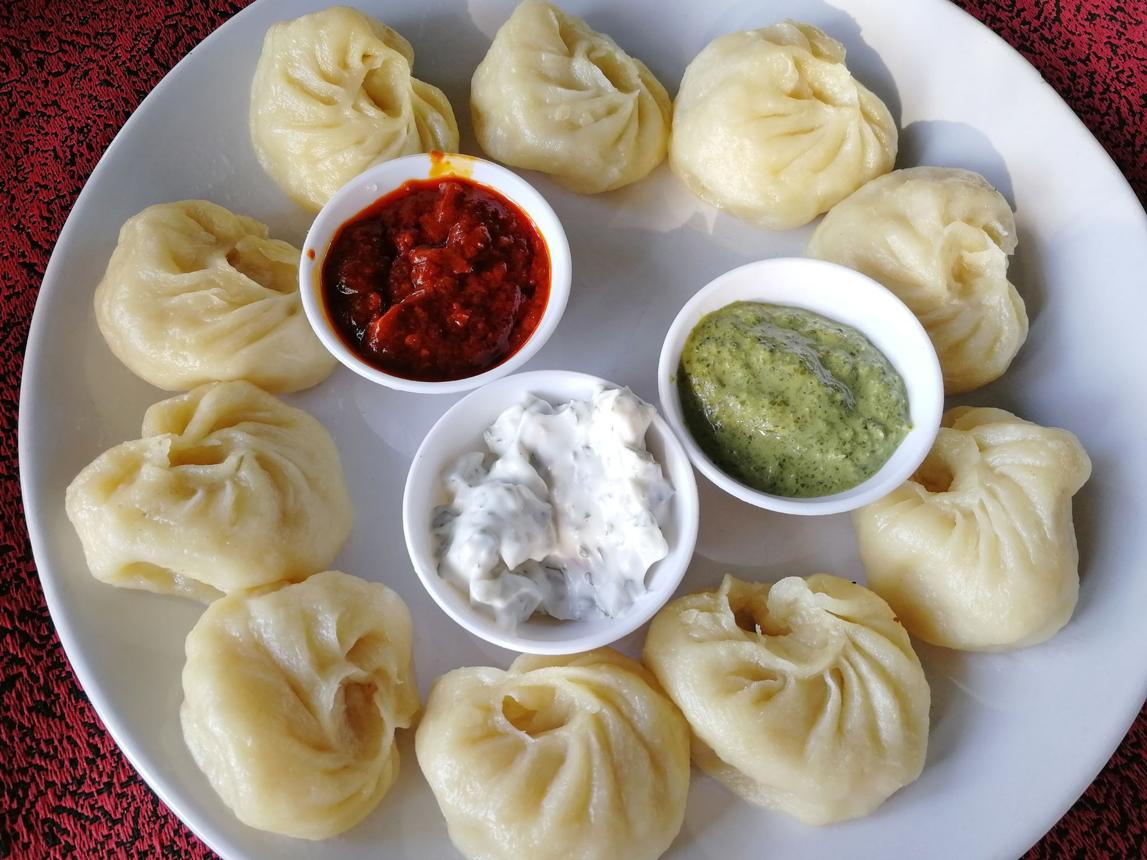
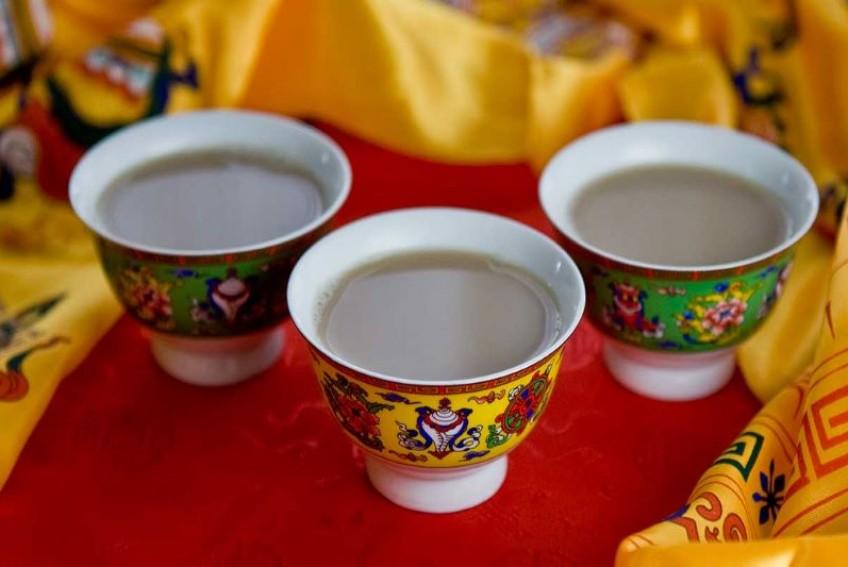
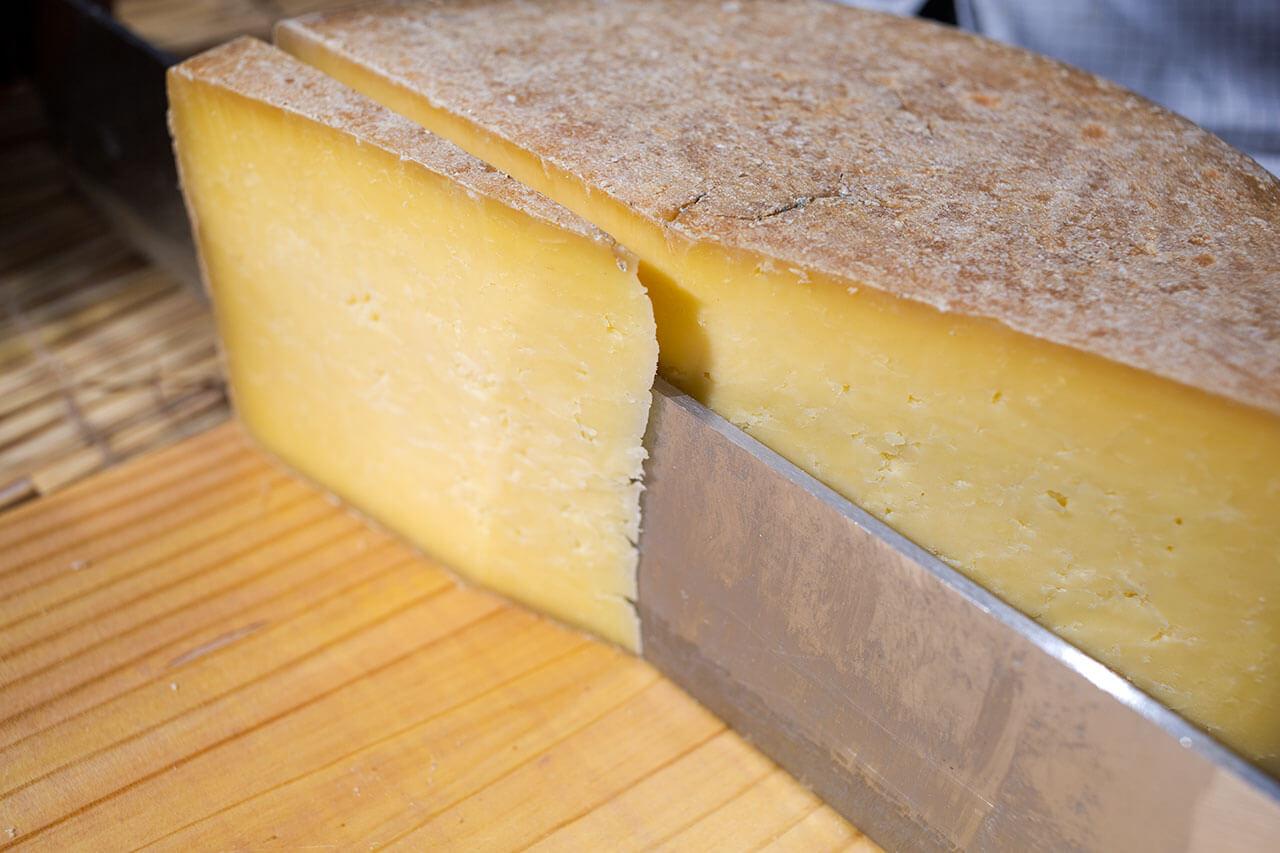
The Himalayan region, home to communities like Sherpas, Thakalis, and Tibetans, offers food that is hearty and suited for cold climates.
Key Dishes:
- Momo: Steamed or fried dumplings filled with meat or vegetables
- Thukpa: A warm noodle soup rich in flavor and nutrition
- Tsampa: Roasted barley flour, often mixed with tea or butter
- Yak Cheese: A staple dairy product in high-altitude regions
- Butter Tea (Su Cha): Salty tea made with yak butter, ideal for cold weather
These dishes reflect Tibetan influence and are designed to provide energy and warmth.
2. Hill Region Cuisine
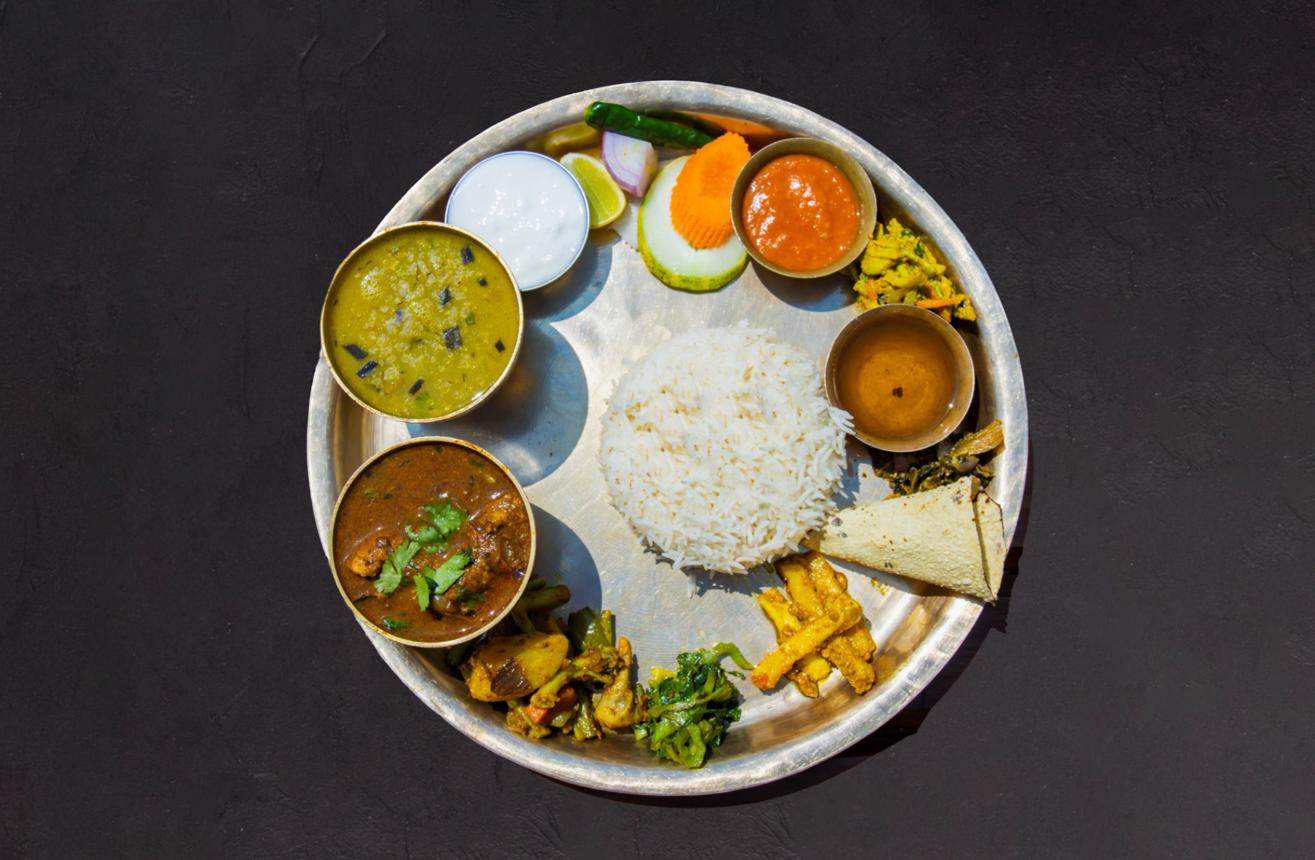
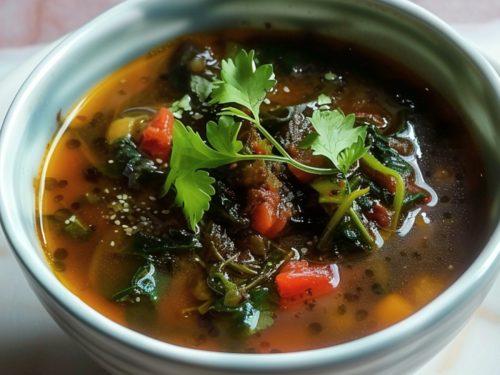
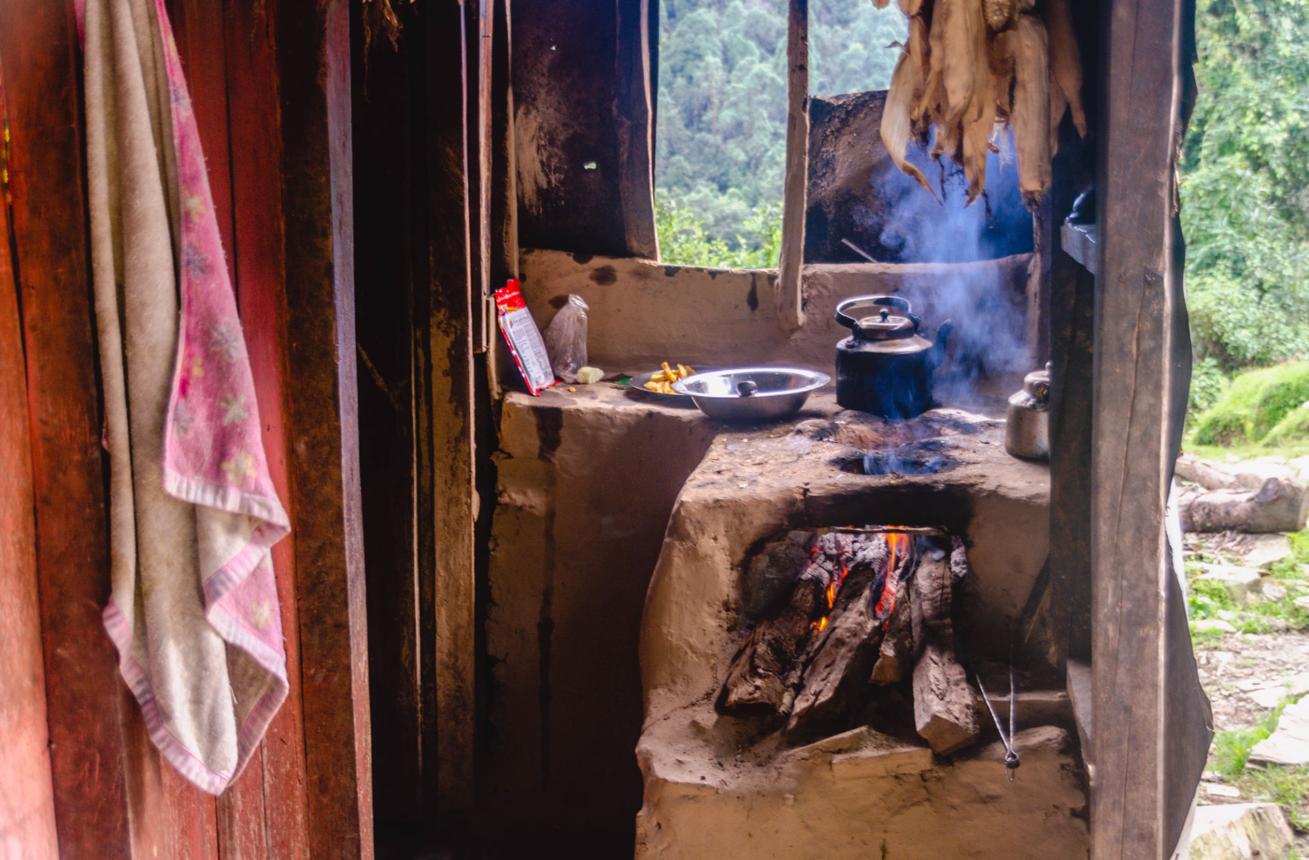
The mid-hills represent the heart of Nepalese cuisine. This is where the iconic daily meal is found.
Key Dishes:
- Dal Bhat Tarkari: Lentil soup served with rice, vegetables, pickles, and sometimes meat
- Dhido: A traditional thick porridge made from millet or buckwheat
- Gundruk: Fermented leafy greens, often used in soups or pickles
- Sel Roti: A ring-shaped rice bread prepared during festivals
- Achar (Pickles): Spicy accompaniments made from vegetables, fruits, or meat
This region emphasizes balance, nutrition, and seasonal ingredients.
3. Terai Cuisine
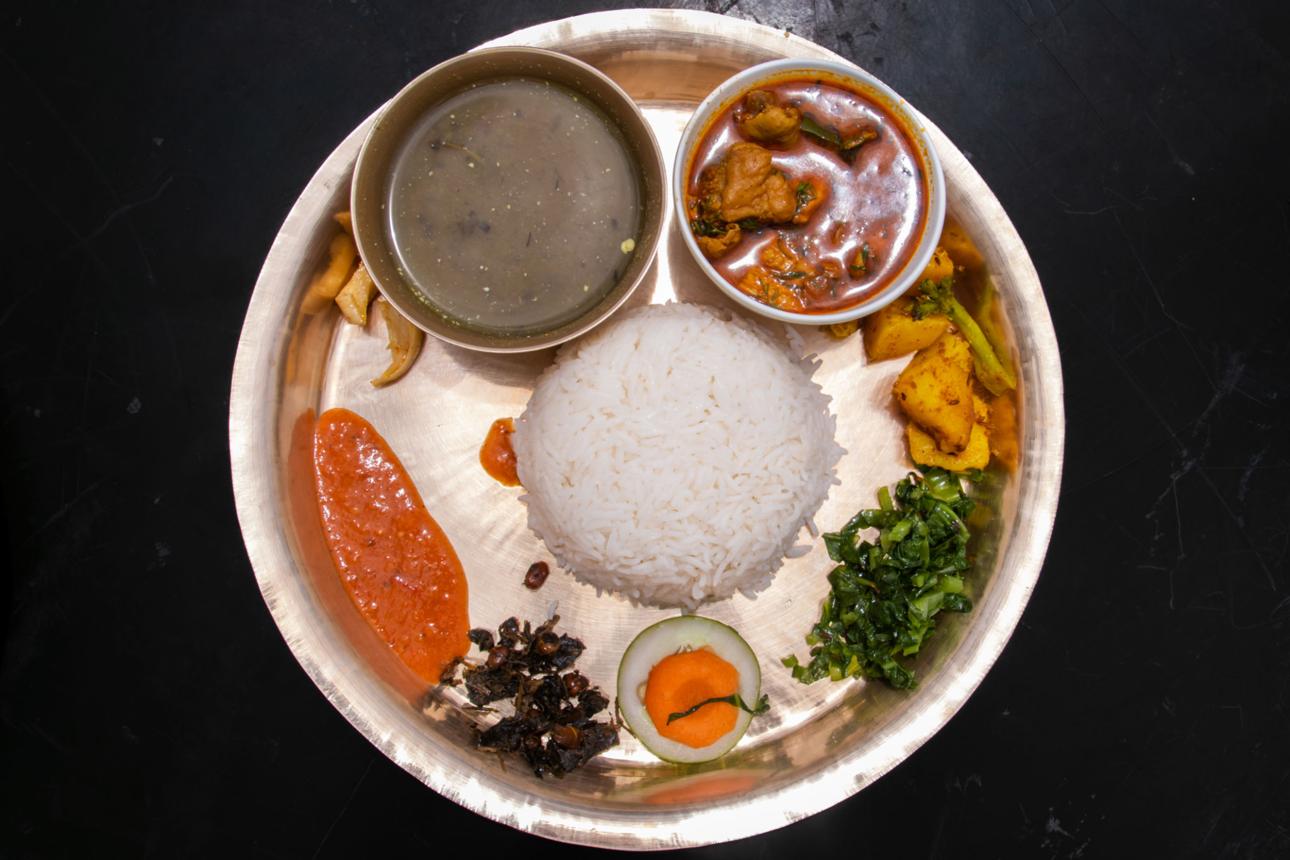

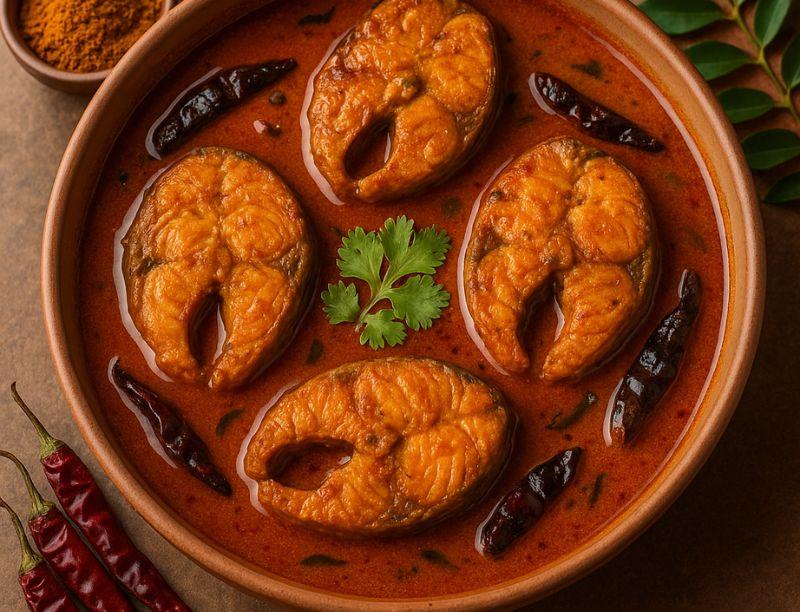
The Terai, Nepal’s southern plains, shares cultural similarities with northern India but retains its own distinct identity.
Key Dishes:
- Fish Curry and Rice: A staple meal in many Terai communities
- Bagiya: Steamed rice dumplings filled with lentils or vegetables
- Dhikri: Traditional steamed rice flour preparation
- Thekuwa: A sweet snack often prepared during festivals
The cuisine here is vibrant, flavorful, and often includes mustard oil, spices, and fresh produce.
Ethnic Culinary Traditions of Nepal
Nepal’s ethnic diversity is its greatest culinary strength. Each community has unique dishes tied to rituals, festivals, and social identity.
Newari Cuisine
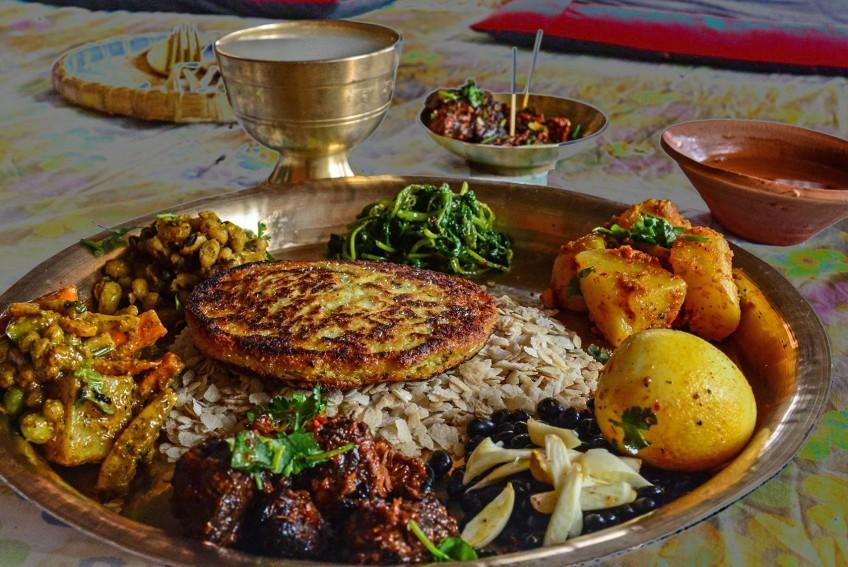
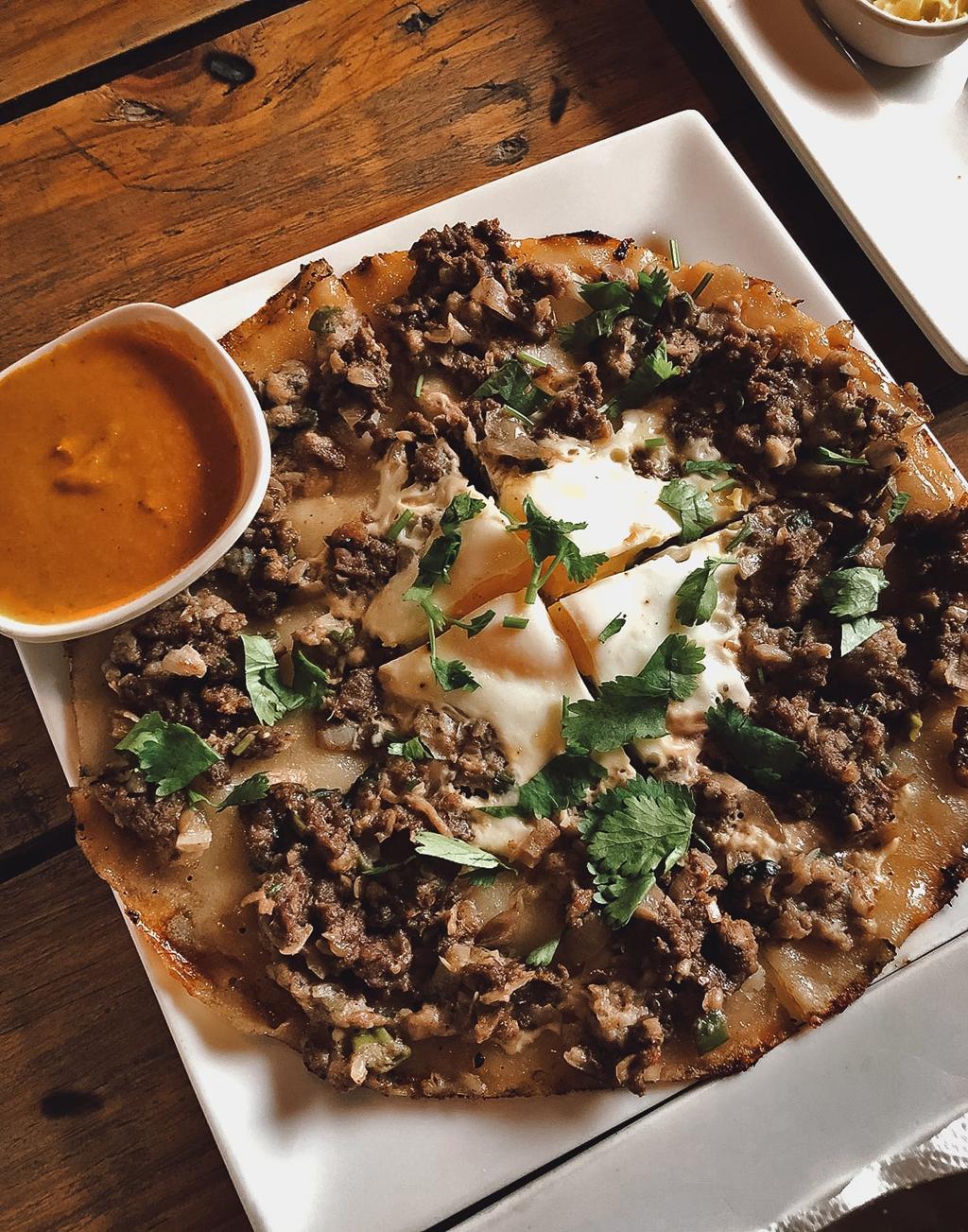
The Newars of the Kathmandu Valley are known for one of the most sophisticated cuisines in Nepal.
Signature Dishes:
- Samay Baji: A ceremonial platter with beaten rice, meat, eggs, and pickles
- Yomari: A steamed dumpling filled with molasses and sesame seeds
- Chatamari: Often called Nepali pizza, made with rice flour
- Bara: Lentil pancakes, sometimes topped with egg or meat
Newari cuisine is deeply tied to festivals and rituals, making it a highlight of gastronomy tours.
Thakali Cuisine
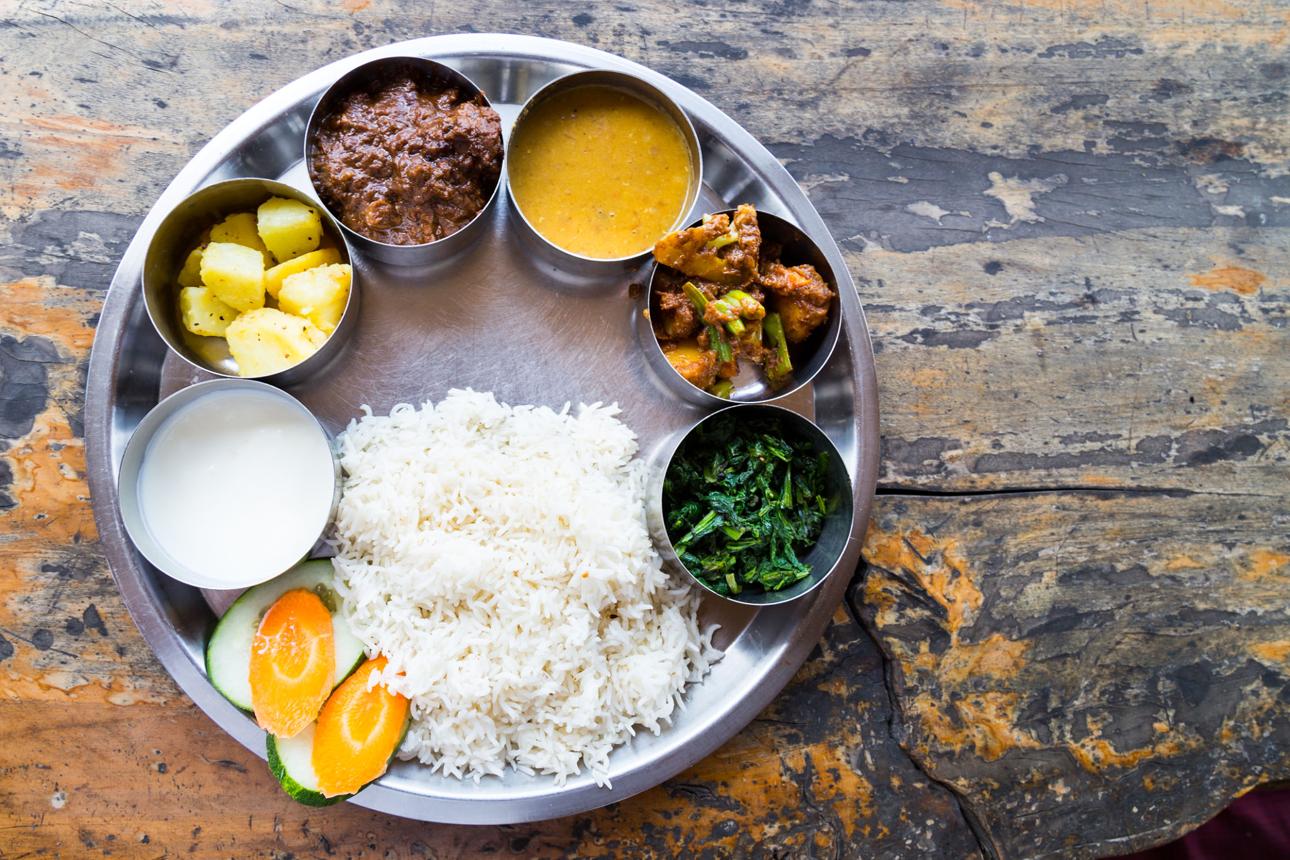
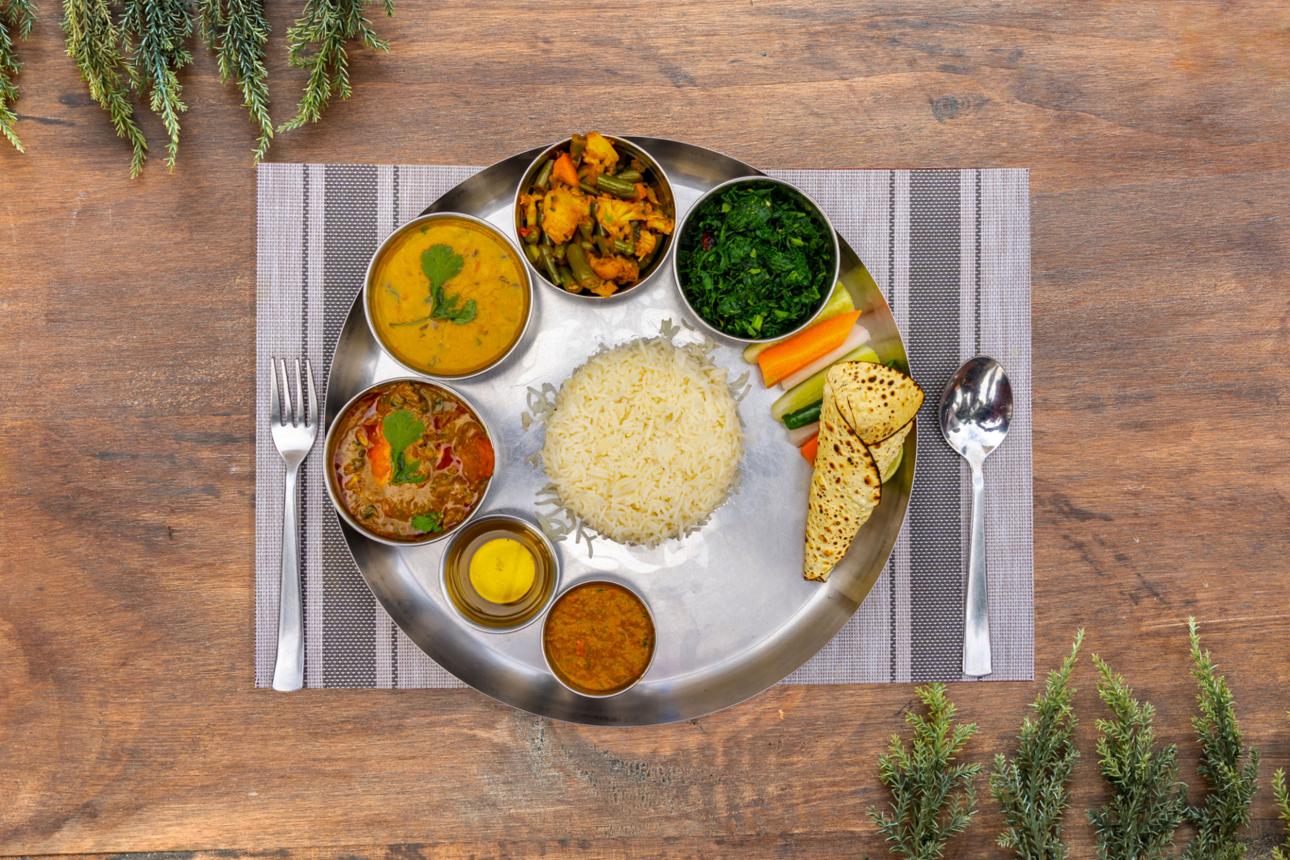
Originating from the Mustang region, Thakali cuisine is known for its balance and flavor.
Signature Features:
- Well-organized thali meals with rice, lentils, vegetables, meat, and pickles
- Use of local herbs and spices
- Clean and refined cooking style
Thakali food is widely regarded as one of the best representations of Nepalese cuisine.
Gurung and Magar Cuisine
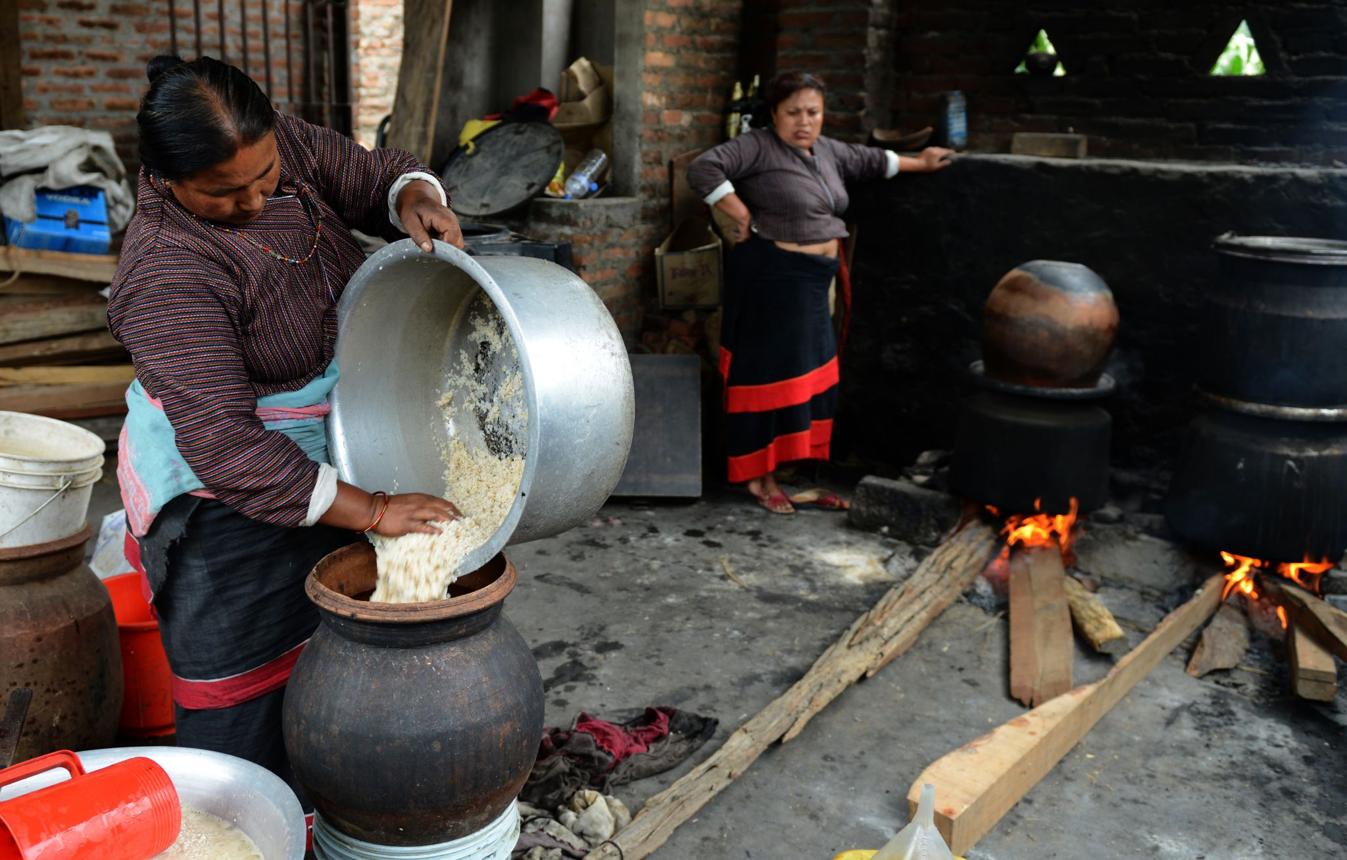
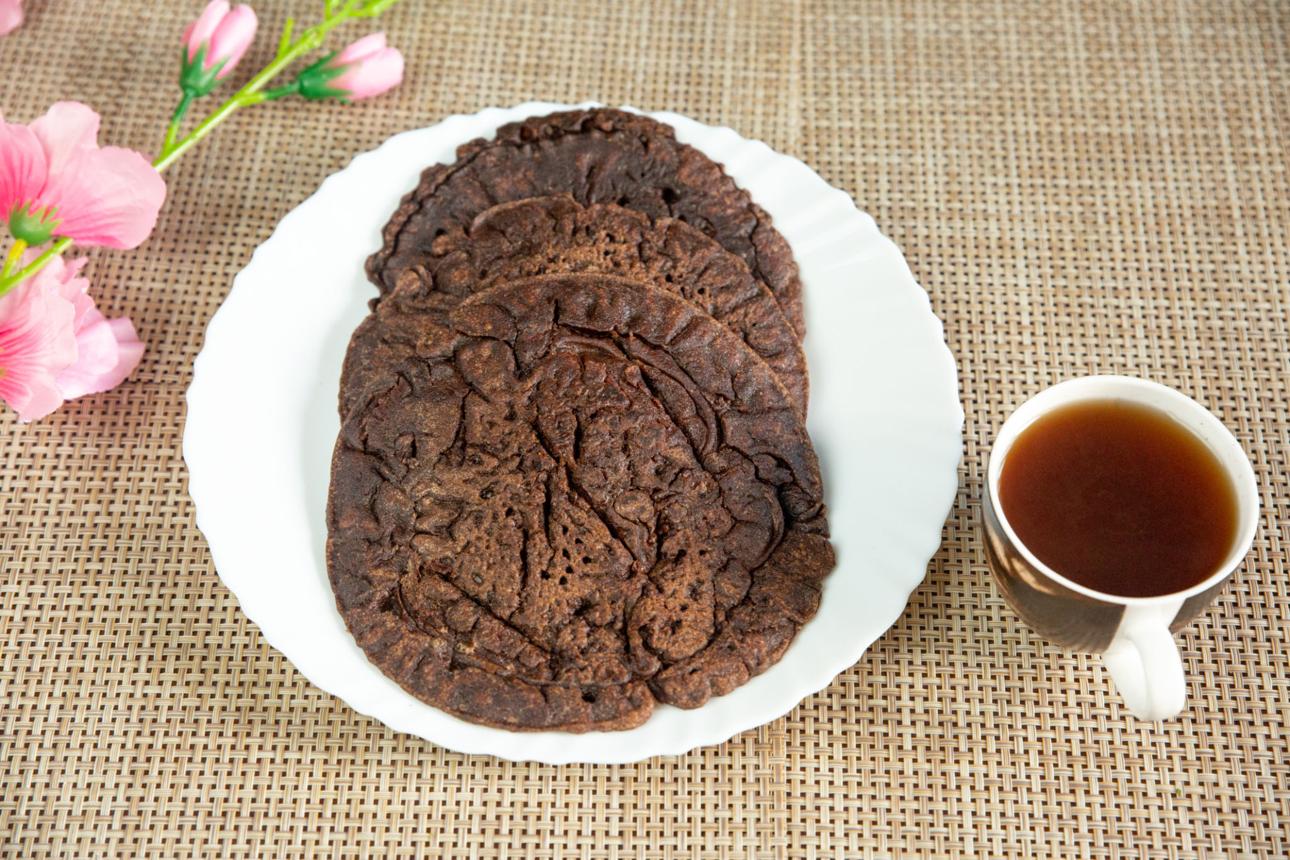
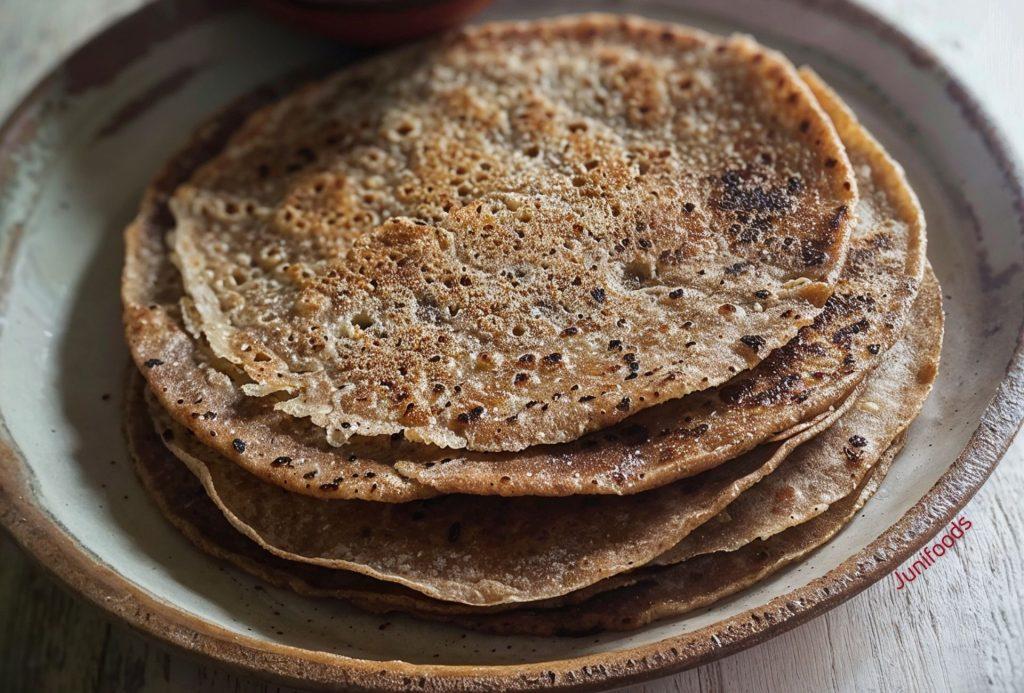
These communities offer simple yet flavorful dishes rooted in rural life.
Key Items:
- Kodo (Millet) Roti
- Local Raksi (traditional alcohol)
- Fresh vegetables and meat dishes
Meals are often shared communally, reflecting strong cultural bonds.
Tharu Cuisine
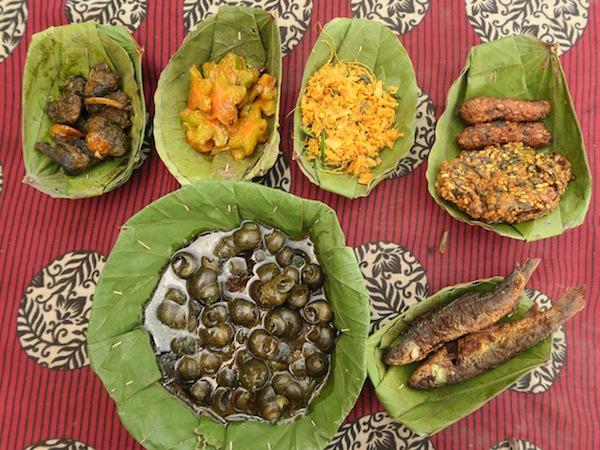
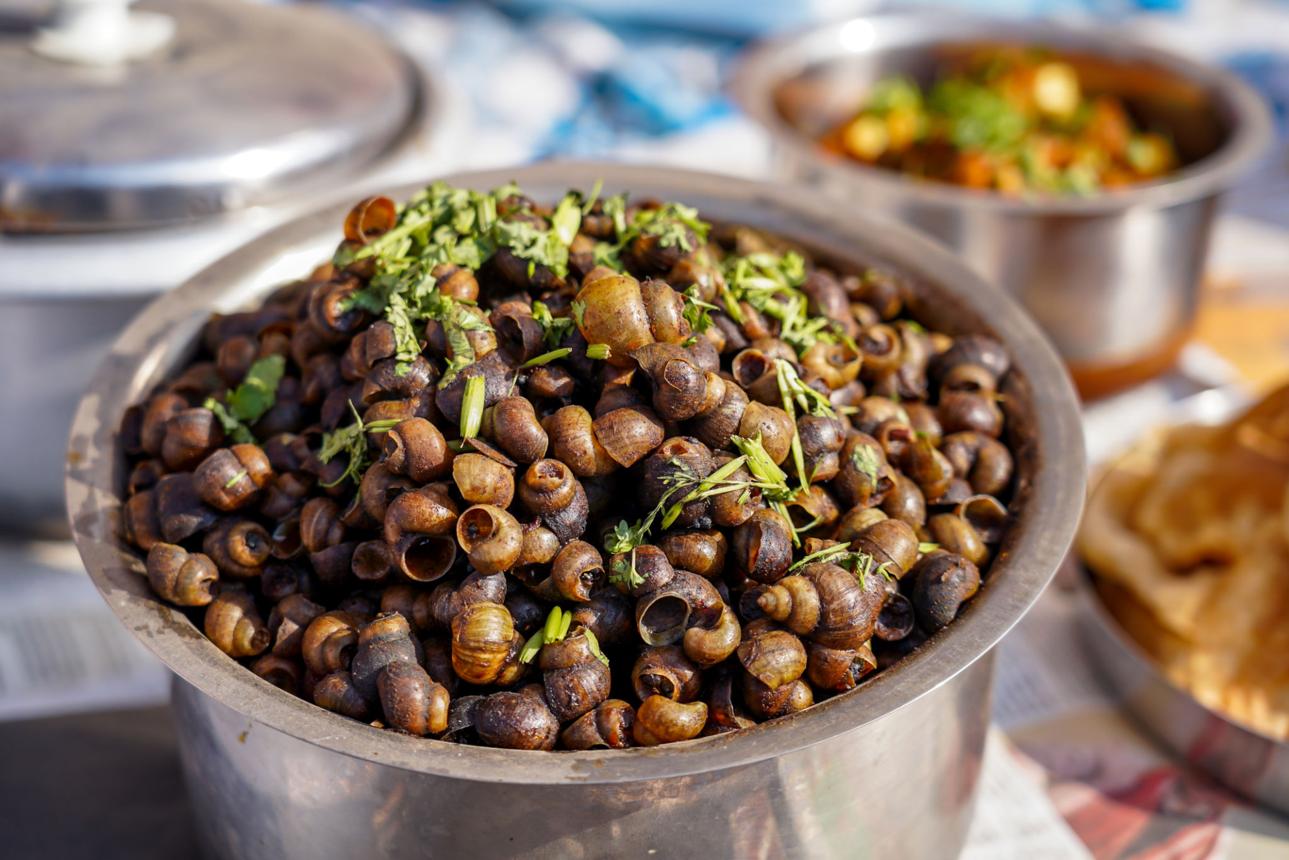
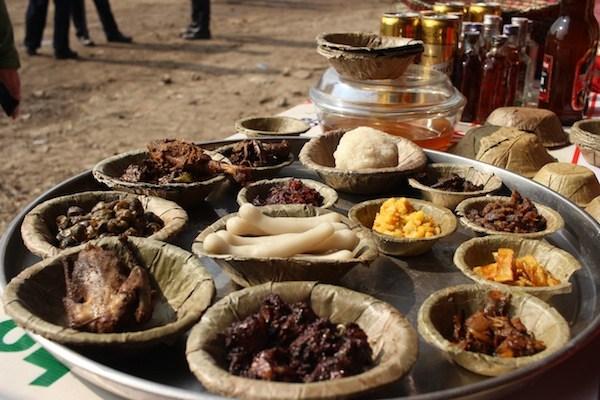
The Tharu people of the Terai have a unique food culture closely connected to nature.
Specialties:
- Ghongi (snails)
- Fish-based dishes
- Wild herbs and traditional preparations
This cuisine offers a rare and authentic culinary experience.
Food and Festivals in Nepal
Food plays a central role in Nepalese festivals. Each celebration has its own traditional dishes prepared with care and cultural significance.
- During Dashain, families prepare meat feasts and special rice dishes
- Tihar includes sweets, fruits, and offerings
- Yomari Punhi is dedicated to the iconic yomari dish
These festivals provide travelers with a unique opportunity to experience food in its most authentic context.
The Role of Local Ingredients
Nepal’s cuisine is deeply connected to its land. Organic farming, seasonal produce, and traditional preservation methods define the food culture.
Common ingredients include:
- Lentils, rice, and millet
- Fresh vegetables and herbs
- Fermented foods like gundruk and sinki
- Spices such as turmeric, cumin, and timur (Sichuan pepper)
This farm-to-table approach enhances both flavor and sustainability.
Gastronomy Tourism Experiences in Nepal
A well-designed gastronomy tour goes beyond restaurants. It immerses travelers in the full culinary journey.
Typical experiences include:
- Cooking classes with local families
- Market visits in Kathmandu and Pokhara
- Village homestay dining experiences
- Street food exploration tours
- Farm visits and organic food experiences
These activities create lasting memories and a deeper appreciation for Nepalese culture.
Khushi Travels and Consulting Group: Experts in Gastronomy Tourism
When it comes to experiencing Nepal through its food and traditions, Khushi Travels and Consulting Group stands out as a trusted and specialized operator.
With deep local expertise and a strong commitment to authenticity, the company designs gastronomy tours that reflect the true essence of Nepal. Their approach is not limited to showcasing food. It focuses on storytelling, cultural immersion, and meaningful connections.
What Makes Khushi Travels Unique:
- Authentic Cultural Access: Direct connections with local communities and traditional households
- Customized Gastronomy Tours: Tailored itineraries based on client preferences
- Experienced Local Guides: Knowledgeable guides who explain the cultural significance of each dish
- Sustainable Tourism Practices: Supporting local farmers, cooks, and artisans
- B2B Expertise: Reliable ground handling partner for international travel agents
Whether it is a Newari feast in Kathmandu, a Thakali dining experience in Pokhara, or a village meal in the hills, Khushi Travels ensures every moment is genuine and memorable.
The Future of Gastronomy Tourism in Nepal
As global travelers increasingly seek authentic and meaningful experiences, gastronomy tourism in Nepal is set to grow further. The country’s diversity, combined with its strong cultural identity, makes it an ideal destination for culinary exploration.
With the right promotion, infrastructure, and sustainable practices, Nepal can position itself as a leading gastronomy destination in Asia.
Conclusion
Gastronomy tourism in Nepal is more than a trend. It is a journey into the heart of a nation’s culture, traditions, and way of life. Every dish tells a story, every ingredient reflects the land, and every meal brings people together.
From the Himalayan highlands to the Terai plains, Nepal offers a rich and diverse culinary experience that goes far beyond expectations. For travelers who want to truly understand the country, exploring its food is one of the most rewarding paths.
With expert operators like Khushi Travels and Consulting Group, this journey becomes seamless, authentic, and deeply enriching. Their dedication to showcasing Nepal’s traditions and gastronomy ensures that every traveler leaves with not just memories, but a true taste of Nepal.
Similar Blogs

We are associated with