Khaptad National Park: Nature's Spiritual Sanctuary in the Heart of Far-Western Nepal

Nestled in the remote hills of Far-Western Nepal, Khaptad National Park is one of the country's most peaceful, spiritual, and naturally beautiful destinations. Known for its vast rolling grasslands, dense forests, colorful wildflowers, sacred temples, and breathtaking Himalayan views, Khaptad offers a completely different experience from Nepal's popular trekking regions.
Spread across the districts of Bajhang, Bajura, Achham, and Doti, Khaptad National Park covers approximately 225 square kilometers and sits at elevations ranging from 1,400 meters to 3,300 meters above sea level. The park is named after the revered spiritual saint Khaptad Baba, who spent decades meditating in the area and transformed it into one of Nepal's most sacred spiritual destinations.
Unlike Everest, Annapurna, Langtang, or even Rara Lake, Khaptad remains largely untouched by mass tourism. Travelers who make the journey to this hidden paradise are rewarded with endless green meadows, tranquil forests, rich biodiversity, sacred sites, and an atmosphere of peace that is becoming increasingly rare in today's world.
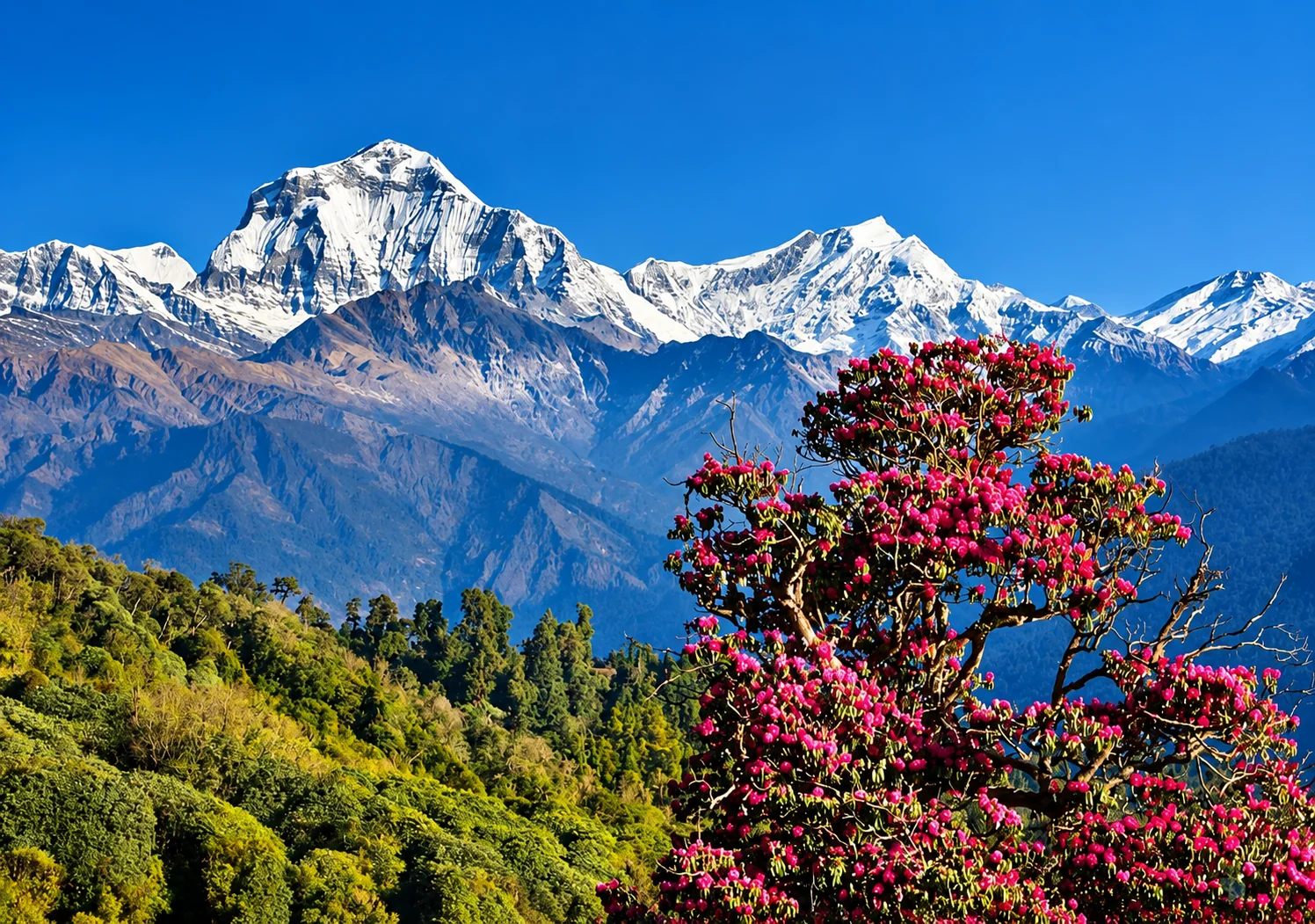
The park is especially famous for its beautiful "Patans" or high-altitude grasslands, where vast stretches of rolling green meadows blend seamlessly with forests of pine, oak, rhododendron, fir, and hemlock. During spring and summer, these grasslands come alive with colorful wildflowers, creating one of the most spectacular natural landscapes in Nepal.
For nature lovers, spiritual seekers, photographers, trekkers, birdwatchers, and adventure travelers, Khaptad National Park offers an unforgettable journey into one of Nepal's most serene and pristine wilderness areas.
The History and Spiritual Legacy of Khaptad National Park
The story of Khaptad National Park is deeply connected to the life and teachings of the revered saint Khaptad Baba.
Born as Sachchidananda Saraswati, Khaptad Baba was a highly educated scholar who later chose a life of meditation and spiritual practice. He eventually settled in the remote forests and meadows of western Nepal, where he spent nearly fifty years seeking enlightenment and promoting harmony between humans and nature.
Over time, his teachings attracted followers from across Nepal and India. His presence transformed the region into an important center of spirituality, meditation, and pilgrimage.
To protect the area's extraordinary natural beauty, biodiversity, and spiritual significance, the Government of Nepal established Khaptad National Park in 1984. The park was officially gazetted in 1986 and remains one of Nepal's most important protected areas.
Today, visitors can explore Khaptad Baba Ashram, meditation sites, sacred temples, and peaceful forests where the saint spent much of his life. Many travelers visit not only for the scenery but also to experience the unique spiritual atmosphere that continues to define Khaptad.
Why is Khaptad National Park Famous?
Khaptad National Park is renowned for its rare combination of natural beauty, biodiversity, and spiritual importance.
The park is famous for:
• Vast rolling grasslands known as Patans
• Khaptad Baba Ashram
• Tribeni Sacred Confluence
• Sahasra Linga
• Rich biodiversity
• Rare medicinal herbs
• Dense rhododendron forests
• Spectacular Himalayan views
• Spiritual retreats and meditation
• Exceptional birdwatching opportunities
• Peaceful trekking routes
• Wildflower-covered meadows
• Far-Western Nepalese culture
• Unspoiled natural environment
Unlike many Himalayan destinations that focus on mountain climbing and challenging treks, Khaptad is celebrated for its peaceful landscapes, cultural heritage, and spiritual atmosphere.
Interesting Facts About Khaptad National Park
Some fascinating facts about Khaptad National Park include:
• Established in 1984
• Officially gazetted in 1986
• Covers approximately 225 square kilometers
• Elevation ranges from 1,400 meters to 3,300 meters
• Named after the revered saint Khaptad Baba
• Home to over 567 species of flora
• Supports more than 270 species of birds
• Contains 22 expansive grasslands known as Patans
• One of Nepal's least-visited national parks
• Rich in medicinal and aromatic plants
• Offers panoramic Himalayan mountain views
• Located across four districts of Far-Western Nepal
• Home to numerous sacred religious sites
• Important destination for Hindu and Buddhist pilgrims
• Famous for meditation, yoga, and spiritual tourism
• One of Nepal's best-kept natural secrets
The Extraordinary Natural Beauty of Khaptad National Park
The first glimpse of Khaptad National Park leaves visitors amazed.
Unlike the rugged alpine terrain of Everest or Annapurna, Khaptad presents a softer and more peaceful landscape. Endless green meadows stretch toward the horizon, dense forests cover rolling hills, and mountain views appear in every direction.
The combination of natural beauty and spiritual energy creates an atmosphere unlike anywhere else in Nepal.
Visitors often describe Khaptad as a place where nature and spirituality exist in perfect harmony.
The Famous Khaptad Patans
The most iconic feature of Khaptad National Park is its vast Patans.
Patans are high-altitude grasslands that spread across the landscape like giant natural carpets. These open meadows are among the most beautiful features of the park and are a major reason why visitors fall in love with Khaptad.
During spring and summer, the grasslands become covered with colorful wildflowers, creating spectacular scenery that resembles the alpine meadows of Europe.
Popular Patans include:
• Ghodadun Patan
• Bichpani Patan
• Tribeni Patan
• Khapar Daha Patan
• Sahasra Linga Patan
Walking through these meadows, surrounded by forests and distant mountains, is one of the most memorable experiences in the park.
Khaptad Baba Ashram
One of the most sacred places within the park is Khaptad Baba Ashram.
This peaceful retreat served as the residence and meditation center of Khaptad Baba for many years. Even today, pilgrims and visitors come to the ashram seeking peace, spiritual reflection, and a deeper connection with nature.
The ashram is surrounded by beautiful forests and open grasslands, creating a perfect environment for meditation and contemplation.
Many travelers consider a visit to the ashram to be the spiritual highlight of their journey.
Tribeni: The Sacred Confluence
Tribeni is among the most important religious sites in Khaptad National Park.
The location is believed to be the meeting point of three sacred rivers and holds immense spiritual significance for Hindu devotees.
Every year, thousands of pilgrims gather here during the Ganga Dashahara Festival to take part in religious ceremonies and rituals.
Beyond its religious importance, Tribeni also offers stunning natural scenery and peaceful surroundings.
Sahasra Linga
Sahasra Linga is another revered pilgrimage site located within the park.
The area contains numerous naturally occurring stone lingas and is regarded as highly sacred among Hindu worshippers.
Many visitors combine their trip to Sahasra Linga with visits to Khaptad Baba Ashram and Tribeni, creating a spiritual journey through some of the park's most important religious locations.
Himalayan Mountain Views
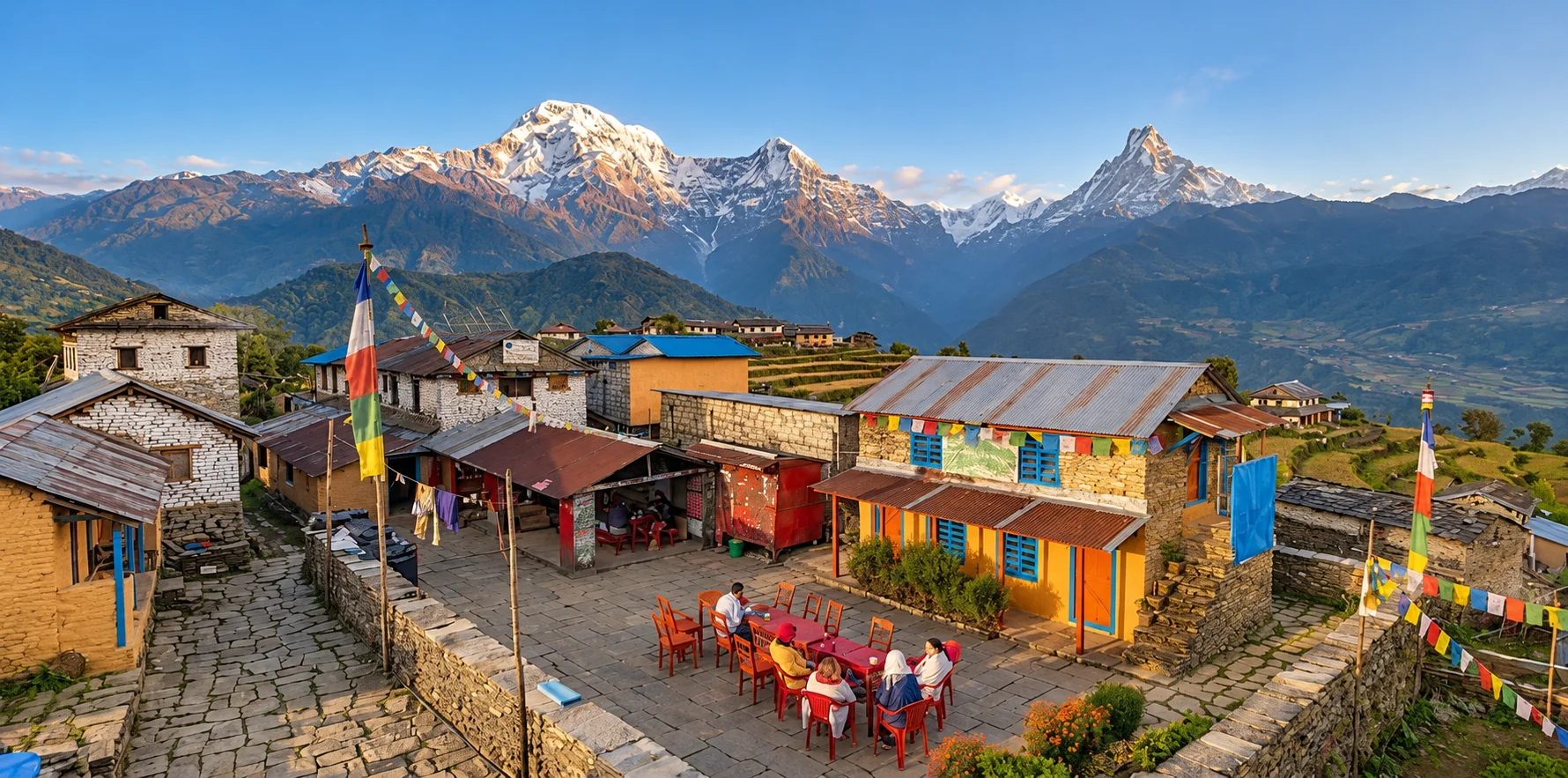
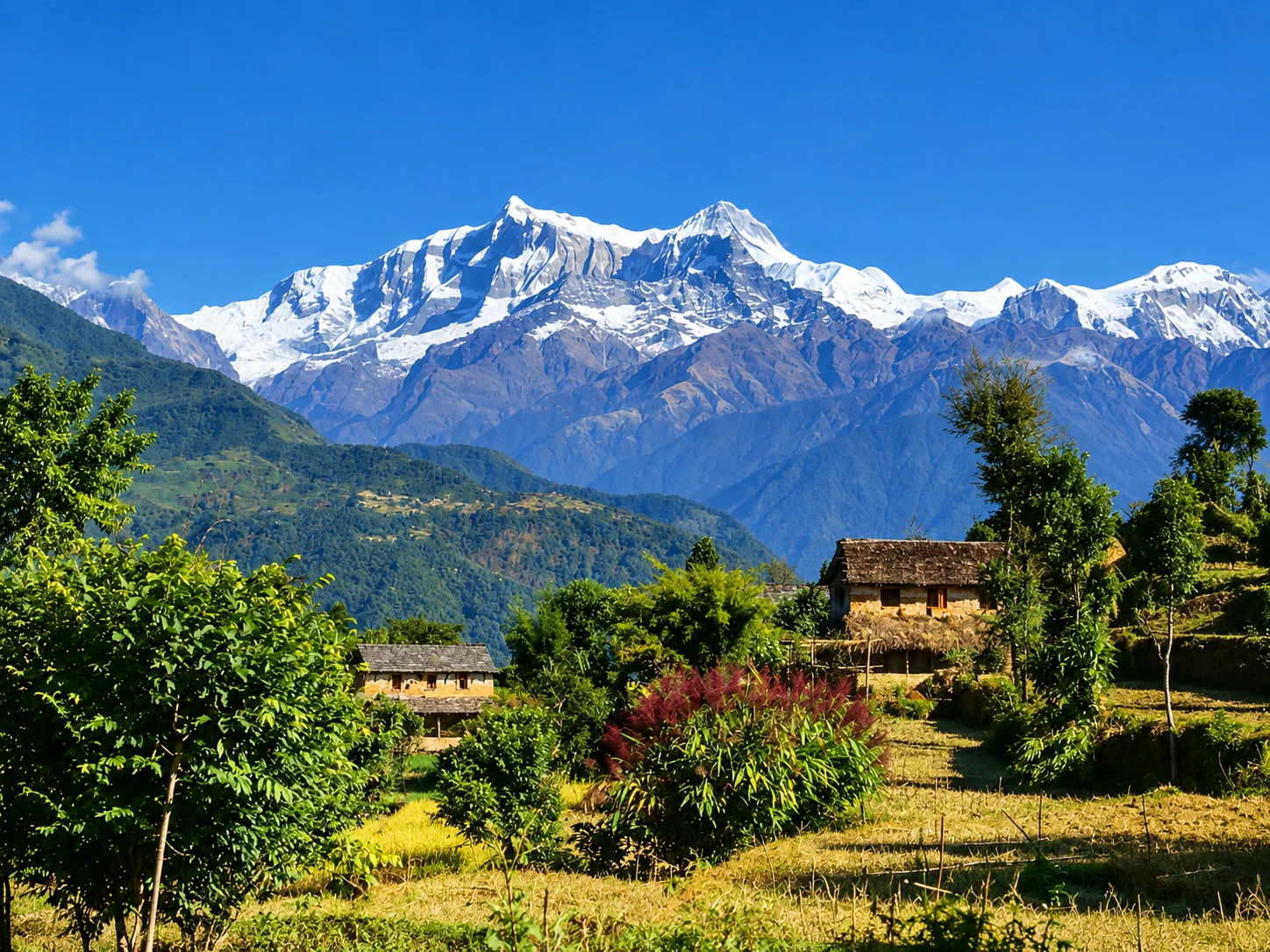
Although Khaptad itself is not dominated by towering peaks, the park offers breathtaking panoramic views of several famous Himalayan ranges.
On clear days, visitors can enjoy views of:
• Api Himal
• Saipal Himal
• Ganesh Himal
• Langtang Range
• Dhaulagiri Range
• Annapurna Range
• Other Western Himalayan peaks
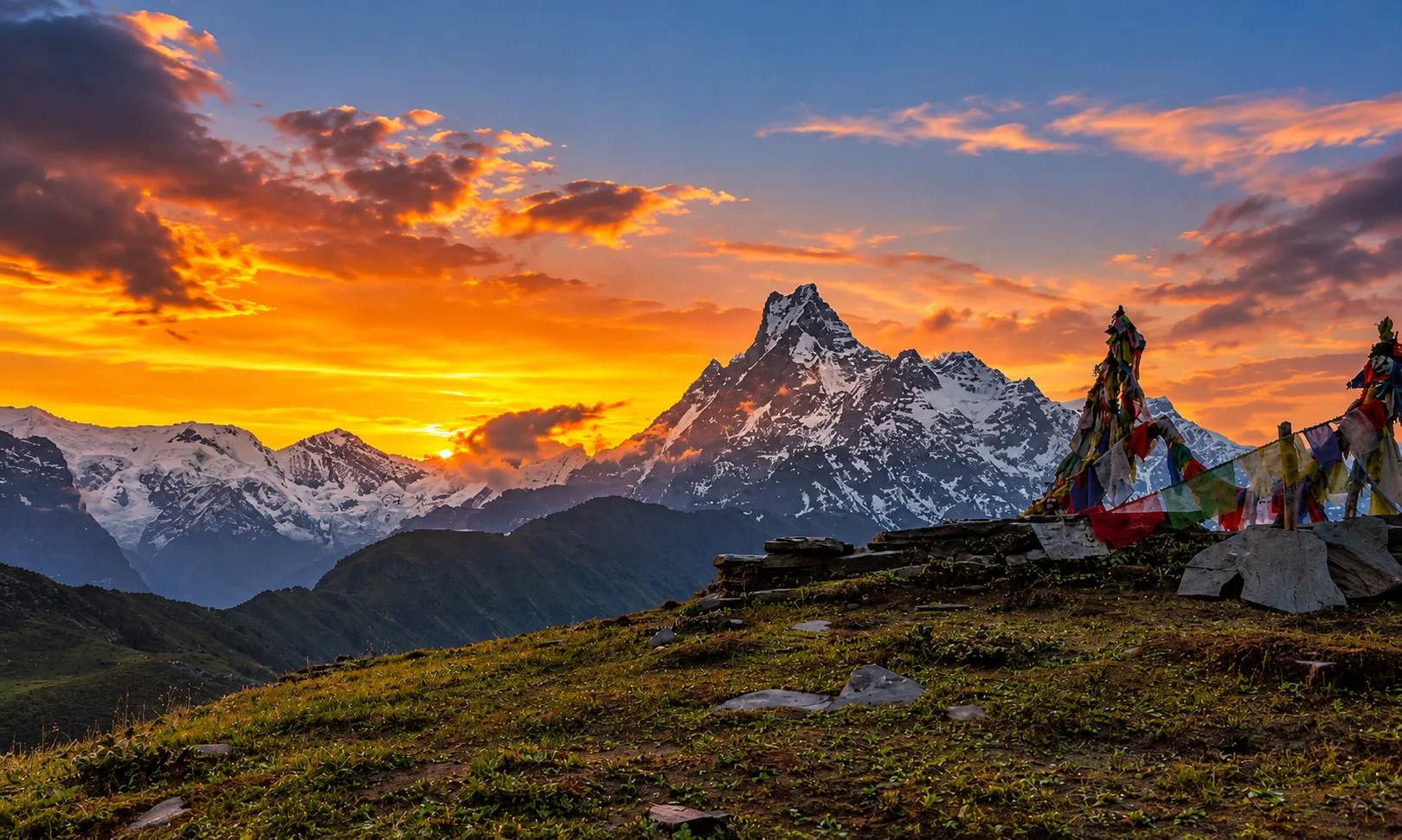
The sunrise and sunset views from Khaptad's meadows are particularly spectacular and provide excellent opportunities for photography.
Forests of Khaptad National Park
Khaptad National Park contains a rich variety of forest ecosystems that contribute greatly to its biodiversity and beauty.
The forests include:
• Pine forests
• Oak forests
• Rhododendron forests
• Fir forests
• Hemlock forests
• Birch forests
These forests provide habitat for numerous species of wildlife and birds while creating a cool and refreshing environment for visitors.
Walking through these ancient woodlands is a peaceful experience that allows travelers to fully appreciate the untouched beauty of Far-Western Nepal.
Wildflowers and Medicinal Herbs
Khaptad is often described as a botanical paradise.
The park supports hundreds of species of flowering plants and medicinal herbs that have been used by local communities for generations.
During spring and early summer, colorful wildflowers bloom across the meadows, transforming the landscape into a vibrant natural garden.
Researchers and botanists consider Khaptad one of Nepal's most important regions for medicinal plant diversity.
Many rare and valuable herbs continue to thrive in the park's protected environment.
The Peaceful Atmosphere of Khaptad
Perhaps the most remarkable aspect of Khaptad National Park is its tranquility.
Unlike Nepal's more famous tourist destinations, Khaptad remains relatively uncrowded. Visitors can spend hours walking through forests and grasslands without encountering large groups of tourists.
The silence, fresh mountain air, untouched landscapes, and spiritual energy create an environment that feels completely removed from the stresses of modern life.
Whether you come for trekking, photography, meditation, wildlife observation, or simply to relax, Khaptad offers an experience that is both refreshing and deeply meaningful.
For travelers seeking peace, natural beauty, and authentic Himalayan culture, Khaptad National Park truly deserves its reputation as Nature's Spiritual Sanctuary.
Wildlife of Khaptad National Park
Khaptad National Park is not only famous for its meadows and spiritual significance but also for its remarkable biodiversity.
The park provides a safe habitat for numerous wildlife species that thrive within its forests, grasslands, and mountain ecosystems. Due to its relatively undisturbed environment, Khaptad serves as an important conservation area for many rare and endangered animals.
Some of the wildlife species found in the park include:
• Leopard
• Himalayan Black Bear
• Wild Boar
• Barking Deer
• Musk Deer
• Goral
• Yellow-Throated Marten
• Langur Monkeys
• Jackal
• Porcupine
• Rhesus Macaque
• Flying Squirrel
The park's diverse habitats support both lowland and high-altitude species, making it one of western Nepal's most important wildlife destinations.
Although wildlife sightings are never guaranteed, patient visitors often encounter deer, monkeys, and various bird species throughout the park.
Birdwatching in Khaptad National Park
Khaptad National Park is a paradise for bird enthusiasts.
More than 270 bird species have been recorded within the park, making it one of Nepal's finest birdwatching destinations.
The combination of forests, grasslands, rivers, and mountain habitats provides ideal conditions for a wide variety of resident and migratory birds.
Bird species commonly found in the park include:
• Himalayan Monal
• Impeyan Pheasant
• Kalij Pheasant
• Nepal Wren Babbler
• Yellow-Billed Blue Magpie
• Eurasian Jay
• Steppe Eagle
• Himalayan Griffon
• Lammergeier
• Cuckoos
• Woodpeckers
• Flycatchers
• Warblers
The early morning hours offer the best opportunities for birdwatching and nature photography.
For avid birdwatchers, Khaptad remains one of Nepal's hidden gems.
Best Viewpoints in Khaptad National Park
Khaptad offers countless scenic locations where visitors can admire the surrounding landscapes.
Some of the most popular viewpoints include:
Khaptad View Tower
The observation tower provides panoramic views of the meadows, forests, and distant Himalayan ranges.
Ghodadun Patan
One of the most picturesque grasslands in the park, offering spectacular sunrise and sunset views.
Tribeni Ridge
A beautiful viewpoint overlooking surrounding valleys and hills.
Khaptad Baba Ashram Area
The open landscapes around the ashram provide stunning views of rolling meadows and forests.
Sahasra Linga Viewpoint
A peaceful location with panoramic mountain scenery.
These viewpoints are especially popular among photographers and nature lovers.
Best Time to Visit Khaptad National Park
Khaptad National Park can be visited throughout the year, but each season offers a unique experience.
Spring (March to May)
Spring is one of the most beautiful seasons to visit Khaptad.
The meadows become covered with colorful wildflowers, forests regain their greenery, and temperatures remain comfortable.
Highlights of Spring:
• Blooming rhododendrons
• Wildflower-covered meadows
• Pleasant temperatures
• Excellent trekking conditions
• Active wildlife
• Clear mountain views
Summer and Monsoon (June to August)
The monsoon season transforms Khaptad into a lush green paradise.
Although rainfall can affect travel plans, the landscapes become incredibly vibrant.
Benefits of Visiting During Monsoon:
• Lush green scenery
• Fewer visitors
• Misty landscapes
• Beautiful waterfalls
• Peaceful atmosphere
Travelers should prepare for occasional rain and muddy trails.
Autumn (September to November)
Autumn is widely considered the best season to visit Khaptad National Park.
The skies become crystal clear, temperatures remain comfortable, and visibility reaches its peak.
Why Visit in Autumn?
• Stable weather
• Clear skies
• Excellent photography
• Comfortable trekking conditions
• Spectacular Himalayan views
• Ideal for sightseeing
Winter (December to February)
Winter brings a completely different charm to Khaptad.
Snow occasionally blankets the meadows and forests, creating magical winter scenery.
Winter Highlights:
• Snow-covered landscapes
• Peaceful environment
• Fewer tourists
• Unique photography opportunities
• Exceptional tranquility
Visitors should prepare for cold temperatures and possible snowfall.
How to Reach Khaptad National Park
Although Khaptad remains one of Nepal's less-visited destinations, several transportation options make it accessible for travelers.
The journey itself is part of the adventure.
Visitors can reach Khaptad through:
• Domestic flights
• Road transportation
• Combination of road travel and trekking
The most common routes begin from Kathmandu.
Kathmandu to Khaptad National Park
The most popular route is:
Kathmandu → Dhangadhi → Silgadhi → Jhigrana → Khaptad National Park
Travel Breakdown:
• Kathmandu to Dhangadhi: Approximately 1 hour by flight
• Dhangadhi to Silgadhi: 8 to 10 hours by road
• Silgadhi to Jhigrana: 3 to 4 hours by vehicle
• Jhigrana to Khaptad Headquarters: 4 to 5 hours trek
This route is currently the most commonly used by visitors.
Alternative Route via Bajhang
Another route includes:
Kathmandu → Dhangadhi → Chainpur → Khaptad
This route provides access through Bajhang District and offers scenic mountain landscapes along the journey.
Road Travel to Khaptad
Adventure travelers often prefer road travel to experience rural western Nepal.
Popular road route:
Kathmandu → Butwal → Kohalpur → Attariya → Doti → Silgadhi → Khaptad
Advantages include:
• Scenic mountain highways
• Cultural experiences
• Village exploration
• Flexible travel schedules
Road journeys require more time but offer a deeper understanding of Nepal's diverse landscapes.
Khaptad National Park from India
Khaptad is gradually becoming a popular destination among Indian travelers seeking unique and less-crowded Himalayan experiences.
Its combination of spirituality, nature, and adventure appeals to travelers from across India.
The most convenient route is:
India → Kathmandu → Dhangadhi → Khaptad National Park
Travelers from:
• Delhi
• Kolkata
• Mumbai
• Bangalore
• Chennai
• Hyderabad
• Siliguri
• Darjeeling
can easily connect through Kathmandu.
How to Reach Khaptad from Siliguri
Travelers from Siliguri can:
• Travel via Kakarbhitta Border and continue to Kathmandu
or
• Fly from Bagdogra Airport to Kathmandu
Then continue:
Kathmandu → Dhangadhi → Silgadhi → Khaptad
How to Reach Khaptad from NJP
Travelers arriving at New Jalpaiguri Railway Station can:
• Travel to Kakarbhitta Border
or
• Transfer to Bagdogra Airport
and then continue to Kathmandu before proceeding toward Khaptad.
This route is commonly used by visitors from West Bengal and Northeast India.
How to Reach Khaptad from Bagdogra Airport
Bagdogra serves as one of the most convenient gateways for eastern Indian travelers.
Typical Route:
Bagdogra → Kathmandu → Dhangadhi → Khaptad National Park
This route combines air travel with scenic road journeys through western Nepal.
Accommodation Around Khaptad National Park
Although Khaptad remains remote, accommodation facilities continue to improve.
Visitors can choose from:
Community Lodges
Basic but comfortable lodges are available along trekking routes.
Guesthouses
Guesthouses can be found in nearby towns such as Silgadhi and Chainpur.
Homestays
Community-based homestays provide authentic cultural experiences while supporting local families.
Camping
Camping remains one of the most popular ways to experience Khaptad.
The park's open meadows offer spectacular camping opportunities beneath the Himalayan sky.
Many organized tours include camping equipment and support staff.
Suggested 5-Day Khaptad National Park Itinerary
Day 01: Kathmandu to Dhangadhi
• Flight to Dhangadhi
• Explore the city
• Overnight stay
Day 02: Dhangadhi to Silgadhi
• Scenic road journey
• Explore local villages
• Overnight stay
Day 03: Trek to Khaptad
• Drive to Jhigrana
• Trek to Khaptad Headquarters
• Visit Khaptad Baba Ashram
• Overnight stay
Day 04: Explore Khaptad National Park
• Visit Tribeni
• Visit Sahasra Linga
• Explore Patans
• Photography and nature walks
• Overnight stay
Day 05: Return Journey
• Trek back to Jhigrana
• Drive to Dhangadhi
• Return flight to Kathmandu
Travel Tips for Visiting Khaptad National Park
Before Your Trip:
• Book transportation in advance
• Check weather conditions
• Carry sufficient cash
• Arrange accommodation beforehand
What to Pack:
• Warm clothing
• Waterproof jacket
• Trekking shoes
• Sunglasses
• Sunscreen
• Hat and gloves
• Camera
• Power bank
• Personal medications
• Reusable water bottle
During Your Visit:
• Respect local customs
• Follow park regulations
• Avoid littering
• Stay on designated trails
• Support local communities
• Respect wildlife habitats
• Carry out all waste
• Travel responsibly
Why Khaptad National Park Should Be on Every Traveler's Bucket List
Khaptad National Park offers something that many destinations have lost: genuine peace.
Visitors are rewarded with:
• Endless green meadows
• Ancient forests
• Spiritual heritage
• Sacred pilgrimage sites
• Spectacular Himalayan views
• Rich biodiversity
• Exceptional birdwatching
• Unique cultural experiences
• Incredible photography opportunities
• Peaceful trekking routes
• Authentic Far-Western Nepalese hospitality
Whether you are a nature lover, spiritual seeker, photographer, trekker, or simply someone looking to escape the crowds, Khaptad National Park provides one of Nepal's most rewarding and unforgettable travel experiences.
Its untouched beauty, spiritual significance, and remarkable landscapes make it a destination that deserves a place on every traveler's bucket list.
Frequently Asked Questions About Khaptad National Park
1. Where is Khaptad National Park located?
Khaptad National Park is located in Far-Western Nepal and spreads across the districts of Doti, Achham, Bajhang, and Bajura.
2. Why is Khaptad National Park famous?
Khaptad is famous for its rolling grasslands, spiritual significance, Khaptad Baba Ashram, rich biodiversity, wildflowers, and breathtaking Himalayan views.
3. Who was Khaptad Baba?
Khaptad Baba was a revered spiritual saint who spent nearly fifty years meditating and living in the forests and meadows of Khaptad.
4. When was Khaptad National Park established?
The park was established in 1984 and officially gazetted in 1986.
5. How large is Khaptad National Park?
The park covers approximately 225 square kilometers.
6. What is the altitude of Khaptad National Park?
The park ranges from approximately 1,400 meters to 3,300 meters above sea level.
7. What are Patans in Khaptad?
Patans are vast rolling grasslands that form one of the most distinctive and beautiful features of the park.
8. Is Khaptad National Park suitable for beginners?
Yes. Khaptad is suitable for beginners and families with moderate fitness levels.
9. What is the best time to visit Khaptad?
Spring (March to May) and Autumn (September to November) are considered the best seasons.
10. Can I visit Khaptad during winter?
Yes. Winter offers peaceful surroundings and occasional snowfall, though temperatures can be cold.
11. Is Khaptad crowded?
No. Khaptad remains one of Nepal's least crowded national parks.
12. Is Khaptad good for photography?
Absolutely. The meadows, forests, mountains, and wildflowers provide excellent photography opportunities.
13. What wildlife can be found in Khaptad?
Leopards, Himalayan Black Bears, Musk Deer, Barking Deer, Wild Boars, Langurs, and many other species inhabit the park.
14. Is birdwatching good in Khaptad?
Yes. More than 270 bird species have been recorded in the park.
15. What is the famous monastery in Khaptad?
Khaptad is more famous for Khaptad Baba Ashram than monasteries.
16. What is Tribeni?
Tribeni is a sacred confluence where three holy rivers are believed to meet.
17. What is Sahasra Linga?
Sahasra Linga is a sacred pilgrimage site containing numerous naturally occurring stone lingas.
18. Can I camp in Khaptad?
Yes. Camping is one of the most popular ways to experience the park.
19. Are hotels available inside the park?
Basic lodges and guesthouses are available, but facilities remain simple and nature-focused.
20. Is electricity available?
Limited electricity and solar power are available in some areas.
21. Is internet available in Khaptad?
Mobile and internet connectivity may be available in certain locations but can be limited.
22. Are ATMs available inside the park?
No. Travelers should carry sufficient cash before entering the area.
23. Is Khaptad safe for solo travelers?
Yes. Khaptad is generally considered safe for solo travelers.
24. Is Khaptad suitable for families?
Yes. Families can comfortably visit with proper planning.
25. Is Khaptad suitable for senior citizens?
Yes. The park can be enjoyed by senior travelers who are comfortable with moderate walking.
26. What is the nearest airport to Khaptad?
Dhangadhi Airport is commonly used by visitors traveling to Khaptad.
27. How far is Khaptad from Kathmandu?
The journey involves a flight to Dhangadhi followed by road travel and trekking.
28. How many days are required for a Khaptad trip?
A minimum of 5 to 7 days is recommended.
29. Do I need permits to visit Khaptad?
Yes. Visitors require a Khaptad National Park Entry Permit.
30. Is a guide necessary?
A guide is highly recommended for convenience and local knowledge.
31. What should I pack for Khaptad?
Warm clothing, trekking shoes, rain gear, sunscreen, sunglasses, camera, and personal medications.
32. Can I see snow in Khaptad?
Yes. Snowfall may occur during winter.
33. Are there rhododendron forests in Khaptad?
Yes. Rhododendron forests are among the park's most beautiful attractions.
34. What makes Khaptad different from other national parks?
Its unique combination of spirituality, peaceful meadows, biodiversity, and cultural heritage.
35. Is Khaptad good for meditation?
Yes. Many visitors come specifically for meditation and spiritual retreats.
36. Can I visit Khaptad without trekking?
Some walking is necessary, but the trekking difficulty is generally moderate.
37. Is Khaptad suitable for nature lovers?
Absolutely. It is one of Nepal's finest destinations for nature enthusiasts.
38. Is Khaptad suitable for adventure travelers?
Yes. Trekking, camping, photography, and exploration make it an excellent adventure destination.
39. Are there waterfalls in Khaptad?
Yes. Several seasonal streams and waterfalls can be found throughout the park.
40. What mountain ranges are visible from Khaptad?
Api Himal, Saipal Himal, Annapurna, Dhaulagiri, Langtang, and Ganesh Himal can often be seen on clear days.
41. Is Khaptad worth visiting?
Absolutely. It is one of Nepal's most peaceful and underrated destinations.
42. Can Indian citizens visit Khaptad National Park?
Yes. Indian citizens can easily travel to Nepal and visit Khaptad National Park.
43. Do Indian citizens need a visa for Nepal?
No. Indian citizens do not require a visa to enter Nepal.
44. What documents are required for Indian citizens?
A valid Passport or Voter ID Card is generally accepted.
45. How can I reach Khaptad from Delhi?
Delhi → Kathmandu → Dhangadhi → Silgadhi → Khaptad National Park.
46. How can I reach Khaptad from Kolkata?
Kolkata → Kathmandu → Dhangadhi → Khaptad National Park.
47. How can I reach Khaptad from Mumbai?
Mumbai → Kathmandu → Dhangadhi → Khaptad National Park.
48. How can I reach Khaptad from Bangalore?
Bangalore → Kathmandu → Dhangadhi → Khaptad National Park.
49. How can I reach Khaptad from Siliguri?
Travel via Kakarbhitta Border or Bagdogra Airport and continue to Kathmandu.
50. How can I reach Khaptad from NJP?
Travel from New Jalpaiguri Railway Station to Kakarbhitta Border or Bagdogra Airport before continuing to Kathmandu.
51. How can I reach Khaptad from Bagdogra Airport?
Bagdogra → Kathmandu → Dhangadhi → Khaptad National Park.
52. Is Khaptad suitable for Indian families?
Yes. Khaptad is an excellent destination for family holidays and nature trips.
53. Is Khaptad good for honeymoon couples?
Yes. The peaceful landscapes and secluded environment make it ideal for couples.
54. Can I book a customized Khaptad package from India?
Yes. Customized packages can be arranged with transportation, accommodation, guides, and sightseeing.
55. Why should Indian travelers visit Khaptad?
Khaptad offers untouched nature, spiritual experiences, Himalayan views, peaceful trekking, and authentic Nepalese culture away from crowded tourist destinations.
Plan Your Khaptad National Park Journey with Khushi Travels and Consulting Group
At Khushi Travels and Consulting Group, we specialize in creating memorable travel experiences across Nepal. Whether you are planning a family holiday, honeymoon, photography tour, pilgrimage journey, trekking adventure, or customized Nepal tour, our experienced team is ready to assist you.
Our Services Include
• Domestic and International Flight Tickets
• Nepal Tour Packages
• Hotel Reservations
• Transportation Services
• Trekking Arrangements
• Group Tours
• Customized Itineraries
• Visa Assistance
• MICE and Corporate Travel
• Pilgrimage Tours
• Adventure Travel Packages
Contact Us
Email: info@khushiservice.com
Email: booking@khushiservice.com
Phone: +977 014975759
Phone: +977 9768988868
Location: Sorahkhutte, Kathmandu, Nepal
Website: www.khushiservice.com
Book Your Nepal Adventure Today
Discover the rolling meadows, sacred sites, pristine forests, diverse wildlife, and peaceful landscapes of Khaptad National Park. Let Khushi Travels and Consulting Group create a personalized journey that showcases one of Nepal's most beautiful and spiritual destinations.
Similar Blogs
We are associated with