List Of All Conservation Area Of Nepal

Nepal is globally celebrated for its towering Himalayan peaks, ancient cultural heritage, and remarkable biodiversity. While many travelers are familiar with the country's national parks, Nepal's conservation areas are equally important in protecting fragile ecosystems, endangered wildlife, traditional communities, and breathtaking landscapes. These protected regions preserve a rich variety of habitats that range from subtropical forests and alpine meadows to high Himalayan glaciers, making Nepal one of the world's most biologically diverse countries despite its relatively small size.
Conservation areas in Nepal were established not only to protect wildlife but also to encourage sustainable tourism and improve the livelihoods of local communities. Unlike strictly protected national parks, many conservation areas follow a community-based conservation model where local residents actively participate in protecting natural resources while benefiting from tourism and responsible development. This balanced approach has become a successful example of conservation management recognized around the world.
Whether travelers are seeking legendary trekking routes, rare wildlife encounters, authentic mountain cultures, or untouched natural beauty, Nepal's conservation areas offer experiences that cannot be found anywhere else. From the famous Annapurna region to the remote wilderness of Api Nampa, every conservation area has its own unique landscape, cultural identity, and ecological significance.
This guide explores the complete list of conservation areas in Nepal, their establishment history, biodiversity, cultural importance, and why these protected landscapes deserve a place on every nature lover's travel itinerary.
What Is a Conservation Area?
A conservation area is a protected region established to conserve biodiversity, natural habitats, ecosystems, and cultural heritage while allowing sustainable use of natural resources by local communities. In Nepal, conservation areas are managed through a collaborative approach involving government authorities, conservation organizations, and local communities.
Unlike many protected areas around the world that restrict human settlement, Nepal's conservation areas encourage community participation. Local people continue practicing traditional agriculture, livestock farming, and tourism while contributing to wildlife conservation, habitat restoration, and environmental protection.
This integrated management system has helped Nepal become a global example of balancing nature conservation with sustainable community development.
Why Conservation Areas Are Important in Nepal?
Nepal's conservation areas contribute significantly to environmental protection and sustainable tourism. They safeguard endangered wildlife, preserve forests and watersheds, reduce habitat destruction, support scientific research, and protect important cultural landscapes.
These protected regions also play an essential role in maintaining clean water resources, reducing soil erosion, conserving rare medicinal plants, and supporting climate resilience. Thousands of local families earn their livelihoods through eco-tourism, guiding services, hospitality, handicrafts, agriculture, and conservation-related employment.
For visitors, conservation areas provide opportunities to experience pristine Himalayan scenery, rich biodiversity, traditional mountain villages, Buddhist monasteries, Hindu pilgrimage sites, and authentic local lifestyles within carefully protected natural environments.
Complete List of Conservation Areas of Nepal
Nepal currently has six officially designated conservation areas.
| Conservation Area | Established | Province | Approximate Area |
|---|---|---|---|
| Annapurna Conservation Area | 1986 | Gandaki Province | 7,629 sq. km |
| Kanchenjunga Conservation Area | 1997 | Koshi Province | 2,035 sq. km |
| Manaslu Conservation Area | 1998 | Gandaki Province | 1,663 sq. km |
| Gaurishankar Conservation Area | 2010 | Bagmati Province | 2,179 sq. km |
| Api Nampa Conservation Area | 2010 | Sudurpashchim Province | 1,903 sq. km |
| Krishnasaar (Blackbuck) Conservation Area | 2009 | Lumbini Province | 16.95 sq. km |
Together, these conservation areas protect thousands of square kilometers of forests, alpine grasslands, glaciers, rivers, wetlands, and wildlife habitats across Nepal.
Annapurna Conservation Area
Overview
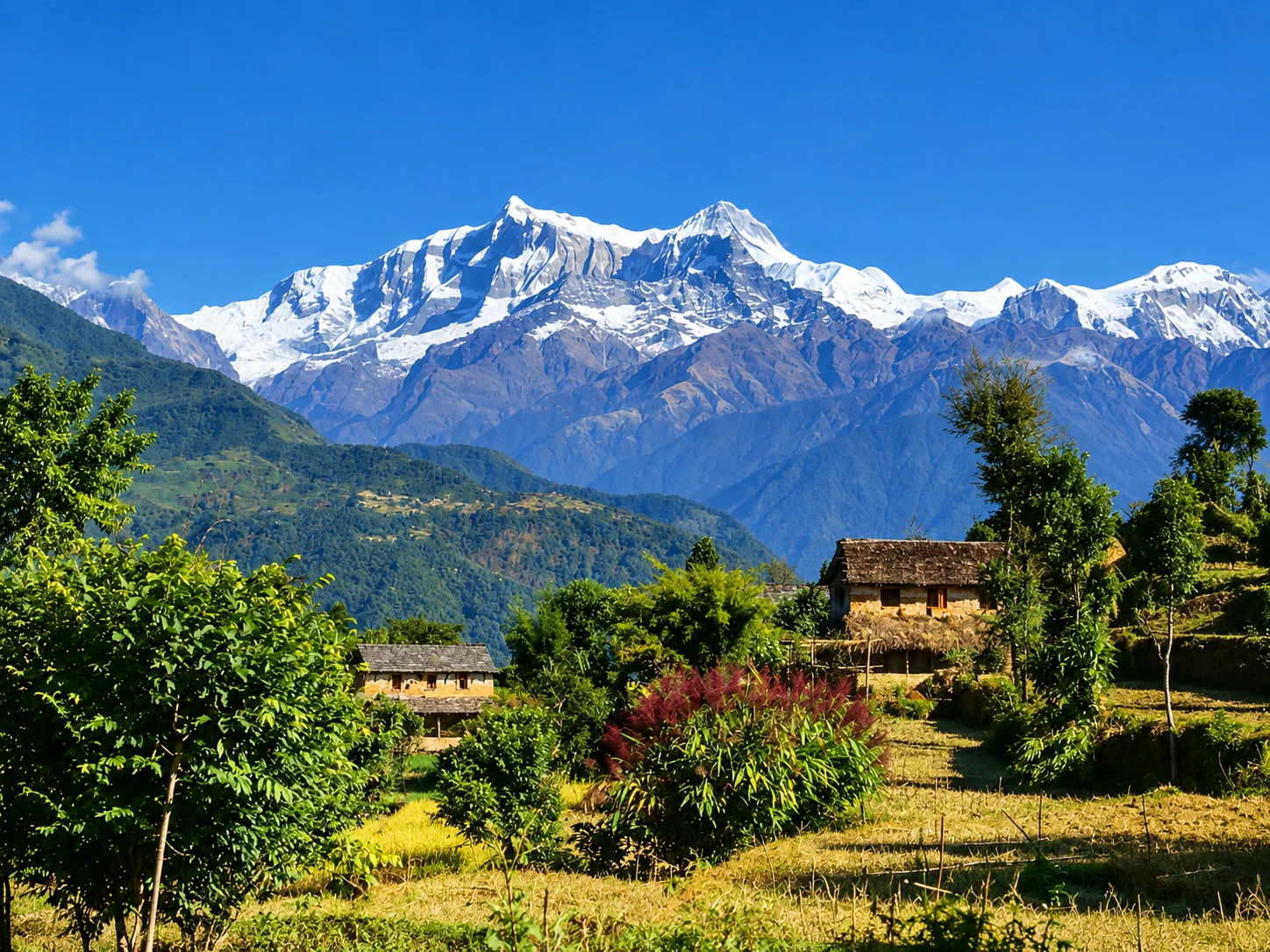
Established in 1986, Annapurna Conservation Area is Nepal's first and largest conservation area. Covering approximately 7,629 square kilometers, it stretches across diverse landscapes that include subtropical forests, deep river valleys, alpine meadows, high mountain deserts, and snow-covered Himalayan peaks.
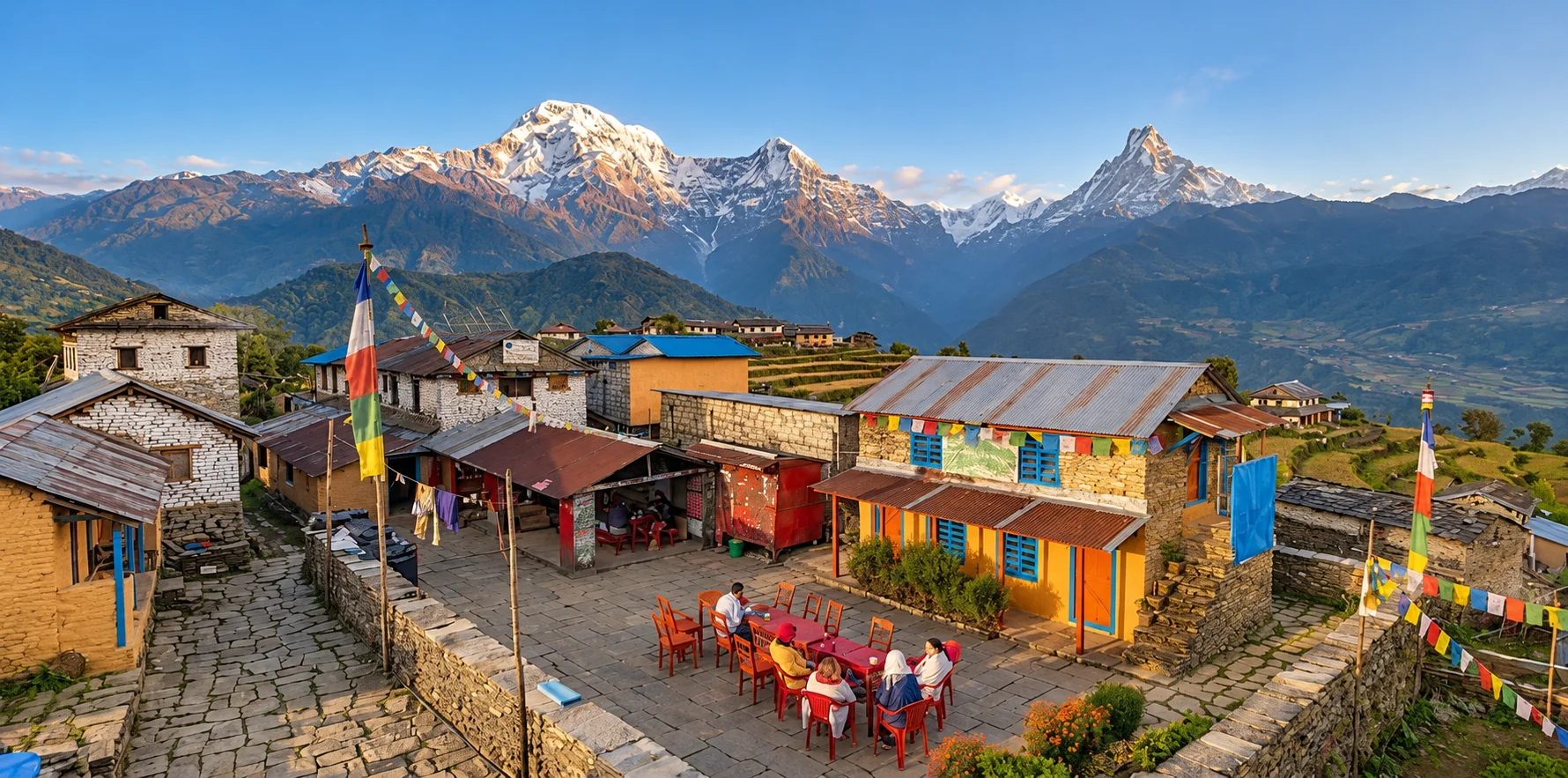
The conservation area surrounds some of Nepal's most iconic mountains, including Annapurna I, Machhapuchhre (Fishtail), Annapurna South, Hiunchuli, Gangapurna, Tilicho Peak, and several other Himalayan giants. Elevations range from less than 800 meters to more than 8,000 meters, creating one of the world's greatest variations in climate and biodiversity within a single protected region.
Major Wildlife
Annapurna Conservation Area is home to an extraordinary variety of wildlife, including:
- Snow Leopard
- Himalayan Tahr
- Musk Deer
- Blue Sheep
- Leopard
- Himalayan Black Bear
- Red Panda
- Langur Monkey
- Wild Boar
- Himalayan Monal (Nepal's national bird)
More than 100 species of mammals, over 500 bird species, numerous reptiles, butterflies, and amphibians have been recorded throughout the conservation area.
Unique Features
Annapurna Conservation Area is internationally recognized for combining spectacular mountain scenery with thriving local communities. It contains world-famous trekking routes including the Annapurna Circuit Trek, Annapurna Base Camp Trek, Ghorepani Poon Hill Trek, Mardi Himal Trek, and Tilicho Lake Trek.
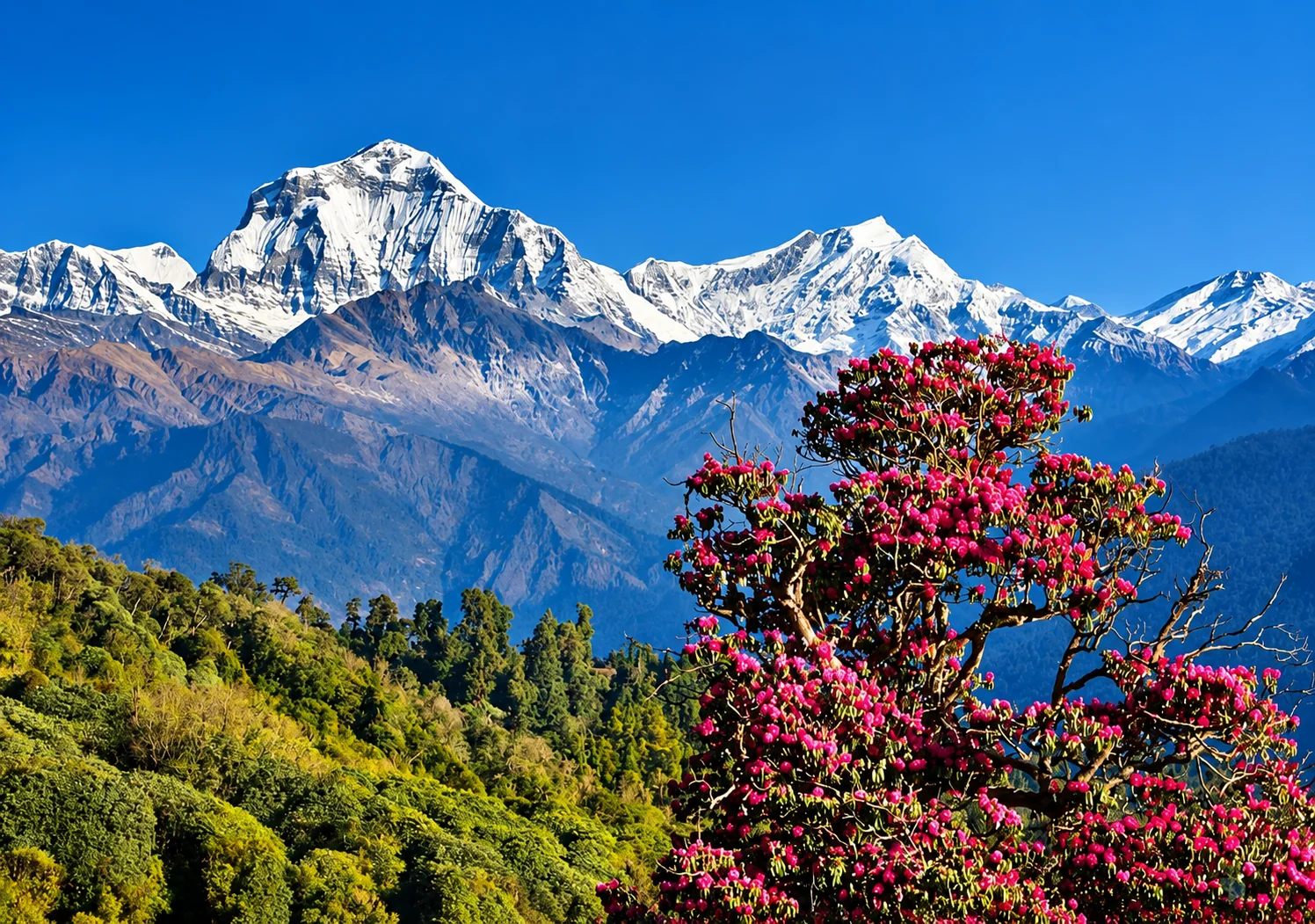
Visitors experience dramatic changes in landscapes, from lush rhododendron forests and terraced farmlands to barren high-altitude valleys resembling the Tibetan Plateau.
The conservation area is also renowned for sustainable tourism practices, environmentally friendly lodges, community-managed forests, and successful conservation education programs.
Cultural Significance
Several ethnic communities have lived within the Annapurna region for centuries. Gurung, Magar, Thakali, Manangi, and Tibetan-influenced communities continue preserving their traditional lifestyles, architecture, festivals, languages, and religious practices.
Ancient monasteries, prayer flags, chortens, temples, and traditional stone villages enrich every trekking experience while offering valuable insights into Himalayan culture.
Kanchenjunga Conservation Area
Overview
Established in 1997, Kanchenjunga Conservation Area protects the eastern Himalayan wilderness surrounding Mount Kanchenjunga, the world's third-highest mountain at 8,586 meters.
Covering approximately 2,035 square kilometers, this remote conservation area remains one of Nepal's least-visited protected regions, making it ideal for travelers seeking untouched landscapes and authentic wilderness experiences.
Its rugged terrain consists of glaciers, alpine valleys, dense forests, mountain rivers, and high-altitude ecosystems extending to the Nepal-India border.
Major Wildlife
Kanchenjunga Conservation Area provides habitat for numerous endangered species, including:
- Snow Leopard
- Red Panda
- Himalayan Black Bear
- Musk Deer
- Blue Sheep
- Himalayan Wolf
- Clouded Leopard
- Himalayan Tahr
The forests also support hundreds of bird species, colorful pheasants, and many rare medicinal plants.
Unique Features
Kanchenjunga Conservation Area protects one of the world's richest mountain ecosystems. Massive glaciers, pristine alpine lakes, untouched forests, and spectacular viewpoints make it a paradise for experienced trekkers and nature photographers.
Because tourism remains relatively limited, visitors often experience peaceful trails with minimal crowds compared to Nepal's more popular trekking destinations.
Cultural Significance
The conservation area is home to Limbu, Rai, Sherpa, and Tibetan Buddhist communities. Local traditions remain deeply connected with nature, and many mountains, forests, rivers, and lakes are considered sacred.
Traditional festivals, prayer ceremonies, monasteries, and centuries-old customs continue to shape daily life throughout the region.
Manaslu Conservation Area
Overview
Established in 1998, Manaslu Conservation Area covers approximately 1,663 square kilometers around Mount Manaslu, the world's eighth-highest mountain.
Located in north-central Nepal, the conservation area features dramatic elevation changes ranging from subtropical forests to permanent snowfields above 8,000 meters. The region has gained international recognition for the Manaslu Circuit Trek, one of Nepal's finest alternatives to more crowded trekking routes.
Major Wildlife
The diverse habitats support many fascinating species, including:
- Snow Leopard
- Himalayan Tahr
- Musk Deer
- Blue Sheep
- Himalayan Serow
- Red Panda
- Himalayan Black Bear
- Grey Wolf
Bird enthusiasts can also observe numerous Himalayan pheasants, vultures, eagles, and migratory birds.
Unique Features
Manaslu Conservation Area combines exceptional mountain scenery with remarkable biodiversity and rich Tibetan Buddhist culture. Visitors cross high mountain passes, ancient trade routes, glacial rivers, suspension bridges, and traditional villages that have changed little over generations.
The region remains quieter than many of Nepal's famous trekking destinations, allowing travelers to enjoy a more peaceful and immersive Himalayan adventure.
Cultural Significance
The upper Manaslu region shares strong cultural connections with Tibet. Villages such as Samagaun and Samdo preserve centuries-old Buddhist traditions through monasteries, prayer wheels, mani walls, and annual religious festivals.
These communities continue practicing sustainable mountain agriculture while protecting their natural surroundings through community-based conservation initiatives.
Gaurishankar Conservation Area
Established in 2010, Gaurishankar Conservation Area is one of Nepal's newest protected landscapes. Covering approximately 2,179 square kilometers, it extends across the Dolakha, Ramechhap, and Sindhupalchok districts in Bagmati Province. The conservation area is named after the sacred twin peaks of Mount Gaurishankar, which hold great religious significance for both Hindus and Buddhists.
The landscape is incredibly diverse, ranging from subtropical forests below 1,000 meters to permanent snow and glaciers above 7,000 meters. This remarkable variation in altitude supports a wide range of ecosystems, making the region one of Nepal's most biologically rich conservation areas.
Major Wildlife
Gaurishankar Conservation Area provides habitat for numerous endangered and rare wildlife species, including:
- Snow Leopard
- Red Panda
- Himalayan Black Bear
- Musk Deer
- Himalayan Tahr
- Leopard
- Wild Boar
- Langur Monkey
The conservation area is also home to more than 230 bird species, including Nepal's national bird, the Himalayan Monal, along with various pheasants, vultures, and eagles.
Unique Features
One of the most remarkable aspects of Gaurishankar Conservation Area is its blend of spectacular mountain scenery and spiritual heritage. Visitors can experience pristine forests, high alpine lakes, dramatic waterfalls, glaciers, and traditional Himalayan villages within a relatively short distance from Kathmandu.
The area also protects important watersheds that supply freshwater to thousands of people living downstream. Sacred mountains, hidden valleys, and remote trekking trails offer outstanding opportunities for eco-tourism and adventure travel.
Cultural Significance
The conservation area is inhabited by Sherpa, Tamang, Newar, Jirel, and other indigenous communities. Ancient Buddhist monasteries, Hindu temples, prayer flags, and traditional festivals continue to play an important role in everyday life.
Many local residents consider Mount Gaurishankar to be a sacred mountain representing Lord Shiva and Goddess Parvati, making the area spiritually important as well as environmentally valuable.
Best Time to Visit
The ideal seasons are March to May and September to November, when clear mountain views, pleasant temperatures, and blooming rhododendron forests create excellent conditions for trekking and sightseeing.
Api Nampa Conservation Area
Api Nampa Conservation Area was also established in 2010 and is located in Nepal's far western Sudurpashchim Province. Covering approximately 1,903 square kilometers, it protects the magnificent Api and Nampa mountain ranges along with some of Nepal's most remote Himalayan landscapes.
This conservation area remains relatively unexplored compared to other trekking destinations, making it an excellent choice for travelers seeking authentic wilderness experiences away from busy tourist trails.
Major Wildlife
The forests and alpine regions support a rich diversity of wildlife, including:
- Snow Leopard
- Red Panda
- Himalayan Black Bear
- Himalayan Tahr
- Musk Deer
- Blue Sheep
- Common Leopard
- Himalayan Wolf
Birdwatchers can observe numerous Himalayan birds, while botanists appreciate the area's rich collection of medicinal herbs and alpine flowers.
Unique Features
Api Nampa Conservation Area is known for its untouched beauty, snow-covered mountains, glacial rivers, alpine meadows, and dense forests. Traditional villages remain largely unchanged by modern development, offering visitors a rare glimpse into the daily lives of mountain communities.
The conservation area also contains sacred lakes, high mountain passes, and panoramic viewpoints overlooking western Nepal and neighboring India.
Its low visitor numbers make it one of Nepal's best destinations for peaceful trekking, wildlife observation, photography, and cultural exploration.
Cultural Significance
Several indigenous communities, including the Byansi, Chhetri, Brahmin, Dalit, and other local ethnic groups, have lived in the region for generations.
Traditional agriculture, livestock farming, seasonal festivals, and local customs continue to define everyday life. Many forests, rivers, and mountain peaks are respected as sacred landscapes and remain closely connected with local religious beliefs.
Best Time to Visit
Spring (March to May) and autumn (September to November) provide the best weather conditions for trekking, photography, and wildlife observation.
Krishnasaar (Blackbuck) Conservation Area
Krishnasaar Conservation Area is Nepal's smallest conservation area but holds exceptional ecological importance. Established in 2009, it covers approximately 16.95 square kilometers in Bardiya District of Lumbini Province.
Unlike Nepal's mountain conservation areas, Krishnasaar protects open grasslands that provide habitat for the endangered Blackbuck, one of Asia's most graceful antelope species.
Major Wildlife
The conservation area's primary attraction is the endangered Blackbuck. Other wildlife includes:
- Golden Jackal
- Jungle Cat
- Indian Hare
- Fox
- Monitor Lizard
- Various reptiles
- Numerous grassland birds
The area also supports a variety of butterflies and insects that contribute to maintaining healthy grassland ecosystems.
Unique Features
Krishnasaar Conservation Area is Nepal's only protected grassland dedicated specifically to Blackbuck conservation. The open plains provide excellent wildlife viewing opportunities, particularly during the early morning and late afternoon.
Visitors interested in wildlife photography, birdwatching, and conservation education will find the area particularly rewarding.
Cultural Significance
The surrounding communities maintain close relationships with traditional farming practices that have shaped the region's landscape for centuries.
Local conservation efforts involve nearby residents, schools, and conservation organizations working together to protect Blackbuck populations while promoting environmental awareness.
Best Time to Visit
October to March offers comfortable temperatures and excellent wildlife viewing conditions.
Entry Fees and Permit Information
Most conservation areas require entry permits for both domestic and international visitors. Fees may vary depending on nationality, trekking route, and conservation regulations.
For example:
- Annapurna Conservation Area requires an ACAP permit.
- Manaslu Conservation Area requires both a conservation permit and restricted area permit for certain routes.
- Kanchenjunga Conservation Area requires a conservation permit and a registered trekking guide.
- Gaurishankar and Api Nampa may require conservation permits depending on the travel itinerary.
- Krishnasaar Conservation Area generally has a modest entry fee for visitors.
As permit fees and regulations are occasionally revised by the relevant authorities, travelers should verify the latest requirements before departure.
Why These Conservation Areas Matter?
Nepal's conservation areas are far more than protected forests. They preserve endangered wildlife, safeguard mountain watersheds, protect fragile ecosystems, conserve medicinal plants, and sustain the cultural traditions of indigenous communities.
These landscapes also contribute significantly to Nepal's tourism economy by attracting trekkers, photographers, researchers, birdwatchers, wildlife enthusiasts, and nature lovers from around the world.
Community-based conservation has become one of Nepal's greatest environmental success stories, demonstrating that biodiversity protection and sustainable local development can work together. Revenue generated through responsible tourism supports schools, healthcare, conservation projects, trail maintenance, and local livelihoods, ensuring that both nature and communities continue to thrive.
In recent years, eco-tourism has further strengthened conservation efforts by encouraging visitors to respect wildlife, reduce environmental impact, and contribute to preserving Nepal's extraordinary natural heritage for future generations.
Conservation Challenges and Environmental Issues
Although Nepal has made remarkable progress in protecting its natural heritage, conservation areas continue to face several environmental and human-induced challenges. Climate change remains one of the most significant concerns, particularly in the Himalayan regions where glaciers are melting at an alarming rate. Rising temperatures affect freshwater sources, wildlife habitats, and fragile alpine ecosystems.
Habitat fragmentation caused by road construction, unmanaged infrastructure development, and expanding settlements also threatens biodiversity. In lower elevation areas, illegal logging, forest fires, overgrazing, and the unsustainable collection of medicinal plants place additional pressure on natural ecosystems.
Human and wildlife conflict is another growing concern. As wildlife populations recover, encounters between local communities and animals such as leopards, black bears, and wild boars have become more frequent. Crop damage and livestock losses can create challenges for nearby villages, making community participation essential for successful conservation.
Unregulated tourism, plastic waste, trail erosion, and improper waste disposal also affect popular trekking destinations. Continued conservation education, sustainable tourism policies, and responsible visitor behavior remain vital for protecting these fragile landscapes.
Conservation Efforts in Nepal
Nepal has become internationally recognized for its community-based conservation model. Government agencies, local communities, conservation organizations, and tourism stakeholders work together to protect wildlife while supporting sustainable livelihoods.
Several initiatives have contributed to the success of Nepal's conservation programs, including:
- Community-managed forests and buffer zone management.
- Wildlife monitoring and anti-poaching patrols.
- Habitat restoration projects.
- Environmental education for local communities.
- Promotion of eco-tourism and responsible trekking.
- Scientific research on endangered wildlife.
- Sustainable trail and infrastructure development.
- Community participation in tourism management.
These collaborative efforts have helped increase populations of several endangered species while improving local incomes through tourism and conservation employment.
Safety Tips for Visiting Nepal's Conservation Areas
Whether visiting for trekking, wildlife observation, or cultural exploration, proper preparation ensures a safe and enjoyable experience.
Some important safety recommendations include:
- Travel with experienced guides, especially in remote conservation areas.
- Obtain all required permits before beginning the journey.
- Respect park rules and wildlife regulations.
- Avoid feeding or approaching wild animals.
- Stay on designated trails.
- Carry sufficient drinking water and purification methods.
- Pack warm clothing, even during warmer seasons, as mountain weather changes rapidly.
- Purchase comprehensive travel insurance for trekking and adventure activities.
- Inform family members or travel operators about planned itineraries.
- Respect local customs, religious sites, and community traditions.
Responsible travel helps preserve these protected areas for future generations.
Suggested 7-Day Outline Itinerary
Travelers wishing to experience Nepal's conservation heritage can combine nature, wildlife, and culture into one memorable journey.
Day 1: Arrival in Kathmandu
Arrive at Tribhuvan International Airport, transfer to the hotel, and attend a travel briefing. Explore UNESCO World Heritage Sites in Kathmandu during the evening.
Day 2: Drive to Pokhara
Travel through scenic river valleys to Pokhara. Enjoy views of the Annapurna range and prepare for visits to the Annapurna Conservation Area.
Day 3: Explore Annapurna Conservation Area
Visit traditional Gurung villages, forests, viewpoints, and experience the biodiversity that has made Annapurna one of Nepal's most famous conservation landscapes.
Day 4: Cultural Exploration and Nature Activities
Enjoy short hikes, birdwatching, community interactions, and visits to conservation education centers before returning to Pokhara.
Day 5: Return to Kathmandu
Drive or fly back to Kathmandu. Visit museums or conservation-related attractions that showcase Nepal's biodiversity.
Day 6: Excursion to Gaurishankar Region or Nearby Nature Destinations
Take a scenic excursion toward the foothills of Gaurishankar Conservation Area or enjoy nature walks and cultural experiences around the Kathmandu Valley.
Day 7: Departure
Complete final shopping, enjoy a farewell breakfast, and transfer to the airport for departure with unforgettable memories of Nepal's protected natural heritage.
Longer itineraries can include Manaslu, Kanchenjunga, Api Nampa, and Krishnasaar Conservation Area depending on travel duration, fitness level, and personal interests.
Travel Planning Tips
Before visiting Nepal's conservation areas, travelers should carefully plan their journey.
The most favorable travel seasons are spring (March to May) and autumn (September to November), when weather conditions are generally stable and mountain views are at their best. Winter offers clear skies in many regions but can bring heavy snowfall at higher elevations, while the monsoon season transforms forests into lush green landscapes but may cause slippery trails and limited visibility.
Packing should include sturdy hiking shoes, layered clothing, rain protection, sunglasses, sunscreen, reusable water bottles, binoculars for wildlife observation, cameras, and personal medications. Trekking in higher elevations also requires proper acclimatization and adequate physical preparation.
Hiring licensed guides and using reliable transportation significantly improves safety and enhances the overall travel experience.
( FAQs )
1. How many conservation areas are there in Nepal?
Nepal has six officially designated conservation areas that protect diverse ecosystems, endangered wildlife, forests, mountains, and cultural heritage while promoting sustainable tourism and community participation.
2. Which is the largest conservation area in Nepal?
Annapurna Conservation Area is the largest conservation area in Nepal, covering approximately 7,629 square kilometers across the Himalayas.
3. Which is the smallest conservation area in Nepal?
Krishnasaar (Blackbuck) Conservation Area is the smallest conservation area in Nepal, covering around 16.95 square kilometers in Bardiya District.
4. What is the main purpose of conservation areas in Nepal?
Conservation areas protect biodiversity, conserve natural habitats, preserve endangered wildlife, support local communities, and promote responsible tourism.
5. Which conservation area is best for trekking?
Annapurna Conservation Area and Manaslu Conservation Area are among the best destinations for trekking, offering scenic mountain trails and diverse landscapes.
6. Which conservation area is best for wildlife enthusiasts?
Annapurna, Kanchenjunga, Api Nampa, and Gaurishankar Conservation Areas provide excellent opportunities to observe rare wildlife, including Snow Leopards, Red Pandas, and Himalayan Tahr.
7. Which conservation area is suitable for birdwatching?
Annapurna Conservation Area and Gaurishankar Conservation Area are popular birdwatching destinations with hundreds of recorded bird species.
8. Which conservation area is closest to Kathmandu?
Gaurishankar Conservation Area is one of the nearest conservation areas to Kathmandu and is suitable for nature lovers seeking a Himalayan escape.
9. What is the best time to visit Nepal's conservation areas?
Spring (March to May) and autumn (September to November) offer the best weather, clear mountain views, pleasant temperatures, and ideal trekking conditions.
10. Are entry permits required for conservation areas in Nepal?
Most conservation areas require entry permits. Permit requirements depend on the destination and planned activities.
11. Which conservation area is best for experienced trekkers?
Kanchenjunga Conservation Area and Manaslu Conservation Area are excellent choices for experienced trekkers seeking remote Himalayan adventures.
12. Which conservation area is best for beginners?
Annapurna Conservation Area offers several beginner-friendly trekking routes with comfortable accommodations and well-developed trails.
13. Which rare animals can be seen in Nepal's conservation areas?
Visitors may encounter Snow Leopards, Red Pandas, Himalayan Tahr, Musk Deer, Blue Sheep, Himalayan Black Bears, and the endangered Blackbuck.
14. Why are conservation areas important for Nepal?
Conservation areas help protect ecosystems, preserve biodiversity, support local livelihoods, reduce environmental degradation, and encourage sustainable tourism.
15. Which conservation area offers the most diverse landscapes?
Annapurna Conservation Area features subtropical forests, alpine meadows, glaciers, high mountain deserts, rivers, and some of the world's highest peaks.
16. Can families visit conservation areas in Nepal?
Yes. Several conservation areas, particularly Annapurna Conservation Area, offer family-friendly trekking routes, nature walks, and cultural experiences.
17. Which conservation area is best for nature photography?
Kanchenjunga, Annapurna, Api Nampa, and Gaurishankar Conservation Areas provide spectacular opportunities for landscape and wildlife photography.
18. Which conservation area protects the endangered Blackbuck?
Krishnasaar (Blackbuck) Conservation Area was established specifically to conserve Nepal's endangered Blackbuck population.
19. What should visitors pack for a conservation area tour?
Essential items include sturdy walking shoes, layered clothing, rain gear, sunscreen, sunglasses, reusable water bottles, personal medications, binoculars, and a camera.
20. What conservation challenges do Nepal's protected areas face?
Major challenges include climate change, habitat loss, illegal wildlife activities, forest fires, invasive species, unmanaged tourism, and human-wildlife conflict.
21. Can Khushi Travels arrange tours to Nepal's conservation areas?
Yes. Khushi Travels & Consulting Group Pvt. Ltd. offers customized conservation area tours, trekking holidays, wildlife experiences, transportation, permits, accommodation, and professional guide services throughout Nepal.
22. Which conservation area is best for off-the-beaten-path travel?
Api Nampa Conservation Area and Kanchenjunga Conservation Area are ideal for travelers seeking remote Himalayan landscapes and authentic cultural experiences.
23. Are conservation areas different from national parks in Nepal?
Yes. Conservation areas emphasize community participation, sustainable resource management, and eco-tourism, while national parks generally follow stricter protection policies.
24. Which conservation area combines nature, culture, and adventure?
Annapurna Conservation Area is one of Nepal's finest destinations for combining trekking, mountain scenery, wildlife, traditional villages, and cultural experiences.
25. Why choose Khushi Travels for a conservation area tour in Nepal?
Khushi Travels & Consulting Group Pvt. Ltd. provides personalized itineraries, experienced local guides, permit assistance, comfortable transportation, quality accommodations, and complete travel support for memorable and responsible conservation area adventures across Nepal.
Explore Nepal's Conservation Areas with Khushi Travels & Consulting Group Pvt. Ltd.
Exploring Nepal's protected landscapes becomes more enjoyable when every aspect of the journey is professionally organized. Khushi Travels & Consulting Group Pvt. Ltd. specializes in customized nature tours, wildlife holidays, trekking adventures, cultural journeys, and eco-tourism experiences across Nepal.
Whether planning a visit to the Annapurna Conservation Area, an adventurous Manaslu Circuit Trek, an off-the-beaten-path expedition to Kanchenjunga, or a wildlife-focused journey to Krishnasaar Conservation Area, the experienced team at Khushi Travels ensures smooth logistics from arrival to departure.
Services include airport transfers, hotel reservations, transportation, licensed guides, trekking permits, conservation permits, customized itineraries, domestic flight arrangements, vehicle rental, group tours, family holidays, photography tours, and complete travel assistance throughout Nepal.
Every itinerary is carefully designed to promote responsible tourism while supporting local communities and encouraging environmental conservation. Travelers can enjoy authentic experiences with the confidence that every detail has been professionally managed.
Contact Khushi Travels and Consulting Group
Ready to plan your dream trekking adventure or holiday in Nepal?
Our experienced travel experts are here to help you design a personalized itinerary that perfectly matches your interests, travel style, schedule, and budget. Whether you're planning your first visit to Nepal or returning to explore new Himalayan trails, we are committed to providing professional guidance and exceptional service every step of the way.
Khushi Travels and Consulting Group Pvt. Ltd.
📧 General Inquiries: info@khushiservice.com
📧 Bookings: booking@khushiservice.com
📞 Phone / WhatsApp: +977 9768988868
☎️ Office: +977 014975759
📍 Office Address: Sorakhutte-16, Thamel, Kathmandu, Nepal
🌐 Website: www.khushiservice.com
Let Khushi Travels and Consulting Group be your trusted local travel partner in Nepal. Contact us today and allow our experienced team to turn your dream journey into an unforgettable adventure filled with breathtaking landscapes, rich culture, warm hospitality, and lifelong memories.
Final Thoughts
Nepal's six conservation areas represent some of the country's greatest natural treasures. Together they protect endangered wildlife, magnificent Himalayan landscapes, ancient forests, alpine meadows, sacred mountains, rivers, glaciers, and the cultural traditions of indigenous communities that have lived in harmony with nature for generations.
Each conservation area offers a different perspective on Nepal's extraordinary biodiversity. Annapurna showcases world-famous trekking routes and vibrant mountain communities, Kanchenjunga preserves remote Himalayan wilderness, Manaslu combines spectacular scenery with living Tibetan culture, Gaurishankar protects sacred peaks and rich forests, Api Nampa rewards adventurous travelers with untouched landscapes, and Krishnasaar demonstrates the importance of conserving Nepal's rare grassland ecosystems.
Visiting these protected landscapes is more than a holiday. It is an opportunity to experience responsible tourism, support local communities, and contribute to preserving Nepal's remarkable natural heritage for future generations.
With thoughtful planning and professional support from Khushi Travels & Consulting Group Pvt. Ltd., travelers can discover the incredible diversity of Nepal's conservation areas while enjoying safe, comfortable, and unforgettable journeys through some of the most beautiful protected landscapes in the Himalayas.
Similar Blogs
We are associated with