

Nepal Travel Guide for Flexible and Responsible Travel after Flash Flood 2026

Nepal Travel Guide for Flexible and Responsible Travel after Flash Flood 2026
Nepal is a country where mountains, ancient cities, spiritual traditions, wildlife, local communities and diverse landscapes come together in one remarkable destination. From the historic streets of Kathmandu Valley to the Himalayan trails, peaceful lakes of Pokhara, wildlife of Chitwan and spiritual atmosphere of Lumbini, Nepal offers many different ways to travel.
However, traveling in Nepal also requires flexibility. Weather can change quickly, road conditions can vary, mountain routes can be affected by landslides, and natural disasters can temporarily disrupt transportation and tourism infrastructure. The recent flash floods have further highlighted the importance of checking conditions before traveling and making responsible decisions.
For travelers planning a visit, the best approach is not simply to ask, "Where should I go?" It is to ask:
Where can I travel safely, how can I travel flexibly, and how can my trip contribute positively to the people and places I visit?
This guide explains how to plan a flexible and responsible trip to Nepal while enjoying meaningful experiences and supporting local communities.
Understanding the Current Travel Situation in Nepal
Nepal has recently experienced severe natural disasters that have affected communities, infrastructure and parts of the tourism industry. Some areas have suffered significant damage, while many other destinations continue to operate.
The Nepal Tourism Board has stated that Nepal is not closed and continues to welcome visitors, while also providing information and assistance through dedicated tourism help desks.
At the same time, travelers should understand that conditions are not identical throughout the country. Certain areas have been specifically affected by flooding, landslides, damaged roads and disrupted communications. For example, the U.S. Department of State currently advises travelers not to visit the Rasuwagadhi-Timure-Syafrubesi area of Rasuwa because of flood damage, disrupted transportation and ongoing recovery operations.
This means that responsible travel in Nepal begins with current information.
Before starting a journey, check the latest government, Nepal Tourism Board and local authority information and ask your travel provider to verify transportation and destination conditions.
Why Flexible Travel Is Important in Nepal
Flexibility is one of the most useful qualities a traveler can have when visiting Nepal.
A fixed itinerary may look perfect on paper, but conditions on the ground can sometimes require changes. Heavy rainfall, road closures, flight disruptions, landslides, trail conditions or local circumstances may affect travel plans.
A flexible itinerary gives you alternatives.
For example, if a road journey becomes unsuitable, your itinerary may be changed to another accessible destination. If a trekking route is temporarily affected, a cultural tour, wellness experience or shorter hiking experience may be considered instead.
Flexible travel does not mean traveling without a plan. It means having a well-planned trip with reasonable alternatives.
A professional travel company can help travelers monitor conditions and make practical changes when required.
Choose Destinations According to Current Conditions
Nepal is geographically diverse, so conditions in one area do not automatically represent conditions across the entire country.
A traveler staying in Kathmandu may have very different circumstances from someone traveling toward a remote mountain corridor.
When planning your trip, divide destinations into three practical categories:
Currently suitable for travel
Destinations where transportation, accommodation and tourism services are operating and current conditions have been checked.
Travel with additional caution
Destinations where travel may be possible but weather, transportation or local conditions require closer monitoring.
Temporarily avoid
Areas where authorities or reliable travel advisories recommend avoiding travel because of flooding, landslides, damaged infrastructure, rescue operations or other safety concerns.
This approach allows you to continue exploring Nepal without ignoring genuine risks.
Explore Kathmandu Valley at a Flexible Pace
Kathmandu Valley is one of the best places for travelers who want a combination of culture, history, spirituality, food and local experiences without committing to a long-distance itinerary.
The Valley includes Kathmandu, Patan and Bhaktapur, along with numerous historic towns, temples, monasteries and traditional communities.
Travelers can explore:
- Kathmandu Durbar Square
- Swayambhunath
- Boudhanath
- Pashupatinath
- Patan Durbar Square
- Bhaktapur Durbar Square
- Changu Narayan
- Kirtipur
- Khokana
- Bungamati
A Kathmandu Valley itinerary can easily be adjusted according to weather and traveler interests.
For example, a traveler can combine heritage sightseeing with a food experience, photography walk, local craft visit, wellness session or short hike.
Entrance fees apply at many heritage sites and museums, so travelers should check current official information when planning their visits.
Experience Nepal Beyond the Main Tourist Attractions
Responsible travel does not always mean visiting the most famous attraction.
Some of the most meaningful experiences come from spending time in local communities.
Instead of simply visiting a location, travelers can:
- Meet local families
- Eat traditional food
- Visit local markets
- Learn about traditional crafts
- Join a cooking experience
- Explore historic neighborhoods
- Stay in community-based accommodation
- Hire local guides
- Purchase locally made products
- Participate in cultural experiences
Nepal Tourism Board promotes community-focused tourism as a way of connecting travelers with local people, culture and livelihoods.
This type of travel creates a stronger connection between visitors and destinations.
Support Local Businesses Through Your Trip
One of the simplest ways to travel responsibly is to spend locally.
When possible, choose locally owned:
- Hotels
- Guesthouses
- Homestays
- Restaurants
- Cafés
- Tour operators
- Transportation providers
- Guides
- Handicraft shops
- Wellness centers
Your travel expenditure can move through many parts of the local economy.
A hotel booking supports hotel staff. A local restaurant supports cooks and suppliers. A guide supports a tourism professional and their family. Buying locally produced handicrafts supports artisans.
Nepal Tourism Board specifically recommends using locally owned hotels, lodges, homestays and local guides because tourism spending can contribute directly to local livelihoods.
This becomes particularly meaningful during periods when tourism businesses are recovering from disruptions.
Travel With Local Guides
A local guide can make your trip safer, easier and more meaningful.
A guide can provide information about:
- Local culture
- Religious traditions
- History
- Food
- Transportation
- Walking routes
- Weather changes
- Local customs
- Alternative activities
A local guide also contributes directly to the local tourism economy.
For trekking and many mountain journeys, travelers should also understand current guide and permit requirements. Nepal Tourism Board states that licensed guides and TIMS requirements apply on many trekking routes.
Always check the latest requirements before beginning a trek because regulations can change.
Build a Flexible Nepal Itinerary
Instead of filling every day with fixed activities, consider leaving some flexibility in your schedule.
A flexible itinerary might look like:
Day 1: Arrival in Kathmandu
Day 2: Kathmandu heritage tour
Day 3: Patan and local cultural experience
Day 4: Flexible day or wellness experience
Day 5: Pokhara, subject to current transportation conditions
Day 6: Pokhara sightseeing
Day 7: Return to Kathmandu
This type of itinerary can be modified if transportation or weather conditions change.
For longer trips, consider keeping one or two flexible days rather than arranging every hour of the journey in advance.
Consider Shorter Travel Experiences
Travelers do not always need a two-week itinerary to experience Nepal.
Short experiences can be particularly useful when conditions are uncertain.
Some options include:
Half-Day Experiences
- Kathmandu food walk
- Heritage walk
- Photography tour
- Local market experience
- Wellness session
One-Day Experiences
- Kathmandu Valley sightseeing
- Bhaktapur and Patan
- Khokana and Bungamati
- Short hiking experiences
- Cultural tours
Two- to Three-Day Experiences
- Kathmandu cultural escape
- Pokhara short escape, subject to current conditions
- Wellness retreat
- Cultural and nature combination
- Lumbini visit
Shorter products give travelers greater flexibility while still allowing them to experience Nepal.
Consider Wellness and Slow Travel
Nepal is not only an adventure destination.
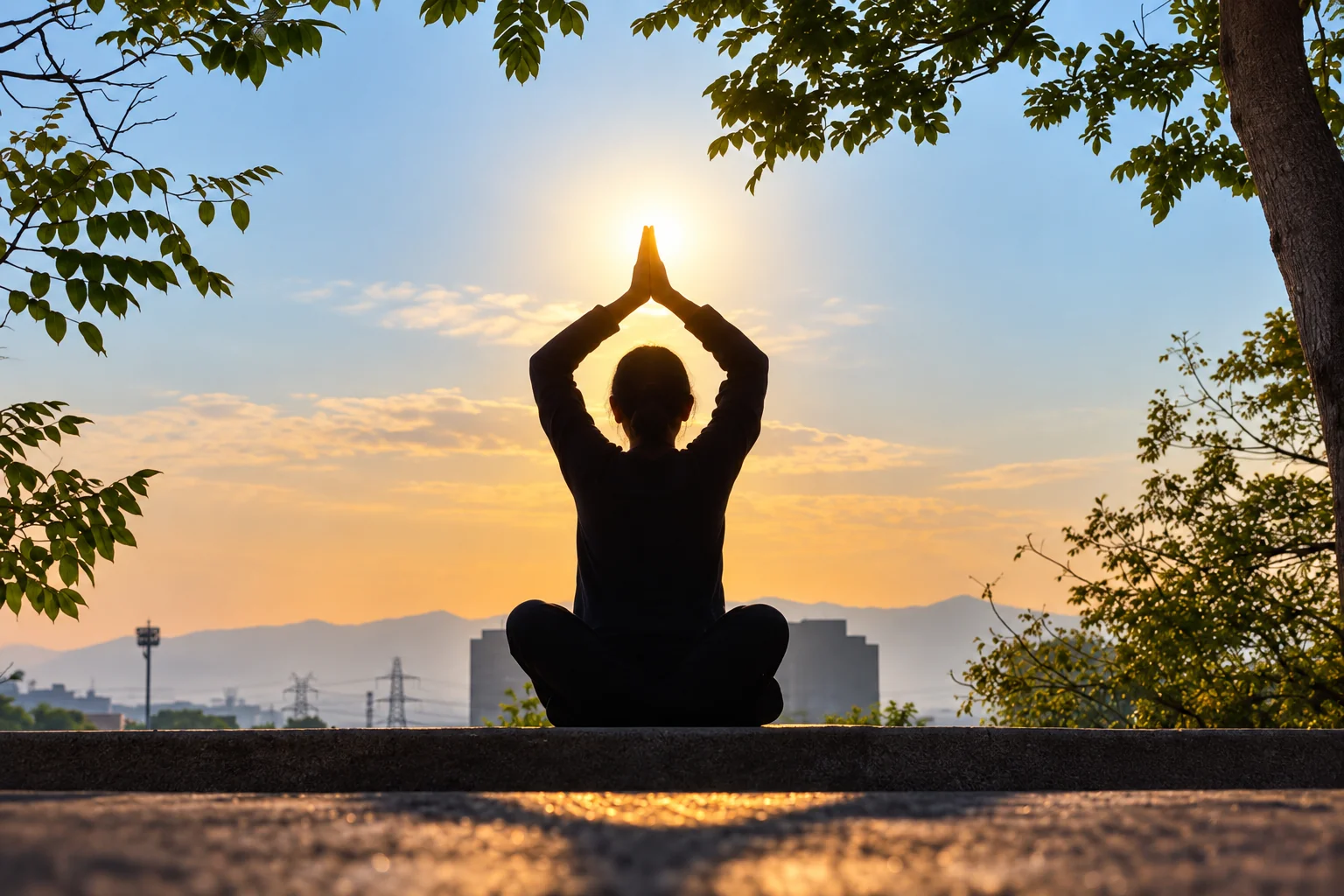
Travelers can also visit Nepal for rest, wellness and personal renewal.
Wellness experiences may include:
- Yoga
- Meditation
- Ayurveda
- Massage and spa treatments
- Healthy Nepali cuisine
- Nature walks
- Mindfulness
- Spiritual experiences
Slow travel encourages visitors to spend more time in fewer places rather than constantly moving between destinations.
This can reduce transportation pressure and create deeper connections with local communities.
Travel Responsibly in Nature
Nepal's natural environment is one of its greatest attractions, but it is also fragile.
When hiking, trekking or visiting national parks:
- Stay on designated trails
- Avoid damaging vegetation
- Do not litter
- Carry reusable items where possible
- Avoid unnecessary plastic
- Do not disturb wildlife
- Do not feed wild animals
- Respect protected areas
- Use designated campsites
- Follow local instructions
Nepal Tourism Board recommends designated routes and campsites, minimizing waste, respecting the environment and using local services as part of responsible tourism.
A simple rule is:
Leave the destination as you found it, or better than you found it.
Respect Nepalese Culture and Traditions
Nepal is culturally diverse, with Hindu, Buddhist and many Indigenous traditions.
Visitors should take time to understand local customs.
When visiting temples, monasteries and religious sites:
- Dress appropriately
- Follow signs and local instructions
- Ask before photographing people
- Do not touch religious objects without permission
- Walk respectfully around sacred spaces
- Avoid unnecessary noise
- Follow photography restrictions
Remember that many places that appear to be tourist attractions are also active religious and community spaces.
Treating them with respect makes the experience better for everyone.
Be Careful When Traveling During the Monsoon and Post-Disaster Period
Weather is an important factor in Nepal travel.
During periods of heavy rainfall, travelers should pay particular attention to:
- Road conditions
- Landslide risks
- River levels
- Flight delays
- Trail conditions
- Local weather forecasts
- Government warnings
The recent flooding has demonstrated how quickly conditions can change in vulnerable areas. UK travel advice also notes that the situation in affected regions can change rapidly and advises travelers to follow Nepalese authorities and local guidance.
Do not rely only on photographs or social media posts from previous days.
Always seek current information before departure.
Keep Your Travel Plans Flexible
A flexible traveler understands that changing an itinerary is sometimes the responsible choice.
If a destination becomes temporarily inaccessible, consider:
- Changing the travel date
- Choosing another destination
- Replacing a long road journey with another activity
- Adding an extra night
- Moving activities to another day
- Choosing a shorter tour
- Postponing a particular trek
The objective is not to complete an itinerary at any cost.
The objective is to enjoy Nepal while respecting current conditions.
Choose a Travel Company That Monitors Conditions
During uncertain periods, working with a local travel company can provide additional practical support.
A local travel agency can help with:
- Airport transfers
- Accommodation
- Transportation
- Guides
- Tours
- Trekking arrangements
- Itinerary changes
- Local information
- Emergency coordination
- Alternative travel arrangements
Choose an established and properly registered operator and ask how they handle itinerary changes when conditions change.
Nepal Tourism Board also recommends that tourists use registered agencies.
What Responsible Travel Means After a Natural Disaster
Responsible tourism becomes even more important after a natural disaster.
Visitors should not travel to affected areas simply to see destruction.
Avoid disaster tourism.
Do not enter restricted areas for photographs or social media content.
Do not interfere with rescue or recovery operations.
Instead, travelers can support recovery by visiting destinations that are operating normally and spending money with local businesses.
Responsible tourism means:
Travel where appropriate.
Respect restrictions.
Spend locally.
Support local workers.
Protect the environment.
Respect affected communities.
Stay informed.
How Your Trip Can Support Nepal
Tourism is connected to many livelihoods.
One visitor can contribute to the income of:
- A hotel receptionist
- A guide
- A driver
- A restaurant worker
- A porter
- A local farmer
- A handicraft producer
- A shopkeeper
- A wellness practitioner
- A community tourism operator
This is why responsible travel can have an impact beyond the traveler themselves.
Nepal Tourism Board's responsible tourism guidance emphasizes that tourism spending can contribute to local livelihoods, women's empowerment and environmental conservation.
During tourism recovery, choosing local services becomes even more meaningful.
Choose Experiences Instead of Just Sightseeing
A responsible Nepal trip does not have to be about checking destinations off a list.
Instead of asking:
"How many places can I visit?"
try asking:
"How deeply can I experience Nepal?"
You might:
- Learn to cook Nepali food
- Join a local cultural experience
- Walk through an old Newari settlement
- Visit a traditional craft workshop
- Stay with a local family
- Learn about Himalayan culture
- Practice yoga
- Explore a local market
- Take a guided photography walk
- Share a meal with local people
These experiences create memories while allowing more tourism income to remain within local communities.
Flexible Nepal Travel Ideas
Travelers looking for a flexible Nepal experience can consider:
Kathmandu Heritage Experience
Explore the historic and spiritual heart of Kathmandu Valley.
Patan and Bhaktapur Cultural Experience
Discover Newari architecture, courtyards, temples, crafts and traditional culture.
Khokana and Bungamati Heritage Experience
Experience traditional Newari settlements and local heritage.
Kathmandu Wellness Experience
Combine sightseeing with Ayurveda, yoga, meditation and relaxation.
Pokhara Short Escape
Experience the city's lakes, viewpoints and surrounding attractions after confirming current access conditions.
Lumbini Spiritual Journey
Explore the birthplace of Buddha and its surrounding monasteries.
Build Your Own Nepal Trip
Combine accommodation, transportation, sightseeing, wellness, hiking and cultural experiences according to your interests and current travel conditions.
A Practical Checklist Before Traveling to Nepal
Before departure, travelers should:
Check the latest travel advisory
Review information from your government and Nepalese authorities.
Check destination conditions
Do not assume that conditions are the same throughout Nepal.
Confirm transportation
Road and flight conditions can change.
Check weather forecasts
Especially when traveling to mountainous or remote areas.
Confirm accommodation
Make sure your hotel or lodge is operating.
Check trekking requirements
Confirm permits, TIMS requirements and guide requirements where applicable.
Keep travel insurance
Choose insurance appropriate for your planned activities.
Keep emergency contacts
Save your travel company's number, accommodation contact and relevant emergency information.
Keep your itinerary flexible
Allow reasonable time for unexpected changes.
Frequently Asked Questions
Is Nepal open for tourists?
Nepal is not closed to tourism. The Nepal Tourism Board has stated that much of the country continues to operate and welcome visitors, while some areas have been seriously affected and require caution or avoidance.
Is Nepal safe to visit after the recent floods?
Safety depends on the destination and current conditions. Some areas have experienced serious damage and should be avoided, while other tourism destinations continue operating. Travelers should check current official information before traveling.
Should I cancel my Nepal trip?
Not necessarily. If your planned destinations are operating and your travel arrangements can be confirmed, you may still be able to visit Nepal. Discuss current conditions with your travel provider before making a final decision.
Can I change my itinerary after arriving in Nepal?
In many cases, yes. A flexible itinerary allows activities and destinations to be adjusted according to weather, transportation and local conditions.
Is trekking still possible in Nepal?
Trekking availability depends on the route, season and current conditions. Some trekking routes have specific guide and TIMS requirements. Always check the latest route conditions before departure.
How can I support Nepal through tourism?
Stay at locally owned accommodation, eat at local restaurants, hire local guides and drivers, purchase locally made products and choose community-based experiences where appropriate.
Should I visit areas affected by the floods?
No. Travelers should not enter restricted or dangerous areas simply for sightseeing or photography. Follow official instructions and respect rescue and recovery operations.
Why is flexible travel important in Nepal?
Weather, road conditions, flight schedules and mountain conditions can change. Flexibility allows travelers to enjoy Nepal without taking unnecessary risks.
Plan Your Nepal Journey Responsibly
Nepal's greatest strength is not only its mountains, temples, wildlife or landscapes. It is the people who make every journey meaningful.
From the guide who explains the history of an ancient temple to the driver who takes you safely through the hills, from the hotel worker who welcomes you after a long journey to the artisan who creates a handmade souvenir, tourism connects travelers with thousands of local livelihoods.
At a time when parts of Nepal are recovering from serious natural disasters, thoughtful travel matters.
You do not need to ignore the situation to visit Nepal.
You simply need to travel responsibly.
Choose destinations according to current conditions. Keep your itinerary flexible. Respect local communities. Support local businesses. Protect nature. Follow official advice. And allow Nepal's people and places to show you what makes this country special.
Travel Nepal. Travel Responsibly. Support Local.
Plan Your Flexible Nepal Experience with Khushi Travels and Consulting Group
Khushi Travels and Consulting Group helps travelers arrange transportation, accommodation, sightseeing, guided tours, trekking, wellness experiences and customized Nepal itineraries.
Our approach is simple: understand your interests, check current travel conditions and create an itinerary that is practical, comfortable and flexible.
Whether you are planning a short Kathmandu experience, a cultural journey, a wellness retreat, a Pokhara escape or a customized Nepal holiday, our team can help you build your trip around your interests and current conditions.
Before booking, contact us for the latest destination and transportation information so that your itinerary can be planned responsibly.
Travel conditions can change quickly, particularly during periods of severe weather. Information in this guide should be checked against the latest official notices before travel.
Last Updated: September 10, 2026
Similar Blogs
We are associated with