Essential Tips For Trekking In Nepal

Nepal is one of the world's greatest trekking destinations. Home to eight of the fourteen highest mountains on Earth, diverse landscapes, ancient cultures, and hundreds of trekking routes, the country attracts thousands of trekkers every year. From the legendary Annapurna and Everest regions to the remote trails of Dolpo, Kanchenjunga, and Manaslu, Nepal offers trekking experiences suitable for beginners, families, adventure seekers, and experienced mountaineers alike.
However, trekking in Nepal is very different from hiking in many other countries. Weather conditions change rapidly, trails can be physically demanding, altitude presents serious challenges, and proper planning is essential for a safe and enjoyable journey.
Whether you are planning your first Himalayan trek or returning to explore another region, understanding the basics before arriving in Nepal can make a significant difference. This guide covers everything you need to know before heading into the mountains.
Why Trekking in Nepal is Unique
Nepal is not just about mountains. Trekking here combines spectacular natural scenery with rich cultural experiences. During a single trek, you may pass through:
- Dense subtropical forests
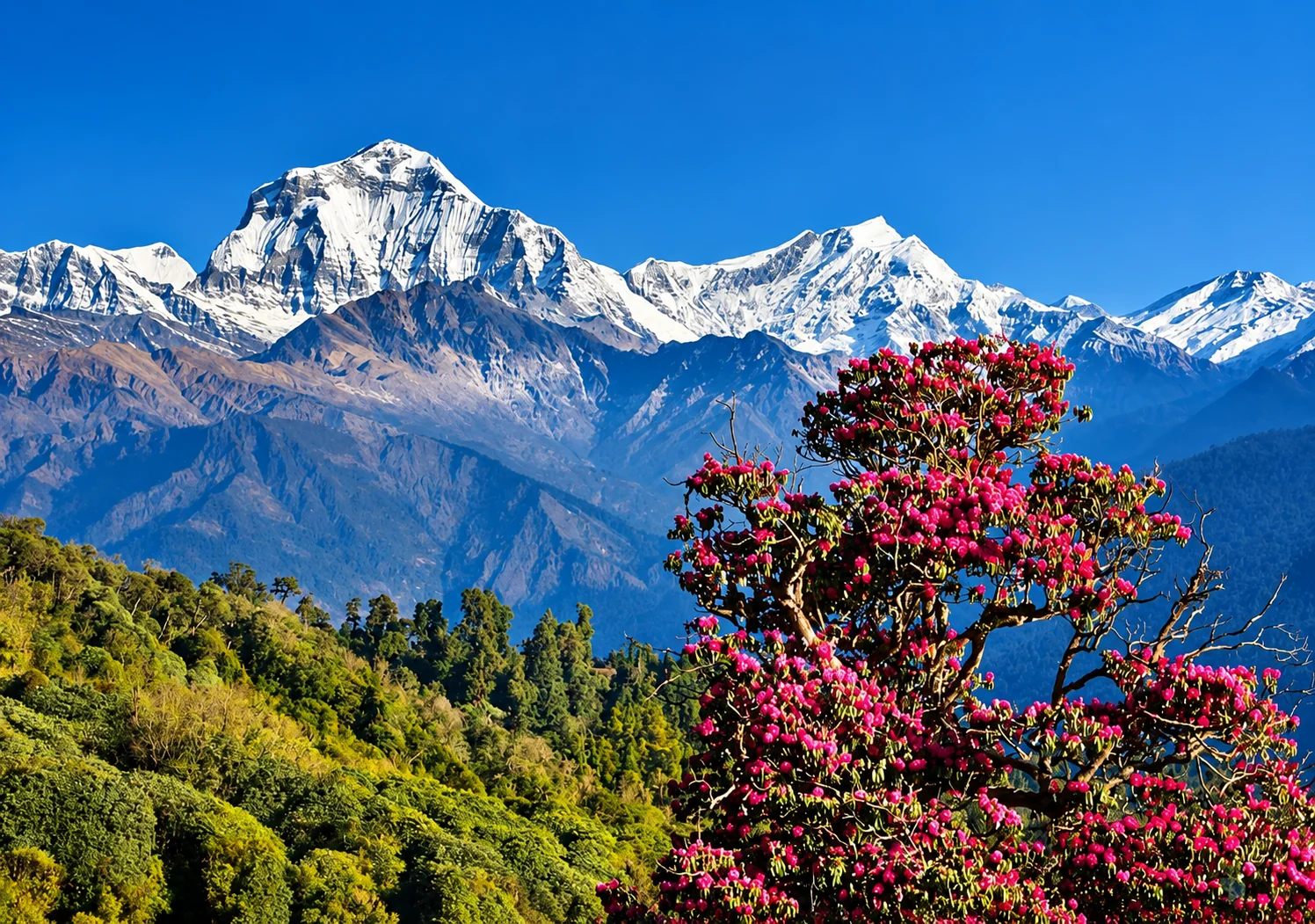
- Rhododendron-covered hills
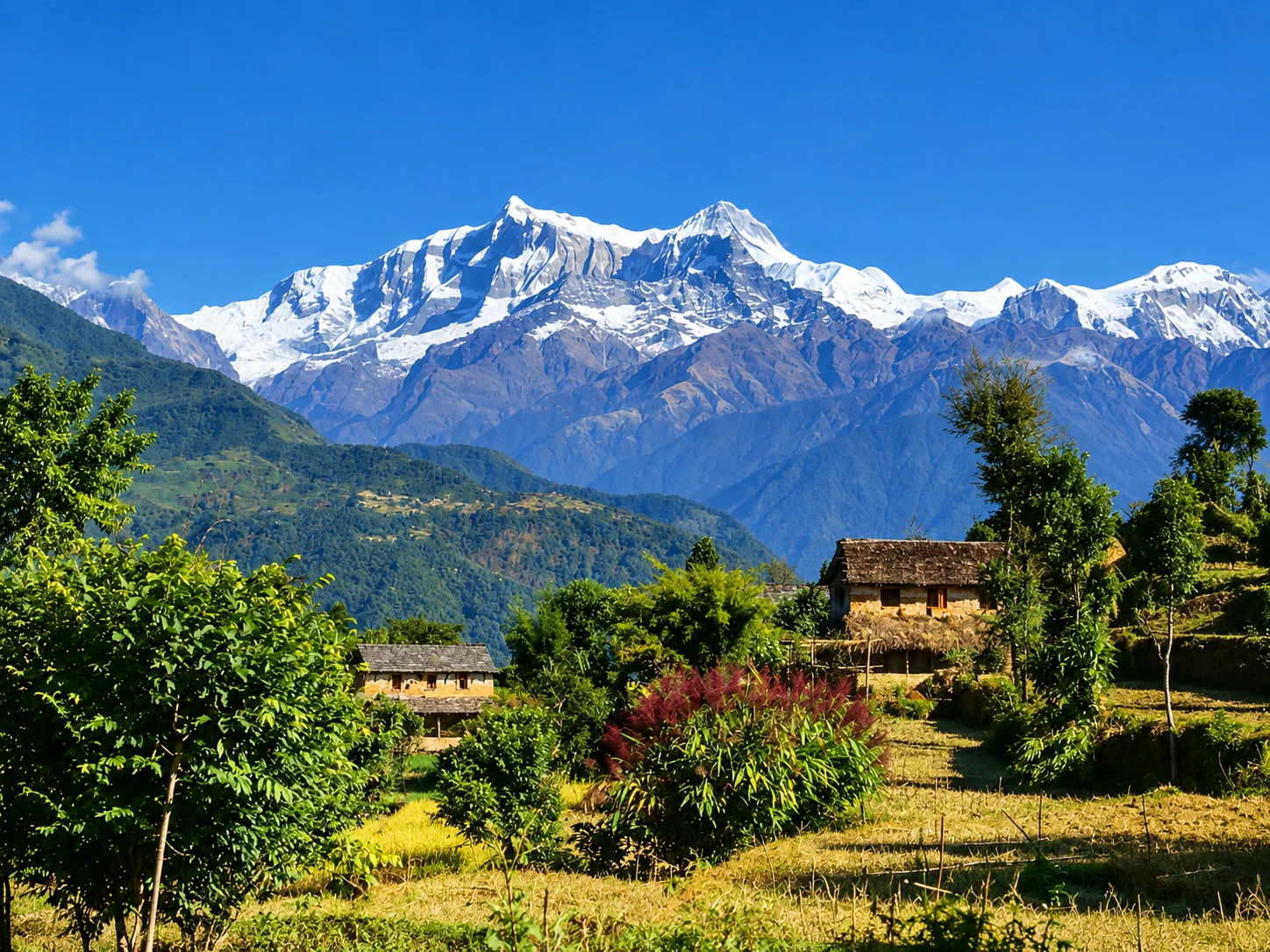
- Terraced farmlands
- Alpine meadows
- High mountain deserts
- Snow-covered passes
- Ancient monasteries
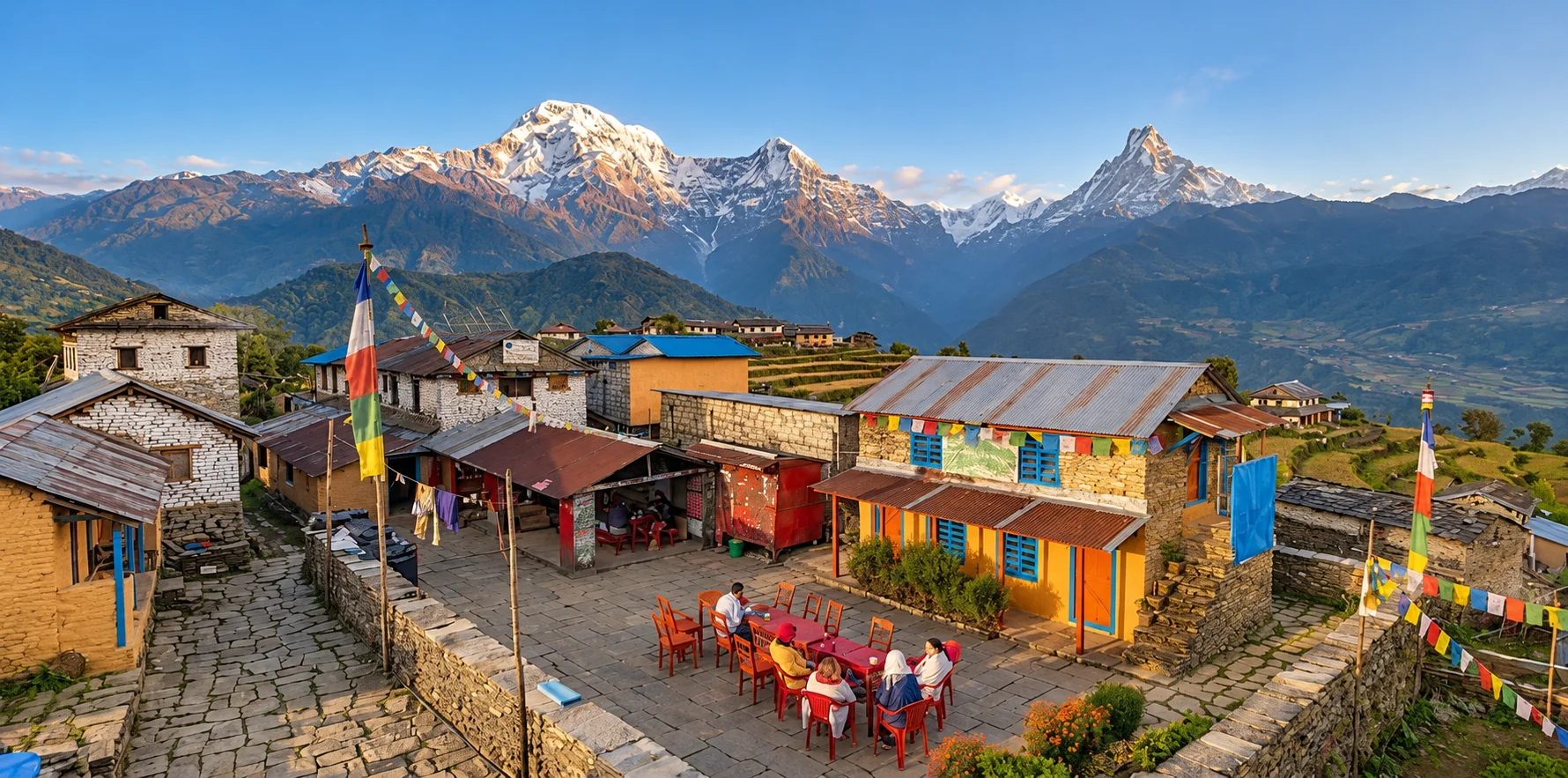
- Traditional villages
- Glacial lakes
- Himalayan viewpoints
Unlike many hiking destinations where trails begin directly from roads, many trekking routes in Nepal involve several days of walking through remote settlements where modern facilities are limited.
This unique combination of adventure, culture, and wilderness makes Nepal one of the best trekking destinations in the world.
Choose the Right Trek According to Your Experience
One of the biggest mistakes beginners make is selecting a trek based solely on famous photographs rather than their own fitness level.
Before booking your trek, consider:
- Your physical fitness
- Previous trekking experience
- Available vacation time
- Budget
- Preferred trekking season
- Highest altitude you have experienced
Comfort level with remote travel
Beginner-Friendly Treks
Some excellent beginner options include:
- Ghorepani Poon Hill Trek
- Langtang Valley Trek
- Mardi Himal Trek
- Helambu Trek
- Nagarkot Hiking
- Australian Camp Trek
These routes provide excellent mountain views without requiring technical climbing skills.
Moderate Treks
Suitable for people with good fitness:
- Annapurna Base Camp Trek
- Everest View Trek
- Khopra Ridge Trek
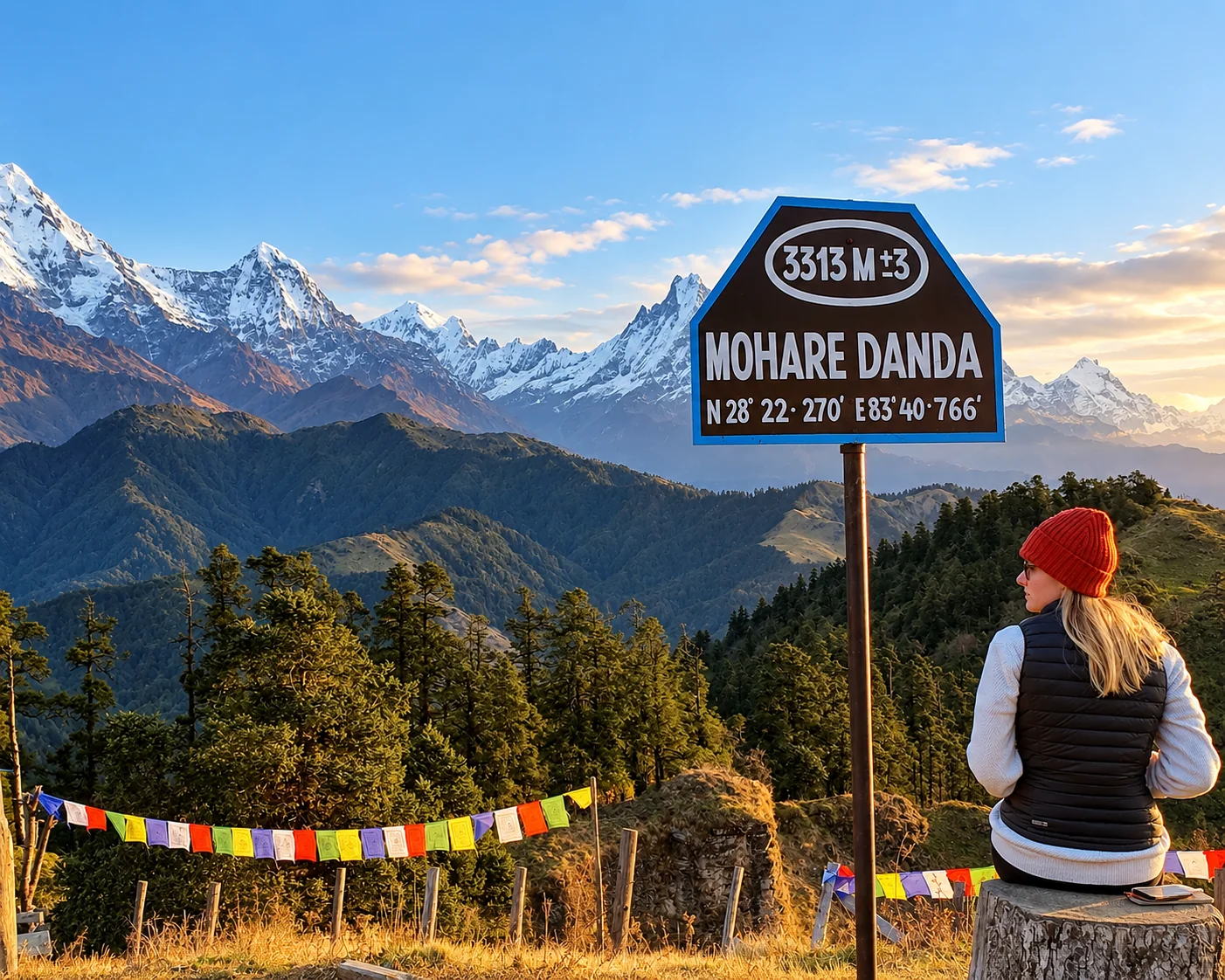
- Mohare Danda Trek
Challenging Treks
Recommended for experienced trekkers:
- Everest Base Camp Trek
- Annapurna Circuit Trek
- Manaslu Circuit Trek
- Upper Mustang Trek
- Kanchenjunga Trek
- Makalu Base Camp Trek
- Dolpo Trek
Choosing the right route improves safety and allows you to fully enjoy the experience.
Train Before You Arrive in Nepal
Although trekking is not mountain climbing, it still requires good physical preparation.
Ideally, begin training at least two months before your trip.
Focus on:
- Walking several kilometers regularly
- Hiking with a backpack
- Stair climbing
- Cardio exercises
- Leg strength workouts
- Core strengthening
- Flexibility exercises
The stronger your body becomes before arriving, the easier the trek will feel.
Understand Altitude Sickness
Altitude sickness is one of the most important safety concerns in Nepal.
It can affect anyone regardless of:
- Age
- Fitness level
- Previous trekking experience
Symptoms usually begin above 2,500 meters.
Common symptoms include:
- Headache
- Nausea
- Loss of appetite
- Fatigue
- Difficulty sleeping
- Dizziness
- Shortness of breath
Serious symptoms include:
- Confusion
- Difficulty walking
- Severe breathlessness while resting
- Chest tightness
- Loss of coordination
These symptoms require immediate descent and medical attention.
Remember:
Fitness does not prevent altitude sickness.
The only reliable prevention is slow acclimatization.
Follow Proper Acclimatization Rules
Many trekking itineraries include acclimatization days for good reason.
General guidelines include:
- Do not gain more than 500 meters sleeping altitude each day once above 3,000 meters.
- Take scheduled rest days.
- Walk slowly.
- Drink plenty of water.
- Avoid alcohol.
- Eat enough calories.
- Never ignore symptoms.
A slower itinerary often leads to a much more enjoyable trekking experience.
Choose the Best Season
Nepal has four distinct seasons, each offering different trekking conditions.
Spring (March to May)
Spring is one of the most popular trekking seasons.
Advantages:
- Stable weather
- Blooming rhododendron forests
- Comfortable temperatures
- Excellent mountain visibility
Longer daylight hours
Best for:
- Everest
- Annapurna
- Langtang
- Manaslu
Autumn (September to November)
Autumn is considered the best trekking season.
Advantages:
- Clear skies
- Dry trails
- Excellent visibility
- Pleasant temperatures
- Numerous local festivals
This season offers some of the clearest Himalayan views.
Winter (December to February)
Many lower-altitude treks remain accessible.
Pros:
- Fewer crowds
- Beautiful snowy scenery
- Peaceful trails
Challenges:
- Cold temperatures
- Snow-covered passes
- Limited access to higher routes
Monsoon (June to August)
Heavy rainfall affects much of Nepal.
Challenges include:
- Muddy trails
- Landslides
- Leeches
- Poor mountain visibility
However, rain-shadow areas such as Upper Mustang and Dolpo remain excellent trekking destinations during this period.
Invest in Quality Trekking Gear
Good equipment can significantly improve comfort and safety.
Essential clothing includes:
- Moisture-wicking base layers
- Fleece jacket
- Down jacket
- Waterproof shell jacket
- Trekking trousers
- Thermal clothing
- Gloves
- Warm hat
- Sun hat
- Wool socks
Footwear should include:
- Well-fitted trekking boots
- Comfortable camp shoes
- Quality hiking socks
Other essential gear:
- Trekking poles
- Sunglasses
- Water bottles
- Headlamp
- Rain cover
- Backpack
- Sleeping bag suitable for cold temperatures
Avoid using brand-new boots on your trek.
Break them in before arriving in Nepal.
Pack Smart Instead of Packing Heavy
Many first-time trekkers bring unnecessary items.
A typical trekking bag should contain only essentials.
Carry:
- Passport
- Insurance documents
- Personal medications
- Water purification tablets
- Sunscreen
- Lip balm
- Power bank
- Camera
- Basic toiletries
- Quick-dry towel
- Energy snacks
Avoid packing:
- Multiple heavy jackets
- Excess clothing
- Large electronics
- Expensive jewelry
If using a porter, keep luggage within the recommended weight limit.
Stay Hydrated
Dehydration becomes more common at higher altitudes.
Aim to drink:
3 to 4 liters of water daily.
Avoid relying only on bottled water, especially in remote areas.
Better alternatives include:
- Water purification tablets
- UV purification devices
- Water filters
- Boiled water from teahouses
Proper hydration also helps reduce the risk of altitude sickness.
Eat Enough During the Trek
Your body burns significantly more calories while trekking.
Popular trekking meals include:
- Dal Bhat
- Fried rice
- Noodles
- Soup
- Pasta
- Eggs
- Tibetan bread
- Pancakes
- Potatoes
Dal Bhat is often considered the best trekking meal because it provides carbohydrates, protein, vegetables, and unlimited refills in many teahouses.
Avoid skipping meals, even if you lose your appetite at altitude.
Walk Slowly
Many beginners try to walk too quickly during the first few days.
Experienced guides follow a slow, steady pace.
Benefits include:
- Better breathing
- Reduced fatigue
- Improved acclimatization
- Lower injury risk
Remember:
Slow walking often allows you to trek farther with less effort.
Hire a Professional Guide
Although some trekking routes can be completed independently, hiring an experienced guide offers many advantages.
A guide can help with:
- Route navigation
- Weather updates
- Accommodation arrangements
- Local cultural knowledge
- Emergency assistance
- Communication
- Trekking permits
Local guides also enrich the experience by explaining village traditions, mountain history, wildlife, and local customs.
Consider Hiring a Porter
Hiring a porter not only makes trekking easier but also supports the local economy.
Most porters carry:
20 to 25 kilograms.
With your heavy bag carried by a porter, you can focus on enjoying the scenery instead of struggling with unnecessary weight.
Always ensure your porter is properly equipped and treated fairly.
Respect Local Culture
Many trekking routes pass through villages with centuries-old traditions.
Respect local customs by:
- Greeting locals politely.
- Asking permission before taking photographs.
- Removing shoes before entering homes or monasteries.
- Dressing modestly.
- Walking clockwise around stupas and prayer wheels.
- Avoiding loud behavior near religious sites.
Small gestures of respect are always appreciated.
Protect the Environment
The Himalayas are fragile ecosystems.
Responsible trekking includes:
- Carry reusable water bottles.
- Avoid single-use plastics.
- Dispose of waste properly.
- Stay on marked trails.
- Do not disturb wildlife.
- Respect local conservation rules.
- Use eco-friendly toiletries whenever possible.
Leave every trail cleaner than you found it.
Understand Weather Conditions
Mountain weather changes quickly.
A sunny morning may become snowy or rainy within hours.
Always carry:
- Rain jacket
- Warm layers
- Waterproof backpack cover
- Gloves
- Emergency clothing
Never underestimate Himalayan weather.
Prepare for Limited Connectivity
Most trekking routes offer limited mobile coverage.
Internet is available in many villages but may be:
- Slow
- Expensive
- Unreliable
Prepare by:
- Downloading offline maps.
- Informing family before the trek.
- Carrying cash.
- Charging devices whenever electricity is available.
Carry Enough Cash
ATMs are only available in major towns.
Most mountain villages accept cash only.
Bring enough Nepalese Rupees for:
- Meals
- Drinks
- Charging electronics
- Wi-Fi
- Hot showers
- Snacks
- Tips
- Souvenirs
Cash becomes increasingly important the farther you trek.
Purchase Comprehensive Travel Insurance
Travel insurance is essential for trekking in Nepal.
Your policy should cover:
- High-altitude trekking
- Emergency helicopter evacuation
- Medical treatment
- Trip cancellation
- Lost luggage
- Delayed flights
Always read the altitude coverage carefully, as some policies exclude trekking above certain elevations.
Know Emergency Procedures
In case of emergency:
- Inform your guide immediately.
- Descend if altitude sickness worsens.
- Contact rescue services if necessary.
- Follow professional medical advice.
Never continue climbing if serious symptoms develop.
Keep a Flexible Itinerary
Mountain travel is unpredictable.
Flights may be delayed due to weather.
Roads may close because of landslides.
Unexpected snowfall may affect high passes.
Adding one or two buffer days to your itinerary reduces stress and prevents missed international flights.
Mental Preparation Matters
Trekking in Nepal is as much a mental challenge as a physical one.
Some days involve:
- Long uphill climbs
- Cold mornings
- Basic accommodation
- Limited comforts
- Changing weather
Maintaining a positive attitude and enjoying the journey rather than focusing only on the destination will make the experience far more rewarding.
Support Local Communities
Your trekking expenses directly benefit mountain communities.
Whenever possible:
- Stay in locally owned teahouses.
- Hire licensed local guides and porters.
- Buy local products.
- Eat local meals.
- Respect community traditions.
Responsible tourism helps preserve both livelihoods and Himalayan culture.
Common Mistakes to Avoid
Many first-time trekkers make avoidable errors that can affect both safety and enjoyment. Try to avoid these common mistakes:
- Starting with an overly difficult trek beyond your fitness level.
- Ignoring early signs of altitude sickness.
- Walking too fast during the first few days.
- Packing excessive clothing and unnecessary gear.
- Wearing brand-new trekking boots without breaking them in.
- Drinking too little water.
- Relying entirely on card payments instead of carrying cash.
- Underestimating mountain weather.
- Skipping travel insurance.
- Failing to schedule acclimatization or buffer days.
- Leaving waste on the trail or using excessive single-use plastics.
Learning from these common issues will help you have a smoother and safer trekking experience.
(FAQs)
1. Is trekking in Nepal suitable for beginners?
Yes. Nepal offers many beginner-friendly trekking routes such as Ghorepani Poon Hill, Langtang Valley, Mardi Himal, and Helambu. These treks provide beautiful Himalayan views without requiring technical climbing experience.
2. What is the best time for trekking in Nepal?
The best seasons are spring (March to May) and autumn (September to November). During these months, the weather is generally stable, the skies are clear, and mountain views are at their best.
3. How physically fit do I need to be for trekking in Nepal?
Most treks require a moderate level of fitness. Regular walking, hiking, cardio exercises, and stair climbing before your trip will help you enjoy the trek more comfortably.
4. Do I need previous trekking experience?
No. Many trekking routes are designed for first-time trekkers. However, longer and higher-altitude treks require better preparation and fitness.
5. What is altitude sickness, and how can I prevent it?
Altitude sickness occurs when your body struggles to adjust to higher elevations. You can reduce the risk by ascending gradually, staying hydrated, taking acclimatization days, eating well, and avoiding alcohol.
6. Which trek is best for first-time visitors to Nepal?
Popular options include the Ghorepani Poon Hill Trek, Mardi Himal Trek, Langtang Valley Trek, and Annapurna Base Camp Trek for those looking for a slightly greater challenge.
7. How many days should I plan for a trekking trip?
Most popular treks range from 4 to 16 days. It's also recommended to include one or two extra buffer days in case of weather-related delays.
8. What permits are required for trekking in Nepal?
Permit requirements depend on the trekking region. Common permits include national park permits, conservation area permits, and TIMS or restricted area permits for certain destinations.
9. Should I hire a guide for my trek?
Hiring a licensed local guide is highly recommended. Guides improve safety, assist with navigation, arrange accommodation, provide cultural insights, and help during emergencies.
10. Is hiring a porter worth it?
Yes. A porter carries your heavier luggage, allowing you to trek comfortably while supporting local employment in mountain communities.
11. What should I pack for trekking in Nepal?
Pack layered clothing, trekking boots, a waterproof jacket, warm clothing, trekking poles, sunglasses, sunscreen, water bottles, personal medications, and a suitable backpack.
12. Can I rent trekking equipment in Nepal?
Yes. Kathmandu and Pokhara have many rental shops offering sleeping bags, down jackets, trekking poles, crampons, and other trekking gear at affordable prices.
13. How much weight should my backpack be?
Your daypack should ideally weigh between 6 and 10 kilograms. If you're hiring a porter, your duffel bag should generally stay within the recommended porter weight limit.
14. Is travel insurance necessary?
Absolutely. Your travel insurance should include high-altitude trekking, emergency medical treatment, and helicopter evacuation if required.
15. Is drinking water safe during the trek?
Avoid untreated tap water. Use boiled water, water purification tablets, portable filters, or UV purification devices for safe drinking water.
16. What kind of accommodation is available during trekking?
Most trekking routes offer teahouses that provide basic but comfortable rooms, meals, and shared facilities. Luxury lodges are available on some popular routes.
17. What food is available during trekking?
You'll find meals such as Dal Bhat, noodles, fried rice, pasta, soups, potatoes, eggs, Tibetan bread, pancakes, and seasonal vegetables at most teahouses.
18. Can I charge my phone and access Wi-Fi on the trek?
Many teahouses offer charging facilities and Wi-Fi for an additional fee. However, internet speeds may be slow, especially at higher altitudes.
19. Should I carry cash during the trek?
Yes. Most trekking regions have limited ATM access, and many teahouses accept only cash. Carry enough Nepalese Rupees for your daily expenses.
20. Is trekking in Nepal safe for solo travelers?
Yes. Nepal is considered one of the safest trekking destinations. However, trekking with a licensed guide or organized tour offers additional safety and peace of mind.
21. Can families with children go trekking in Nepal?
Yes. Several short and moderate trekking routes are suitable for families with children, provided the itinerary is planned according to their fitness and comfort.
22. How do I prepare for my first Himalayan trek?
Start exercising at least six to eight weeks before your trip, invest in quality trekking gear, wear your boots before the trek, and choose an itinerary that matches your fitness level.
23. What happens if bad weather affects my trekking schedule?
Mountain weather can change quickly. It's always wise to keep one or two extra days in your itinerary to accommodate possible flight delays or weather-related changes.
24. How can I trek responsibly in Nepal?
Travel responsibly by avoiding single-use plastics, carrying reusable water bottles, respecting local culture, staying on marked trails, supporting local businesses, and leaving no trace behind.
25. Why should I book my trek with Khushi Travels and Consulting Group?
Khushi Travels and Consulting Group provides personalized trekking experiences with experienced local guides, customized itineraries, permit assistance, transportation, accommodation booking, airport transfers, trekking support, and 24/7 customer service. Our goal is to help you explore Nepal safely, comfortably, and like a local, creating unforgettable memories throughout your Himalayan adventure.
Why Choose Khushi Travels and Consulting Group as Your Local Friend in Nepal?
Planning a trek in Nepal is about more than choosing a destination. It requires local knowledge, careful planning, reliable support, and experienced professionals who understand the mountains, weather, culture, and logistics. That's where Khushi Travels and Consulting Group comes in.
At Khushi Travels and Consulting Group Pvt. Ltd., we believe every traveler deserves more than a standard tour. We believe every visitor deserves a trusted local friend who helps create authentic and unforgettable experiences throughout Nepal.
Based in the heart of Kathmandu, our experienced local team is dedicated to providing personalized travel services for individuals, families, groups, and travel partners from around the world. Whether you're visiting Nepal for trekking, sightseeing, cultural exploration, wildlife adventures, or spiritual journeys, we ensure every detail of your trip is carefully planned and professionally managed.
Our services include:
- Customized trekking packages across Nepal
- Airport meet and greet with private transfers
- Hotel booking for every budget
- Private transportation and vehicle rentals
- Experienced licensed trekking guides and porters
- Cultural and heritage sightseeing tours
- Village and community-based experiences
- Adventure activities and outdoor excursions
- Pilgrimage and religious tours
- Wildlife safaris and national park tours
- Tailor-made travel itineraries
- Domestic and international flight bookings
- Visa assistance and travel consultation
- 24/7 customer support throughout your journey
Whether you are exploring the vibrant streets of Kathmandu, trekking beneath the majestic Himalayan peaks, relaxing beside the beautiful lakes of Pokhara, visiting ancient temples and UNESCO World Heritage Sites, discovering traditional mountain villages, or traveling across Nepal from east to west, our dedicated team is committed to making your journey safe, comfortable, and memorable.
Our local expertise, transparent service, attention to detail, and commitment to customer satisfaction have made us a trusted travel partner for visitors seeking authentic experiences in Nepal.
From the moment you arrive until your departure, we are here to help you experience Nepal like a local, not just as a visitor.
Contact Khushi Travels and Consulting Group
Ready to plan your dream trekking adventure or holiday in Nepal?
Our friendly travel experts are ready to help you create a personalized itinerary that matches your interests, travel style, schedule, and budget.
Khushi Travels and Consulting Group Pvt. Ltd.
📧 Email: info@khushiservice.com
📧 Booking: booking@khushiservice.com
📞 Phone / WhatsApp: +977 9768988868
☎️ Office: +977 014975759
📍 Office Location: Sorakhutte-16, Thamel, Kathmandu, Nepal
🌐 Website: www.khushiservice.com
Whether you're planning your first trek in Nepal or returning to explore new Himalayan trails, our team is ready to help you create a safe, enjoyable, and unforgettable travel experience. Contact us today and let us turn your dream journey into reality.
Final Thoughts
Trekking in Nepal is more than reaching a mountain viewpoint or base camp. It is an opportunity to experience some of the world's most spectacular landscapes while connecting with local cultures, traditions, and communities that have thrived in the Himalayas for generations.
Good preparation is the key to a successful trek. Choosing the right route, training in advance, packing appropriate gear, respecting altitude, staying hydrated, and traveling responsibly will not only improve your safety but also allow you to fully appreciate everything the mountains have to offer.
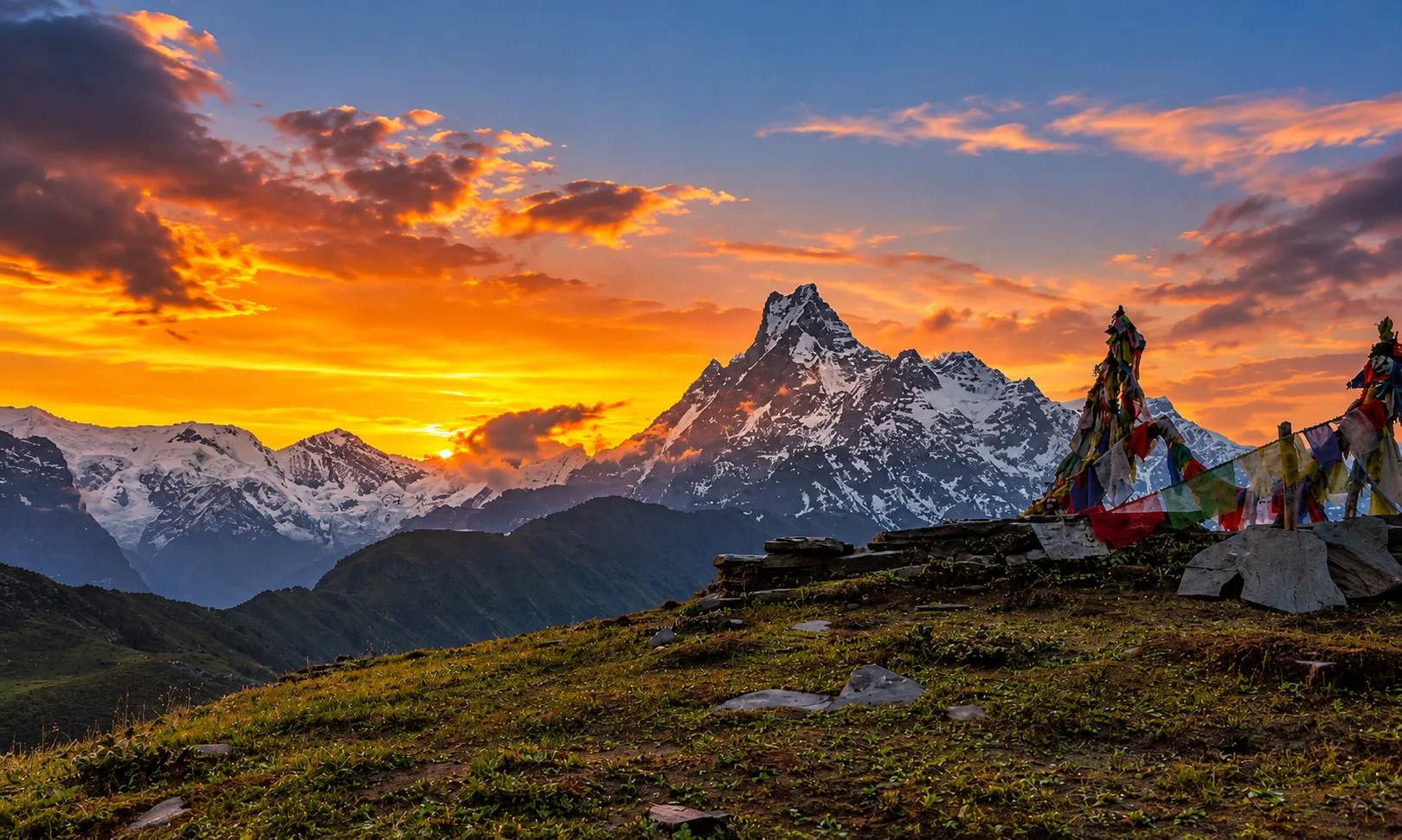
Whether your goal is to watch sunrise over the Annapurna range, stand beneath the towering peaks of the Everest region, explore the remote valleys of Manaslu, or enjoy a peaceful walk through the forests of Langtang, Nepal offers unforgettable adventures for every type of traveler.
Approach the journey with patience, respect for nature, and an open mind. The Himalayas reward those who travel thoughtfully, and the memories you create on Nepal's trails will stay with you long after the trek is over.
Similar Blogs
We are associated with