

Numbur Cheese Circuit Trek, Nepal: Complete Himalayan Cheese Trail Guide 2026/2027

Numbur Cheese Circuit Trek, Nepal: Complete Himalayan Cheese Trail Guide 2026/2027
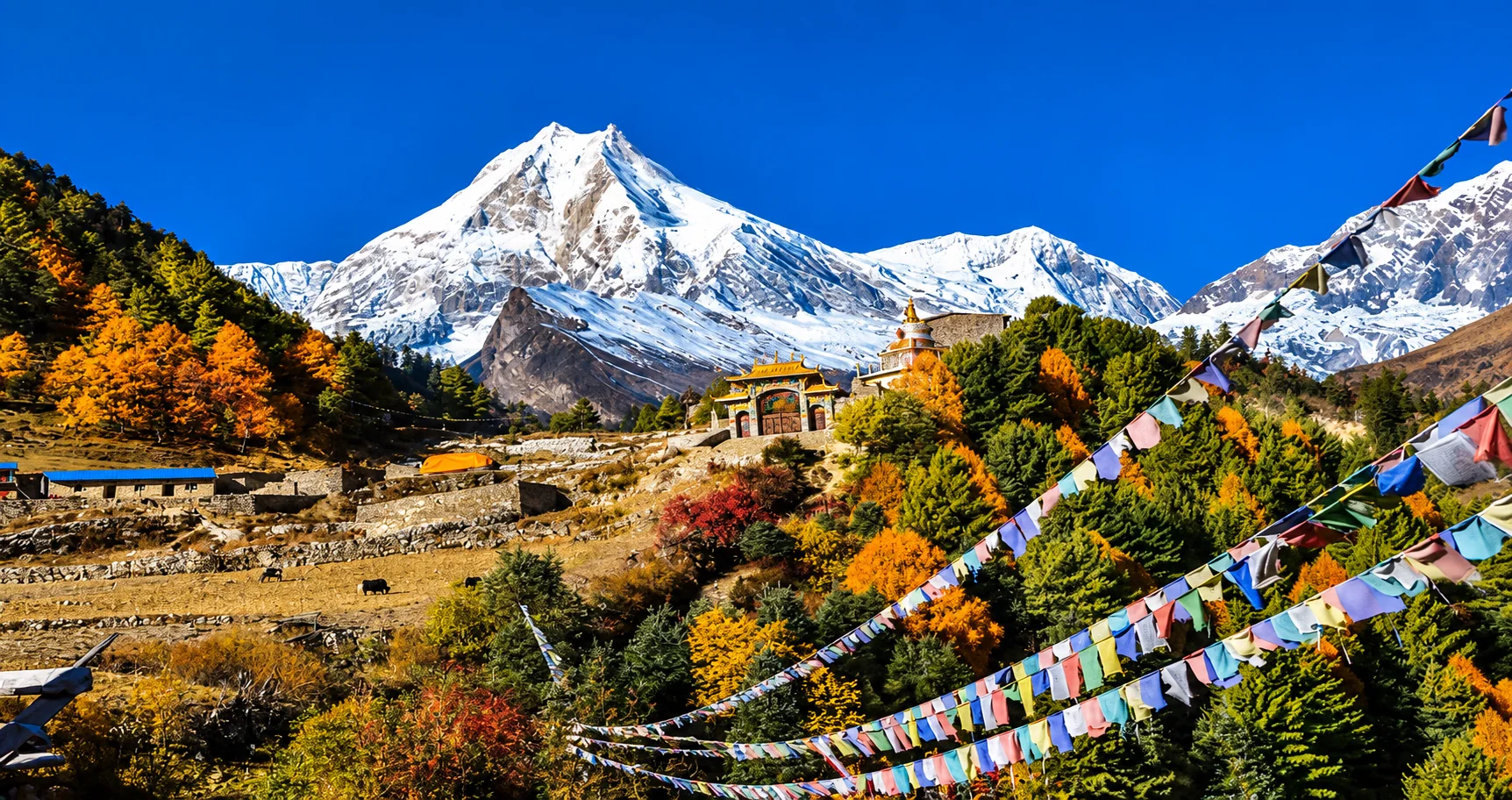
The Numbur Cheese Circuit Trek is one of Nepal's distinctive off-the-beaten-path Himalayan trekking experiences, combining high mountain landscapes, sacred lakes, traditional Sherpa and Jirel communities, alpine pastures, historic cheese production and the protected biodiversity of the Gaurishankar Conservation Area.
What makes this trek particularly unusual is that cheese is not simply part of the name. It is part of the landscape, history and livelihood of the region. The route takes travellers through high pasturelands where yak and chauri are traditionally herded and toward the historic Thodung cheese-producing area, associated with Nepal's early organized yak-cheese industry.
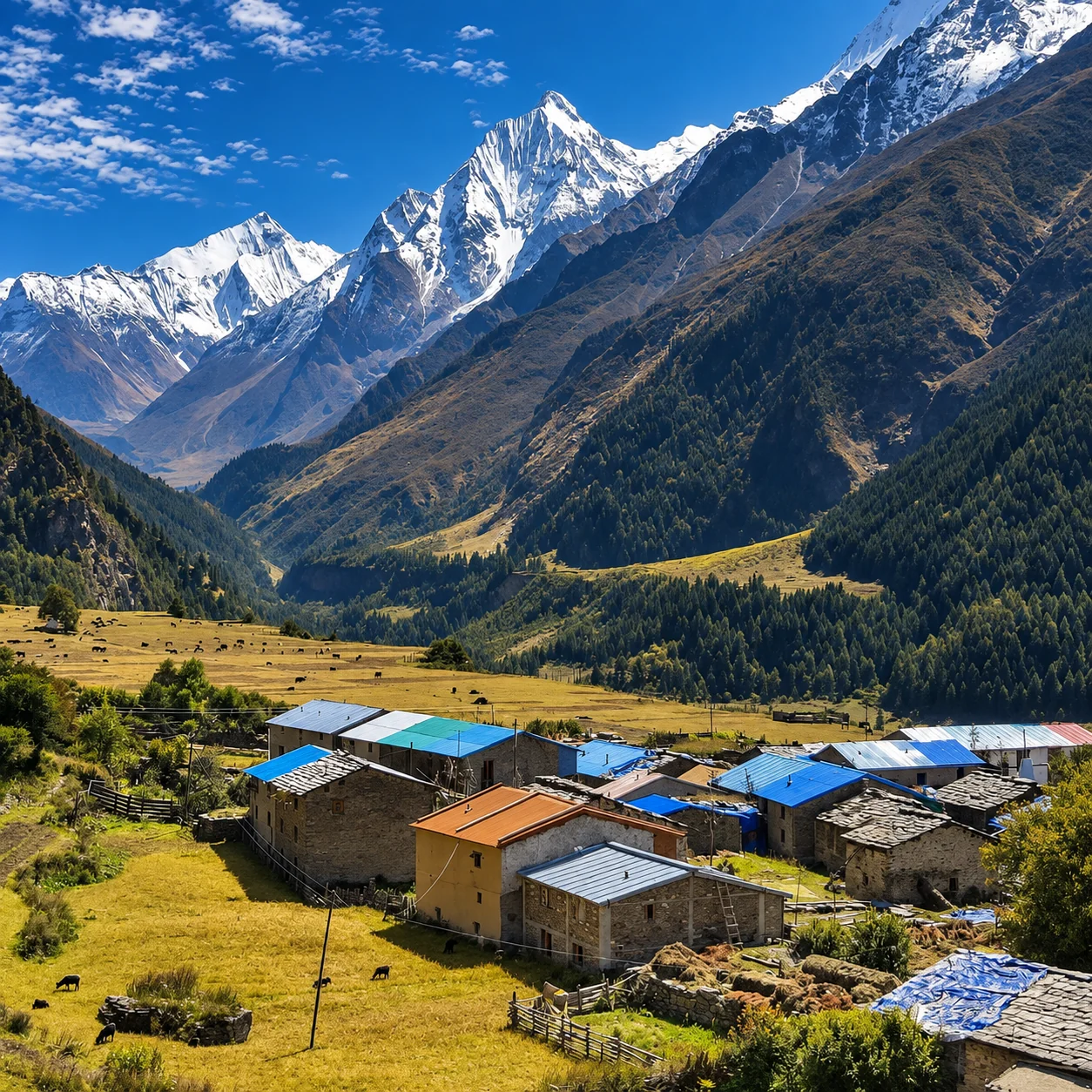
The circuit also passes through remote valleys and high-altitude terrain around Numburchuli/Numbur Himal, with itineraries reaching the sacred Panch Pokhari lake area and crossing the demanding Gyajo La. Current trekking sources describe the high point at approximately 4,880 metres, while Panch Pokhari is generally around 4,500 to 4,515 metres, depending on the exact route and measurement used.
Unlike the heavily commercialized Everest Base Camp and Annapurna routes, the Numbur Cheese Circuit has a more remote character. Infrastructure is limited in several sections, some stages require camping, and travellers should be prepared for basic facilities and changing trail conditions.
At the same time, this limited infrastructure is part of what makes the route attractive to travellers looking for a more immersive Himalayan experience.
The route lies within the wider Gaurishankar Conservation Area, which covers approximately 2,179 square kilometres across Ramechhap, Dolakha and Sindhupalchok and serves as an important ecological corridor between Sagarmatha and Langtang protected areas.
Quick Facts About Numbur Cheese Circuit Trek
| Trek FeatureInformation | |
|---|---|
| Trek Name | Numbur Cheese Circuit Trek |
| Country | Nepal |
| Region | Ramechhap and Gaurishankar Himalayan region |
| Protected Area | Gaurishankar Conservation Area |
| Typical Duration | Approximately 13-16 days |
| Shorter Version | Around 9-11 trekking days depending on route |
| Trek Starting Point | Commonly Shivalaya |
| Trek Ending Point | Varies by itinerary, commonly Shivalaya/Jiri-area road access |
| Highest Point | Gyajo La, approximately 4,880 m on commonly published routes |
| Panch Pokhari | Approximately 4,500-4,515 m |
| Numburchuli | Approximately 6,958-6,959 m |
| Difficulty | Moderate to challenging/challenging |
| Accommodation | Teahouses, homestays and camping |
| Main Communities | Sherpa, Jirel and other Himalayan communities |
| Main Attraction | Himalayan yak/chauri cheese tradition |
| Historic Cheese Area | Thodung |
| Major Lakes | Panch Pokhari |
| Major Pass | Gyajo La |
| Conservation Area Permit | Required |
| TIMS | Subject to current route requirements |
| Best General Seasons | Spring and autumn |
| Cheese Production Season | Generally warmer months, with production commonly reported April-October in Nepal's yak-cheese industry |
| Best For | Experienced trekkers, photographers, cultural travellers, nature lovers and off-the-beaten-path adventurers |
Where Is the Numbur Cheese Circuit?
The Numbur Cheese Circuit is located in the Himalayan region of eastern Nepal, particularly around Ramechhap and the Gaurishankar Conservation Area.
The route connects landscapes associated with the Khimti and Likhu river valleys, moving through cultivated middle hills, forests, Sherpa and Jirel settlements, alpine pastures and high mountain terrain.
The traditional approach begins around Shivalaya, which is historically important because it was part of the old overland approach toward the Everest region before modern road and aviation access transformed trekking logistics.
The route gradually becomes more remote as it climbs away from the roadhead. Villages become smaller, agricultural fields give way to forest and pasture, and eventually trekkers enter high-altitude terrain where camping becomes necessary on some itineraries.
Current route descriptions generally place the circuit in the wider Ramechhap/Gaurishankar landscape and identify Shivalaya as the principal road-access trailhead.
Why Is It Called the Numbur Cheese Circuit?
The name has two important elements.
Numbur refers to the spectacular Himalayan landscape dominated by Numburchuli/Numbur Himal.
Cheese Circuit refers to the historic and continuing tradition of high-altitude cheese production associated particularly with the Thodung area and the surrounding yak and chauri pastures.
This means the name describes both the geography and the culture of the trek.
The circuit passes through a landscape where livestock herding, high-altitude pasture, milk production and cheese-making have historically been interconnected.
In this sense, the trek can be understood as a journey through a living Himalayan dairy landscape rather than simply a trek with a cheese factory added as a sightseeing stop.
The Story Behind Numbur Cheese
The cheese connection is one of the strongest reasons to choose this route.
Nepal has a long tradition of producing dairy products from mountain livestock, but organized yak-cheese production developed more significantly during the twentieth century with technical assistance and the establishment of cheese factories in Himalayan areas.
The Thodung cheese factory is widely described as having been established in 1957 and is regarded by trekking and historical sources as one of Nepal's earliest yak-cheese factories.
The factory became associated with producing hard Himalayan cheese from milk supplied by local farmers and herders.
The historical development of this industry is important because it created a commercial connection between:
Mountain herders → yak and chauri milk → cheese production → ageing → transport → urban markets
That relationship remains central to understanding why the Numbur region has such a distinctive tourism identity.
What Is Himalayan Yak Cheese?
Himalayan yak cheese is a mountain dairy product made using milk from yak and/or chauri, depending on the producer and production system.
It should not be assumed that every cheese sold under a "yak cheese" label is identical. Different factories and producers can use different processing, ageing, packaging and quality-control practices.
The modern Nepalese yak-cheese value chain includes milk collection, quality checking, heat treatment, starter culture, rennet, curd formation, pressing, salting/brining, ageing and packaging. FAO documentation on Nepal's yak-cheese value chain describes this general production process and highlights its relationship with mountain communities.
The final product is generally firmer and more concentrated than fresh milk products and can have a distinctive salty, rich and slightly nutty dairy character.
How Is Numbur Himalayan Cheese Made?
Understanding the production process makes a visit to the Numbur Cheese Circuit much more meaningful.
The exact process can vary between factories and producers, but the general process involves the following stages.
1. Yak and Chauri Herding
The process starts in the highlands with livestock.
Yak and chauri are particularly suited to mountain environments and are traditionally moved between different grazing areas according to altitude, season and pasture availability.
During warmer months, animals can be taken toward higher pastures where natural vegetation provides grazing.
This seasonal movement is not only an agricultural activity. It forms part of the cultural landscape of the Himalayan communities.
2. Milk Collection
Fresh milk is collected from local livestock producers.
For mountain communities, milk is a valuable resource that can be consumed directly or transformed into products with a longer commercial life, including cheese.
Converting milk into cheese is especially useful in remote mountain areas because cheese can be stored and transported more easily than fresh milk.
3. Milk Quality Testing
The collected milk must be suitable for cheese production.
Modern production systems can check characteristics such as:
- Freshness
- Fat content
- Cleanliness
- Milk quality
- Suitability for processing
Milk quality directly affects the final cheese.
4. Heat Treatment
The milk is heat-treated before the main cheese-making process.
This step is important for food safety and production consistency.
The precise temperature and duration depend on the production system.
5. Starter Culture
Starter cultures are introduced to encourage controlled fermentation.
They help influence:
- Acidity
- Flavour
- Aroma
- Texture
- Ripening
This stage is one of the reasons cheese production is a controlled biological process rather than simply separating milk solids from liquid.
6. Rennet
Rennet is added to coagulate the milk.
The liquid milk begins forming a semi-solid curd.
Traditional and modern production systems can use different types of rennet and processing methods.
7. Curd Formation
Once the milk coagulates, the curd is cut.
The cutting allows whey to separate from the solid portion.
The size and handling of the curd influence moisture and texture in the final cheese.
8. Heating and Handling the Curd
The curd can be gently heated and handled to remove additional moisture.
This helps create the firm structure associated with hard Himalayan cheese.
9. Pressing the Cheese
The curd is placed into moulds and pressed.
Pressing gives the cheese its shape while removing additional whey.
The pressure and duration can vary according to the production method.
10. Salting and Brining
Salt contributes both flavour and preservation.
Brining can also help control moisture and influence the development of the cheese during ageing.
11. Ageing
The cheese is then aged.
This is a crucial stage because the texture, flavour and aroma develop over time.
Depending on the product and production method, ageing can last for several weeks or longer.
Published descriptions of Nepalese yak-cheese production report ageing periods that can range from approximately 45 to 90 days, while other contemporary accounts describe periods extending to around 120 days for particular products.
Therefore, there is no single ageing period that should be presented as applying to every Himalayan yak cheese.
12. Packaging
Modern commercial cheese can be packaged after quality control and ageing.
Vacuum packaging is used for some products to improve storage and distribution.
This allows a traditional mountain product to reach consumers far beyond the original production area.
13. Distribution
The finished cheese is transported from mountain production areas to urban markets.
Kathmandu is one of the major markets for Nepalese yak cheese.
This creates an important connection between remote mountain communities and Nepal's urban food economy.
What Does Numbur Cheese Taste Like?
Himalayan yak cheese generally has a richer and more concentrated flavour than fresh dairy products.
Depending on age and production method, travellers may notice:
- Mild saltiness
- Rich dairy flavour
- Firm texture
- Nutty notes
- Slight tanginess
- Earthy or pastoral character
- Stronger flavour in more mature cheese
Fresh or relatively young cheese tends to be milder and softer, while more mature cheese generally becomes firmer and more pronounced.
One of the pleasures of visiting a mountain cheese-producing region is being able to compare freshly produced cheese with commercially aged products.
Why Is Numbur Cheese Special?
Numbur cheese is special because the product represents much more than food.
It connects geography, livestock, agriculture, culture, history, tourism and local livelihoods.
The following factors make the experience distinctive.
Himalayan Environment
The cheese is associated with a high-altitude environment where livestock production depends heavily on seasonal pasture.
Yak and Chauri
These mountain-adapted animals are central to the dairy tradition.
Seasonal Pastoralism
Animals are moved according to pasture and climate conditions.
Local Knowledge
Cheese-making depends on knowledge of milk handling, curd formation, pressing, salting and ageing.
Historic Production
The Thodung area has a long association with Nepal's organized yak-cheese industry.
Remote Location
The production landscape is itself part of the attraction.
Cultural Connection
The cheese is connected with communities whose livelihoods include livestock, farming and mountain trade.
Tourism Connection
Travellers can experience the environment where the product is produced rather than only encountering it in a supermarket.
Thodung Cheese Factory: The Historic Heart of the Circuit
Thodung is one of the most important cultural and historical attractions on the circuit.
The area is associated with one of Nepal's earliest yak-cheese factories, established in 1957 according to multiple trekking and historical sources.
The factory's significance goes beyond its age.
It represents an important stage in Nepal's attempt to develop a commercial dairy economy in remote Himalayan communities.
Local farmers supplied milk, while cheese production created a way of transforming a perishable mountain product into something that could be stored and transported.
For trekkers, the factory provides a tangible connection to that history.
Is Thodung Cheese Factory Open All Year?
Travellers should not assume that the factory operates continuously throughout the year.
Yak-cheese production is seasonal because it is closely connected to livestock movement, pasture availability and milk production.
Nepal's broader yak-cheese industry is reported to produce primarily during the warmer months, with DDC production reported mainly from April through October.
Therefore, travellers who specifically want to see active cheese production should choose their travel period carefully and confirm current operating conditions before departure.
Can Tourists Watch Cheese Being Made?
A factory visit can potentially allow travellers to learn about:
- Milk collection
- Cheese processing
- Curd formation
- Pressing
- Salting
- Ageing
- Storage
- Packaging
However, access to production rooms depends on the factory's operating schedule, hygiene requirements and permission from staff.
A responsible trekking operator should arrange visits respectfully rather than promising unrestricted access.
Can You Buy Numbur Cheese During the Trek?
Potentially, yes, depending on:
- Season
- Factory operation
- Local stock
- Production quantity
- Transportation
- Retail arrangements
Travellers should not expect the same availability every day.
For private groups, Khushi Travels can coordinate a cheese-focused visit when the facility is operating and access is available.
Numbur Cheese Price in Nepal
There is an important distinction between Numbur Cheese and the wider Nepalese yak-cheese market.
There is no single government-published national retail tariff specifically called "Numbur Cheese Price" that applies to every producer.
Prices vary according to:
- Producer
- Cheese type
- Age
- Pack size
- Packaging
- Retailer
- Location
- Season
- Availability
For example, Nepal Dairy's published price list gives yak cheese at NPR 320-370 for 200 g, NPR 800-970 for 500 g, and NPR 1,560 for a 1 kg roll, depending on the listed price column.
A Kathmandu retailer currently lists Himalayan yak cheese at NPR 500 for 250 g and NPR 1,800 for 1 kg.
In May 2026, The Kathmandu Post reported DDC retail prices of NPR 200 for 100 g, NPR 395 for 200 g and NPR 960 for 500 g, equivalent to approximately NPR 1,880 per kilogram at the cited Kathmandu retail rate.
Yak Cheese Price Table by Pack Size
| Pack SizeExample Published/Reported PriceApprox. Equivalent per kg | ||
|---|---|---|
| 100 g | NPR 200 | NPR 2,000/kg |
| 200 g | NPR 370 | NPR 1,850/kg |
| 250 g | NPR 500 | NPR 2,000/kg |
| 500 g | NPR 960-970 | NPR 1,920-1,940/kg |
| 1 kg | NPR 1,560 | NPR 1,560/kg |
| 1 kg | NPR 1,800 | NPR 1,800/kg |
These figures are current market examples, not an official Thodung factory-gate price. Retail prices change, and cheese available directly in the Numbur region may have different pricing.
Does Numbur Cheese Have Different Prices for Different Nationalities?
Generally, the cheese itself should not be presented as having separate official prices for Americans, Indians, Europeans, Chinese, Australians, Nepalis or other nationalities.
Cheese is normally sold according to:
- Weight
- Product
- Producer
- Retail channel
- Packaging
- Quantity
Nationality-based differences are much more relevant to trekking permits and tourism services, not the retail price of cheese.
Therefore, for a professional travel website, the accurate presentation is:
| CustomerCheese Pricing | |
|---|---|
| Nepali | Local market/producer price |
| Indian | Market/producer price |
| SAARC visitor | Market/producer price |
| European visitor | Market/producer price |
| American visitor | Market/producer price |
| Australian visitor | Market/producer price |
| Other international visitor | Market/producer price |
| Wholesale/B2B | Negotiated according to quantity |
This avoids publishing an unsupported "foreigner cheese price."
Why Does Himalayan Yak Cheese Cost More Than Ordinary Cheese?
Himalayan yak cheese can have a higher retail price because the production chain is more complicated.
Milk has to be produced in difficult mountain environments.
Animals require seasonal management.
Cheese production facilities are often located far from major roads.
Transport is more expensive.
Production is seasonal.
Output is relatively limited compared with mass-market dairy production.
Ageing and packaging also add value.
In addition, yak cheese has a specialized market among consumers interested in Himalayan foods, specialty dairy products and traditional mountain products.
The Economic Importance of Cheese to Mountain Communities
Cheese production can provide a market for milk produced by mountain households.
Instead of selling only fresh milk, farmers can participate in a longer value chain.
The broader Nepalese yak-cheese industry includes milk collection from herders and commercial processing and distribution. FAO has documented this relationship as a mountain livelihood and value-chain activity.
Recent reporting also shows the commercial scale of the wider Nepalese yak-cheese industry. DDC was reported in 2026 to produce approximately 55-60 tonnes of yak cheese annually, with production mainly between April and October.
This illustrates why the Numbur Cheese Circuit is not only a tourism product. It is also connected to a wider Himalayan dairy economy.
Numbur Cheese and Sustainable Tourism
A responsible traveller should understand that the cheese landscape depends on the health of the surrounding ecosystem.
The chain is interconnected:
Healthy pasture → healthy livestock → quality milk → cheese production → household income
At the same time:
Healthy forests → biodiversity → watershed protection → healthy mountain environment
The Gaurishankar Conservation Area covers 2,179 sq. km and contains a wide range of ecosystems and wildlife. Official conservation information records extensive forest, shrubland and grassland/pasture areas and significant biodiversity.
Tourism therefore needs to support, rather than damage, this system.
Gaurishankar Conservation Area
The Numbur Cheese Circuit's natural environment is closely associated with the Gaurishankar Conservation Area.
The conservation area was formally declared by the Government of Nepal in 2010 and covers approximately 2,179 sq. km across Ramechhap, Dolakha and Sindhupalchok.
Its geographical range is extraordinary, extending from lower elevations to very high Himalayan terrain.
The conservation area contains forests, alpine environments, rivers, lakes, pasture and important wildlife habitat.
This biodiversity is one of the reasons the Numbur Cheese Circuit offers much more than mountain scenery.
Flora of the Numbur Cheese Circuit
The circuit crosses multiple ecological zones because elevation changes dramatically along the route.
Lower elevations contain agricultural landscapes and mixed forests.
As the trail climbs, trekkers encounter temperate and subalpine forests before reaching alpine shrubland and grassland.
Official Gaurishankar Conservation Area information records approximately 565 plant species and multiple forest types ranging from subtropical to temperate and higher Himalayan environments.
Commonly encountered vegetation can include:
- Rhododendron
- Pine
- Fir
- Hemlock
- Birch
- Juniper
- Alder
- Bamboo
- Alpine grasses
- Himalayan shrubs
- Seasonal flowering plants
- Medicinal and aromatic plants
Spring is especially attractive because rhododendron and other Himalayan flowers can transform the forest landscape.
Fauna of the Numbur Cheese Circuit
The Gaurishankar landscape is biologically important.
Official conservation information records 34 mammal species and 235 bird species, along with fish, amphibian and reptile diversity. Species listed in conservation information include red panda, musk deer, Himalayan black bear, snow leopard, wolf and several pheasant species including Danphe and Monal.
Possible wildlife associated with the broader landscape includes:
| SpeciesTypical Environment | |
|---|---|
| Red Panda | Forested Himalayan slopes |
| Himalayan Musk Deer | Forest and alpine transition |
| Himalayan Tahr | Rocky slopes and high mountain areas |
| Himalayan Black Bear | Forest habitat |
| Snow Leopard | High Himalayan terrain, extremely difficult to see |
| Wolf | Remote mountain habitats |
| Himalayan Monal/Danphe | Forest and alpine areas |
| Other Pheasants | Forest habitats |
| Himalayan Raptors | Open ridges and valleys |
Wildlife sightings are never guaranteed.
The purpose of travelling through this habitat should be observation without disturbance.
Numbur Cheese Circuit Trek: Important Information at a Glance
| CategoryDetails | |
|---|---|
| Region | Ramechhap/Gaurishankar |
| Protected Area | Gaurishankar Conservation Area |
| Duration | Approximately 13-16 days commonly |
| Difficulty | Moderate to challenging/challenging |
| Highest Pass | Gyajo La ~4,880 m |
| Panch Pokhari | ~4,500-4,515 m |
| Mountain | Numburchuli ~6,958-6,959 m |
| Starting Point | Shivalaya |
| Accommodation | Lodge, homestay, camping |
| Food | Nepali, Tibetan-influenced and trekking meals |
| Cheese | Yak/chauri cheese tradition |
| Historic Factory | Thodung |
| Best Trekking Season | Spring and autumn |
| Cheese Season | Generally warmer production months |
| Permit | Gaurishankar Conservation Area |
| TIMS | Apply according to current route regulations |
| Guide | Arrange according to current regulations |
| Internet | Limited |
| ATM | Not dependable in remote sections |
| Insurance | Strongly recommended |
| Emergency Evacuation | Helicopter coordination where medically necessary |
Major Attractions of Numbur Cheese Circuit
Numburchuli / Numbur Himal
Numburchuli is one of the defining peaks of the region and gives the circuit part of its name.
The mountain rises to approximately 6,958-6,959 metres, according to commonly published route sources.
The mountain dominates views from different sections of the route and creates the high-Himalayan backdrop against which the lower forests, villages and pastures are situated.
For photographers, early morning and late afternoon can provide particularly dramatic mountain light.
Panch Pokhari
Panch Pokhari, literally meaning "Five Lakes," is one of the most important natural and religious attractions on the circuit.
The lakes are situated at approximately 4,500-4,515 metres and form a spectacular high-altitude landscape.
The area has religious importance for Hindu and Buddhist communities and can attract pilgrims as well as trekkers.
The combination of:
- Sacred water
- High mountain terrain
- Alpine vegetation
- Open skies
- Snow peaks
- Remote camping
makes Panch Pokhari one of the defining experiences of the circuit.
Gyajo La
Gyajo La is the major high pass on commonly published Numbur Cheese Circuit itineraries.
The pass is generally described at around 4,880 metres.
Crossing Gyajo La requires appropriate acclimatization because the trail reaches nearly 5,000 metres.
Weather can change quickly at this altitude.
Trekkers should therefore follow their guide's pacing and safety instructions and avoid treating the pass simply as a photographic viewpoint.
Thodung Monastery
The Thodung area is culturally significant as well as historically important for cheese.
The monastery provides an opportunity to experience the Buddhist cultural landscape of the mountain communities.
Visitors should dress respectfully, ask before photographing religious ceremonies and follow local monastery rules.
Sherpa and Jirel Villages
Village sections of the trek provide opportunities to observe:
- Traditional houses
- Agriculture
- Livestock
- Buddhist practices
- Local food
- Community hospitality
- Seasonal mountain life
This cultural component is particularly valuable because the route is less commercially developed than major trekking corridors.
Numbur Cheese Circuit Trek Difficulty
The trek should generally be considered moderate to challenging or challenging, depending on the exact itinerary.
The main difficulty is not technical climbing.
Instead, it comes from the combination of:
- High altitude
- Long walking days
- Steep ascents
- Steep descents
- High pass crossing
- Remote terrain
- Limited accommodation
- Camping
- Weather changes
- Limited communication
- Limited emergency infrastructure
The section around Gyajo La is particularly demanding because of altitude.
Trekkers should be physically prepared for sustained uphill and downhill walking.
Who Should Do the Numbur Cheese Circuit?
The trek is particularly suitable for travellers who:
- Have previous trekking experience
- Want a quieter Himalayan route
- Enjoy camping
- Are interested in mountain cultures
- Enjoy photography
- Are interested in Himalayan food traditions
- Want to experience local communities
- Enjoy nature and biodiversity
- Are comfortable with basic facilities
First-time trekkers can potentially undertake the route if they are fit and properly supported, but it should not be marketed as an easy introductory trek.
Best Time for Numbur Cheese Circuit Trek
Spring: March to May
Spring is an excellent period for general trekking.
The forests become greener, rhododendrons bloom and temperatures are generally more comfortable than winter.
Mountain visibility can be good, especially during stable weather periods.
Spring is also a useful period for travellers interested in observing the beginning of seasonal pastoral activity.
Summer/Monsoon: June to August
Summer is interesting from a cultural and pastoral perspective because high-altitude livestock activity and seasonal cheese production become more relevant.
However, monsoon weather creates challenges.
Travellers should expect:
- Rain
- Mud
- Clouds
- Reduced mountain visibility
- Landslides
- Road disruptions
- Wet camping conditions
Therefore, summer cheese-focused trips require careful planning.
Autumn: September to November
Autumn is generally one of Nepal's strongest trekking periods.
Post-monsoon skies can provide excellent mountain visibility.
October and November are particularly attractive for:
- Mountain photography
- Clear views
- Comfortable trekking
- Dry trails
- Stable conditions
Winter: December to February
Winter can be very cold at the high camps.
Snow and freezing temperatures may affect high-pass crossings.
The route can be considered by experienced trekkers with appropriate equipment and current weather information, but winter departures should not be treated as equivalent to autumn departures.
Best Season Specifically for Cheese Lovers
If your primary objective is cheese production, consider the warmer production season rather than simply choosing the conventional trekking season.
Nepal's broader yak-cheese production is reported to occur mainly from April through October.
However, this does not guarantee that a particular Thodung facility will be producing cheese on a specific day.
We recommend confirming:
- Factory operation
- Production dates
- Access
- Cheese availability
- Local conditions
before departure.
Numbur Cheese Circuit Trek Permit Fees
The Numbur Cheese Circuit is associated with the Gaurishankar Conservation Area.
The current Nepal Tourism Board protected-area fee table lists the Gaurishankar Conservation Area entry fee as:
- Nepali: NPR 100
- SAARC nationals: NPR 1,000
- Other foreign nationals: NPR 3,000
- Children below 10: Free
The NTNC's current online permit information likewise states NPR 3,000 for foreigners and NPR 1,000 for SAARC nationals, including tax.
Numbur Cheese Circuit Permit and Fee Table
| Permit / RequirementNepaliSAARCOther Foreign Nationals | |||
|---|---|---|---|
| Gaurishankar Conservation Area | NPR 100 | NPR 1,000 | NPR 3,000 |
| TIMS | Route/rule dependent | Route/rule dependent | Route/rule dependent |
| Sagarmatha National Park | Not required for standard circuit | Not required | Not required |
| Annapurna Conservation Area Permit | Not required | Not required | Not required |
| Restricted Area Permit | Not normally required for standard circuit | Not normally required | Not normally required |
TIMS Card for Numbur Cheese Circuit
The Nepal Tourism Board's current TIMS information states that certain trekking routes require trekkers to be accompanied by a licensed trekking guide and to obtain a trekking-agency-issued TIMS card. The published list specifically includes the Panchpokhari Bhairabkunda Area, where Panchpokhari Trek is listed.
The current NTB TIMS page lists:
| CategoryCurrent TIMS Fee | |
|---|---|
| SAARC applicants | NPR 1,000 |
| Other applicants | NPR 2,000 |
Because the Numbur route can vary and overlaps trekking areas with specific regulatory requirements, we verify the applicable TIMS category and route requirements before each departure rather than relying on an old printed fee schedule.
Accommodation on Numbur Cheese Circuit
Accommodation is one of the biggest differences between this trek and highly developed routes such as the Annapurna Circuit.
Some villages have:
- Simple lodges
- Teahouses
- Homestays
- Community accommodation
However, remote high-altitude sections have much less infrastructure.
Several route descriptions specifically note that trekkers need camping support on portions of the circuit.
A properly organized itinerary should therefore distinguish between:
Village nights: lodge/homestay
and
Remote nights: tented camping
Travellers should not expect hotel-style facilities.
Camping on the Numbur Cheese Circuit
Camping is an important part of the authentic Numbur experience.
A supported camping operation normally requires:
- Tents
- Sleeping mats
- Sleeping bags
- Kitchen tent
- Dining tent where appropriate
- Cooking equipment
- Food supplies
- Gas/fuel
- Kitchen staff
- Waste-management arrangements
- Water-treatment equipment
The remote character of the route means logistics need to be arranged before starting the trek.
Food During the Trek
Food varies according to whether you are staying in villages or camping.
Common trekking meals include:
- Dal bhat
- Rice
- Lentils
- Vegetable curry
- Noodles
- Pasta
- Soup
- Potatoes
- Eggs
- Tibetan bread
- Chapati
- Seasonal vegetables
- Tea
- Coffee
- Local cheese
Dal bhat is particularly useful because it provides carbohydrates, protein and calories needed during long trekking days.
Local Himalayan cheese can also provide a culturally interesting food experience.
Drinking Water
Water availability changes throughout the route.
In villages, trekkers may obtain water from local sources or accommodation providers.
In remote areas, the trekking team needs to identify suitable water sources and treat water before drinking.
Travellers should carry:
- Reusable water bottle
- Water purification tablets
- Filter or purification system
Avoid depending entirely on commercially bottled water in remote areas.
Internet and Mobile Network
Connectivity is limited.
In villages, mobile reception may be available, but higher and more remote sections can have weak or no signal.
Travellers should not assume continuous internet access.
We recommend carrying:
- Power bank
- Fully charged phone
- Offline maps
- Emergency contacts
- Camera batteries
ATMs and Money
There should be no expectation of reliable ATM access on the remote trekking sections.
Carry sufficient Nepali rupees before leaving the main road-access areas.
Your guide or Khushi Travels team can advise on the recommended cash amount according to the current itinerary and included services.
Transportation to Numbur Cheese Circuit
The traditional road approach begins from Kathmandu toward Shivalaya.
The journey passes through Nepal's hill country and provides views of:
- Terraced farmland
- River valleys
- Mountain settlements
- Forests
- Rural markets
- Hill landscapes
Road conditions can vary significantly according to monsoon, landslides, construction and local maintenance.
For private groups, Khushi Travels can arrange transportation according to group size and road conditions.
Suggested 15-Day Numbur Cheese Circuit Itinerary
The following is a practical 15-day Kathmandu-to-Kathmandu style program designed to balance trekking, acclimatization, cultural experiences and the cheese component.
Day 1: Arrival in Kathmandu
Arrive at Tribhuvan International Airport.
Our representative can meet you at the airport and transfer you to your hotel.
The remainder of the day is kept relatively relaxed so you can recover from your journey.
A short briefing can be arranged in the evening.
Overnight: Kathmandu
Day 2: Kathmandu Preparation and Trek Briefing
This day is dedicated to preparation.
Our team checks:
- Trekking equipment
- Sleeping bag
- Duffel bag
- Clothing
- Trekking boots
- Travel documents
- Insurance
- Permit requirements
- Guide arrangements
If equipment is missing, we can assist with rental or purchasing options in Kathmandu.
Overnight: Kathmandu
Day 3: Kathmandu to Shivalaya
Drive toward Shivalaya through Nepal's hill country.
The journey provides an introduction to the rural landscape of Ramechhap.
Shivalaya is historically important as the old roadhead for the Jiri-to-Everest trekking route.
Overnight: Shivalaya
Day 4: Shivalaya to Khahare
Begin trekking through villages, terraces and forest.
The landscape gradually becomes more mountainous.
You begin to experience the cultural environment that defines the circuit.
Overnight: Khahare
Day 5: Khahare to Panipakha
The trail climbs into increasingly remote territory.
Forests become more prominent and the settlements become more scattered.
This is the beginning of the more wilderness-oriented section.
Overnight: Panipakha
Day 6: Panipakha to Manedanda
Continue climbing toward the high pasture environment.
The landscape changes significantly as the altitude increases.
This is an important day for acclimatization.
Overnight: Manedanda
Day 7: Manedanda to Panch Pokhari
Continue toward the sacred five-lake area.
The landscape becomes increasingly alpine.
Arriving at Panch Pokhari provides one of the defining moments of the trek.
Overnight: Camp
Day 8: Panch Pokhari Exploration and Trek Toward Tare
Spend time around the lake area before continuing toward Tare.
This provides an opportunity for photography and cultural reflection before moving onward.
Overnight: Camp
Day 9: Tare to Ngeju via Gyajo La
This is one of the hardest days.
The trail climbs toward Gyajo La, reaching approximately 4,880 metres on commonly published itineraries.
After crossing the pass, the route descends toward Ngeju.
This stage requires good acclimatization and careful pacing.
Overnight: Camp
Day 10: Ngeju to Lhachhewar via the Thodung Area
Descend through changing vegetation and mountain landscapes.
This is the ideal stage to incorporate the Thodung cheese experience, subject to seasonal operation and local access.
Travellers can learn about the history of Himalayan cheese production and, if available, taste locally produced cheese.
Overnight: Lodge/Homestay
Day 11: Lhachhewar to Gumdel
Continue through traditional mountain communities.
The landscape becomes greener as the altitude decreases.
This is an excellent opportunity to experience local hospitality and mountain agriculture.
Overnight: Homestay/Lodge
Day 12: Gumdel to Serding
Walk through forest and mountain terrain toward Serding.
The route provides increasingly broad views toward the surrounding Himalayan ranges.
Overnight: Lodge/Camp
Day 13: Serding to Thodung/Lapchane Area
Continue through the mountain landscape toward the lower settlements.
Depending on the exact route, this stage can incorporate cultural and cheese-related experiences.
Overnight: Homestay/Lodge
Day 14: Lapchane/Lower Mountain Area to Roadhead
Descend toward the road-accessible area.
The landscape changes from high mountain terrain to agricultural hills.
Continue by vehicle according to road conditions and the chosen route.
Overnight: Kathmandu or roadhead, depending on the transport plan.
Day 15: Kathmandu and Departure
Return to Kathmandu if not already there.
Depending on your international flight time, you can:
- Depart Nepal
- Extend your trip
- Explore Kathmandu
- Visit Bhaktapur
- Travel to Pokhara
- Visit Chitwan
- Visit Lumbini
- Add a wellness program
Alternative 11-Day Numbur Cheese Circuit Itinerary
For experienced trekkers with limited time, an accelerated itinerary can be designed.
| DayProgram | |
|---|---|
| 1 | Kathmandu to Shivalaya |
| 2 | Shivalaya to Khahare |
| 3 | Khahare to Panipakha |
| 4 | Panipakha to Manedanda |
| 5 | Manedanda to Panch Pokhari |
| 6 | Panch Pokhari to Tare |
| 7 | Tare to Ngeju via Gyajo La |
| 8 | Ngeju to Thodung/Lhachhewar |
| 9 | Lhachhewar to Gumdel |
| 10 | Gumdel to Serding/Lapchane |
| 11 | Return toward Kathmandu |
This version should be reserved for travellers comfortable with longer and more demanding trekking days.
Numbur Cheese Circuit Packing List
A careful packing list is particularly important because of the combination of altitude, camping and remote terrain.
Clothing
- Thermal underwear
- Trekking shirts
- Trekking trousers
- Fleece
- Down jacket
- Waterproof jacket
- Waterproof trousers
- Warm socks
- Gloves
- Warm hat
- Sun hat
Footwear
- Good trekking boots
- Camp shoes
- Spare socks
Equipment
- Sleeping bag
- Duffel bag
- Daypack
- Trekking poles
- Headlamp
- Water bottle
- Water purification system
- Sunglasses
- Sunscreen
- Lip balm
- Power bank
Personal Items
- Passport
- Copies of passport
- Insurance documents
- Emergency contact information
- Personal medication
- Personal first-aid kit
- Camera
- Phone
Health and Altitude Safety
Altitude is one of the most important safety considerations.
The route reaches close to 5,000 metres, so even physically fit travellers can experience altitude-related symptoms.
Possible symptoms include:
- Headache
- Nausea
- Dizziness
- Fatigue
- Loss of appetite
- Poor sleep
- Breathlessness
The most important rule is to report symptoms early.
Do not hide symptoms from your guide because you want to continue the itinerary.
In serious cases, descent is the primary response.
Travel Insurance
Travel insurance is strongly recommended.
The policy should specifically cover:
- High-altitude trekking
- Emergency medical treatment
- Helicopter evacuation
- Trip cancellation
- Trip interruption
- Lost baggage
- Personal accident
Check the maximum altitude covered by your policy.
A normal travel insurance policy that excludes trekking above a particular elevation may not be adequate for the Numbur Cheese Circuit.
Culture and Etiquette
Travellers pass through communities where local customs remain important.
Visitors should:
- Ask before photographing people
- Remove shoes where requested
- Dress respectfully around monasteries
- Avoid loud behaviour at religious sites
- Do not touch religious objects without permission
- Avoid wasting food
- Respect local privacy
- Avoid entering private homes without invitation
- Purchase local products where possible
The best cultural experiences usually come from respectful interaction rather than treating communities as tourist displays.
Sustainable Tourism
The Numbur region is environmentally sensitive.
Responsible trekking practices include:
- Carrying reusable bottles
- Avoiding unnecessary plastic
- Taking rubbish back to appropriate disposal points
- Using established campsites
- Avoiding damage to vegetation
- Not disturbing wildlife
- Avoiding collection of plants
- Respecting water sources
- Following conservation-area rules
- Supporting local accommodation
- Employing local guides and porters
NTNC's current conservation guidance specifically asks visitors to register at check-posts and follow the Minimum Impact Code.
Photography Opportunities
The Numbur Cheese Circuit is particularly attractive for photographers because it combines natural, cultural and documentary subjects.
Major photography subjects include:
- Numburchuli
- Panch Pokhari
- Gyajo La
- Himalayan sunrise
- Himalayan sunset
- Rhododendron forests
- Alpine pastures
- Yak and chauri
- Sherpa villages
- Jirel communities
- Cheese production
- Monasteries
- Traditional houses
- Mountain landscapes
- Wildlife
Always request permission before photographing people closely or documenting private activities.
Numbur Cheese Circuit for Nature and Wildlife Lovers
The route is especially interesting for travellers who want to combine trekking with biodiversity.
Because the landscape crosses several elevation zones, the scenery changes considerably during the journey.
A single trek can include:
Agricultural fields → subtropical/mixed forests → temperate forest → subalpine vegetation → alpine pasture → high-altitude landscape
This ecological progression is one of the most scientifically and visually interesting features of the trek.
Numbur Cheese Circuit for Food and Culinary Tourism
The route can be marketed not only as an adventure trek but also as a Himalayan culinary and cultural experience.
Travellers can explore:
- Yak/chauri dairy
- Himalayan cheese
- Local butter
- Traditional meals
- Dal bhat
- Local potatoes
- Tibetan-style breads
- Mountain herbs
- Local tea
- Village cooking traditions
This creates an opportunity to connect food with landscape and culture.
Cost of Numbur Cheese Circuit Trek
There is no single fixed price because the total cost depends on:
- Number of trekkers
- Nationality
- Number of trekking days
- Transportation
- Guide
- Porter
- Camping
- Accommodation
- Meals
- Equipment
- Permit requirements
- Hotel category
- Private vs group departure
- Season
A professionally operated private trek normally costs more than a basic group trek because transport, guide and logistics are distributed among fewer travellers.
What Can Be Included in a Numbur Cheese Circuit Package?
| ServicePackage Option | |
|---|---|
| Airport transfer | Yes |
| Kathmandu hotel | Yes |
| Kathmandu-Shivalaya transport | Yes |
| Licensed guide | Yes |
| Porter | Optional/Yes |
| Gaurishankar permit | Yes |
| TIMS | Where applicable |
| Teahouse accommodation | Yes |
| Homestay | Yes |
| Camping | Yes |
| Trekking meals | Yes |
| Camping cook | Camping packages |
| Camping equipment | Camping packages |
| Sleeping bag | On request/package dependent |
| Duffel bag | On request |
| Travel insurance | Usually excluded |
| Personal expenses | Excluded |
| Emergency evacuation | Usually insurance-based |
| Cheese visit | Subject to local operation/access |
Services Provided by Khushi Travels and Consulting Group
Khushi Travels and Consulting Group Pvt. Ltd. is a locally based Nepal travel company providing trekking, tours, transportation, accommodation and ground-handling services.
For the Numbur Cheese Circuit, we can organize the trip as a private trek, group departure, customized cultural journey, camping expedition or B2B ground-handling program.
Our services can include:
- Airport pickup and drop-off
- Kathmandu hotel booking
- Trekking permits
- TIMS assistance
- Licensed trekking guide
- Porter arrangements
- Private transportation
- Kathmandu-Shivalaya transportation
- Trekking accommodation
- Homestay arrangements
- Camping logistics
- Camping equipment
- Trekking cook
- Trekking meals
- Sleeping bag assistance
- Duffel bag
- Trekking equipment support
- Pre-trek briefing
- Equipment checking
- Local cultural experiences
- Cheese-production visit coordination
- Thodung area visit
- Wildlife and birdwatching arrangements
- Emergency coordination
- Helicopter evacuation coordination where required
- Travel insurance assistance
- Domestic flights
- International air tickets
- Vehicle rental
- Hotel upgrades
- Nepal tour extensions
- Customized itineraries
- Group tours
- MICE programs
- B2B wholesale arrangements
Numbur Cheese Circuit for International B2B Travel Agencies
For overseas travel companies, the Numbur Cheese Circuit can be developed as a specialized Nepal trekking product.
Khushi Travels can act as the local Nepal ground operator, coordinating the services required on the Nepal side.
B2B Services
| B2B RequirementService | |
|---|---|
| FIT trekking | Available |
| Private groups | Available |
| Group departures | Available |
| Guide | Available |
| Porter | Available |
| Accommodation | Available |
| Transportation | Available |
| Permits | Available |
| Camping logistics | Available |
| Meals | Available |
| Local cultural experiences | Available |
| Cheese-focused programs | Available subject to season |
| Wildlife programs | Available |
| Pre/post-tour extensions | Available |
| Emergency coordination | Available |
| Customized quotations | Available |
| Net/B2B rates | Available on request |
For international agencies, the itinerary can be branded and sold through the overseas operator while Khushi Travels manages the local ground operation.
Suggested Extensions After Numbur Cheese Circuit
The trek can be combined with other Nepal experiences.
Kathmandu Valley
Add:
- Pashupatinath Temple
- Boudhanath Stupa
- Swayambhunath
- Patan Durbar Square
- Bhaktapur Durbar Square
Pokhara
Add:
- Phewa Lake
- Sarangkot
- World Peace Pagoda
- Davis Falls
- Gupteshwor Cave
- Mountain views
Chitwan
Add:
- Jungle safari
- Canoeing
- Birdwatching
- Tharu cultural experience
- Wildlife photography
Lumbini
Add:
- Maya Devi Temple
- Monastic Zone
- Ashoka Pillar
- Buddhist cultural tour
Nagarkot
Add:
- Sunrise
- Himalayan views
- Short hikes
- Mountain resort stay
Why Choose the Numbur Cheese Circuit Instead of a Major Trekking Route?
The answer depends on what kind of travel experience you want.
The Numbur route offers a combination of:
- Remote mountain environments
- Traditional villages
- High-altitude lakes
- Himalayan cheese production
- Seasonal pastoralism
- Biodiversity
- Camping
- Cultural interaction
- Less-developed trekking infrastructure
It is therefore particularly suitable for travellers who are interested in the journey itself, rather than simply reaching a famous destination.
FAQS
What is the Numbur Cheese Circuit Trek?
The Numbur Cheese Circuit Trek is an off-the-beaten-path Himalayan trek in eastern Nepal. It combines mountain scenery, traditional villages, alpine pastures, sacred lakes and the historic Himalayan cheese-making tradition around Thodung.
Why is the Numbur Cheese Circuit called the Cheese Circuit?
The trek is named after the traditional cheese production associated with the Numbur and Thodung region. Yak and chauri herding, seasonal pastures and Himalayan dairy production are important parts of the area's cultural and economic heritage.
What makes the Numbur Cheese Circuit Trek special?
The trek combines Himalayan scenery with cheese-making traditions, mountain culture, wildlife and remote landscapes. Panch Pokhari, Gyajo La, Numburchuli and Thodung are among its major attractions.
Where is the Numbur Cheese Circuit located?
The Numbur Cheese Circuit is located in eastern-central Nepal, mainly around the Ramechhap and Gaurishankar Himalayan region. The route passes through the Gaurishankar Conservation Area and remote mountain settlements.
How long does the Numbur Cheese Circuit Trek take?
A complete Numbur Cheese Circuit journey generally takes around 13 to 16 days from Kathmandu, depending on the route and transportation plan. Shorter itineraries can be designed for experienced trekkers.
What is the highest point of the Numbur Cheese Circuit?
Gyajo La is commonly considered the highest point of the trek at approximately 4,880 metres. Crossing the pass requires good acclimatization, appropriate pacing and suitable high-altitude trekking preparation.
How high is Panch Pokhari on the Numbur Cheese Circuit?
Panch Pokhari is located at approximately 4,500 to 4,515 metres above sea level. Its sacred lakes, alpine landscape and surrounding Himalayan scenery make it one of the trek's major highlights.
What is Gyajo La on the Numbur Cheese Circuit?
Gyajo La is a high mountain pass crossed on the Numbur Cheese Circuit. At around 4,880 metres, it is one of the most challenging sections and provides spectacular views of the surrounding Himalayan landscape.
What is Thodung Cheese Factory?
Thodung is historically associated with Nepal's early Himalayan yak-cheese production. It is one of the most important cultural attractions on the Numbur Cheese Circuit and represents the region's long connection with mountain dairy production.
How is Himalayan yak cheese made?
Yak or chauri milk is collected, checked and processed using controlled cheese-making techniques. The milk is coagulated with starter cultures and rennet, then the curd is pressed, salted or brined, aged and eventually packaged.
Which animals provide milk for Himalayan cheese?
Himalayan cheese can be produced using milk from yak and chauri, depending on the producer. Chauri are yak-cattle hybrids that are particularly important in Nepal's highland dairy and pastoral economy.
Why is yak cheese important to the Numbur region?
Yak and chauri cheese provides a way to convert mountain milk into a product that can be stored, transported and sold. This creates an economic connection between local livestock herders, cheese producers and wider markets.
What does Himalayan yak cheese taste like?
Himalayan yak cheese generally has a firm texture and rich dairy flavour. Depending on its age and production method, it can have salty, nutty, tangy or slightly earthy characteristics.
How long is Himalayan yak cheese aged?
The ageing period varies according to the producer and type of cheese. Himalayan yak cheese can be aged for several weeks or several months to develop its flavour, texture and storage characteristics.
Why is Numbur cheese different from ordinary cheese?
Numbur cheese is closely connected with high-altitude livestock, seasonal mountain pastures and traditional Himalayan communities. Its geographical, cultural and historical background makes the cheese experience different from ordinary commercial dairy products.
Can travellers visit the Thodung cheese-producing area?
Travellers can potentially visit the Thodung cheese-producing area when local conditions and seasonal operations allow. Access depends on the production schedule, availability and permission from the local facility.
Can tourists watch Himalayan cheese being made?
A cheese-focused visit may allow travellers to learn about milk collection, curd formation, pressing, salting and ageing. Actual production-room access depends on factory rules, hygiene requirements and local permission.
Can I buy yak cheese during the Numbur Cheese Circuit Trek?
Yak cheese may be available depending on the production season, stock and local selling arrangements. Travellers interested in purchasing cheese should confirm availability before departure because remote supplies are seasonal.
How much does yak cheese cost in Nepal?
Yak cheese prices vary by producer, pack size, age and retail location. Current Nepalese market examples generally place many products around NPR 1,500 to NPR 2,000 or more per kilogram equivalent.
Does yak cheese have different prices for different nationalities?
There is generally no standard nationality-based price for yak cheese itself. The price normally depends on the producer, product, weight, packaging and retail outlet rather than whether the customer is Nepali or international.
What is the best time for the Numbur Cheese Circuit Trek?
Spring and autumn are generally preferred for trekking because of favourable weather and mountain visibility. Travellers interested particularly in seasonal cheese production may also consider the warmer months, subject to local operating conditions.
Can I do the Numbur Cheese Circuit during monsoon?
Monsoon trekking is possible but more challenging because of rain, muddy trails, clouds, landslides and road disruptions. The season can offer interesting pastoral and cheese-related experiences, but itineraries require greater flexibility.
Is the Numbur Cheese Circuit possible in winter?
Winter trekking is possible for experienced and well-equipped trekkers, but high-altitude temperatures can be very low and snow may affect the route. Current weather and trail conditions should be checked before departure.
What flora can be seen on the Numbur Cheese Circuit?
The route passes through different vegetation zones, including rhododendron, pine, fir, birch, juniper, bamboo and alpine grasses. Spring is particularly attractive because many Himalayan flowers are in bloom.
What wildlife can be seen on the Numbur Cheese Circuit?
The wider conservation area supports wildlife such as red panda, Himalayan tahr, musk deer, Himalayan black bear and many Himalayan bird species. Wildlife sightings are not guaranteed because many species are naturally elusive.
Is Numbur Cheese Circuit good for birdwatching?
Yes, the route passes through several forest and alpine habitats suitable for birdwatching. Trekkers may encounter Himalayan pheasants, Danphe, Monal and other mountain birds depending on season and location.
Is the Numbur Cheese Circuit good for nature lovers?
Yes, the trek is well suited to nature lovers because it combines forests, alpine meadows, high-altitude lakes, mountain landscapes and wildlife habitat. The changing vegetation with altitude makes the journey especially interesting.
Is Numbur Cheese Circuit an off-the-beaten-path trek?
Yes, it is generally considered a quieter alternative to Nepal's major trekking routes. The route has fewer trekkers and more basic infrastructure, making it suitable for travellers seeking remote villages and authentic mountain environments.
How difficult is the Numbur Cheese Circuit Trek?
The trek is generally moderate to challenging because of high altitude, steep sections, long walking days and remote terrain. The Gyajo La crossing is one of the most demanding parts of the route.
Is the Numbur Cheese Circuit suitable for beginners?
Fit beginners can undertake the trek with proper preparation and professional support, but it is not an easy beginner trek. A slower itinerary with appropriate acclimatization is recommended for first-time high-altitude trekkers.
Is Numbur Cheese Circuit suitable for families?
The trek can be customized for physically capable families, particularly those with older children and previous hiking experience. Because of altitude and remote sections, the itinerary should be planned according to the family's fitness and comfort level.
Can senior citizens trek the Numbur Cheese Circuit?
Physically fit senior travellers may be able to complete the trek with suitable preparation and a carefully paced itinerary. Medical advice, travel insurance and professional trekking support are strongly recommended for high-altitude travel.
What accommodation is available on the Numbur Cheese Circuit?
Accommodation includes simple lodges, teahouses, homestays and camping depending on the section of the route. Remote high-altitude areas have limited facilities and may require organized tented camps.
Is camping required on the Numbur Cheese Circuit?
Camping may be required on remote sections where lodges or teahouses are unavailable. A supported camping program can provide tents, sleeping equipment, meals, cooking facilities and trekking staff.
What food is available during the trek?
Typical meals include dal bhat, rice, vegetables, noodles, soup, pasta, potatoes, eggs, chapati and Tibetan-style breads. Local Himalayan cheese can also be included as part of the cultural and culinary experience.
Is drinking water available during the trek?
Water can be obtained from villages and natural sources, but it should be properly treated before drinking. Travellers should carry a reusable bottle and a reliable water purification method such as a filter or purification tablets.
Is internet available on the Numbur Cheese Circuit?
Internet and mobile connectivity are limited and can disappear completely in remote sections. Travellers should carry a power bank, offline maps and important information rather than relying on continuous internet access.
Are ATMs available on the Numbur Cheese Circuit?
Reliable ATM access should not be expected during the remote trekking section. Travellers should carry sufficient Nepalese currency before leaving the main road-access areas.
What permits are required for the Numbur Cheese Circuit Trek?
The trek requires the applicable Gaurishankar Conservation Area permit because the route passes through the protected area. TIMS requirements also apply according to the current trekking regulations and route used.
How much is the Gaurishankar Conservation Area permit?
Current official fees list NPR 100 for Nepali citizens, NPR 1,000 for SAARC nationals and NPR 3,000 for other foreign nationals. Government fees can change, so current rates should be confirmed before departure.
Is a TIMS card required for the Numbur Cheese Circuit?
TIMS requirements depend on the current route regulations and the exact itinerary. Where applicable, Khushi Travels can arrange the TIMS card and related trekking documentation before departure.
Do I need a trekking guide for Numbur Cheese Circuit?
A licensed trekking guide is strongly recommended because the route includes remote terrain, high-altitude sections and changing weather conditions. Guides also assist with navigation, local culture, safety and emergency coordination.
What should I pack for the Numbur Cheese Circuit?
Essential items include warm layered clothing, waterproof clothing, trekking boots, sleeping bag, daypack, trekking poles, sunglasses, sunscreen, water bottle, purification equipment, personal medication and travel documents. The packing list should be adjusted according to the season and camping arrangements.
What are the main health concerns on the Numbur Cheese Circuit?
Altitude is the main health consideration because the route reaches approximately 4,880 metres. Trekkers should ascend gradually, stay hydrated, eat properly and immediately report symptoms such as severe headache, dizziness, nausea or unusual breathlessness to their guide.
Is travel insurance necessary for the Numbur Cheese Circuit?
Comprehensive travel insurance is strongly recommended for this high-altitude trek. The policy should cover trekking at the maximum altitude of the itinerary, emergency medical treatment and helicopter evacuation where medically necessary.
Can I customize the Numbur Cheese Circuit itinerary?
Yes, the itinerary can be customized according to travel duration, fitness level, group size, accommodation preferences, camping requirements and cultural interests. Khushi Travels can also add cheese-focused experiences, photography opportunities and other Nepal tours.
Can I combine Numbur Cheese Circuit with other Nepal destinations?
Yes, the trek can be combined with Kathmandu, Pokhara, Chitwan, Lumbini, Nagarkot and other Nepal destinations. A customized pre- or post-trek itinerary can be designed according to your available time and interests.
Can international travel agencies book Numbur Cheese Circuit through Khushi Travels?
Yes, Khushi Travels provides B2B ground-handling services for international travel agencies and tour operators. Services can include transportation, hotels, guides, permits, accommodation, camping, meals, customized itineraries and pre- or post-trek arrangements.
Why should I book the Numbur Cheese Circuit with a local Nepal travel company?
A local operator can coordinate permits, transportation, accommodation, guides, porters and remote trekking logistics more efficiently. Khushi Travels also provides local support and customized arrangements for individual travellers, groups and international B2B travel partners.
Book Your Numbur Cheese Circuit Trek With Khushi Travels
Plan your Numbur Cheese Circuit Trek with Khushi Travels & Consulting Group Pvt. Ltd., your local Nepal travel partner for trekking, adventure and customized Himalayan journeys. We can arrange your trekking permits, licensed guide, porter support, transportation, accommodation, meals, camping arrangements, equipment assistance and complete itinerary planning from Kathmandu to the mountains and back.
Whether you are travelling independently, with family or friends, as a private group, or as an international travel agency looking for a reliable Nepal ground-handling partner, our team can create a practical itinerary based on your time, budget and travel interests.
Contact Khushi Travels today to plan your Numbur Cheese Circuit Trek and experience Nepal's Himalayan landscapes, mountain culture and traditional cheese heritage with local support.
Final Thoughts
The Numbur Cheese Circuit Trek offers a remarkable combination of Himalayan landscapes, remote mountain villages, traditional pastoral life, wildlife, alpine forests and Nepal's unique Himalayan cheese-making heritage. From the peaceful trails and sacred Panch Pokhari to the challenging Gyajo La and cultural experience around Thodung, the trek provides a deeper connection with the eastern Himalayan region. For travellers looking for an authentic, less-crowded and culturally rich trekking experience in Nepal, the Numbur Cheese Circuit is an excellent way to explore beyond the country's more established trekking routes.
📞 Office: +977-1-4975759
📱 Mobile: +977-9768988868
📧 Email: info@khushiservice.com
📧 Booking: booking@khushiservice.com
🌐 Website: www.khushiservice.com
📍 Address: Sorakhutte, Kathmandu, Nepal
Similar Blogs


We are associated with