
Sustainable Tourism Activity In Nepal

Nepal is one of the world's most extraordinary travel destinations. From the towering Himalayan peaks to lush national parks, ancient temples, vibrant villages, and diverse ethnic communities, the country offers experiences that attract millions of travelers every year. However, with growing tourism comes greater responsibility. Travelers today are increasingly looking beyond sightseeing. They want to explore destinations while protecting nature, respecting local traditions, and contributing positively to local communities.
This is where sustainable tourism becomes important.
Sustainable tourism in Nepal is not simply about visiting eco-friendly destinations. It is about traveling responsibly, minimizing environmental impact, supporting local businesses, preserving cultural heritage, and ensuring that tourism benefits future generations. Nepal has become one of South Asia's leading destinations for sustainable travel because many trekking regions, community tourism projects, conservation areas, and local enterprises actively promote responsible tourism practices.
Whether you dream of trekking through the Himalayas, spotting rare wildlife, staying in authentic village homestays, exploring centuries-old heritage sites, or participating in local festivals, sustainable tourism allows you to experience Nepal in a meaningful and responsible way.
This comprehensive guide explains everything you need to know about sustainable tourism activities in Nepal, their importance, popular destinations, practical travel tips, and how Khushi Travels and Consulting Group Pvt. Ltd. can help you experience Nepal responsibly.
What is Sustainable Tourism?
Sustainable tourism refers to travel that balances environmental protection, cultural preservation, and economic benefits for local communities. The goal is to ensure tourism creates positive impacts while minimizing negative effects on natural resources, wildlife, local traditions, and the environment.
A sustainable traveler respects local customs, reduces waste, supports local businesses, conserves natural resources, and helps preserve destinations for future generations.
Sustainable tourism focuses on three key pillars:
Environmental Sustainability
This involves protecting forests, mountains, rivers, wildlife habitats, biodiversity, and reducing pollution. Responsible trekking, waste management, and eco-friendly accommodations all contribute to environmental sustainability.
Cultural Sustainability
Nepal has over 125 ethnic communities and numerous languages, traditions, festivals, architecture, music, and religious practices. Sustainable tourism encourages visitors to respect local customs and helps preserve cultural heritage.
Economic Sustainability
Tourism should directly benefit local communities through employment opportunities, locally owned hotels, guides, porters, homestays, handicraft businesses, farmers, and transportation providers.
Why Sustainable Tourism is Important in Nepal ?
Nepal's economy, environment, and communities are closely connected to tourism. Sustainable tourism helps maintain this balance by protecting valuable natural and cultural resources.
Some of the major benefits include:
- Protecting fragile Himalayan ecosystems
- Conserving endangered wildlife
- Supporting rural livelihoods
- Creating employment opportunities
- Promoting local handicrafts
- Preserving UNESCO World Heritage Sites
- Encouraging responsible trekking
- Reducing plastic waste
- Promoting community-based tourism
- Preserving indigenous traditions
- Supporting conservation projects
- Improving visitor experiences
Responsible tourism also ensures that future generations can continue enjoying Nepal's breathtaking landscapes and rich cultural heritage.
Major Sustainable Tourism Activities in Nepal
Nepal offers numerous travel experiences that naturally support sustainable tourism.
1. Sustainable Trekking
Trekking is Nepal's most popular tourism activity. Many trekking regions now emphasize eco-friendly practices such as waste management, local employment, renewable energy, and conservation.
Popular sustainable trekking destinations include:
- Everest Base Camp Trek
- Annapurna Base Camp Trek
- Langtang Valley Trek
- Manaslu Circuit Trek
- Gosaikunda Trek
- Mardi Himal Trek
- Khopra Ridge Trek
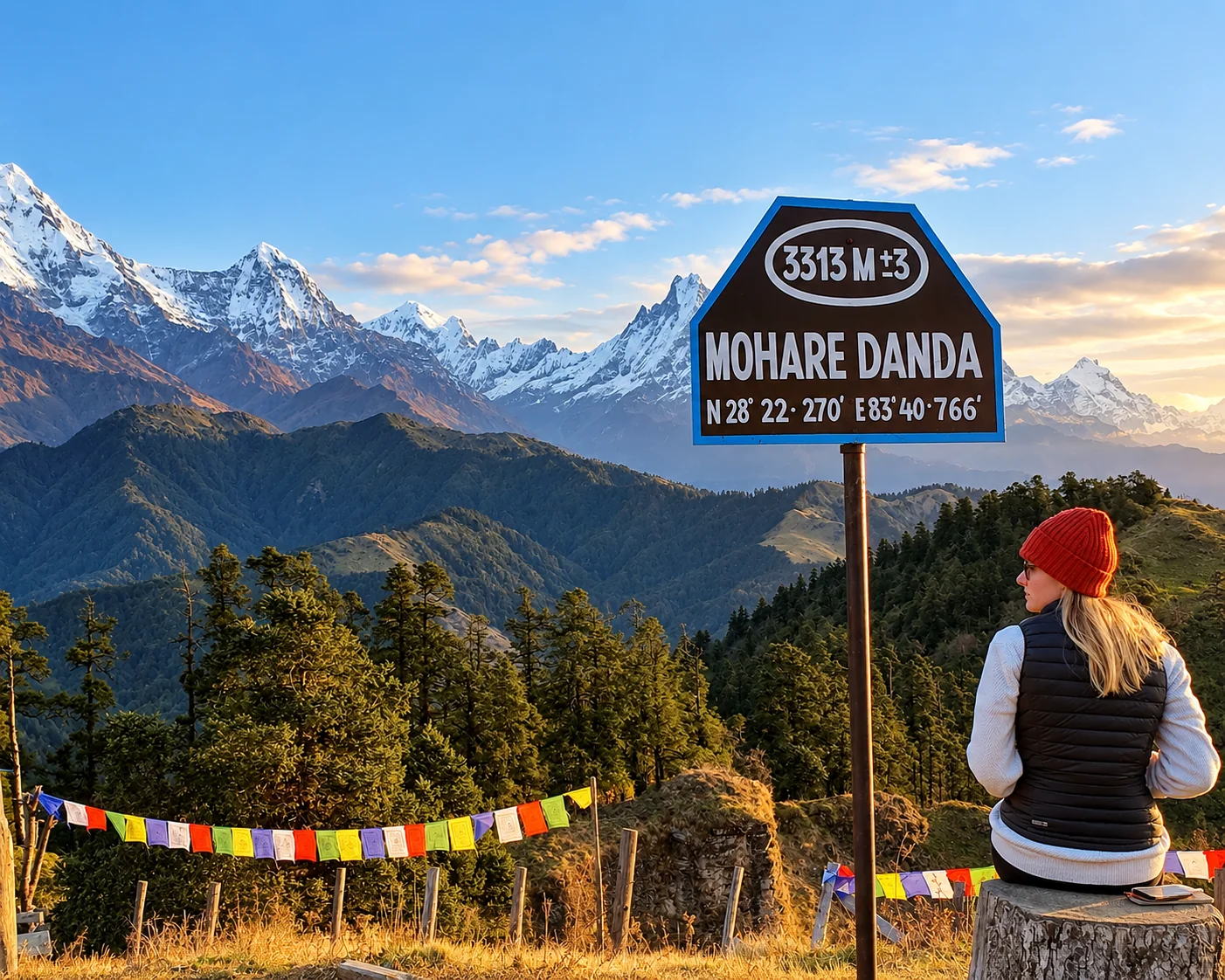
- Poon Hill Trek
- Kanchenjunga Trek
Responsible trekkers are encouraged to:
- Carry reusable water bottles
- Avoid single-use plastics
- Stay in locally owned teahouses
- Respect wildlife
- Follow designated trails
- Hire licensed local guides and porters
- Dispose of waste properly
2. Community-Based Tourism
Community tourism allows travelers to experience authentic village life while directly supporting local residents.
Visitors can:
- Stay in traditional homestays
- Learn local cooking
- Participate in farming activities
- Attend cultural performances
- Explore traditional villages
- Purchase locally made handicrafts
Popular community tourism destinations include:
- Ghalegaun
- Sirubari
- Barpak
- Bandipur
- Tansen
- Ghandruk
- Bhujung
- Tharu villages in Chitwan
This form of tourism distributes tourism income directly to local families.
3. Wildlife Tourism
Nepal is home to remarkable biodiversity and some of Asia's finest protected areas.
Responsible wildlife tourism supports conservation efforts while creating awareness about endangered species.
Visitors may encounter:
- One-horned rhinoceros
- Bengal tiger
- Asian elephant
- Gharial crocodile
- Red panda
- Snow leopard
- Musk deer
- Himalayan black bear
- Leopard
- Hundreds of bird species
Popular wildlife destinations include:
Chitwan National Park
Activities include:
- Jeep safari
- Canoe rides
- Bird watching
- Nature walks
- Village tours
- Wildlife interpretation
Bardia National Park
Ideal for travelers seeking less crowded wildlife experiences with excellent opportunities to spot tigers and elephants.
Koshi Tappu Wildlife Reserve
A paradise for birdwatchers and wetland conservation enthusiasts.
Responsible wildlife tourism means maintaining a safe distance from animals, avoiding littering, and respecting park regulations.
4. Cultural Tourism
Nepal's culture is deeply rooted in history, spirituality, and diversity.
Sustainable cultural tourism protects historical monuments while supporting artisans, guides, museums, and local communities.
Popular cultural destinations include:
- Kathmandu Durbar Square
- Patan Durbar Square
- Bhaktapur Durbar Square
- Pashupatinath Temple
- Boudhanath Stupa
- Swayambhunath Stupa
- Lumbini
- Janakpur
- Kirtipur
Travelers can enjoy:
- Heritage walks
- Traditional festivals
- Local cuisine
- Handicraft workshops
- Temple visits
- Artisan communities
- Museum tours
Respecting local traditions, dress codes, and religious customs is an essential part of sustainable cultural tourism.
5. Eco-Friendly Adventure Tourism
Adventure tourism can also be sustainable when managed responsibly.
Popular activities include:
- Mountain biking
- White-water rafting
- Zip lining
- Paragliding
- Rock climbing
- Canyoning
- Jungle walks
- Nature photography
Many operators now use environmentally friendly practices while employing local guides and minimizing environmental impact.
6. Rural Village Tourism
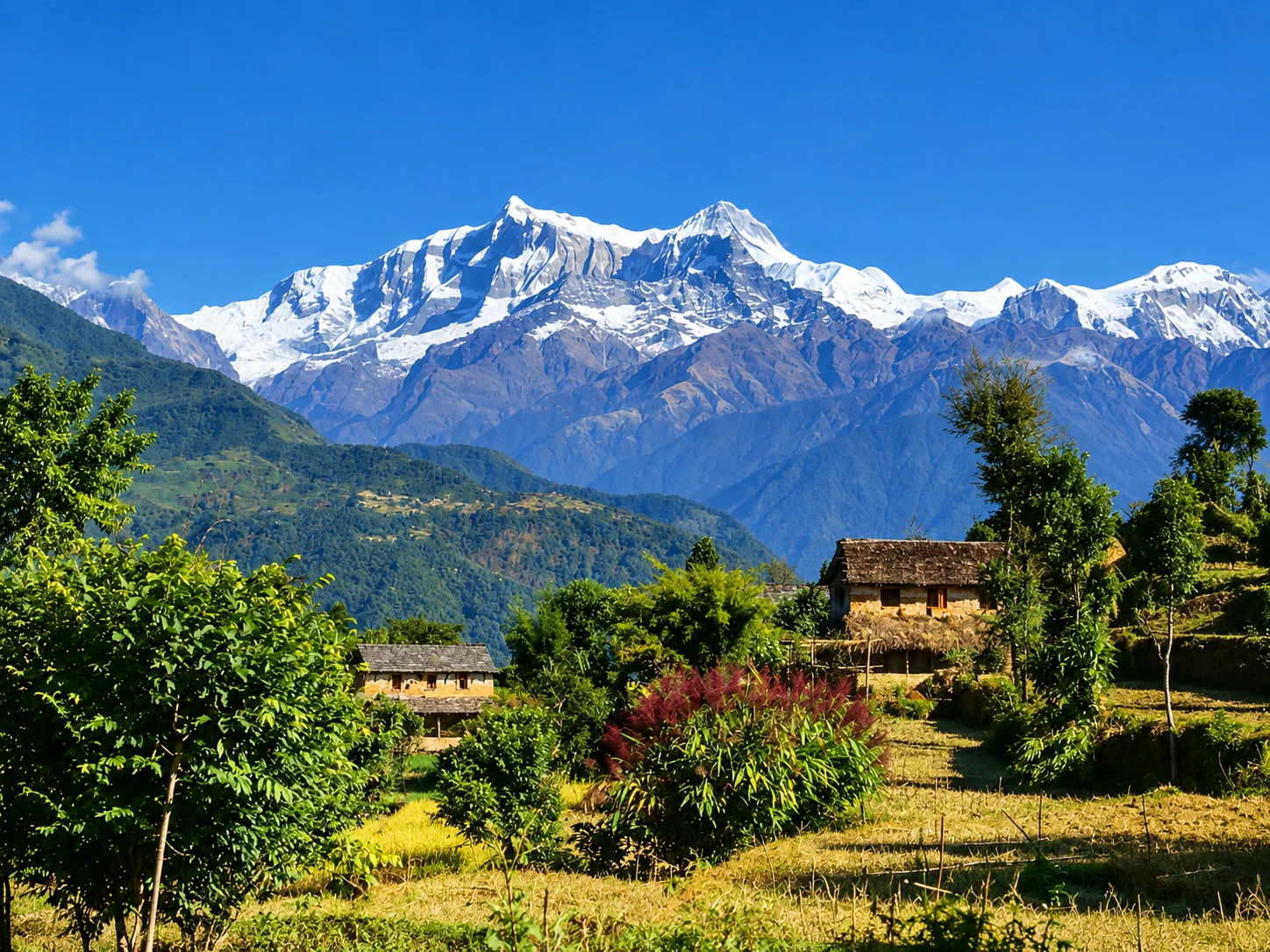
Nepal's countryside offers authentic experiences away from busy tourist areas.
Visitors can enjoy:
- Organic farming
- Village walks
- Local schools
- Traditional houses
- Community forests
- Local markets
- Cultural exchanges
Rural tourism helps reduce migration by creating income opportunities for village communities.
7. Spiritual and Wellness Tourism
Nepal has been a spiritual destination for centuries.
Popular activities include:
- Meditation retreats
- Yoga programs
- Buddhist monastery visits
- Pilgrimage tours
- Wellness retreats
- Ayurveda experiences
Major destinations include:
- Lumbini
- Namobuddha
- Kopan Monastery
- Pharping
- Pashupatinath
- Muktinath
Environmental Conservation and Sustainable Tourism
Nepal has established numerous conservation initiatives that directly benefit tourism.
Important conservation areas include:
- Sagarmatha National Park
- Annapurna Conservation Area
- Langtang National Park
- Shivapuri Nagarjun National Park
- Manaslu Conservation Area
- Makalu Barun National Park
Many trekking permits contribute directly to conservation, trail maintenance, waste management, and local community development.
Travelers can contribute by:
- Carrying reusable shopping bags
- Avoiding plastic bottles
- Conserving water
- Staying on designated trails
- Respecting wildlife
- Supporting eco-certified lodges
- Reducing energy consumption
Best Sustainable Tourism Destinations in Nepal
Some of Nepal's leading sustainable destinations include:
Annapurna Region
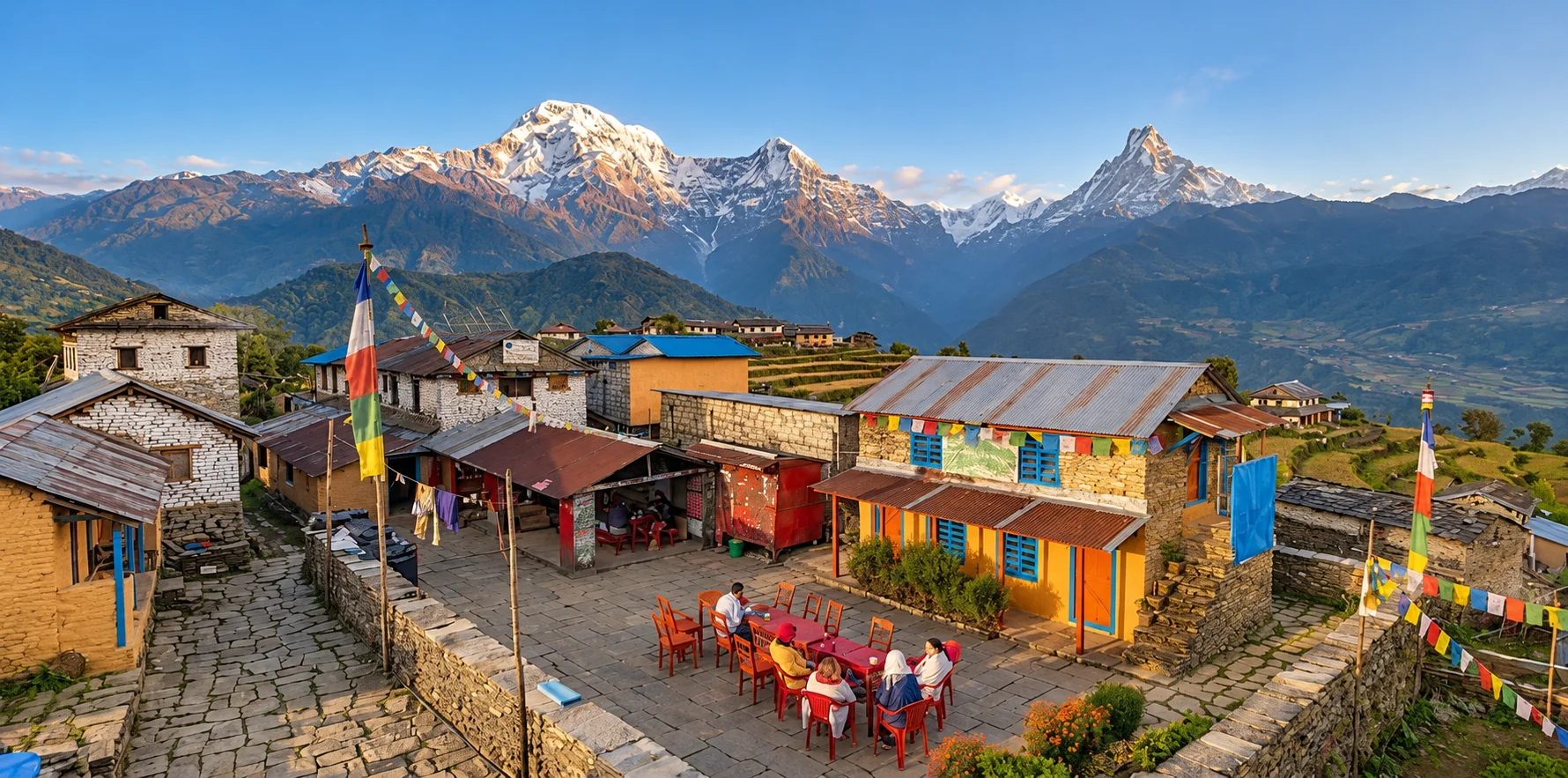
Known for community-managed trekking routes, conservation projects, and locally operated teahouses.
Langtang Region
Ideal for responsible trekking while supporting communities rebuilding after the 2015 earthquake.
Chitwan
Combines wildlife conservation with community tourism and cultural experiences.
Bardia
Offers peaceful wildlife tourism with fewer visitors and strong conservation initiatives.
Ghalegaun
A model village for community tourism where local families operate homestays.
Ilam
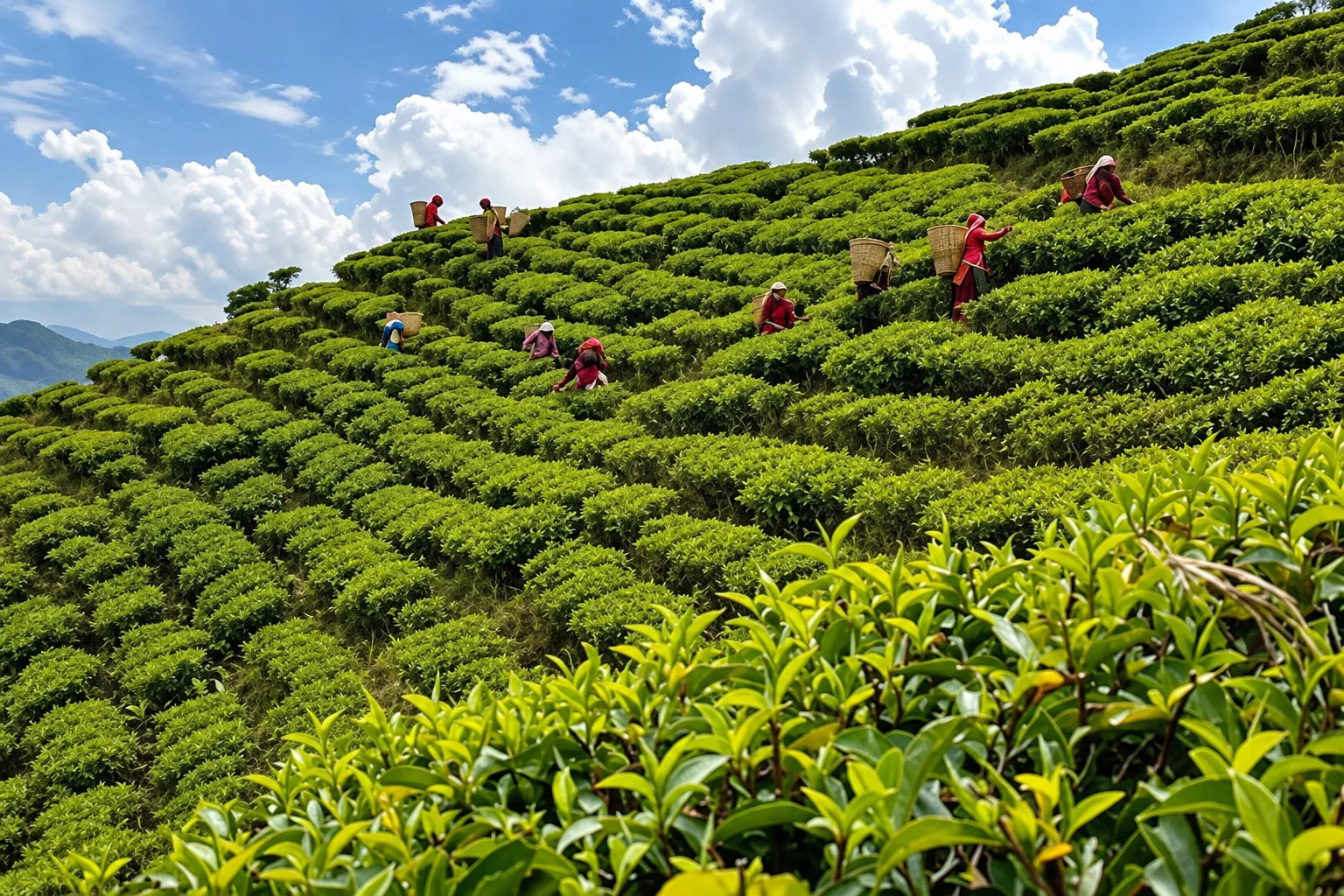
Perfect for eco-tourism, tea gardens, and rural experiences.
Rara Lake
Promotes low-impact tourism surrounded by pristine natural beauty.
Practical Tips for Sustainable Travel in Nepal
Before visiting Nepal, consider these responsible travel practices:
- Carry reusable water bottles.
- Avoid disposable plastics.
- Use refill stations whenever possible.
- Support locally owned accommodations.
- Buy authentic local handicrafts.
- Respect cultural traditions.
- Dress modestly when visiting temples.
- Hire licensed local guides.
- Stay on marked trekking routes.
- Do not disturb wildlife.
- Leave natural areas cleaner than you found them.
- Minimize food waste.
- Use environmentally friendly toiletries.
- Respect local communities before taking photographs.
- Travel during appropriate seasons to reduce environmental stress.
Sample 7-Day Sustainable Tourism Itinerary in Nepal
Day 1 – Arrival in Kathmandu
- Airport pickup
- Hotel check-in
- Sustainable travel briefing
- Evening heritage walk in Thamel
Overnight: Kathmandu
Day 2 – Kathmandu Heritage Exploration
- Swayambhunath
- Patan Durbar Square
- Local artisan workshops
- Traditional Nepali dinner
Overnight: Kathmandu
Day 3 – Drive to Bandipur
- Scenic countryside drive
- Community homestay
- Village walk
- Cultural program
Overnight: Bandipur
Day 4 – Continue to Chitwan
- Community forest visit
- Local Tharu village
- Nature walk
Overnight: Chitwan
Day 5 – Wildlife Conservation Activities
- Jeep safari
- Bird watching
- Canoe ride
- Conservation interpretation
Overnight: Chitwan
Day 6 – Return to Kathmandu
- Scenic drive
- Local handicraft shopping
- Farewell dinner
Overnight: Kathmandu
Day 7 – Departure
- Airport transfer
- End of sustainable Nepal experience
Best Time for Sustainable Tourism in Nepal
Nepal can be visited throughout the year, but each season offers different experiences.
Spring (March to May)
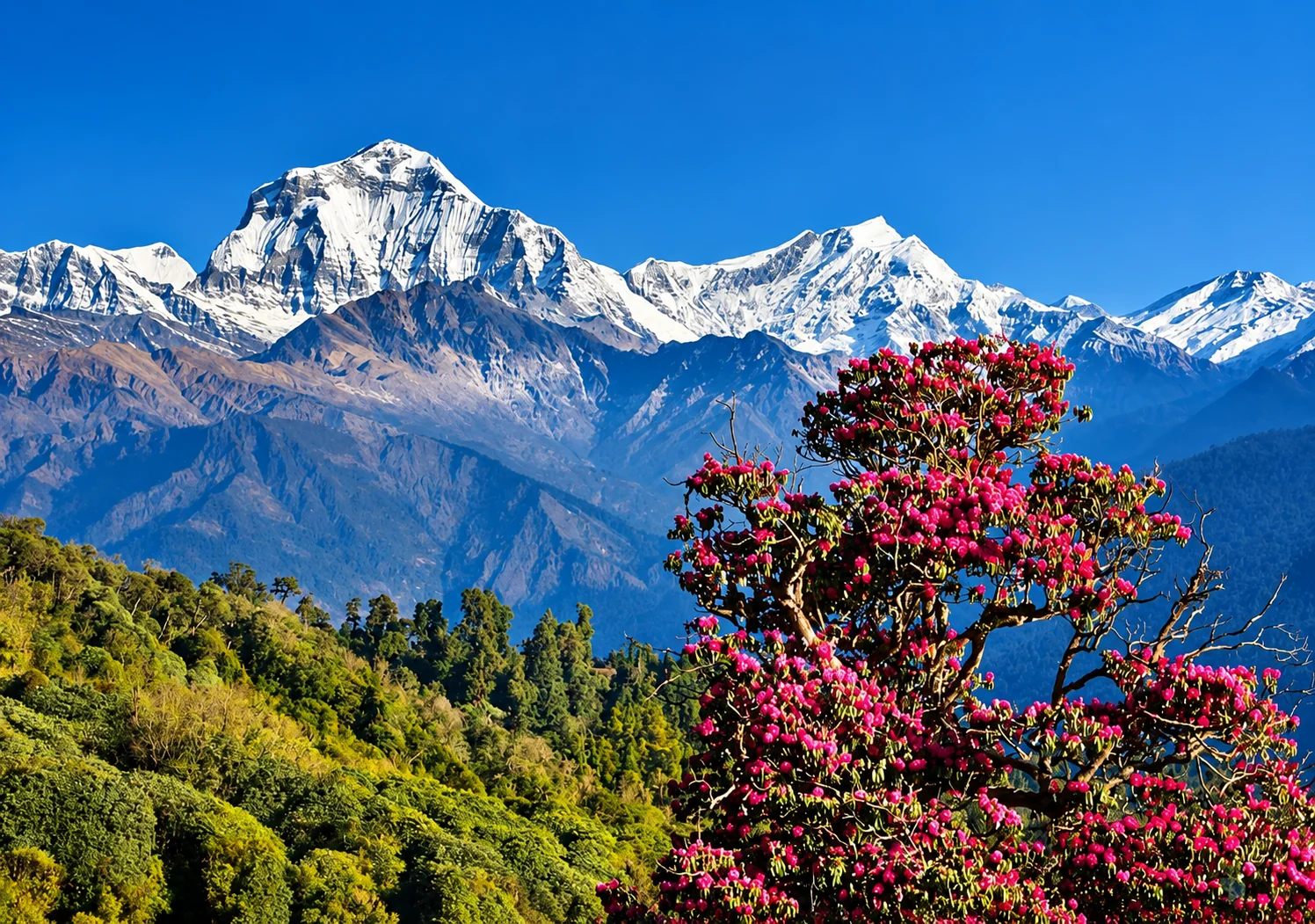
Ideal for trekking, rhododendron blooms, wildlife viewing, and mountain photography.
Autumn (September to November)
The most popular season with clear mountain views, pleasant temperatures, and major festivals.
Winter (December to February)
Suitable for cultural tours, wildlife safaris, and lower-altitude trekking.
Monsoon (June to August)
Perfect for lush landscapes, fewer tourists, tea garden visits, and cultural exploration in rain-shadow regions.
Responsible Tourism Checklist
Before traveling, remember to:
- Choose eco-friendly accommodations.
- Respect local traditions and customs.
- Carry reusable travel gear.
- Support local businesses.
- Reduce waste.
- Avoid wildlife exploitation.
- Hire local guides.
- Conserve natural resources.
- Follow Leave No Trace principles.
- Share responsible travel practices with others
(FAQs)
1. What is sustainable tourism in Nepal?
Sustainable tourism in Nepal is responsible travel that protects the environment, preserves cultural heritage, supports local communities, and minimizes the negative impact of tourism while creating meaningful experiences for visitors.
2. Why is sustainable tourism important in Nepal?
Sustainable tourism helps protect Nepal's fragile Himalayan ecosystems, conserves wildlife, preserves cultural traditions, creates local employment, and ensures that tourism benefits future generations.
3. What are the best sustainable tourism destinations in Nepal?
Some of the best sustainable tourism destinations include Annapurna Conservation Area, Langtang National Park, Chitwan National Park, Bardia National Park, Rara Lake, Bandipur, Ghalegaun, Ghandruk, Ilam, and Lumbini.
4. Which are the best short trips from Kathmandu for sustainable travel?
Nagarkot, Dhulikhel, Namobuddha, Chitlang, Pharping, Shivapuri National Park, Bandipur, and Kakani are excellent short trips that promote responsible tourism and local experiences.
5. Where can I go for a one-day eco-friendly trip from Kathmandu?
Popular one-day sustainable destinations include Shivapuri Nagarjun National Park, Namobuddha, Phulchoki Hill, Chandragiri Hills, Dhulikhel, Chobhar Gorge, and Godawari Botanical Garden.
6. What are the best weekend getaways in Nepal for nature lovers?
Bandipur, Pokhara, Chitwan National Park, Ilam, Ghandruk, Nagarkot, Dhulikhel, and Rara Lake are ideal weekend escapes surrounded by natural beauty.
7. Which places can I visit near Kathmandu in two days?
Nagarkot, Dhulikhel, Bandipur, Chitlang, Kulekhani, Namobuddha, Pharping, and Shivapuri National Park make excellent two-day trips.
8. What are the best nature escapes in Nepal?
Rara Lake, Langtang National Park, Annapurna Conservation Area, Khaptad National Park, Ilam, Makalu Barun National Park, and Shivapuri National Park offer peaceful natural experiences.
9. What are the best offbeat destinations for sustainable tourism in Nepal?
Khaptad National Park, Api Nampa Conservation Area, Dhorpatan Hunting Reserve, Rara Lake, Upper Dolpo, Ilam, Tansen, and Bhujung are among Nepal's best hidden gems.
10. Which hill stations are closest to Kathmandu?
Nagarkot, Dhulikhel, Kakani, Chandragiri Hills, Daman, and Phulchoki are popular hill destinations offering beautiful Himalayan views.
11. Where can I enjoy mountain views without doing a long trek?
Nagarkot, Dhulikhel, Sarangkot, Chandragiri Hills, Bandipur, and Kalinchowk provide stunning mountain scenery without multi-day trekking.
12. What are the best recreational activities in Nepal?
Popular recreational activities include hiking, wildlife safaris, birdwatching, cycling, boating on Phewa Lake, rafting, village walks, camping, photography tours, yoga retreats, and cultural sightseeing.
13. Where can I relax in nature near Kathmandu?
Shivapuri National Park, Godawari Botanical Garden, Chitlang, Nagarkot, Dhulikhel, Kakani, and Phulchoki provide peaceful escapes from city life.
14. Which destinations combine relaxation, adventure, and sustainability?
Pokhara, Bandipur, Chitwan National Park, Langtang Valley, Annapurna Conservation Area, and Rara Lake offer a balanced mix of adventure, nature, and responsible tourism.
15. What are the best wellness and mindfulness destinations in Nepal?
Lumbini, Namobuddha, Kopan Monastery, Pharping, Pokhara, and Dhulikhel are known for meditation retreats, yoga programs, and peaceful surroundings.
16. Which are the best beginner-friendly hikes in Nepal?
Nagarkot Hiking Trail, Shivapuri Peak, Australian Camp, Dhampus, Poon Hill, Champadevi, and Namobuddha Hiking Trail are excellent for beginners.
17. Which hiking destinations are suitable for families?
Australian Camp, Dhampus, Nagarkot, Shivapuri National Park, Sarangkot, and Ghorepani Poon Hill are family-friendly hiking destinations.
18. Which trekking regions follow sustainable tourism practices?
The Annapurna Conservation Area, Langtang National Park, Manaslu Conservation Area, Everest Region, Mardi Himal, Khopra Ridge, and Gosaikunda Trek are excellent examples of responsible trekking destinations.
19. Which national park is best for eco-tourism in Nepal?
Chitwan National Park is Nepal's leading eco-tourism destination, while Bardia National Park and Koshi Tappu Wildlife Reserve are also excellent choices for nature and wildlife enthusiasts.
20. Where can I see wildlife and rare birds in Nepal?
Chitwan National Park, Bardia National Park, Koshi Tappu Wildlife Reserve, Shuklaphanta National Park, and Shivapuri National Park are among Nepal's top wildlife and birdwatching destinations.
21. Which destinations are best for community-based tourism?
Ghalegaun, Sirubari, Ghandruk, Bhujung, Barpak, Bandipur, and Tansen provide authentic homestay experiences and allow visitors to directly support local communities.
22. Which destination is ideal for families interested in sustainable tourism?
Bandipur, Pokhara, Chitwan National Park, Lumbini, Nagarkot, Ghandruk, and Ghalegaun offer safe, educational, and family-friendly experiences focused on nature and culture.
23. How many days are ideal for exploring sustainable tourism in Nepal?
A 7 to 10-day itinerary is ideal for combining cultural heritage, community tourism, wildlife experiences, scenic landscapes, and short trekking adventures. Travelers with more time can explore remote destinations like Rara Lake, Upper Dolpo, or Kanchenjunga.
24. Can I customize a sustainable tourism itinerary in Nepal?
Yes. A customized itinerary can include community homestays, eco-friendly trekking, wildlife safaris, cultural heritage tours, meditation retreats, village experiences, and responsible adventure activities based on your interests, travel duration, and budget.
25. Why should I book my sustainable Nepal tour with Khushi Travels and Consulting Group Pvt. Ltd.?
Khushi Travels and Consulting Group Pvt. Ltd. specializes in professionally planned sustainable travel experiences across Nepal. From eco-friendly trekking and wildlife safaris to community homestays, cultural tours, and customized itineraries, the company works with local guides, responsible accommodations, and community-based tourism initiatives to ensure your journey supports conservation, benefits local communities, and provides an authentic and memorable travel experience.
Why Choose Khushi Travels and Consulting Group Pvt. Ltd.?
Planning a sustainable journey requires local knowledge, responsible planning, and reliable logistics. Khushi Travels and Consulting Group Pvt. Ltd. is committed to providing professionally managed travel experiences that prioritize environmental conservation, cultural respect, and community participation.
Whether you are looking for an eco-friendly trekking adventure, a wildlife safari, a cultural heritage tour, a community homestay, or a customized sustainable travel package, our experienced team ensures every journey is carefully planned with responsible tourism principles in mind.
Our sustainable travel services include:
- Customized eco-friendly tour packages
- Responsible trekking and hiking adventures
- Community-based tourism experiences
- Wildlife and nature tours
- Cultural and heritage travel
- Village homestay programs
- Licensed local guides and trekking leaders
- Comfortable transportation arrangements
- Responsible travel consultation
- Private, family, group, and educational tours
At Khushi Travels, we believe that every journey should leave lasting memories while creating positive impacts for local communities and protecting Nepal's natural and cultural treasures. Our goal is to help travelers experience the authentic beauty of Nepal in a way that supports conservation, empowers local people, and preserves the country's incredible heritage for future generations.
Contact Khushi Travels and Consulting Group
Ready to plan your dream trekking adventure or holiday in Nepal?
Our experienced travel experts are here to help you design a personalized itinerary that perfectly matches your interests, travel style, schedule, and budget. Whether you're planning your first visit to Nepal or returning to explore new Himalayan trails, we are committed to providing professional guidance and exceptional service every step of the way.
Khushi Travels and Consulting Group Pvt. Ltd.
📧 General Inquiries: info@khushiservice.com
📧 Bookings: booking@khushiservice.com
📞 Phone / WhatsApp: +977 9768988868
☎️ Office: +977 014975759
📍 Office Address: Sorakhutte-16, Thamel, Kathmandu, Nepal
🌐 Website: www.khushiservice.com
Let Khushi Travels and Consulting Group be your trusted local travel partner in Nepal. Contact us today and allow our experienced team to turn your dream journey into an unforgettable adventure filled with breathtaking landscapes, rich culture, warm hospitality, and lifelong memories.
Final Thoughts
Sustainable tourism is more than a travel trend. It is a commitment to protecting the destinations we love while creating meaningful experiences for both visitors and local communities. Nepal's majestic Himalayas, rich biodiversity, ancient heritage, and welcoming people make it one of the world's finest destinations for responsible travel.
By choosing sustainable tourism activities, travelers contribute to conservation efforts, support local livelihoods, preserve cultural traditions, and help maintain Nepal's extraordinary landscapes for generations to come. Whether you are trekking through mountain trails, exploring UNESCO World Heritage Sites, enjoying wildlife safaris, or staying with local families in rural villages, every responsible travel decision makes a positive difference.
If you are planning a sustainable holiday in Nepal, Khushi Travels and Consulting Group Pvt. Ltd. is ready to help you design an unforgettable journey that combines adventure, culture, nature, and responsible travel with professional service and local expertise.
Similar Blogs
We are associated with